Is your favorite chair or couch smelling like cat urine? You’re not alone, and it can be really frustrating.
That stubborn smell can make your whole room feel unpleasant and uncomfortable. But don’t worry—you can get rid of that odor and bring fresh life back to your furniture. You’ll discover simple, effective ways to tackle cat urine smell for good.
Keep reading, and say goodbye to that unwanted smell once and for all.
Credit: www.bissell.com
Identify The Source
Identifying the source of cat urine smell in furniture is the first key step. Without knowing where the odor comes from, cleaning efforts may not work. Cats often choose specific spots to urinate. Finding these spots helps target cleaning and removes the smell fully. Take your time to inspect furniture carefully. Some areas may be obvious, while others hide the problem.
Locate Affected Areas
Start by checking visible spots on your furniture. Look for wet patches, stains, or discoloration. These signs often show where the cat urinated. Smell the fabric closely to find strong odors. Use a black light in a dark room. Cat urine glows under black light, revealing hidden stains. Mark the spots you find for cleaning later.
Check Hidden Spots
Cats sometimes urinate in places you may not expect. Check under cushions, between seams, and inside folds. Look at the underside of chairs or sofas. Smell these areas carefully. Use a flashlight to see inside tight spaces. Don’t forget places behind or under the furniture. These hidden spots can hold the strongest odors.
Initial Cleaning Steps
Cleaning cat urine from furniture starts with quick and careful action. The goal is to remove as much liquid as possible before it soaks deeper. Early steps set the stage for better odor removal later. Use gentle techniques to avoid spreading the stain or pushing urine deeper.
Blot Excess Urine
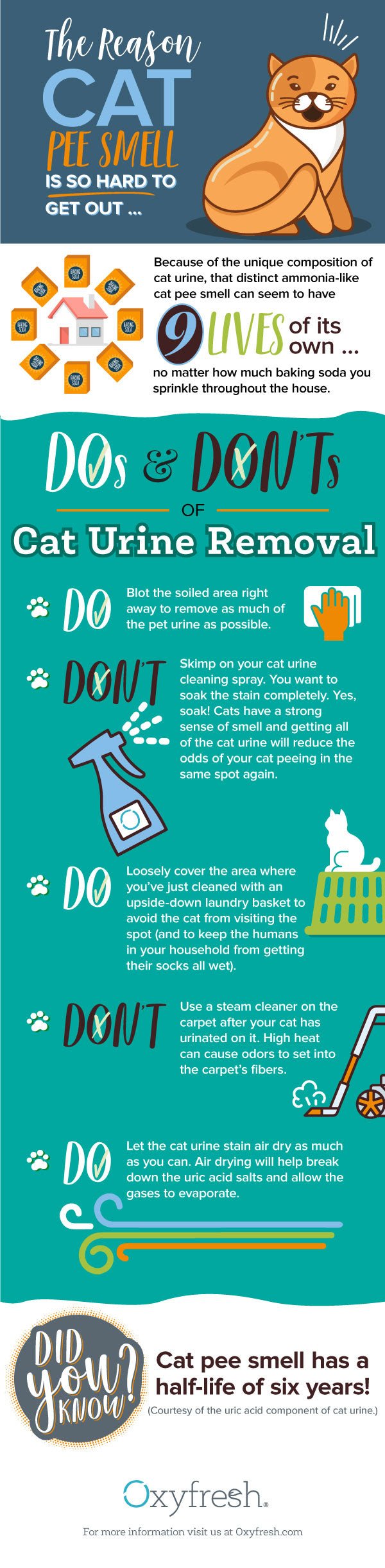
Grab clean paper towels or a soft cloth. Press firmly on the stained area to soak up urine. Avoid wiping or dragging. Keep blotting until no more moisture transfers to the cloth. This step reduces the urine amount that seeps into cushions or fabric.
Avoid Rubbing Stains
Do not rub the urine spot. Rubbing pushes liquid deeper into the fabric and padding. It can spread the stain, making it larger. Use gentle blotting motions only. This protects the furniture’s surface and keeps the stain contained for easier treatment.
Effective Cleaning Solutions
Removing cat urine smell from furniture requires strong and reliable cleaning solutions. Choosing the right product breaks down odor-causing molecules. This stops the smell from coming back. Effective cleaning also protects fabric and cushions from damage. Use products that reach deep into the fibers. This ensures complete odor removal. Below are proven solutions to try on your furniture.
Use Enzymatic Cleaners
Enzymatic cleaners contain natural enzymes that digest urine proteins. These enzymes break down the odor at its source. Spray the cleaner generously on the affected area. Let it sit for 10 to 15 minutes to work deeply. Blot the area with a clean cloth afterward. Avoid rubbing, which can spread the stain. Repeat the process if the smell persists. Enzymatic cleaners work well on both dried and fresh stains.
Try Vinegar And Baking Soda
Vinegar neutralizes urine's ammonia smell effectively. Mix equal parts of white vinegar and water in a spray bottle. Spray the solution on the urine spot and let it dry. After drying, sprinkle baking soda over the area. Baking soda absorbs remaining odors and moisture. Leave the baking soda on for several hours. Vacuum the area thoroughly to remove all residue. This natural solution is safe for most fabrics.
Hydrogen Peroxide Method
Hydrogen peroxide helps break down tough urine stains and odors. Mix a half cup of 3% hydrogen peroxide with a teaspoon of dish soap. Apply the mixture to the urine spot carefully. Let it sit for 10 minutes but watch for discoloration. Test on a hidden area first. Use a clean cloth to blot the area dry. This method works well for persistent smells. Rinse with water and dry completely afterward.

Credit: smart.dhgate.com
Deep Cleaning Techniques
Deep cleaning techniques are essential to remove cat urine smell from furniture effectively. Simple surface cleaning often leaves behind odor and stains. A thorough clean reaches deep into fabric fibers and padding. This process breaks down urine crystals and neutralizes odors for good.
Steam Cleaning Furniture
Steam cleaning uses hot water vapor to clean and sanitize upholstery. The heat kills bacteria and helps dissolve urine deposits. Steam penetrates deep layers of fabric and padding. This lifts out dirt and odors that regular cleaning misses.
For best results, use a steam cleaner designed for furniture. Test a small area first to check fabric colorfastness. Move the steam cleaner slowly for even coverage. Allow furniture to dry completely to prevent mold growth.
Professional Cleaning Services
Professional cleaners have the tools and knowledge to remove tough urine odors. They use specialized enzymes and cleaning agents. These break down urine molecules deeply embedded in furniture. Professionals also have powerful equipment for deep extraction.
Hiring experts saves time and ensures a thorough job. They can treat delicate fabrics without damage. Plus, professionals often offer guarantees for odor removal. This is a smart choice for persistent or large-scale urine problems.
Preventing Recurrence
Getting rid of cat urine smell from your furniture is just the first step. Preventing your cat from marking the same spot again is where the real challenge begins. You want your home to stay fresh and your furniture safe, so it’s crucial to take proactive steps.
Discourage Future Marking
Cats often mark furniture because they feel stressed or territorial. You can reduce this behavior by making your cat feel more secure in its environment.
- Use pheromone diffusers like Feliway to calm your cat.
- Place double-sided tape or aluminum foil on areas previously marked—cats dislike these textures.
- Offer plenty of toys and interactive playtime to reduce anxiety and boredom.
I once had a cat who kept marking the same chair. Adding a cozy bed nearby and playing with her regularly made her feel less territorial. Could your cat be trying to tell you something through its behavior?
Maintain Clean Litter Boxes
Dirty litter boxes are a common reason cats choose to mark furniture instead. You want your cat’s bathroom to be as inviting as possible.
- Clean the litter box daily to keep odors under control.
- Provide one litter box per cat, plus one extra, to avoid competition.
- Experiment with different types of litter to find your cat’s preference.
One pet owner shared that switching to unscented clumping litter dramatically reduced her cat’s accidents. Have you checked if your cat’s litter box is comfortable enough?
Natural Remedies
Natural remedies offer a gentle and effective way to tackle cat urine smell in your furniture without harsh chemicals. These options are often safe for pets and kids, making your home fresher while keeping everyone healthy. Let’s dive into some simple yet powerful natural solutions you can try today.
Essential Oils For Odor Control
Essential oils like lavender, eucalyptus, and tea tree have strong deodorizing properties. Adding a few drops to a spray bottle filled with water can create a natural air freshener for your furniture.
Spray the mixture lightly on the affected area after cleaning. Not only will it mask the smell, but it can also help neutralize the odor over time. Be cautious with tea tree oil, as it can be toxic to cats if used in high amounts.
Have you ever noticed how certain scents instantly change the mood of a room? Using essential oils allows you to customize the aroma while addressing the smell problem.
Activated Charcoal Usage
Activated charcoal is a natural odor absorber that you can place near or inside furniture cushions. It works by trapping odor molecules, effectively removing bad smells from the air.
You can buy small charcoal bags or make your own by filling breathable fabric pouches with activated charcoal powder. Leave these pouches in the furniture for several days to absorb the urine smell.
This method requires patience, but it’s chemical-free and safe. Have you tried leaving charcoal in a smelly closet or car? It’s the same idea but applied to your furniture.
Dealing With Persistent Odors
Persistent cat urine odors in furniture can be tough to remove. The smell often seeps deep into the padding and fabric. Regular cleaning might not fully erase it. This section covers effective ways to handle these stubborn smells.
Replacing Upholstery Padding
Sometimes the odor hides inside the furniture padding. Cleaning the surface is not enough. Removing the old padding helps get rid of trapped smells. Replace it with fresh, clean material for better results. This step can make a big difference in odor control. It also prevents the smell from returning quickly.
Using Odor Neutralizers
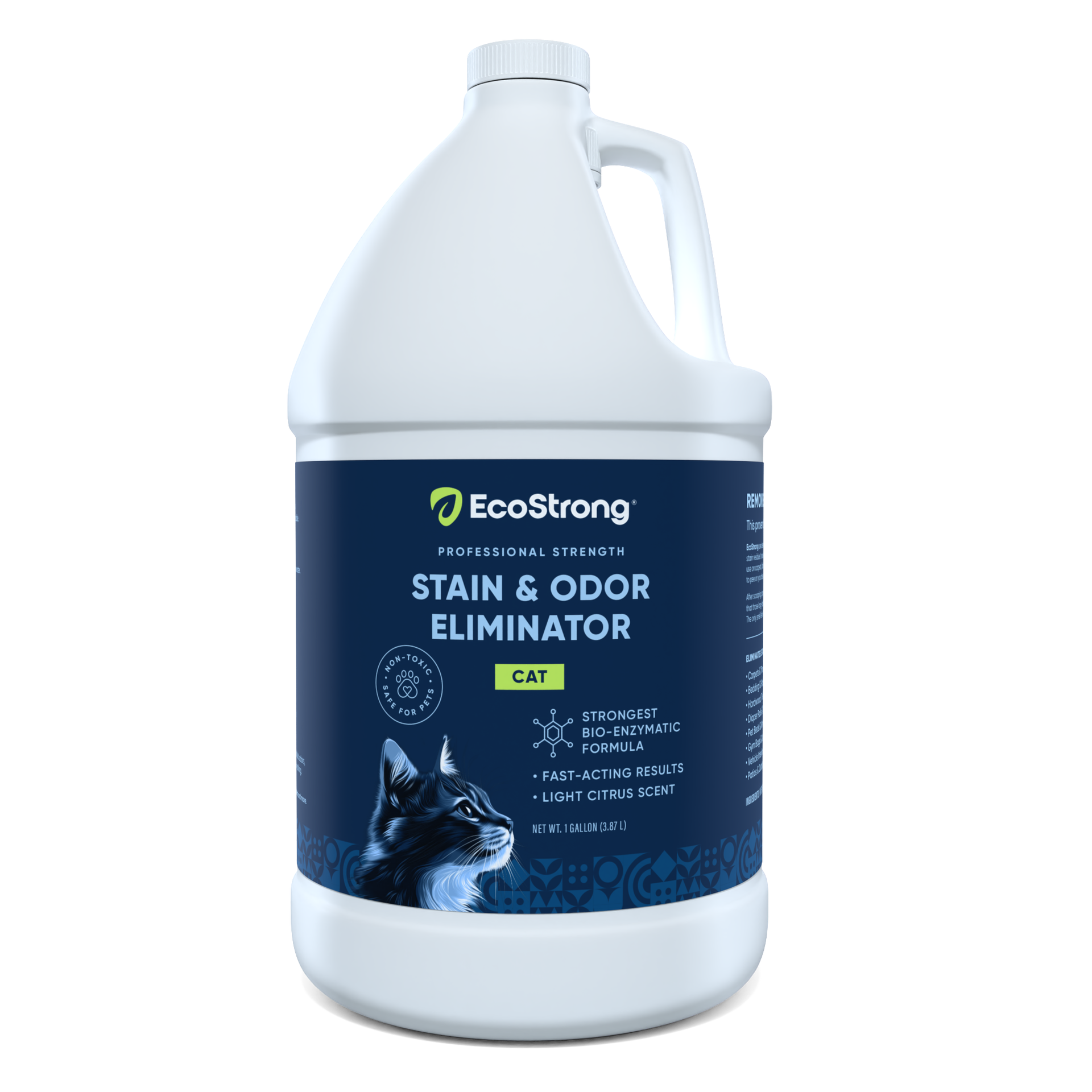
Odor neutralizers target the smell molecules directly. They do not just mask the odor but break it down. Choose products made for pet urine odors. Apply them according to instructions. Allow the neutralizer to soak into the fabric and padding. This process helps eliminate lingering smells. Repeat treatment if the odor remains strong.
Credit: ecostrong.com
Frequently Asked Questions
How Do I Remove Cat Urine Smell From Furniture?
Use an enzymatic cleaner designed for pet urine. Blot the area, apply the cleaner, and let it sit. Avoid harsh chemicals that can worsen the odor or damage the fabric.
What Household Items Neutralize Cat Urine Odor?
Baking soda, white vinegar, and hydrogen peroxide work well. Sprinkle baking soda, spray vinegar solution, and blot with peroxide for tough smells. Always test on a small fabric area first.
Can I Use Vinegar To Clean Cat Urine From Furniture?
Yes, white vinegar neutralizes the ammonia smell in cat urine. Mix equal parts vinegar and water, spray, blot, and let it dry. Vinegar is safe for most fabrics but test first.
How Long Does Cat Urine Smell Last On Furniture?
Urine odor can last weeks if untreated, as it seeps deep into fibers. Immediate cleaning reduces smell significantly. Persistent odors may require professional cleaning or repeated treatments.
Conclusion
Eliminating cat urine smell from furniture is achievable. Start with quick action. Blot the urine immediately. Use baking soda or vinegar for natural cleaning. Enzymatic cleaners are effective too. Ensure thorough drying to prevent mold. Regular cleaning helps maintain freshness.
Avoid harsh chemicals that harm pets and furniture. Consistent care makes your home smell pleasant. Your furniture will thank you. So will your nose. Stay proactive, and enjoy a clean, odor-free home.