If you’ve ever dealt with cat urine odor in your house, you know how stubborn and unpleasant it can be. That smell doesn’t just fade away on its own—it can linger and make your home feel uncomfortable.
But don’t worry, you’re not stuck with it. You’ll discover simple, effective ways to completely get rid of that stubborn odor. By following these easy steps, you’ll bring freshness back to your home and enjoy a clean, odor-free space again.
Keep reading, and say goodbye to that unwanted smell for good!
Credit: www.familyhandyman.com
Causes Of Cat Urine Odor
Cat urine odor can quickly fill a home, causing discomfort and frustration. The smell is strong and hard to remove. Understanding what causes this odor helps in tackling it effectively. Cat urine contains chemicals that create a lasting and pungent smell. These chemicals vary based on the cat’s health, diet, and marking behavior.
Knowing where cats usually urinate helps find the source of the odor faster. Cats often choose spots based on stress, territory, or litter box issues. The more you know about these causes, the better you can clean and prevent the smell.
Why Cat Urine Smells Strong
Cat urine contains ammonia and sulfur compounds. These chemicals produce a sharp, unpleasant odor. The smell gets stronger when urine dries and crystals form. Male cats typically have stronger-smelling urine due to hormones. The smell signals other cats about territory. This natural purpose makes it hard to ignore.
Urine also contains urea, which breaks down into ammonia. Ammonia irritates the nose and lungs. The longer urine stays, the worse the smell becomes. This is why quick cleaning is important.
Common Spots For Urine Marking
- Near doors and windows where cats feel threatened
- On furniture, especially couches and chairs
- Carpets and rugs in quiet corners
- Bathrooms and laundry areas with tile or linoleum floors
- Behind appliances or in hidden spaces
Cats also mark vertical surfaces by spraying urine. This behavior is common in unneutered male cats. Spotting these areas helps target cleaning efforts. Regularly check these places to catch odors early.

Credit: purrifiedair.com
Immediate Actions To Take
Acting quickly after spotting cat urine is key to stopping the smell. The longer urine stays, the harder it gets to remove the odor. Immediate action protects your home and keeps it fresh. Follow these steps right away for best results.
Blotting Fresh Urine
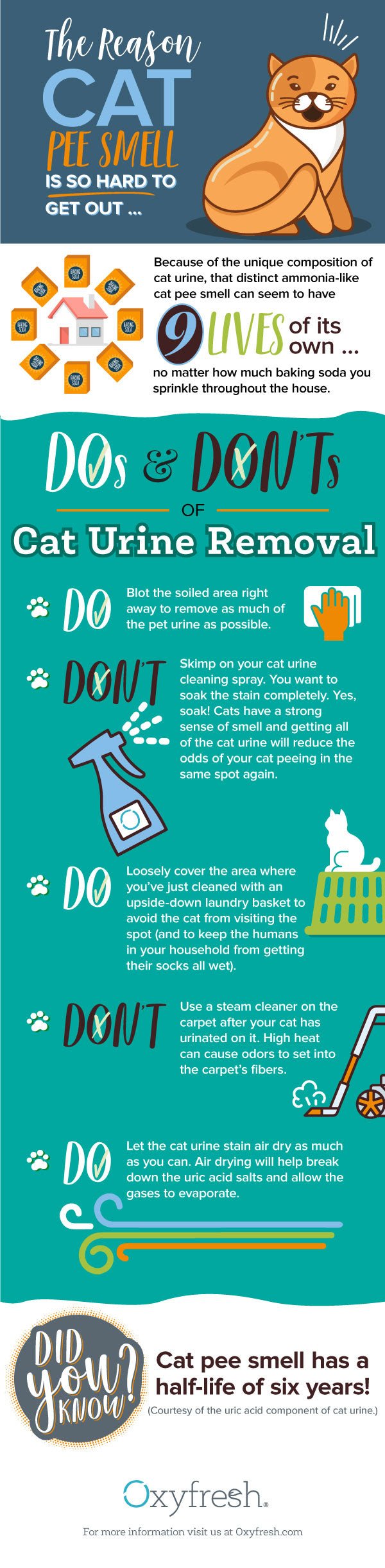
Use paper towels or a clean cloth to blot the wet urine. Press gently to soak up as much liquid as possible. Avoid rubbing because it spreads urine and pushes it deeper. Keep blotting with fresh towels until no more moisture appears. This step lowers the chance of stains and reduces the strong smell.
Avoiding Common Cleaning Mistakes
- Do not use ammonia-based cleaners. Ammonia smells like urine and can attract cats back.
- Skip hot water. It can set the stain and odor permanently.
- Never rub the spot hard. It spreads the urine and worsens the problem.
- Avoid using bleach. It can damage surfaces and make odors stronger.
Cleaning Solutions That Work
Getting rid of cat urine odor in your house requires the right cleaning solutions that can tackle the smell at its source. Not all cleaners are effective, as cat urine contains compounds that standard cleaners often miss. Choosing the right product or remedy can make a huge difference in restoring freshness to your home.
Enzymatic Cleaners
Enzymatic cleaners are designed specifically to break down the proteins in cat urine. These cleaners use natural enzymes to digest the odor-causing molecules, eliminating the smell rather than just masking it. You can find them in pet stores or online, and they work best when applied promptly to the affected area.
One tip from experience: saturate the spot well and let the cleaner sit for at least 10-15 minutes before blotting it up. This gives the enzymes enough time to work. Have you noticed how some cleaners just spread the smell around? Enzymatic cleaners prevent that by fully removing the source.
Homemade Remedies
If you prefer something simple and affordable, homemade remedies can also help reduce cat urine odor. A popular option is mixing white vinegar and water in equal parts to neutralize the smell. After applying the solution, sprinkle baking soda on the damp area, let it dry, and then vacuum it up.
Hydrogen peroxide combined with a small amount of dish soap can also boost odor removal. Just be careful to test a small area first, as hydrogen peroxide may lighten some fabrics or carpets. Do you have ingredients at home that might work better than expensive products?
Commercial Products
Commercial odor removers often contain powerful chemicals to tackle cat urine smells effectively. Look for products labeled as odor neutralizers or pet stain removers, but check reviews to see if they actually work on cat urine. Some popular brands have formulas that are safe for pets and kids, which is important for indoor use.
Using a spray or foam application can help reach deeper into fabrics and carpets. If you’re dealing with older stains, you might need to repeat the treatment or combine commercial products with enzymatic cleaners for better results. Have you ever found a product that surprised you by how well it worked?
Deep Cleaning Techniques
Deep cleaning is essential to fully remove cat urine odor from your home. It targets the source of the smell and prevents it from returning. Using the right techniques for different surfaces helps to break down urine compounds effectively.
Carpet And Upholstery Care
Start by blotting the urine spot with paper towels. Avoid rubbing to prevent spreading. Use an enzyme cleaner designed for pet stains. These cleaners break down odor-causing molecules.
- Apply the enzyme cleaner generously to the affected area.
- Let it sit for at least 10 to 15 minutes to penetrate deep.
- Blot the area with a clean cloth to absorb moisture.
- Repeat if the odor persists after drying.
For stubborn spots, rent a carpet cleaner with a pet-specific solution. This helps to reach deep into carpet fibers and padding. Allow carpets and upholstery to dry completely to avoid mold growth.
Cleaning Hard Floors
Use a mixture of white vinegar and water for hard floors. Vinegar neutralizes the urine’s alkaline smell. Mop the floor thoroughly, focusing on stained spots.
- Mix one part vinegar with three parts water in a bucket.
- Apply the solution with a mop or cloth, scrubbing stains gently.
- Rinse the floor with clean water to remove vinegar residue.
- Dry the floor with a towel or let air dry.
Avoid harsh chemicals that can damage floor finishes. For sealed hardwood floors, use a cleaner safe for wood surfaces to protect the finish.
Washing Fabrics And Bedding
Urine-soiled fabrics need prompt washing to prevent lingering smells. Use a washing machine with a pet-safe detergent. Adding baking soda boosts odor removal.
- Pre-soak fabrics in cold water and enzyme cleaner for 30 minutes.
- Wash fabrics on the hottest safe setting for the material.
- Add half a cup of baking soda during the wash cycle.
- Air dry or use a dryer if the fabric allows.
Check the smell before drying completely. Repeat washing if odor remains. Avoid fabric softeners as they can trap odors instead of removing them.
Preventing Future Odors
Stopping cat urine odor starts with good habits. Preventing future smells keeps your home fresh and clean. Focus on simple changes that help your cat and your space.
Litter Box Tips
Keep the litter box clean by scooping daily. Use unscented, clumping litter to absorb moisture well. Place the box in a quiet, easy-to-reach spot. Have one more box than the number of cats in your home. Change the litter fully and wash the box weekly with mild soap and water.
Training Your Cat
Encourage your cat to use the litter box only. Reward good behavior with treats or praise. Gently redirect your cat if it urinates outside the box. Watch for signs of stress or illness that may cause accidents. Consistency helps your cat learn and feel safe.
Using Deterrents
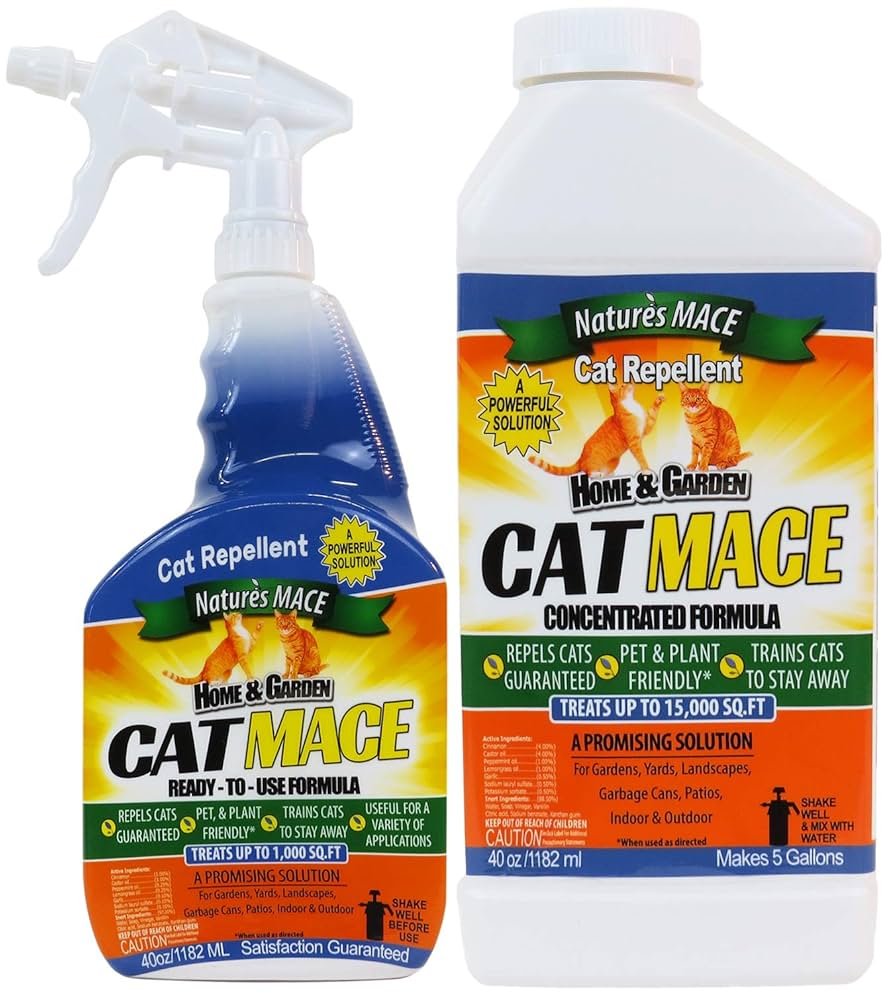
Use safe deterrents to keep cats away from unwanted areas. Try placing aluminum foil or double-sided tape on spots. Use citrus scents or commercial cat repellents near problem areas. Avoid harsh chemicals that can harm your cat. Change deterrents often to keep them effective.
Credit: purrfectgrooming.pet
When To Seek Professional Help
Sometimes, despite your best efforts, cat urine odor just won’t go away. You’ve cleaned, deodorized, and aired out your space, but the smell lingers. This is the moment to consider professional help to save your home’s comfort and freshness.
Persistent Odor Issues
If the smell remains strong even after multiple cleanings, it’s a clear sign that the odor has deeply penetrated surfaces like carpets, upholstery, or wood. DIY solutions can only reach so far; urine can soak into padding and subflooring, making it tough to eliminate completely.
Ask yourself: Have you noticed the smell returning after cleaning? Does the odor intensify in certain spots? These clues indicate that the problem needs more advanced treatment than household products can provide.
Professional Cleaning Services
Professional cleaners use specialized enzymes and equipment designed to break down urine molecules at the source. These services often include deep carpet cleaning, deodorizing treatments, and sometimes even replacing affected materials.
- High-powered steam cleaning removes trapped urine in deep layers.
- Enzyme treatments neutralize odor-causing bacteria effectively.
- Expert technicians can identify hidden problem areas you might miss.
Hiring professionals can save you time, effort, and frustration. They bring knowledge and tools that make your home smell fresh again—something you might struggle to achieve alone. Have you considered the value of a professional touch for your persistent odor problem?
Frequently Asked Questions
How Do I Remove Cat Urine Smell From Carpets?
Use an enzymatic cleaner designed for pet urine. Blot the area, apply cleaner, and let it sit. Avoid ammonia-based products, as they worsen odors. Repeat if needed until the smell disappears completely.
What Household Items Neutralize Cat Urine Odor?
White vinegar and baking soda are effective. Apply vinegar to the spot, let it dry, then sprinkle baking soda. Vacuum after it dries. This natural method breaks down urine molecules and neutralizes odors safely.
Can Cat Urine Odor Cause Health Problems?
Yes, prolonged exposure may cause respiratory issues and allergies. Urine contains ammonia and bacteria, which irritate lungs. Cleaning promptly and thoroughly reduces health risks for humans and pets.
How To Prevent Cats From Urinating Indoors Again?
Clean litter boxes regularly and place them in quiet areas. Use attractant litter and maintain a consistent cleaning schedule. Address stress or medical issues by consulting a vet to discourage indoor urination.
Conclusion
Getting rid of cat urine odor can be simple. Use the right methods. Clean the area immediately. Choose effective cleaning products. Natural solutions like vinegar can help. Baking soda absorbs odors well. Ensure the area is dry. Prevent future accidents by training your cat.
Regular cleaning maintains a fresh home. A clean home is a happy home. With these steps, enjoy a pleasant, odor-free space. Your cat will appreciate it too.