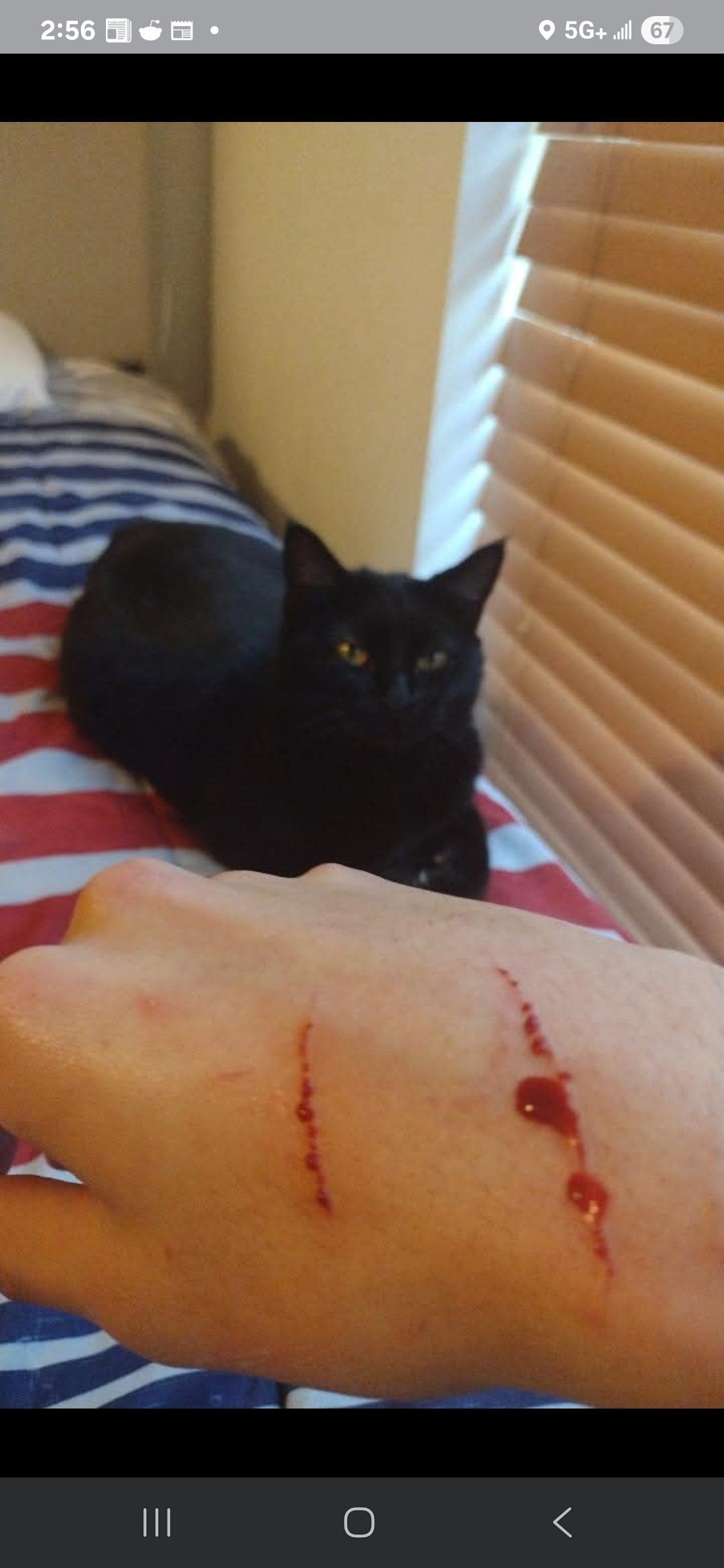
Have you ever looked down at your arm or leg and noticed a thin, silvery reminder of a playful afternoon with your feline friend? Cat scratch scars can be a pesky and persistent reminder of a moment's fun gone a bit too far.
But don’t worry, you’re not alone, and there are effective ways to minimize or even eliminate these marks. You're about to uncover simple, science-backed methods to help your skin heal beautifully. Imagine feeling confident in your skin again, without the constant reminder of those playful claws.
Ready to learn how? Keep reading, because your path to smoother, scar-free skin starts right here.
Causes Of Cat Scratch Scars
Cat scratches can leave marks that sometimes turn into scars. These scars form as the skin tries to heal after damage. Understanding what causes these scars helps in treating and preventing them effectively.
How Scratches Affect Skin
A cat scratch breaks the skin's surface. This causes injury to the outer layer and sometimes deeper layers. The body works to repair this damage quickly.
During healing, new skin cells grow to close the wound. Collagen, a protein, forms to strengthen the injured area. If the skin heals unevenly, a scar forms.
Scratches can also cause inflammation. This swelling can increase the chance of scar tissue development. The depth and severity of the scratch impact how the skin recovers.
Factors Influencing Scar Formation
Several factors affect how scars form after a cat scratch:
- Scratch depth: Deeper scratches often leave more noticeable scars.
- Location: Areas with thin skin or more movement tend to scar more.
- Infection: If the wound gets infected, healing slows and scars worsen.
- Skin type: Some people naturally scar more due to their skin's texture.
- Age: Younger skin usually heals better and scars less.
Proper care after a scratch reduces scar risk. Keeping the area clean and moist helps the skin heal smoothly.

Credit: www.reddit.com
Preventing New Scars
Preventing new scars from cat scratches starts with how you treat the wound right after the injury. Taking quick and careful action can reduce the chance of permanent marks. Your approach during the first few days will make a big difference in healing and scar formation.
Proper Wound Care
Clean the scratch immediately using mild soap and water. Avoid harsh scrubbing, which can irritate the skin and worsen the scar. Pat the area dry gently with a clean towel.
Keep the wound covered with a sterile bandage to protect it from dirt and further injury. Change the dressing daily or whenever it gets wet or dirty. This simple habit can speed up healing and reduce scarring.
Avoiding Infection
Infections can increase inflammation and lead to more noticeable scars. Watch for signs like redness, swelling, warmth, or pus around the scratch. If you notice these, consult a healthcare provider immediately.
Make sure your tetanus shots are up to date, especially if the scratch is deep. You might also want to apply an over-the-counter antibiotic ointment to prevent bacteria buildup. Keeping the wound clean and infection-free is key to smooth healing.
Using Protective Creams
Applying protective creams can shield your skin and support its repair. Look for products that contain ingredients like silicone, vitamin E, or aloe vera, which help reduce scar visibility. Use them regularly once the wound has closed.
Many people find that silicone gel sheets work wonders for flattening and fading scars over time. Have you tried any creams that made a difference for your skin? Consistency is crucial—apply the cream daily as instructed for the best results.
Home Remedies For Scar Reduction
Cat scratch scars can be stubborn and affect your skin’s appearance. Home remedies offer gentle ways to reduce these scars naturally. They support skin healing and improve texture without harsh chemicals. Consistent care is key to seeing real improvement. Below are simple, effective home treatments to help fade cat scratch scars.
Natural Oils And Moisturizers
Natural oils nourish skin and promote healing. They keep scars soft and reduce redness. Use oils rich in vitamins and antioxidants for best results.
- Coconut oil:Moisturizes and helps skin regenerate quickly.
- Rosehip oil:Contains vitamin A and fatty acids that improve skin texture.
- Vitamin E oil:Supports skin repair and fades discoloration.
Apply these oils gently on scars twice daily. Let them absorb fully for better effect. Moisturizers with aloe vera or shea butter also soothe and hydrate scarred skin.
Diy Treatments
DIY treatments use common kitchen ingredients that help lighten scars and boost healing. These are safe and easy to prepare at home.
- Honey mask:Natural antibacterial that softens scars and reduces inflammation.
- Lemon juice:Acts as a mild bleach to lighten dark scars (use sparingly and avoid sun exposure).
- Oatmeal scrub:Gently exfoliates dead skin and smoothens rough scar tissue.
Apply these treatments for 10-15 minutes, then rinse with warm water. Use 2-3 times a week for best results.
Massage Techniques
Massaging scars improves blood flow and breaks down tough scar tissue. It makes scars less noticeable over time.
- Use circular motions with your fingertips on the scar area.
- Apply gentle pressure but avoid pain or irritation.
- Massage for 5-10 minutes daily after applying oils or moisturizers.
Regular massage softens the skin and supports natural healing. It also helps products absorb deeper for better effect.
Over-the-counter Products
Dealing with cat scratch scars can be frustrating, but over-the-counter products offer accessible solutions that might help reduce their appearance. These products are designed to support your skin’s natural healing and can be easily found at local pharmacies or online. Let’s look at some popular options you can try at home to improve your skin’s texture and tone.
Silicone Gels And Sheets
Silicone gels and sheets are widely recommended by dermatologists for scar treatment. They create a protective barrier over the scar, which helps retain moisture and can soften and flatten the scar tissue over time.
Many users report noticeable improvement after consistent use, especially with raised or thick scars. The best part? They are simple to apply and usually cause no irritation, making them suitable even for sensitive skin.
Scar Fading Creams
Scar fading creams often contain ingredients like vitamin E, onion extract, or niacinamide, which can brighten the scar and blend it with the surrounding skin. These creams work by promoting cell regeneration and evening out discoloration.
Look for products with clear ingredient lists and positive user reviews. Remember, patience is key—visible changes may take several weeks, so consistent daily application is crucial.
Exfoliating Agents
Exfoliating agents like alpha hydroxy acids (AHAs) and beta hydroxy acids (BHAs) can help by removing dead skin cells and encouraging new skin growth. This process can gradually reduce the appearance of scars and improve skin smoothness.
Use these products carefully and avoid over-exfoliating, which can irritate your skin and worsen scars. Start with lower concentrations and observe how your skin reacts before increasing use.
Medical Treatments For Stubborn Scars
Sometimes, cat scratch scars can be stubborn, refusing to fade with simple home remedies. Medical treatments offer more powerful options to reduce their appearance effectively. These treatments target the scar tissue directly, helping to smooth skin texture and improve overall look.
Laser Therapy
Laser therapy uses focused light to break down scar tissue and stimulate new skin growth. You might feel a warm sensation during the procedure, but it's usually quick and requires little downtime. Many people see noticeable improvement after just a few sessions.
Have you considered how targeting the deeper layers of your skin could speed up healing? Laser treatment does just that, encouraging your body to replace old scar tissue with fresh, healthy cells.
Microneedling
Microneedling involves tiny needles creating micro-injuries in the scarred area. This triggers your skin’s natural repair process, boosting collagen production and softening the scar. It’s a minimally invasive option that you can combine with serums or platelet-rich plasma for enhanced results.
If you’re hesitant about lasers, microneedling offers a gentler alternative with fewer side effects. How would you feel about gradually improving your scars with small, controlled skin “injuries”?
Steroid Injections
Steroid injections are effective for thick or raised scars, reducing inflammation and flattening the scar tissue. The treatment usually requires multiple sessions spaced weeks apart. Many patients notice their scars becoming less red and less noticeable over time.
This option works well when scars feel hard or itchy. Have you noticed if your scars have changed texture or cause discomfort? Steroid injections might be worth discussing with your dermatologist.
Lifestyle Tips To Improve Skin Healing
Improving your skin's healing process after a cat scratch involves more than just topical treatments. Your daily habits play a crucial role in how quickly and effectively your skin recovers. Adjusting your lifestyle can boost collagen production, reduce inflammation, and minimize scar visibility.
Healthy Diet Choices
Your skin needs nutrients to repair itself. Focus on foods rich in vitamins A, C, and E, as they promote skin regeneration and fight oxidative stress. Leafy greens, citrus fruits, nuts, and seeds are excellent options to add to your meals.
Protein also supports healing since it helps rebuild damaged tissues. Include lean meats, fish, beans, or tofu in your diet to provide your body with essential amino acids. Have you noticed how your skin feels after eating a balanced meal versus junk food?
Hydration And Skin Care
Drinking enough water keeps your skin hydrated and elastic, which is vital for scar recovery. Aim for at least eight glasses of water a day to flush out toxins and maintain moisture levels.
Alongside hydration, gentle skin care helps avoid irritation. Use mild cleansers and moisturizers suited to your skin type. Avoid harsh scrubs or products with alcohol that could slow healing or worsen scars.
Sun Protection
Sun exposure can darken scars and make them more noticeable. Protect your healing skin by applying a broad-spectrum sunscreen with at least SPF 30 every day, even when it's cloudy.
Wearing hats or clothing that cover the affected area adds extra defense. Have you ever seen scars fade faster after consistent sun protection? Taking simple steps to shield your skin can make a significant difference.
When To See A Dermatologist
Knowing when to see a dermatologist is key to treating cat scratch scars properly. Some scars heal well at home, but others need expert care. Early professional advice can prevent long-term skin problems. Recognize signs that require medical attention to keep your skin healthy.
Signs Of Complications
- Redness or swelling that worsens over days
- Severe pain or tenderness around the scar
- Discharge or pus from the scratch area
- Fever or feeling unwell after the scratch
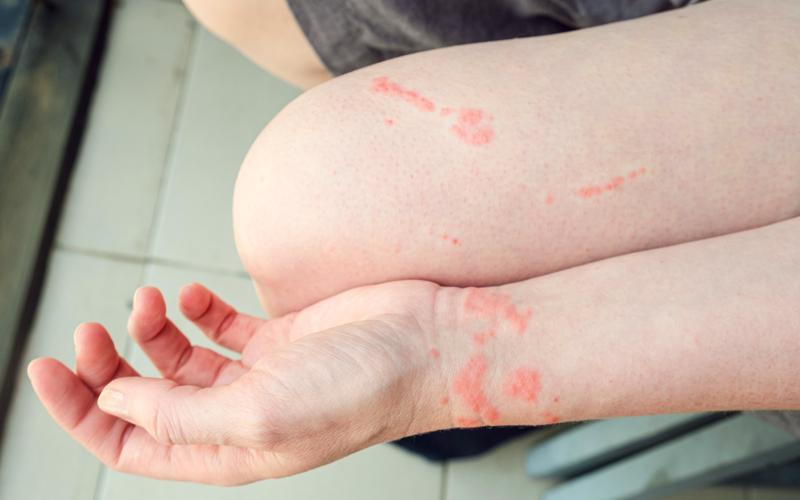
- Scar becomes raised, thick, or changes color
- Itching or irritation that does not improve
These signs suggest infection or abnormal healing. Do not ignore them. Early treatment can reduce scar damage and discomfort.
Professional Assessment And Options
A dermatologist examines the scar and skin condition carefully. They may suggest treatments like:
- Prescription creams to reduce redness and swelling
- Laser therapy to smooth and lighten scars
- Microneedling to stimulate skin repair
- Corticosteroid injections to flatten raised scars
- Advice on wound care to prevent new scars
Professional care helps achieve better skin results. It also prevents future problems from untreated scars.

Credit: www.ipb.ac.id
Credit: health.clevelandclinic.org
Frequently Asked Questions
How Long Do Cat Scratch Scars Take To Heal?
Cat scratch scars usually take several weeks to months to fade. Healing time depends on scar severity and skin type. Proper care and treatments speed up recovery and reduce scar visibility.
What Home Remedies Reduce Cat Scratch Scars?
Applying aloe vera, honey, or vitamin E oil can help reduce scars. These natural remedies promote healing and improve skin texture gently over time.
Can Scar Creams Remove Cat Scratch Scars Completely?
Scar creams help fade scars but rarely remove them entirely. Regular use of silicone gels or creams improves scar appearance and skin smoothness effectively.
When Should I See A Doctor For Cat Scratch Scars?
Consult a doctor if scars are painful, infected, or worsening. Medical advice is important for deep wounds or signs of infection to prevent complications.
Conclusion
Treating cat scratch scars takes time and care. Use gentle creams and keep skin clean. Protect scars from sun to avoid dark spots. Regular moisturizing helps skin heal faster. Patience is key—scars will fade slowly. Small steps every day make a difference.
Stay consistent and watch your skin improve. Remember, healthy skin shows your care. Keep your cat’s nails trimmed to prevent new scratches. Healing is possible with simple daily habits.