Has your home turned into a battleground against stubborn cat pee odors? You're not alone.
Many cat owners face the challenge of eliminating that unmistakable scent that seems to linger no matter what. But before you consider drastic measures like replacing your carpet or furniture, know that there are effective solutions that can truly help.
Imagine walking into your home and being greeted by a fresh, clean scent instead of that unwelcome odor. Intrigued? You're in the right place. In this guide, we'll dive into simple yet powerful methods to banish cat pee odors for good. Ready to reclaim the freshness of your home? Let's get started.
Sources Of Cat Pee Odor
Understanding where cat pee odor comes from in your home is the first step to tackling it effectively. The smell doesn’t just appear out of nowhere—it has specific sources and reasons why it sticks around. Knowing these can help you target your cleaning efforts and prevent the odor from returning.
Common Spots Cats Choose
Cats often pick certain places to pee that might surprise you. Apart from the litter box, they might target:
- Carpets and rugs:The soft texture feels comfortable, and the smell can soak deep into the fibers.
- Furniture:Sofas, chairs, and even beds can become victims, especially if your cat associates them with stress or territory marking.
- Corners and baseboards:Cats sometimes prefer hidden spots where their scent can linger without interruption.
- Clothing piles or laundry baskets:Your dirty clothes might attract your cat as an alternative bathroom.
Have you noticed any of these spots in your own home? It’s worth checking these areas closely, especially if the odor seems to come and go mysteriously.
Why The Smell Lingers
Cat urine contains ammonia and other compounds that create a strong, persistent odor. Simply wiping the surface usually isn't enough to remove it completely.
The urine can seep deep into porous materials like wood, fabric, and carpet padding, making the smell tough to eliminate. Even if you clean the surface, residues remain trapped inside.
Another reason is that cats are attracted back to their own scent. If you don’t fully remove the odor, your cat might mark the spot again, creating a cycle that's hard to break.
Are you using cleaners that only mask the smell instead of breaking down the urine compounds? Using enzyme-based cleaners can make a big difference by neutralizing the source of the odor.
Immediate Cleanup Steps
Dealing with cat pee odor in your home can feel overwhelming, especially if you don’t act quickly. The key to preventing the smell from setting in is immediate cleanup. This not only removes the stain but also stops the odor from becoming a long-term problem.
Blotting And Absorbing Liquids
Start by blotting the urine with paper towels or a clean cloth. Press down gently to soak up as much liquid as possible without rubbing, which can spread the stain.
If the spot is fresh, placing a thick layer of paper towels and applying pressure can draw out the urine effectively. You might need to repeat this several times with fresh towels.
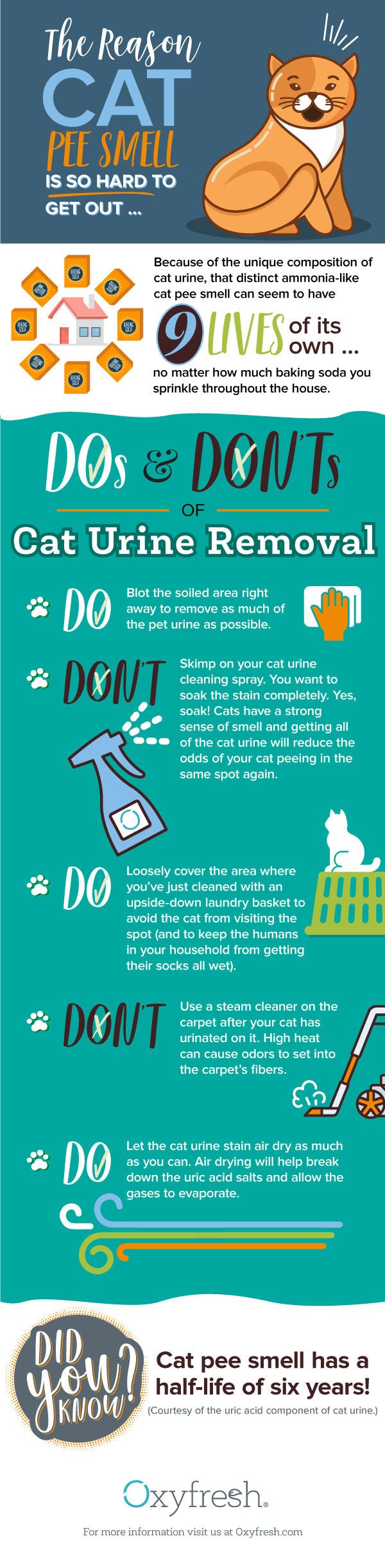
After blotting, sprinkle a generous amount of baking soda on the area. Baking soda helps absorb remaining moisture and neutralizes odors. Let it sit for at least 15 minutes before vacuuming.
Avoiding Common Cleaning Mistakes
Using ammonia-based cleaners is a big mistake. Cat urine contains ammonia, so these cleaners can actually attract your cat back to the same spot.
Another error is scrubbing the area hard. Aggressive scrubbing can push urine deeper into carpets and upholstery fibers, making it harder to remove.
Don’t wait to clean the mess, either. The longer urine sits, the more it soaks into porous surfaces like wood or fabric, creating a stubborn odor.
Have you ever tried a cleaner that seemed to make the smell worse? It’s often because it didn’t target the urine’s chemical makeup properly. Using enzyme-based cleaners designed specifically for pet stains is a much better choice to break down odor-causing molecules.
Effective Cleaning Solutions
Effective cleaning solutions target the root cause of cat pee odor. Removing the smell means breaking down the urine molecules. Simple water and soap often fail to do this. Specialized cleaners or natural remedies work better. They help freshen your home and prevent your cat from re-marking the spot.
Enzymatic Cleaners For Odor Removal
Enzymatic cleaners contain natural enzymes that digest urine compounds. These enzymes break down proteins and bacteria causing the bad smell. You can find them in sprays, gels, or powders. Use as directed for best results.
- Apply the cleaner generously on the stained area.
- Let it sit for at least 10-15 minutes to allow enzymes to work.
- Blot the area with a clean cloth to remove excess moisture.
- Repeat the process if the odor persists.
Enzymatic cleaners are safe for most surfaces and pets. They do more than mask the smell—they remove it completely.
Homemade Remedies That Work
Several household items help neutralize cat pee odor. These natural options are budget-friendly and easy to use.
- Baking Soda:Sprinkle on the stain, leave for 15-20 minutes, then vacuum.
- White Vinegar:Mix equal parts vinegar and water, spray the area, then blot dry.
- Hydrogen Peroxide:Combine 3% hydrogen peroxide with a teaspoon of dish soap, apply carefully, and blot.
Test homemade solutions on a small spot first. Some surfaces might discolor. These remedies reduce odor effectively and support a fresh home environment.
Credit: www.familyhandyman.com
Deep Cleaning Techniques
Getting rid of cat pee odor requires more than just a quick wipe. Deep cleaning techniques target the source of the smell, breaking down the urine molecules and preventing your pet from marking the same spot again. These methods work best when you address different surfaces properly, ensuring no hidden odor lingers in your home.
Carpet And Upholstery Care
Carpets and upholstery absorb cat urine quickly, making the odor tough to remove. Start by blotting the area with paper towels or a clean cloth to soak up as much urine as possible. Avoid rubbing, as it pushes the liquid deeper into the fibers.
Use an enzymatic cleaner designed specifically for pet urine. These cleaners break down the proteins and bacteria causing the smell rather than just masking it. Apply the cleaner generously and let it sit for at least 10-15 minutes before blotting again.
If the smell persists, sprinkle baking soda over the spot once dry, then vacuum it up after a few hours. Baking soda helps neutralize odors naturally. Have you checked under your furniture where your cat might have hidden their mess? It’s worth lifting cushions and rugs to inspect these areas.
Cleaning Hard Floors And Surfaces
Hard floors like tile, vinyl, or hardwood need a different approach. First, wipe up any fresh urine with paper towels. Then clean the area with a mild detergent and warm water to remove residue.
For stubborn odors, try a mixture of white vinegar and water (equal parts). Vinegar neutralizes ammonia in cat urine effectively. Spray the solution on the affected spot and let it air dry, but be careful using vinegar on natural stone floors as it can cause damage.
Once dry, consider applying an enzymatic cleaner here too. This extra step can prevent your cat from returning to the same spot. Have you noticed if the odor is stronger near baseboards or corners? These areas often trap urine and need focused attention.
Preventing Future Accidents
Stopping cat pee odors from coming back means focusing on preventing future accidents. This involves understanding your cat's behavior and making changes to their environment. Prevention saves you from constant cleaning and keeps your home fresh.
Behavioral Tips For Cats
Observe your cat’s habits closely. Is the litter box clean and easy to reach? Cats often avoid dirty or hard-to-access boxes, which can lead to accidents.
Try adding extra litter boxes around the house if you have multiple cats. Cats prefer privacy and space, so more boxes can reduce stress and accidents.
Also, pay attention to any changes in your cat’s routine or health. Sometimes, accidents signal medical issues or anxiety. Have you noticed any unusual behavior or signs of discomfort in your cat?
Using Deterrents And Repellents
Deterrents can help keep cats away from favorite accident spots. You can use safe, pet-friendly sprays that have smells cats dislike, such as citrus or eucalyptus.
Place these deterrents on furniture or corners where your cat tends to mark. Make sure the products are non-toxic and approved for indoor use.
Another option is to use physical barriers like double-sided tape or aluminum foil temporarily. Cats don’t like the texture, so this can discourage them from returning to certain spots.

Credit: smart.dhgate.com
When To Seek Professional Help
Sometimes, cat pee odor and stains become too tough to remove alone. Professional help can save time and effort. Experts use special tools and cleaners that work deep in carpets and furniture.
Knowing when to call a cleaning service prevents the smell from returning. It also protects your home and health. Here are signs that suggest professional help is needed.
Stubborn Odors And Stains
Odors that linger after cleaning need expert attention. Professionals detect hidden urine spots invisible to the eye. They use enzyme cleaners that break down urine molecules fully.
Stains that don’t fade with home methods require special treatment. Some urine marks soak deep into fibers and wood. Without proper cleaning, stains and smells return quickly.
Choosing The Right Cleaning Service
Select a service experienced in pet odor removal. Check if they use pet-safe, eco-friendly products. Ask about their methods for urine detection and cleaning.
- Look for companies with good customer reviews.
- Confirm they offer guarantees on odor removal.
- Compare prices and services before deciding.
- Ensure technicians are trained in handling pet stains.
Proper professional cleaning restores freshness and comfort to your home. It also keeps your cat’s environment clean and safe. Timely expert help makes a big difference.

Credit: beginagaindecon.com
Frequently Asked Questions
How Can I Remove Cat Pee Odor From Carpets?
Use an enzymatic cleaner designed for pet stains. Blot the area first, then apply the cleaner thoroughly. Avoid steam cleaning, as heat can set the odor. Repeat if needed until the smell disappears.
What Household Items Neutralize Cat Urine Smell?
White vinegar and baking soda are effective. First, blot the urine, then apply vinegar. After it dries, sprinkle baking soda and vacuum it up. This combination breaks down odor molecules naturally.
Why Does Cat Pee Odor Linger After Cleaning?
Cat urine contains ammonia and uric acid crystals that penetrate surfaces deeply. Improper cleaning leaves residues that release odors over time. Enzymatic cleaners are necessary to break down these compounds completely.
Can I Use Bleach To Eliminate Cat Pee Odor?
No, bleach can worsen the smell and harm surfaces. It reacts with ammonia in urine, creating stronger odors. Use enzymatic or pet-specific cleaners for safe, effective odor removal.
Conclusion
Getting rid of cat pee odor takes patience and the right steps. Clean the area quickly with an enzyme cleaner. Avoid using harsh chemicals that may harm your pet. Keep your cat’s litter box clean and in a quiet place.
Try to stop your cat from marking by giving them attention. Small changes can make your home smell fresh again. Stay consistent, and the odor will disappear for good. Your house will feel clean and comfortable once more.