Are black birds causing trouble around your home or garden? You’re not alone.
These birds can be noisy, messy, and even damage property if left unchecked. But don’t worry—getting rid of them doesn’t have to be complicated or stressful. You’ll discover simple and effective ways to keep black birds away for good. By the end, you’ll have clear steps to protect your space and enjoy peace of mind.
Keep reading—you’re about to take control of the problem.

Credit: www.pestsolutions.co.uk
Reasons To Remove Black Birds
Black birds can cause many issues around homes and businesses. Removing them helps protect property and health. Understanding the reasons to remove black birds is important for safe and clean surroundings.
Common Problems Caused By Black Birds
Black birds often gather in large groups. Their noise can disturb people and neighbors. They may damage roofs, gutters, and vents. Droppings can stain buildings and cars. These birds eat fruits and crops, harming gardens and farms. Their nests block drainage systems and vents, causing water damage or poor air flow. They can also scare away other wildlife.
Health And Safety Concerns
Black bird droppings carry harmful bacteria and fungi. These can cause diseases like histoplasmosis and salmonella. Droppings create slippery surfaces, increasing fall risks. Birds may carry parasites like mites and ticks. Their feathers and nests can trigger allergies. Bird activity near roads can distract drivers and cause accidents. Protecting health and safety means keeping black birds away from living areas.
Preventive Measures
Preventing black birds from becoming a nuisance starts with taking simple, proactive steps around your property. These measures focus on making your space less attractive and accessible to these birds. By addressing what draws them in, you can reduce their presence without needing harsh methods.
Eliminating Food Sources
Black birds are often attracted by easy access to food. Removing or securing bird feeders and trash bins can make a big difference.
- Use bird-proof containers for garbage and compost.
- Clean up fallen fruits or seeds from trees and plants regularly.
- Avoid leaving pet food outside.
I once noticed fewer black birds after switching to sealed compost bins and cleaning up dropped berries daily. Have you checked if your yard offers easy meals to these birds?
Securing Nesting Areas
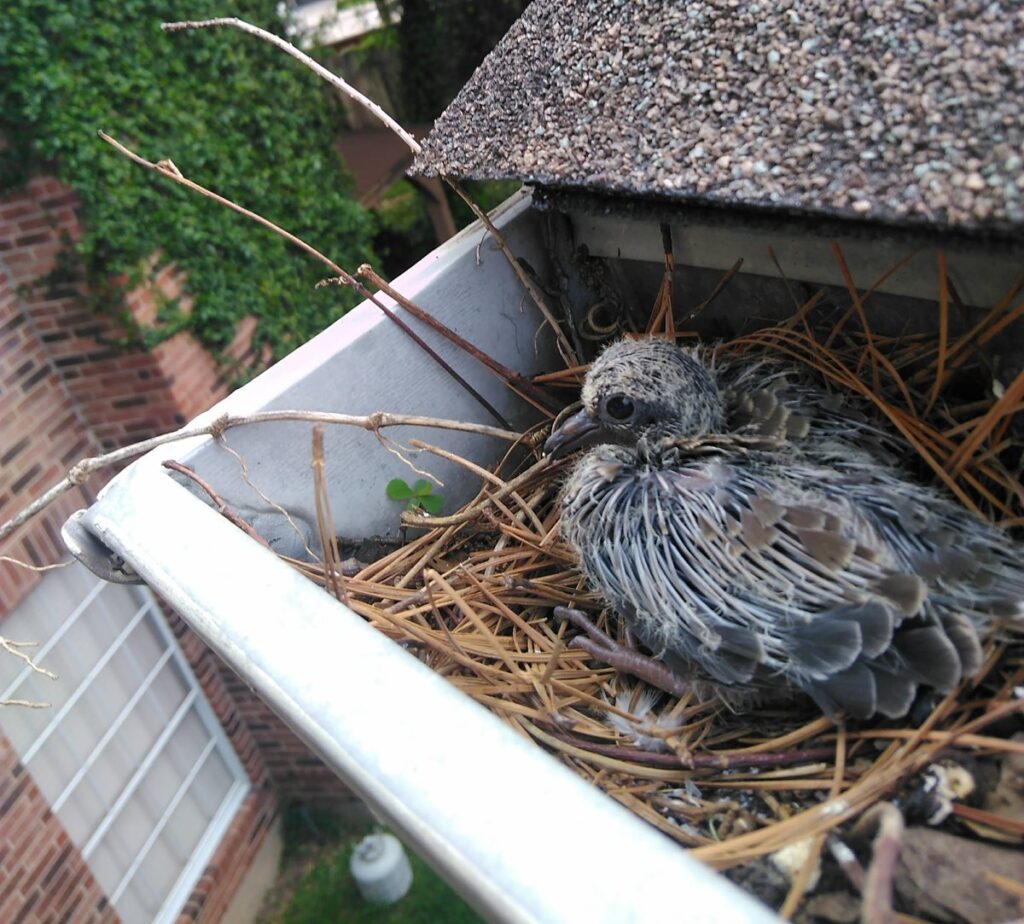
Black birds look for safe places to build nests. Blocking off potential nesting spots reduces their comfort and discourages them from settling.
- Inspect eaves, vents, and gutters, sealing gaps with mesh or netting.
- Trim dense bushes and tree branches near your home.
- Remove old nests promptly to discourage reuse.
After sealing my attic vents, I noticed the birds stopped trying to make nests there. Could your home be offering shelter without you realizing it?
Using Bird Deterrents
Deterrents are tools designed to discourage black birds from hanging around. Combining several types often works best.
- Install reflective tape or shiny objects to create movement and light reflections.
- Use sound devices that emit predator calls or distress signals.
- Place decoys of predators like hawks in visible spots.
One surprising insight I found was that birds quickly get used to static decoys. Changing their position regularly keeps the deterrents effective. Have you tried moving your deterrents around to keep the birds guessing?
Humane Deterrent Methods
Humane deterrent methods offer a way to keep black birds away without causing them harm. These approaches focus on encouraging birds to leave on their own by making your space less inviting. You can try several techniques that are effective and respectful to wildlife.
Visual Deterrents
Visual deterrents work by tricking birds into thinking there’s danger nearby. Reflective tape or shiny objects like old CDs can create flashes of light that unsettle black birds.
Placing fake predators such as plastic owls or hawk decoys can also scare birds off. But remember to move these objects around often, or birds will realize they aren’t a real threat.
Sound Repellents
Sound repellents use noises to disrupt birds’ comfort. Devices that emit predator calls or distress signals can make black birds feel unsafe.
Keep in mind that constant noise can bother you and your neighbors, so use timers or motion sensors to activate sounds only when birds are present.
Physical Barriers
Physical barriers stop black birds from landing or nesting in unwanted areas. You can install bird spikes on ledges or use netting to block access to fruit trees and gardens.
These barriers don’t hurt the birds but make it uncomfortable for them to stay. Have you tried combining barriers with visual or sound deterrents to increase effectiveness?
Safe Trapping Techniques
Safe trapping techniques are essential when you want to remove black birds without causing them harm. Using humane methods ensures that you protect wildlife and comply with local regulations. It also gives you peace of mind knowing the birds won’t suffer unnecessarily.
Types Of Traps
There are several traps designed specifically for catching birds safely. Cage traps and drop traps are popular because they capture birds without injury. Cage traps use bait to lure birds inside, while drop traps allow you to cover a group quickly.
You might also find net traps effective, but these require more skill to use correctly. Always choose traps made of smooth materials to avoid harming the birds’ feathers or legs. Think about the size of the birds you’re targeting—smaller traps might not work for larger black birds.
Setting Traps Correctly
Placing traps in the right spot is key to success. Look for areas where black birds frequently gather, such as near food sources or perching spots. Camouflage your trap with natural materials to make birds feel safe approaching it.
Check traps often to prevent stress or injury to trapped birds. Leaving a bird in a trap for too long can cause panic and harm. Remember to bait traps with food that black birds prefer, like seeds or fruit, to increase your chances.
Handling And Releasing Birds
Handling trapped birds carefully is crucial. Wear gloves to protect yourself and to avoid transferring oils or scents that might distress the birds. Gently cover the trap with a cloth to calm the bird before moving it.
Release birds in a safe area far enough from your property so they don’t return. Choose a location with plenty of food and shelter. Have you considered how your choices affect the local ecosystem? Safe release helps maintain balance without causing harm.
Chemical Solutions And Their Risks
Chemical solutions are a common choice to control black birds. These products aim to repel or deter birds from specific areas. They can be effective but carry certain risks. Understanding these risks is important before use. Safety for humans, pets, and the environment must be considered. Proper handling and application reduce potential dangers.
Types Of Bird Repellents
- Liquid Repellents:Sprays that create an unpleasant surface for birds.
- Gel Repellents:Sticky substances applied on ledges to prevent perching.
- Bird Poisons:Chemicals designed to eliminate birds but are hazardous and often illegal.
- Odor Repellents:Products emitting smells birds dislike, such as predator scents.
- Sound Repellents:Chemicals combined with noise to scare birds away.
Potential Hazards To Humans And Pets
Chemical repellents can irritate skin and eyes. Inhaling fumes may cause breathing problems. Pets may lick treated areas and get sick. Some products contain toxic ingredients harmful if swallowed. Children are at risk of accidental exposure. Long-term use can affect local wildlife and plants. Always follow label instructions carefully. Store chemicals out of reach of children and animals. Use gloves and masks during application. Consider safer alternatives for busy homes or yards with pets.
Credit: www.crittercontrol.com
Hiring Professional Help
Hiring professional help can be the best choice to get rid of black birds safely. Experts have experience and tools to handle bird problems effectively. They know how to protect your property and avoid harm to the birds.
Professionals assess the situation carefully before taking action. They use humane methods to keep birds away without causing injury. This service saves time and reduces stress for homeowners.
When To Call Experts
Call experts if black birds cause damage to your home or garden. Large flocks can create noise and mess that is hard to manage. If birds build nests in dangerous spots, professionals should intervene. Persistent bird problems that do not improve with DIY methods also need expert help.
What To Expect From Services
Professionals start with a detailed inspection of your property. They identify bird species and nesting areas. Experts then choose safe and effective removal methods. These may include:
- Bird netting to block entry points
- Visual deterrents like scare devices
- Sound repellents to discourage roosting
- Safe removal of nests if allowed by law
After treatment, experts offer advice to prevent future problems. They may schedule follow-up visits to check on progress. Expect clear communication about the process and results.
Legal And Ethical Considerations
Controlling black birds requires careful attention to legal and ethical standards. These guidelines protect wildlife and ensure humane treatment. Ignoring rules can lead to fines or harm to the environment. Respecting laws and ethics helps maintain balance in nature while addressing bird issues responsibly.
Local Wildlife Laws
Many areas have strict laws about handling black birds. Some species are protected under federal or state regulations. It is illegal to harm or kill them without proper permits. Check with local wildlife agencies before taking action. Understanding these laws prevents legal trouble and protects bird populations.
Permits may be required for bird control methods like trapping or relocating. Some cities ban certain deterrents or poisons. Following these rules keeps your bird control efforts safe and legal.
Ethical Bird Control Practices
Ethical control avoids causing unnecessary pain or suffering. Non-lethal methods are preferred to keep birds safe. Use humane deterrents such as:
- Visual scare devices
- Sound repellents
- Physical barriers like nets or spikes
Remove food sources and nesting spots to discourage birds naturally. Avoid poison or harmful traps. These can injure birds and other wildlife.
Humane practices respect animals and the environment. They balance bird control with compassion and care.

Credit: www.theguardian.com
Frequently Asked Questions
How Can I Naturally Repel Black Birds From My Yard?
Use bird-repellent plants like lavender or marigold to deter black birds. Reflective objects and wind chimes also scare them. Avoid leaving food scraps outside, as it attracts birds. Keeping the area clean reduces their interest in your yard.
What Are Safe Ways To Keep Black Birds Away?
Install bird spikes or netting to prevent black birds from landing. Use decoy predators like owls or hawk statues to scare them. Ultrasonic bird repellents emit sounds birds dislike but are inaudible to humans. These methods are humane and effective.
Why Do Black Birds Gather Around My House?
Black birds gather for food, shelter, or nesting. They are attracted to open garbage, fruit trees, or water sources. Overcrowding increases noise and mess, causing problems. Removing attractants and securing trash bins helps reduce their presence.
Can Bird Feeders Attract Black Birds Unwantedly?
Yes, bird feeders can attract black birds if placed improperly. Use feeders designed for smaller birds and avoid overfilling them. Place feeders away from areas you want to protect. Clean feeders regularly to prevent disease and discourage large bird gatherings.
Conclusion
Taking steps to deter black birds can improve your outdoor space. Simple strategies like using reflective objects and loud sounds work well. Keep your garden clean to reduce attractions for these birds. Installing bird spikes can prevent them from landing.
Remember to regularly monitor your efforts and adjust when needed. Patience is key in maintaining a bird-free zone. Your persistence will pay off with a more peaceful environment. Enjoy your garden without the constant presence of black birds.