Are you tired of your cat's sharp claws leaving marks on your skin? You're not alone.
Many cat owners face the challenge of dealing with unwanted scratches from their feline friends. It's not just about the physical discomfort; it can be frustrating when playtime turns into a painful encounter. But here's the good news: you can stop this behavior, and it's easier than you think.
Imagine a world where you and your cat enjoy each other's company without fear of scratches. Intrigued? Stick with us, and we'll share simple yet effective strategies to help you and your cat live in harmony. Your solution is just a few steps away.

Credit: www.reddit.com
Why Cats Scratch
Understanding why your cat scratches is key to managing their behavior. Scratching is more than just a habit; it’s a natural and important activity for cats. Knowing the reasons behind this action helps you respond in ways that respect your cat’s needs while protecting yourself.
Natural Instincts
Scratching is a deeply rooted instinct for cats. It helps them keep their claws sharp and healthy by removing the old outer layer. This behavior also allows them to stretch their muscles and relieve tension.
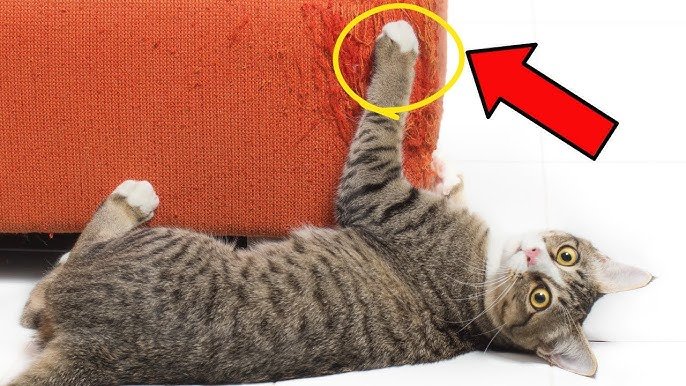
Have you noticed your cat scratching furniture or carpets? This is their way of marking territory because scratching leaves both a visual mark and a scent from glands in their paws. Understanding this can help you provide appropriate outlets for your cat’s scratching urges.
Communication And Play
Scratching is also a form of communication for cats. They use it to send messages to other cats or to you. Sometimes, your cat scratches you during play because they see your hands as moving toys.
Think about your last play session—did your cat suddenly swipe at your hand? This is often their way of expressing excitement or overstimulation. You can redirect this energy by offering toys that mimic prey and encourage healthy play without scratching you.
Stress And Anxiety
Stress can trigger more frequent or intense scratching in cats. When they feel anxious, scratching becomes a self-soothing activity that helps them regain a sense of control. Changes in their environment or routine often cause this stress.
If your cat scratches more after a move or a new pet arrival, consider ways to reduce their anxiety. Providing safe spaces, consistent routines, and interactive toys can ease their stress and reduce unwanted scratching. What changes in your cat’s environment might be causing their scratching behavior?

Credit: pethelpful.com
Identifying Triggers
Understanding what makes your cat scratch you is the first step to stopping the behavior. Identifying triggers helps you prevent those moments before they happen. It also strengthens your bond by showing your cat you respect their boundaries.
Common Situations
Notice when your cat tends to scratch. Is it during playtime, petting, or when you try to pick them up? Many cats scratch because they feel overstimulated or scared in certain spots or actions.
Think about these typical triggers:
- Sudden movements or loud noises
- Touching sensitive areas like the belly or tail
- Trying to stop your cat from running away
- Overly rough play with hands instead of toys
One cat owner shared how their cat scratched every time they reached near the tail. By avoiding that area, the scratches almost stopped completely. What patterns do you see with your cat?
Body Language Clues
Your cat talks with their body before the scratch happens. Look for signs like:
- Twitching tail or ears turning back
- Flattened whiskers or wide eyes
- Sudden stiffening or hissing sounds
These clues often mean your cat feels threatened or uncomfortable. Recognizing these signals lets you pause and change your approach.
Have you noticed your cat's body language before a scratch? Paying attention can save your skin and make your cat feel safer.
Preventing Scratching
Stopping your cat from scratching you starts with preventing the behavior before it happens. Understanding why cats scratch and managing their environment can make a big difference. You can protect your skin and keep your bond with your cat strong by taking simple, practical steps.
Regular Nail Trimming
Keeping your cat’s nails short reduces the damage caused by scratching. Trim their nails every 1-2 weeks using a pet nail clipper designed for cats. If your cat resists, try gently wrapping them in a towel to keep them calm.
Regular trimming also helps your cat feel more comfortable and less likely to scratch out of irritation. Have you noticed that your cat is less playful when their nails are too long? That’s a sign it’s time for a trim.
Providing Scratching Posts
Cats need to scratch—it’s natural and healthy. Giving your cat a variety of scratching posts directs their scratching to acceptable places. Place posts in areas your cat frequents, like near windows or their sleeping spots.
Try different materials like sisal, cardboard, or carpet to see which your cat prefers. Reward your cat with treats or praise when they use the posts to encourage the habit. Have you checked if your cat’s scratching post is tall or sturdy enough? Sometimes, the right post makes all the difference.
Using Soft Nail Caps
Soft nail caps are small covers that you glue onto your cat’s nails to prevent scratching injuries. They are safe, painless, and usually last 4-6 weeks before needing replacement. These caps protect your skin without limiting your cat’s natural scratching behavior.
Applying them can be tricky at first, but with patience, your cat will adjust. Would you consider trying nail caps as a temporary solution while training your cat to use scratching posts? Many cat owners find this a helpful tool.

Credit: www.reddit.com
Training Techniques
Training techniques help change your cat’s scratching habits. Patience and consistency are key. Cats respond well to clear signals and rewards. Teaching them gently improves your bond. Use training to guide your cat’s behavior away from scratching you.
Positive Reinforcement
Reward good behavior immediately. Use treats, praise, or petting to show approval. This makes your cat want to repeat positive actions. Avoid punishment; it can cause fear or aggression. Focus on encouraging gentle play and calm interactions.
Redirecting Behavior
Offer alternatives to scratching you. Provide scratching posts or toys nearby. When your cat starts to scratch, gently move them to the post. Use toys to distract and engage their attention. Redirecting helps satisfy their scratching needs safely.
Consistent Commands
Use the same words or sounds to stop scratching. Say “No” or “Stop” firmly but calmly. Repeat the command every time your cat scratches you. Consistency helps your cat learn what behavior is not allowed. Combine commands with redirection and rewards for best results.
Improving Interaction
Improving how you interact with your cat can greatly reduce scratching incidents. Understanding your cat’s mood and needs helps you create a bond based on trust rather than fear. Small changes in your approach can turn playtime into a positive experience for both of you.
Gentle Play Tips
Use toys like feather wands or laser pointers to keep your hands at a safe distance. This helps your cat focus on the toy instead of your fingers. Try short, frequent play sessions to keep your cat engaged without overwhelming them.
Switch toys often to maintain your cat’s interest. You can also hide treats inside puzzle toys to encourage gentle interaction. Your cat will learn to play without using claws on you.
Avoiding Overstimulation
Watch for signs that your cat is getting tired or annoyed during play. Tail flicking, flattened ears, or sudden biting are clues to stop. Stopping before your cat becomes overstimulated prevents scratching.
Limit petting sessions to what your cat enjoys. Some cats only like short strokes on the head or chin. Respecting their boundaries reduces frustration and scratching.
Recognizing Warning Signs
Learn to spot when your cat is about to scratch. Dilated pupils, twitching whiskers, or a sudden freeze in movement often come just before a scratch. Recognizing these signals can help you pause and calm your cat.
Have you noticed your cat’s subtle cues before a scratch? Paying close attention to these signs will give you time to change your behavior or redirect their energy. This awareness strengthens your relationship and keeps both of you safe.
When To Seek Help
Knowing when to seek help for a cat's scratching behavior is important. Scratching can be normal, but persistent or aggressive scratching needs attention. Early help can protect both you and your cat from stress and injury.
Behavioral Issues
Scratching may signal deeper behavioral problems. Your cat might feel scared or anxious. Sometimes, boredom or lack of exercise causes aggressive scratching. Watch for changes in mood or habits. Unusual aggression or fear can mean your cat needs behavioral support.
Veterinary Consultation
Visit a vet if scratching seems painful or out of control. Health issues like skin allergies or infections may cause scratching. The vet can check for injuries or illnesses. Professional advice helps find the root cause and proper treatment. Do not ignore sudden or severe scratching episodes.
Frequently Asked Questions
Why Does My Cat Scratch Me Suddenly?
Cats scratch to communicate or play. Sudden scratching often means overstimulation or fear. Observe body language and avoid rough play to reduce scratching.
How Can I Stop My Cat’s Scratching Behavior?
Provide scratching posts and toys. Use positive reinforcement for gentle play. Trim nails regularly and avoid using hands as toys.
Are There Safe Ways To Trim My Cat’s Nails?
Yes, use cat-specific nail clippers. Trim only the sharp tips, avoiding the quick. Regular trimming reduces scratching and keeps nails healthy.
Can Stress Cause My Cat To Scratch More?
Yes, stress increases scratching. Cats scratch to relieve anxiety. Create a calm environment, provide hiding spots, and maintain routine to reduce stress.
Conclusion
Stopping your cat from scratching takes patience and care. Watch your cat’s behavior closely. Give your cat plenty of toys to play with. Teach your cat gentle touch by using calm voices. Trim your cat’s nails regularly to reduce damage.
Always reward good behavior with praise or treats. Avoid rough play that may encourage scratching. Over time, your cat will learn to be gentler. Keep trying these steps daily for best results. Your cat can become a loving, scratch-free friend.