Is your cat refusing to eat wet food, leaving you worried about their nutrition? You’re not alone.
Many cat owners struggle with this challenge, but the good news is there are simple, effective ways to encourage your feline friend to enjoy wet food. You’ll discover easy tips and tricks that can make mealtime more appealing for your cat.
Keep reading, and you’ll soon see your furry companion happily lapping up their wet meals.
Credit: lifeandcats.com
Benefits Of Wet Food
Wet food offers many benefits for your cat’s health and happiness. It provides essential nutrients, helps with hydration, and often tastes better to picky eaters. Understanding these benefits can help encourage your cat to enjoy wet food more.
Nutritional Advantages
Wet food contains high protein levels, which cats need for energy. It often has fewer carbohydrates than dry food. This helps keep your cat’s weight healthy. Wet food also includes essential vitamins and minerals. These support your cat’s overall health and immune system.
Hydration Support
Cats often do not drink enough water. Wet food has a high moisture content, usually around 75-80%. This helps keep your cat hydrated naturally. Proper hydration supports kidney health and digestion. It can also reduce the risk of urinary tract problems.
Palatability Factors
Wet food has a strong aroma that attracts cats. Its soft texture is easier to chew, especially for older cats. Many cats find wet food more appealing than dry kibble. This can encourage them to eat more regularly. Wet food often comes in various flavors to suit your cat’s taste.
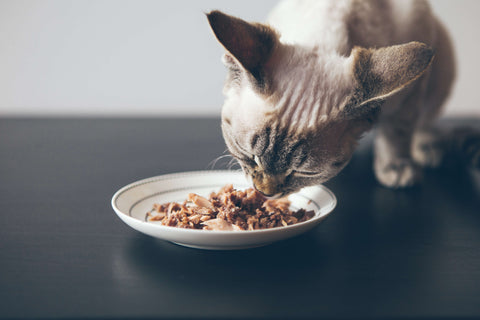
Credit: www.yummybowl.com
Choosing The Right Wet Food
Choosing the right wet food for your cat can make a huge difference in encouraging them to eat it. Cats can be very particular about what they like, so understanding their preferences and nutritional needs is key. Let’s look at how flavor, texture, and ingredient quality play a role in finding the perfect wet food for your feline friend.
Flavor Varieties
Cats often have strong preferences for certain flavors. Some prefer the taste of chicken, while others might favor fish or beef. Offering a few different flavors can help you discover what excites your cat’s taste buds.
Have you noticed your cat’s reaction when you open a can? That can be a great clue. Try rotating flavors to keep mealtime interesting and watch for any favorites that emerge.
Texture Options
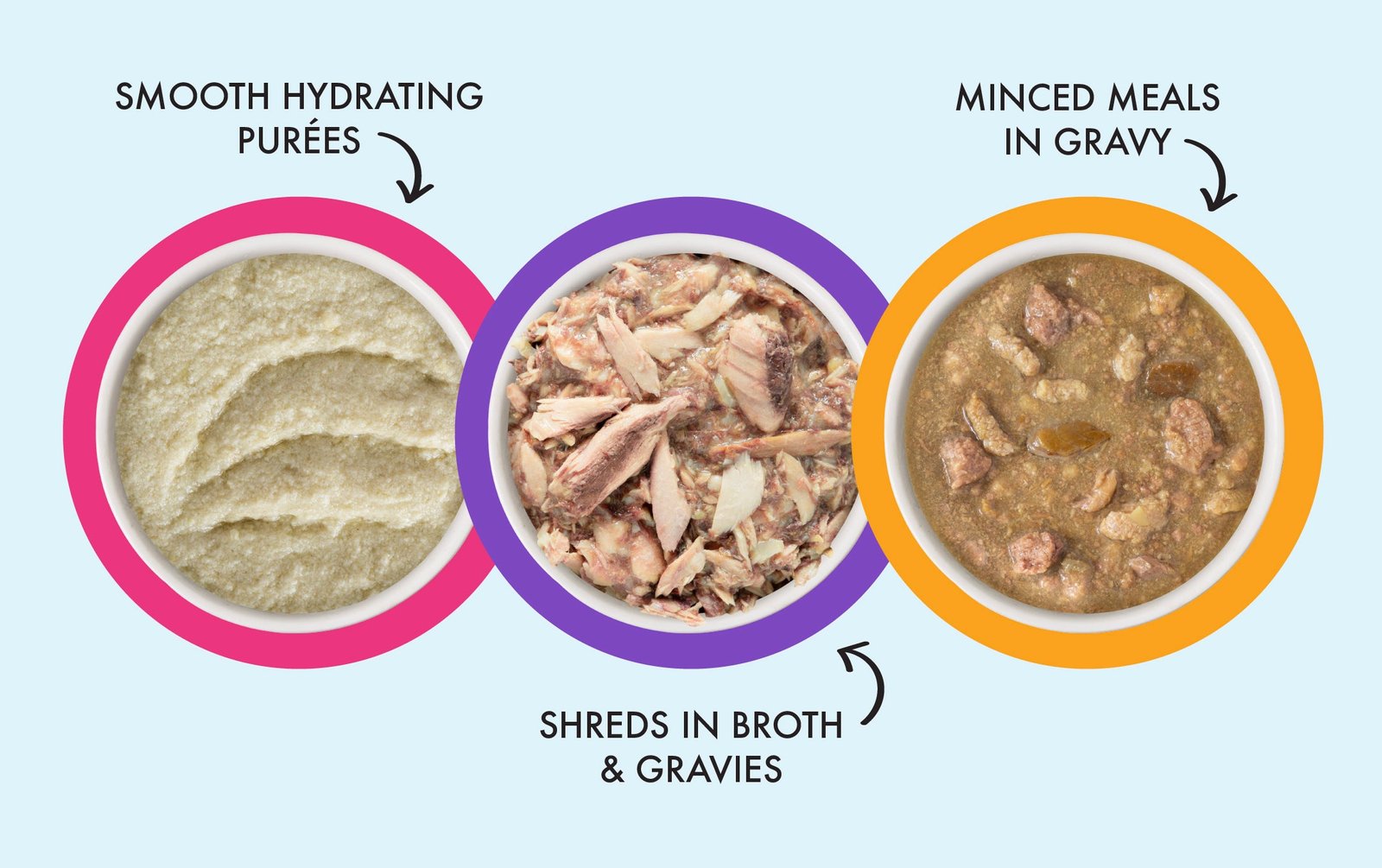
Texture matters just as much as flavor. Some cats love pate, which is smooth and soft, while others prefer chunks or shredded pieces in gravy. It’s worth experimenting to see what your cat finds easiest and most enjoyable to eat.
If your cat refuses wet food, try warming it slightly to release aromas or mixing textures to create a more appealing meal. Texture can even influence how quickly your cat eats, so pay attention to their eating habits during your trials.
Quality Ingredients
Ingredients impact not only taste but also your cat’s health. Look for wet foods that list real meat or fish as the first ingredient. Avoid foods with too many fillers like corn or soy, which offer little nutritional value.
Have you checked the label recently? Foods rich in natural proteins and essential nutrients support your cat’s energy and coat health. Choosing high-quality wet food means you’re feeding more than just a meal—you’re supporting your cat’s overall well-being.
Gradual Transition Techniques
Switching your cat to wet food takes patience and care. A sudden change can upset their stomach or make them refuse food. Gradual transition techniques help your cat adjust comfortably. These methods blend old and new foods slowly, encouraging acceptance. Watch your cat’s behavior closely during the switch. Small steps lead to better results and happier meals.
Mixing Wet And Dry Food
Start by adding a small amount of wet food to dry food. Mix them well so the flavors combine. Use about 25% wet food and 75% dry food at first. Serve this mix during meal times. Gradually increase the wet food portion over several days. This blend familiarizes your cat with the new texture and taste.
Slow Increase Method
Increase the wet food quantity slowly each day. Add only a little more than the day before. Watch for any signs of upset stomach or refusal. This slow increase helps your cat’s digestive system adjust. Keep the feeding routine consistent to build comfort. Avoid rushing the process to prevent stress.
Monitoring Cat’s Response
Observe your cat’s eating habits carefully during the transition. Notice if they finish their food or leave some behind. Check for any vomiting, diarrhea, or changes in behavior. If your cat resists, pause the increase and maintain the current ratio. Praise and gentle encouragement can help them accept wet food. Patience is key to a smooth transition.
Making Wet Food More Appealing
Making wet food more appealing helps encourage cats to enjoy their meals. Cats often reject wet food due to texture, temperature, or scent. Small changes can make a big difference in their interest. Enhancing the food’s aroma and taste can attract even picky eaters. Creating a comfortable feeding space supports a positive eating experience.
Warming The Food
Warming wet food releases its aroma and makes it more inviting. Heat the food slightly to mimic the temperature of fresh prey. Use a microwave for about 5 to 10 seconds. Stir the food well to avoid hot spots that can burn your cat’s mouth. Test the temperature before serving to ensure it is lukewarm.
Adding Toppers Or Broth
Toppers add extra flavor and texture to wet food. Use plain cooked chicken, tuna flakes, or small amounts of cheese. Mix in a little low-sodium chicken broth to increase moisture and scent. Avoid using onions, garlic, or seasonings harmful to cats. These additions make meals tastier and more exciting.
Changing Feeding Environment
Place the food bowl in a quiet, comfortable spot. Reduce noise and distractions during mealtime. Use a shallow dish to make eating easier for your cat. Try feeding in different locations to find a preferred spot. Keep the feeding area clean and fresh to encourage regular eating.
Addressing Common Challenges
Getting your cat to eat wet food can sometimes feel like a puzzle. There are a few common challenges that often stand in the way. Understanding these can help you find the right approach to make mealtime smoother for both you and your feline friend.
Picky Eating Habits
Many cats develop strong preferences for certain textures or flavors. If your cat refuses wet food, try offering different brands or flavors to find one they like. Warming the food slightly can also enhance its aroma, making it more appealing.
Have you noticed if your cat prefers pate over chunks or vice versa? Paying attention to these details can make a big difference. Sometimes mixing a small amount of wet food with their favorite dry kibble helps ease the transition.
Health Concerns
Your cat's refusal to eat wet food might be linked to health issues. Dental problems, for example, can make chewing uncomfortable, causing them to avoid certain textures. A quick vet check can rule out any underlying pain or illness.
Also, cats with sensitive stomachs may react differently to certain ingredients. Look for wet foods with simple, high-quality ingredients and avoid those with fillers or artificial additives. Have you checked if your cat’s appetite changes after meals or during specific times?
Behavioral Issues
Sometimes, your cat’s eating habits are shaped by stress or changes in their environment. New pets, loud noises, or even moving the food bowl can cause hesitation. Try feeding in a quiet, familiar spot to create a comfortable routine.
Rewarding your cat with gentle praise or petting when they try wet food can encourage positive associations. Do you notice if your cat eats better when you’re nearby or if they prefer solitude? Understanding their behavior helps you adjust your approach effectively.
When To Consult A Vet
Knowing when to seek professional advice is crucial if your cat refuses wet food. Sometimes, the issue goes beyond simple preference and could signal health problems. Paying attention to certain signs can help you decide when it’s time to consult your vet.
Persistent Refusal To Eat
If your cat refuses wet food for several days despite your efforts to make it appealing, it’s a red flag. Cats typically won’t starve themselves unless something is wrong. You might notice them turning away from their bowl or showing disinterest even after trying different flavors or textures.
Have you noticed your cat avoiding food for more than 48 hours? That’s when a vet visit becomes important to rule out dental issues, infections, or other underlying causes.
Weight Loss Or Health Decline
Rapid or noticeable weight loss is a serious concern. When your cat’s coat looks dull, energy levels drop, or they seem lethargic, these can be signs of poor nutrition or illness. Wet food often provides essential moisture and nutrients, so refusal might affect their overall health quickly.
Watch for changes like vomiting, diarrhea, or unusual behavior. These symptoms paired with eating issues require immediate veterinary attention to identify and treat the problem before it worsens.
Special Dietary Needs
If your cat has specific health conditions like kidney disease, diabetes, or allergies, their diet needs careful management. Sometimes, a refusal to eat wet food may be linked to discomfort or reactions to ingredients. Your vet can recommend suitable wet food options or alternatives tailored to your cat’s condition.
Consulting a vet ensures your cat gets the right nutrients safely. It also helps you avoid feeding something that might worsen their health or trigger symptoms you didn’t expect.

Credit: www.youtube.com
Frequently Asked Questions
How Can I Transition My Cat To Wet Food?
Start by mixing small amounts of wet food with dry food. Gradually increase wet food over 7-10 days. This helps your cat adjust to new textures and flavors without stress.
What Flavors Of Wet Food Do Cats Prefer?
Cats usually like poultry, fish, or beef flavors. Experiment with different brands and textures like pate or chunks. Variety helps find your cat’s favorite and encourages eating.
How Often Should I Feed My Cat Wet Food?
Feed wet food twice daily in small portions. Keep servings fresh and discard leftovers after two hours. Regular feeding helps maintain routine and prevents food spoilage.
Can I Mix Wet Food With Dry Kibble?
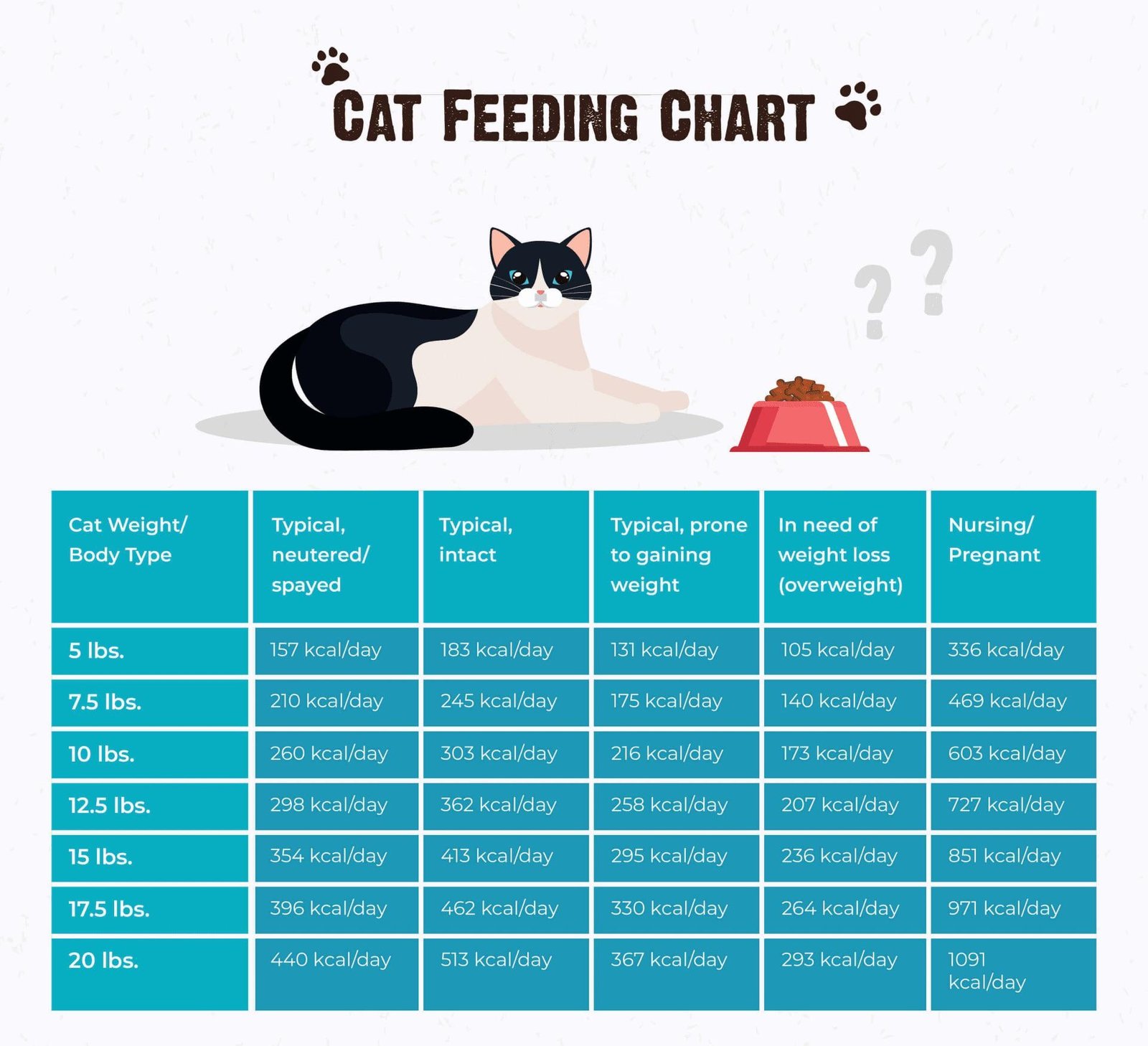
Yes, mixing wet and dry food can ease transition. It adds moisture and improves palatability. Ensure the total daily portion meets your cat’s dietary needs.
Conclusion
Getting your cat to enjoy wet food takes patience. Start with small portions. Mix with their favorite dry food if needed. Gradually increase the wet food amount. Observe your cat's reactions closely. Adjust the strategy based on their preferences. Cats have unique tastes.
Sometimes, a little trial and error helps. Stay calm and persistent. Your furry friend's health and happiness matter most. With these tips, you can encourage a balanced diet. And a happy, healthy cat. Enjoy the journey with your feline companion.