Is your male dog peeing inside the house and leaving you frustrated? You’re not alone, and the good news is, you can fix this.
Understanding why your dog is marking or having accidents is the first step to stopping it for good. In this post, you’ll discover simple, effective techniques to help your dog learn where to go—and keep your home clean and fresh.
Keep reading, because the solution is easier than you think, and your dog will thank you for it.

Credit: www.youtube.com
Reasons Male Dogs Pee Indoors
Male dogs may pee inside the house for several reasons. Understanding these reasons helps solve the problem faster. Peeing indoors is not always about bad behavior. Sometimes, dogs have natural or health causes. This section explains common reasons why male dogs pee inside.
Marking Territory
Marking territory is a natural behavior for male dogs. They use urine to show their presence. This behavior is stronger in unneutered dogs. New smells or visitors can trigger marking. It helps dogs feel secure in their space. Sometimes, marking looks like random peeing inside.
Medical Issues
Health problems can cause indoor peeing. Urinary tract infections make it hard to hold urine. Kidney problems also increase urination. Diabetes can cause frequent peeing. Older dogs may lose bladder control. A vet check can find these medical issues.
Anxiety And Stress
Stress can make dogs pee indoors. Changes in the home cause anxiety. Loud noises or new people upset dogs. Separation anxiety leads to accidents inside. Stress affects bladder control in dogs. Calm and safe environment reduces this behavior.
Lack Of Proper Training
Many male dogs pee indoors from poor training. Puppies need time to learn house rules. Missing regular bathroom breaks causes accidents. Consistent training teaches dogs where to pee. Clear commands and praise help learning. Training stops unwanted indoor peeing habits.
Credit: pethelpful.com
Effective Training Techniques
Stopping your male dog from peeing inside the house takes more than just patience—it requires consistent and effective training techniques. These strategies help your dog understand where it’s okay to go and build habits that last. Let’s look at practical ways you can train your dog to keep your home clean.
Establishing A Routine
Dogs thrive on routine. Set specific times for bathroom breaks, such as first thing in the morning, after meals, and before bedtime. Consistency helps your dog learn when and where to pee.
Try to take your dog to the same spot each time. The familiar scent will encourage him to go there again. Have you noticed how your dog signals when it needs to go out? Watch for these cues to avoid accidents.
Positive Reinforcement
Reward your dog immediately after it pees outside. Use treats, praise, or playtime to show that going outdoors is a good thing. This positive association motivates your dog to repeat the behavior.
Ignore accidents inside the house instead of punishing. Negative reactions can confuse your dog and damage trust. Have you tried praising your dog right after it pees outside? That instant feedback is powerful.
Crate Training
Crate training creates a safe space for your dog and helps control accidents. Dogs naturally avoid soiling their sleeping area, making a crate an effective tool for house training. Make sure the crate is comfortable and not used for punishment.
Limit your dog’s time outside the crate gradually as it learns to hold its bladder. How long can your dog stay in the crate without accidents? Adjust the schedule as needed to build bladder control.
Using Commands
Teach your dog simple commands like “go potty” or “do your business.” Use these words consistently during bathroom breaks to create a clear connection. Over time, your dog will understand what you expect.
Combine commands with rewards to reinforce learning. Be patient—some dogs take longer to respond. Have you noticed your dog reacting to specific words? This shows progress and opens doors for better communication.
Managing Behavior With Environment
Managing your male dog's behavior by adjusting his environment can make a big difference in stopping indoor peeing. Dogs often respond strongly to their surroundings, so small changes can prevent accidents before they happen. You have the power to guide your dog’s habits by shaping where and how he spends his time inside your home.
Limiting Access To Certain Areas
One of the simplest ways to control where your dog pees is by restricting his access to problem spots. Use baby gates or close doors to keep him out of rooms where he tends to urinate. This not only protects your floors but also helps your dog learn which places are off-limits.
If you notice your dog targets a specific corner or carpet, block that area completely. Sometimes, just changing his roaming space reduces accidents significantly. Have you tried observing when and where your dog pees most often? Limiting access at those times can help reset his habits.
Cleaning And Removing Odors
Dogs return to spots that smell like pee, so thorough cleaning is crucial. Use enzymatic cleaners designed to break down urine molecules instead of regular detergents. These products remove odors that your nose might miss but your dog’s nose detects instantly.
Don’t just wipe the surface; clean deeply into carpets and furniture. Even small traces of odor can encourage repeat accidents. Think about the last time you cleaned an accident spot — could the smell still be inviting your dog back?
Using Deterrents
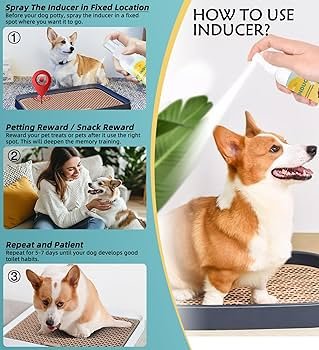
Deterrents can discourage your dog from peeing indoors by making certain areas less appealing. You can try placing aluminum foil, double-sided tape, or plastic mats with nubs in spots where he frequently pees. Dogs often dislike the texture and will avoid those areas.
There are also safe sprays that taste bitter or have scents dogs dislike, which you can apply to problem zones. Be sure to test these in small areas first to avoid damaging your furniture or flooring. Have you considered combining deterrents with positive reinforcement to encourage outdoor peeing?

Credit: www.amazon.co.za
Health And Vet Considerations
Health and vet care play a key role in stopping a male dog from peeing inside. Sometimes, peeing indoors signals an illness or discomfort. Vet visits help find these issues early. Taking care of your dog's health supports good bathroom habits and comfort.
Checking For Urinary Infections
Urinary infections cause frequent and sudden urges to pee. This can lead to accidents inside the house. Symptoms include straining, blood in urine, or licking the genital area. A vet can test urine to confirm an infection. Treatment usually involves antibiotics. Treating infections quickly stops unwanted peeing and pain.
Neutering Benefits
Neutering reduces marking and roaming behaviors. It lowers the hormone levels that cause territorial peeing. Many male dogs stop peeing inside after neutering. The procedure also improves overall health and lifespan. Neutering is a common step to help control indoor peeing.
Regular Vet Checkups
Routine vet visits catch health problems early. Conditions like bladder stones or diabetes affect bathroom habits. Vets can advise on diet and lifestyle to support urinary health. Regular checkups keep your dog healthy and less likely to pee indoors. Prevention is better than treating accidents later.
Dealing With Anxiety-related Peeing
Anxiety can cause male dogs to pee inside the house. This behavior is a way for dogs to express stress or fear. Understanding and managing anxiety helps reduce indoor accidents. Focus on calming your dog and changing their environment.
Identifying Triggers
Watch your dog closely to find what causes anxiety. Common triggers include:
- Loud noises like thunderstorms or fireworks
- New people or animals in the home
- Being left alone for long periods
- Changes in routine or environment
Keep a diary of incidents to spot patterns. Recognize these triggers early to prevent stress-related peeing.
Calming Techniques
Use simple methods to help your dog feel safe:
- Offer a quiet, cozy space with familiar bedding
- Use calming scents like lavender or chamomile
- Play soft music designed for dogs
- Spend extra time petting and reassuring your dog
- Exercise daily to reduce overall stress
Consistency is key. Regular calming routines lower anxiety and peeing episodes.
Professional Help
Seek advice from a vet or animal behaviorist if anxiety persists. They can:
- Rule out medical causes for peeing
- Recommend behavior therapy or training
- Suggest safe medication for severe anxiety
Professional guidance ensures your dog’s health and comfort improve over time.
Frequently Asked Questions
Why Does My Male Dog Pee Inside The House?
Male dogs may pee indoors due to marking, anxiety, or incomplete house training. Medical issues can also cause indoor urination. Identifying the cause helps in applying the right training or treatment to stop this behavior effectively.
How Can I Train My Male Dog To Stop Peeing Indoors?
Consistent house training with positive reinforcement works best. Take your dog outside frequently, reward outdoor peeing, and clean accidents promptly. Avoid punishment; instead, use patience and routine to teach proper bathroom habits.
Can Neutering Reduce My Male Dog's Indoor Urination?
Yes, neutering often decreases marking behaviors linked to hormones. It can reduce territorial peeing, but training and environment management are also essential. Consult your vet for advice about neutering and behavior improvement.
What Cleaning Products Remove Dog Urine Smell Effectively?
Use enzymatic cleaners designed for pet urine. They break down odor-causing molecules, preventing repeat marking. Avoid ammonia-based cleaners, as they smell similar to urine and may encourage peeing indoors.
Conclusion
Helping your male dog stop peeing indoors takes patience. Stick to a routine and be consistent. Reward good behavior with treats and praise. Clean messes promptly to remove odors. Consider vet visits for health checks. Training aids like belly bands can help.
Remember, your dog learns over time. Stay calm and patient. Changes won't happen overnight. Keep practicing and your hard work will pay off. Your home will be a happier place for both you and your dog.