
If your large dog pulls on the leash every time you go for a walk, you know how frustrating—and even exhausting—it can be. You want to enjoy peaceful strolls, not feel like you’re being dragged down the street.
The good news? You can teach your dog to walk calmly by your side, making walks more enjoyable for both of you. Keep reading, and you’ll discover simple, effective steps to stop leash pulling for good—without stress or confusion. Your next walk could be the start of a whole new experience.
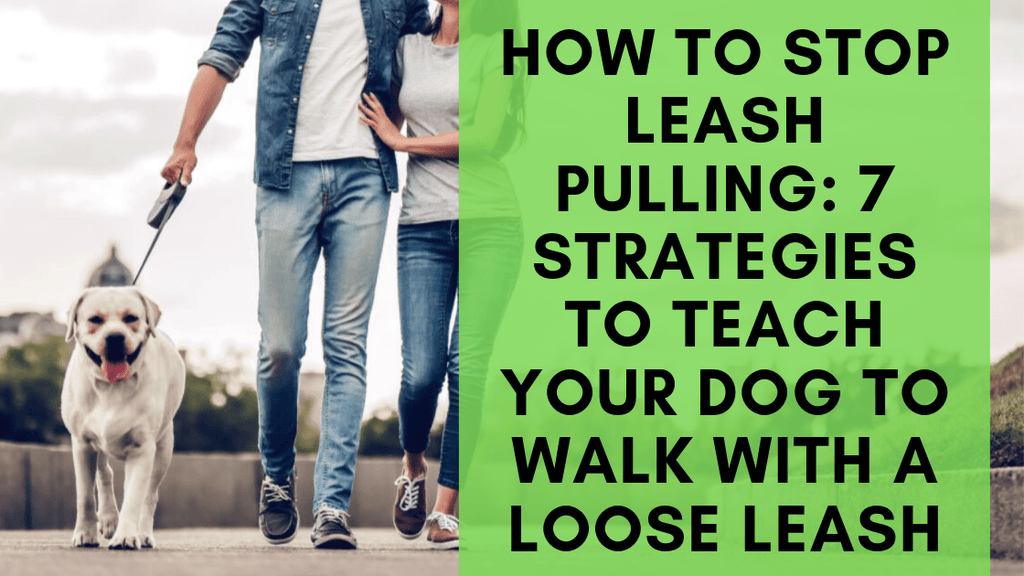
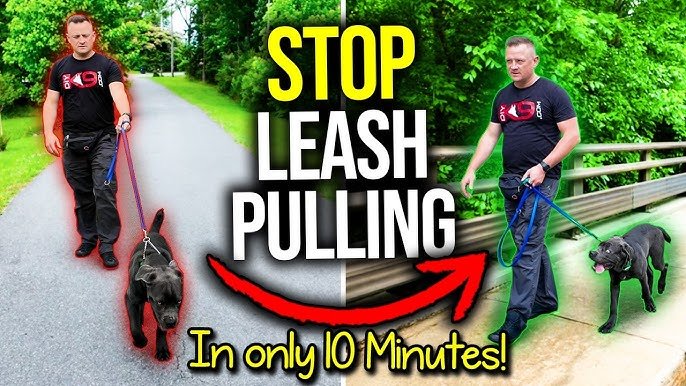
Credit: www.monsterk9.com
Reasons Dogs Pull
Dogs pull on the leash for many reasons. Understanding these reasons helps to address the behavior. Large dogs often have strong instincts and energy that make pulling common. Training and the environment also play key roles in leash manners.
Natural Instincts
Dogs have a natural urge to explore. Their senses guide them to new smells and sounds. Pulling helps them reach interesting places faster. This instinct is stronger in large breeds with high energy. They want to lead the way during walks.
Lack Of Training
Many dogs pull because they never learned proper walking manners. Without clear rules, dogs think pulling is normal. Consistent training teaches dogs to walk calmly. Training also helps dogs understand their owner’s pace and control.
Distractions On Walks
Walks have many distractions like other animals, people, and noises. These distractions grab a dog’s attention quickly. Dogs may pull to get closer or investigate. Large dogs feel more excited and may pull harder. Managing distractions helps reduce pulling behavior.

Credit: pupford.com
Choosing The Right Equipment
Choosing the right equipment plays a key role in stopping your large dog from pulling on the leash. The correct gear helps guide your dog gently and keeps walks safe and comfortable. Proper tools also reduce strain on your dog's neck and your arms. Picking equipment that fits well and suits your dog’s size makes training easier and more effective.
Harness Types
Harnesses come in several designs, each serving a different purpose.
- Front-clip harness:The leash attaches at the chest, which helps steer your dog toward you.
- Back-clip harness:The leash attaches on the back, good for calm dogs but less control for pullers.
- Dual-clip harness:Offers clips on both front and back for flexibility in training.
Choose a harness that fits snugly but is not too tight. Look for padded straps to avoid chafing.
Leash Options
Leash type affects control and comfort during walks.
- Standard leash:Usually 4 to 6 feet long, giving good control without too much slack.
- Adjustable leash:Allows length changes, useful for different training phases.
- Slip leash:Tightens when your dog pulls, but use carefully to avoid harm.
Choose a leash made from strong, durable material. It should feel comfortable in your hand and not cause friction burns.
Avoiding Harmful Gear
Certain equipment can hurt your dog or make pulling worse.
- Avoid choke chains; they can injure the neck and throat.
- Steer clear of prong collars; they cause pain and fear.
- Do not use retractable leashes; they encourage pulling and reduce control.
Pick gear that promotes positive training and keeps your dog safe. Comfort and safety always come first.
Basic Training Techniques
Training a large dog to stop pulling on the leash requires patience and clear methods. Basic training techniques help your dog learn good walking habits. These techniques build trust and improve control during walks.
Teaching Loose Leash Walking
Loose leash walking means your dog walks beside you without pulling. Start in a quiet area with few distractions. Hold the leash firmly but with slack. If your dog pulls, stop walking immediately. Wait until the leash is loose again. Then move forward slowly. Repeat this often. Your dog learns that pulling stops the walk. Walking calmly brings rewards.
Using Positive Reinforcement
Positive reinforcement rewards good behavior. Use treats, praise, or toys when your dog walks nicely. Give rewards right after your dog walks without pulling. This helps your dog connect good walking with rewards. Keep training sessions short and fun. Consistency helps your dog understand what you want. Avoid punishment, as it may cause fear or confusion.
Stopping And Starting Method
This method teaches your dog to pay attention to your pace. When your dog pulls, stop walking immediately. Stand still and wait calmly. Do not pull back on the leash. Wait until your dog relaxes and the leash loosens. Then start walking again. Repeat this every time your dog pulls. Your dog learns pulling stops the fun. Walking calmly keeps the walk going.
Advanced Training Tips
Advanced training techniques can make a huge difference when your large dog keeps pulling on the leash. These methods go beyond basic commands and require you to stay sharp and responsive during walks. They help you regain control and build better communication with your dog.
Change Direction Technique
One powerful way to stop leash pulling is by changing direction the moment your dog starts to pull. Instead of resisting, turn and walk the opposite way. This sudden change catches your dog’s attention and teaches them that pulling won’t get them where they want to go.
Try this consistently: as soon as tension builds on the leash, switch directions calmly but firmly. Your dog will quickly learn that walking nicely keeps the walk moving forward smoothly. This technique also keeps you alert and engaged, turning walks into interactive training sessions rather than battles.
Incorporating Commands
Adding clear commands during your walk can reinforce good leash behavior. Use simple words like “heel,” “stop,” or “easy” to signal what you want your dog to do next. Be consistent with your commands so your dog understands and anticipates what’s expected.
Pair these commands with treats or praise when your dog responds correctly. This creates a positive association that motivates your dog to stay close without pulling. Have you noticed how some dogs respond better to verbal cues combined with rewards? This combo often speeds up progress.
Consistency And Patience
Consistency is crucial when training a large dog to walk calmly on a leash. Make sure everyone who walks your dog uses the same commands and techniques. Mixed signals confuse your dog and slow down the learning process.
Patience is just as important. Large dogs have strength and energy that can be overwhelming, but rushing training often backfires. Keep sessions short and frequent, and celebrate small wins. How can you stay patient when your dog tests your limits? Remember, steady progress beats quick fixes every time.
Managing Excitement And Distractions
Managing your large dog’s excitement and distractions during walks is key to stopping leash pulling. Dogs often pull because they’re eager to explore or overwhelmed by stimuli. Helping your dog stay calm and focused will make walks more enjoyable and controlled for both of you.
Pre-walk Exercise
Before you even clip on the leash, give your dog a chance to burn off some energy. A quick game of fetch or a short run in the yard can help reduce excess excitement. When your dog is calmer at the start, they are less likely to pull once the walk begins.
I once had a dog that would bolt as soon as the door opened. Adding 10 minutes of playtime before the walk made a huge difference. The dog was more relaxed, and we could walk without constant tugging.
Focus Exercises
Training your dog to pay attention to you amidst distractions is crucial. Teach simple commands like “look” or “watch me” and reward your dog when they maintain eye contact. This builds a habit of checking in with you instead of pulling toward every sight or smell.
- Start indoors with minimal distractions
- Gradually increase the difficulty outside
- Use treats or a favorite toy as motivation
Have you noticed your dog’s focus drift at the park? Practice these exercises regularly to keep their attention on you, even when exciting things happen around.
Gradual Exposure To Stimuli
Sudden encounters with other dogs, people, or noises can trigger pulling. Introduce your dog slowly to these distractions at a distance where they remain calm. Gradually decrease the distance over multiple sessions while rewarding calm behavior.
This step-by-step exposure helps your dog build confidence and reduces reactive pulling. It’s not about avoiding distractions but helping your dog handle them better. How close can your dog get to a busy street without pulling? Start there and take small steps forward.
Common Mistakes To Avoid
Training a large dog to stop pulling on the leash can be challenging, especially if you unknowingly make common mistakes. These errors can slow progress and frustrate both you and your dog. Recognizing and avoiding these pitfalls is key to smoother, more enjoyable walks.
Pulling Back On The Leash
Many owners try to control pulling by tugging back on the leash. This often makes the dog pull harder, turning it into a tug-of-war. Instead of increasing resistance, try teaching your dog to walk calmly beside you using positive reinforcement.
Have you noticed that pulling back sometimes excites your dog more? This reaction happens because they see it as a game or challenge. Focus on rewarding good behavior rather than reacting to pulling.
Inconsistent Training
Consistency is crucial when training a large dog. If you allow pulling sometimes but correct it other times, your dog will get confused. Dogs learn best when the rules are clear and always enforced.
Think about your schedule—are you consistent every walk? Even small lapses can undo progress. Setting a daily routine and sticking to the same commands helps your dog understand what you expect.
Ignoring Small Improvements
Progress with leash training is often gradual. It’s easy to overlook small wins and get discouraged. Celebrate every moment your dog walks without pulling, no matter how brief.
Have you rewarded your dog for even a few steps of loose leash walking? These moments build confidence and reinforce good habits. A little patience and praise go a long way in shaping better behavior.
When To Seek Professional Help
Knowing when to seek professional help can make a big difference in training your large dog to stop pulling on the leash. Sometimes, despite your best efforts, progress stalls or behavior worsens. Recognizing those moments early can save you frustration and keep your walks safe and enjoyable.
Recognizing Training Limits
You may have tried various techniques, but your dog’s pulling persists or gets worse. This could mean you’ve hit a training limit where your dog’s behavior needs more specialized attention.
Ask yourself:
- Does your dog react aggressively or fearfully during walks?
- Are training sessions causing stress for you or your dog?
- Is progress very slow or non-existent despite consistent effort?
If you answered yes to any of these, it’s a strong sign to seek help beyond self-training. Professional trainers have tools and experience that can address complex behavior patterns.
Choosing A Trainer
Finding the right trainer matters just as much as deciding to get help. Look for someone who specializes in large breeds and positive reinforcement methods.
Consider these points:
- Check reviews and ask for recommendations from other large dog owners.
- Ensure the trainer uses humane, reward-based techniques rather than punishment.
- Ask about their experience with leash-pulling specifically.
Meeting the trainer beforehand can help you gauge if their style matches your dog’s needs and your expectations.
Benefits Of Professional Guidance
Professional trainers offer tailored plans that address your dog’s unique behavior and triggers. This personalized approach often leads to faster, more reliable results.
They can teach you effective handling skills and provide ongoing support as you practice. This partnership boosts your confidence and strengthens your bond with your dog.
Have you noticed how a fresh perspective can uncover issues you missed? A professional can identify subtle problems and guide you in managing them effectively.

Credit: www.amazon.ca
Frequently Asked Questions
How Can I Stop My Large Dog From Pulling?
Use consistent leash training with positive reinforcement. Teach your dog to walk beside you. Reward calm behavior during walks. Avoid tugging back, which encourages pulling. Using a no-pull harness can also help control pulling effectively.
What Is The Best Leash For Large Dogs?
A strong, durable leash made of nylon or leather works best. Avoid retractable leashes as they encourage pulling. A leash 4 to 6 feet long provides control and freedom. Pair it with a no-pull harness for better training results.
Why Do Large Dogs Pull On The Leash?
Large dogs pull due to excitement, energy, or lack of training. They may want to explore or lead the walk. Pulling often happens when they don’t understand proper leash manners. Consistent training teaches them better walking behavior.
How Long Does It Take To Train Leash Pulling?
Training duration varies but expect 4 to 6 weeks for progress. Regular daily sessions of 10-15 minutes improve results. Patience and consistency are key to successful leash training. Celebrate small improvements to keep motivation high.
Conclusion
Training a large dog to stop pulling on the leash takes patience. Consistency is key. Start with short, focused sessions. Praise your dog for good behavior. Use treats as rewards. A calm voice helps maintain control. Remember, dogs respond to body language too.
Practice makes perfect. Over time, you’ll see improvement. Stay patient and positive. Enjoy your walks together more. Your bond will grow stronger. Soon, leash pulling will be a thing of the past. Happy walking!