You've just walked into your home, and there it is again—that unmistakable, lingering odor of cat urine. It's not just unpleasant; it's downright frustrating.
Whether you're a seasoned cat owner or a new pet parent, dealing with this persistent smell can feel like an uphill battle. But don't worry, you're not alone, and there's hope! In this guide, we’re diving into practical and effective strategies to banish that odor for good.
Imagine walking into a fresh-smelling home, where the only evidence of your furry friend is their adorable face and not their scent. Ready to make that a reality? Keep reading, because the secret to a fresh home is just a few scrolls away.
Identify Urine Spots
Before you can remove the cat urine smell from your house, you need to find exactly where your cat has been marking. Identifying these urine spots can be tricky, especially if the stains are old or hidden. Pinpointing the exact locations helps you target your cleaning efforts and prevents the smell from lingering.
Use Black Light For Detection
A black light is a powerful tool for spotting cat urine stains that are invisible to the naked eye. When you turn off the lights and shine a black light around your home, urine spots will glow a bright yellow-green color.
This method is especially useful on carpets, furniture, and hardwood floors where stains can blend in. Don’t forget to check under cushions, behind appliances, and along baseboards—cats often choose these hidden spots.
Have you ever found a stubborn smell only to discover the black light revealed a spot you never noticed? It’s a game changer for thorough cleaning.
Check Common Areas
Cats tend to urinate in areas they feel comfortable or where they have easy access. Focus on places like:
- Near litter boxes that might be dirty or too small
- Corners of rooms, especially in bathrooms or laundry areas
- Under furniture or along walls where scent marking happens
- Entryways or spots your cat uses frequently
Sometimes, cats choose spots because of stress or medical issues. Have you noticed your cat avoiding the litter box lately? This could hint at where you should inspect closely.
By carefully checking these common areas, you reduce the chance of missing hidden urine stains and keep your home fresh and clean.

Credit: purrifiedair.com
Initial Cleaning Steps
Removing cat urine smell starts with quick and careful cleaning. Fresh stains need prompt attention to stop odors from setting in. This section explains how to clean the area right after the accident. Following these steps improves the chances of fully eliminating the smell.
Blot The Area
Grab paper towels or a clean cloth to blot the wet spot. Press down gently to absorb as much urine as possible. Avoid rubbing because it spreads the stain and pushes it deeper. Keep blotting with fresh towels until no more liquid comes up.
Avoid Harsh Chemicals
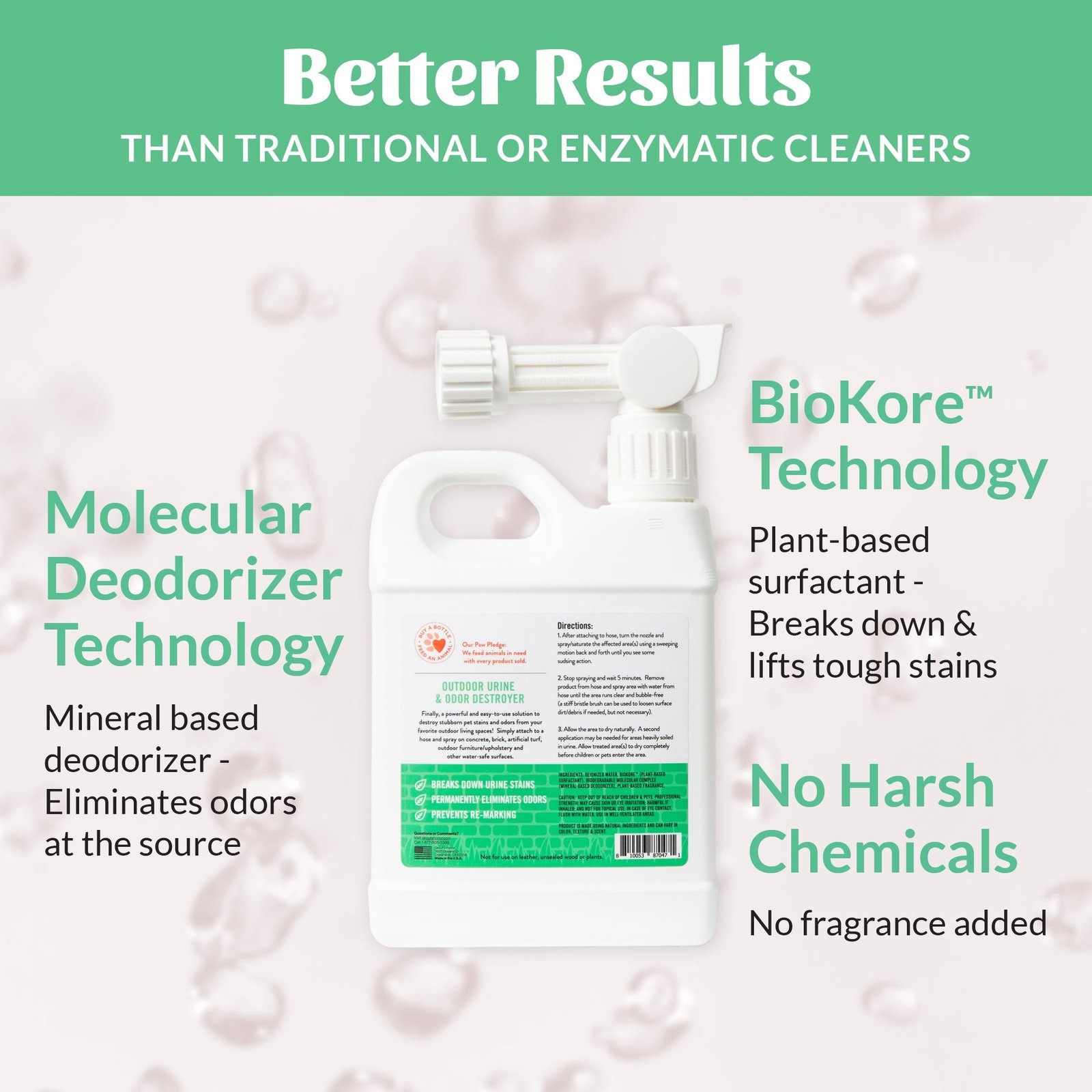
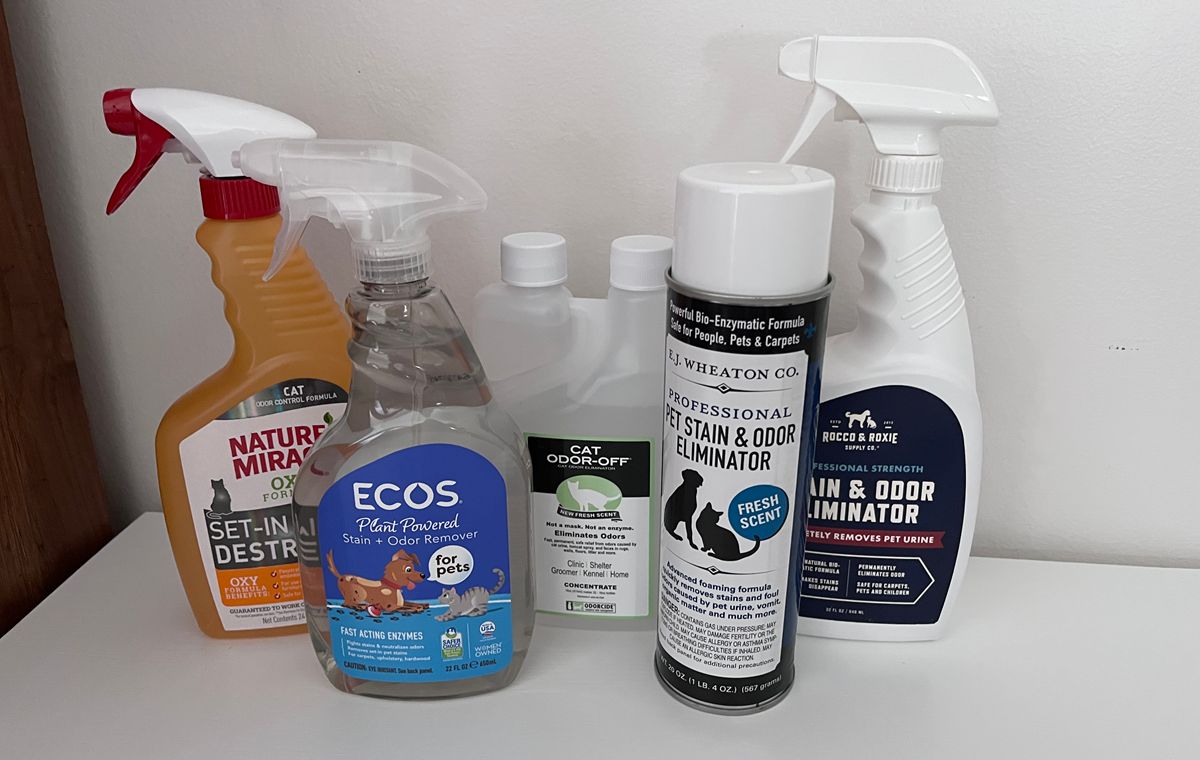
Strong cleaners like bleach or ammonia can make the smell worse. These chemicals may also harm your floors or carpets. Choose enzyme-based cleaners designed for pet stains instead. They break down urine molecules and stop odors naturally.
Effective Cleaning Solutions
Removing cat urine smell requires strong and reliable cleaning solutions. Ordinary cleaning products often fail to break down the urine’s odor molecules. Using effective cleaners helps eliminate the smell completely and prevents cats from marking again. Choose products that target the source of the odor, not just cover it up.
Enzyme Cleaners
Enzyme cleaners use natural bacteria to break down urine proteins. This process removes the smell and stains at the root. They work well on carpets, upholstery, and hard floors. Spray the cleaner generously on the affected area. Let it sit for at least 10 minutes to allow enzymes to work. Blot the area with a clean cloth afterward. Repeat if the smell remains strong.
Enzyme cleaners are safe for pets and humans. They do not contain harsh chemicals. Using them regularly can stop cats from returning to the same spot.
Diy Vinegar And Baking Soda Mix
Make a simple cleaning solution with vinegar and baking soda. Vinegar neutralizes the ammonia in cat urine. Baking soda absorbs odors and lifts stains. Mix equal parts white vinegar and water in a spray bottle. Spray the urine spot well and let it dry for 5 to 10 minutes.
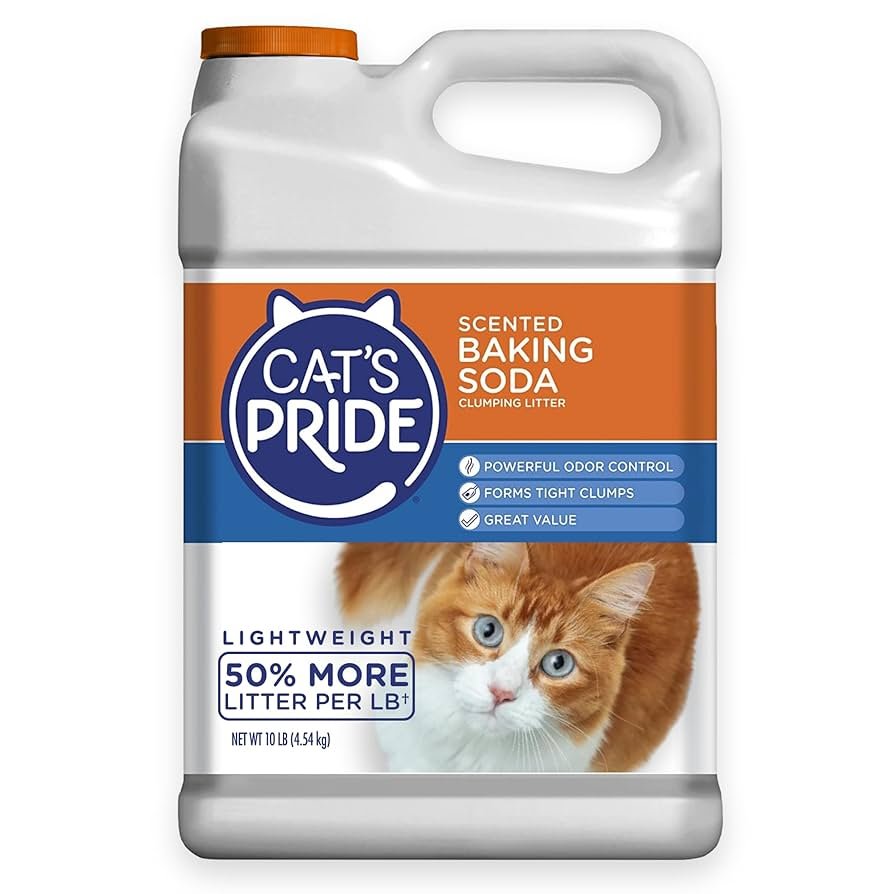
After drying, sprinkle baking soda on the area. Let it sit for several hours or overnight. Vacuum the baking soda thoroughly. Repeat the process if needed. This homemade mix is affordable and easy to use. It is also safe for most surfaces and pets.

Credit: www.amazon.com
Deep Cleaning Techniques
Removing cat urine smell requires more than surface cleaning. Deep cleaning reaches the source of the odor. It breaks down urine crystals and bacteria hiding in fabrics and floors. This section explains effective deep cleaning techniques for a fresh home.
Carpet And Upholstery Care
Carpet and upholstery absorb urine quickly. Treat these areas carefully for best results.
- Blot the urine spot with paper towels. Press firmly to soak up liquid.
- Mix a solution of white vinegar and water. Use equal parts for strong odor removal.
- Apply the vinegar mix to the stained area. Let it sit for 5 to 10 minutes.
- Sprinkle baking soda over the spot. It helps neutralize the smell.
- Use a vacuum cleaner to remove the baking soda. Repeat if needed.
- Use an enzymatic cleaner designed for pet urine. Follow the product instructions closely.
- Allow the upholstery to air dry completely. Avoid heat which can set odors.
Hard Floor Cleaning
Hard floors need special attention to remove urine smell deeply.
- Wipe the area with paper towels to absorb fresh urine.
- Mix warm water with a few drops of dish soap. Use a mop or cloth to clean the floor.
- Rinse the floor with clean water to remove soap residue.
- Apply a mixture of water and white vinegar to the floor. Vinegar breaks down urine crystals.
- Let the vinegar solution sit for 5 minutes, then wipe dry.
- Use an enzymatic cleaner on grout or porous surfaces. These cleaners break down odors at a molecular level.
- Dry the floor thoroughly to prevent moisture buildup and mold.
Preventing Future Accidents
Stopping cat urine smells starts with preventing future accidents. If you don’t address the root causes, the problem will keep coming back. Your cat’s environment and habits play a big role in where they choose to go.
Litter Box Maintenance
Keeping the litter box clean is the first step to preventing accidents. Cats are picky about their bathroom spots. If the box smells or is dirty, your cat might look elsewhere.
- Clean the litter box daily by scooping out clumps and waste.
- Wash the box with mild soap once a week to remove odors.
- Use unscented, clumping litter that your cat likes.
- Place the litter box in a quiet, accessible spot away from noisy appliances.
Think about how you feel using a dirty bathroom. Would you want to go there every day? Your cat feels the same way.
Behavioral Tips
Sometimes accidents happen because of stress or changes in your cat’s routine. Cats mark territory with urine when they feel uneasy.
- Keep a consistent daily schedule for feeding and playtime.
- Provide vertical spaces like cat trees or shelves to help your cat feel secure.
- Introduce new pets or changes slowly to reduce anxiety.
- Reward your cat with treats or praise when they use the litter box correctly.
Have you noticed your cat acting differently before an accident? Watching their behavior closely can help you spot problems early and stop them from becoming habits.
Air Freshening Tips
Getting rid of cat urine smell is crucial, but freshening the air afterward creates a welcoming space again. Air freshening goes beyond just masking odors; it involves neutralizing and replacing unwanted scents with clean, inviting ones. Let’s look at simple, effective ways you can freshen your home air naturally and practically.
Natural Deodorizers
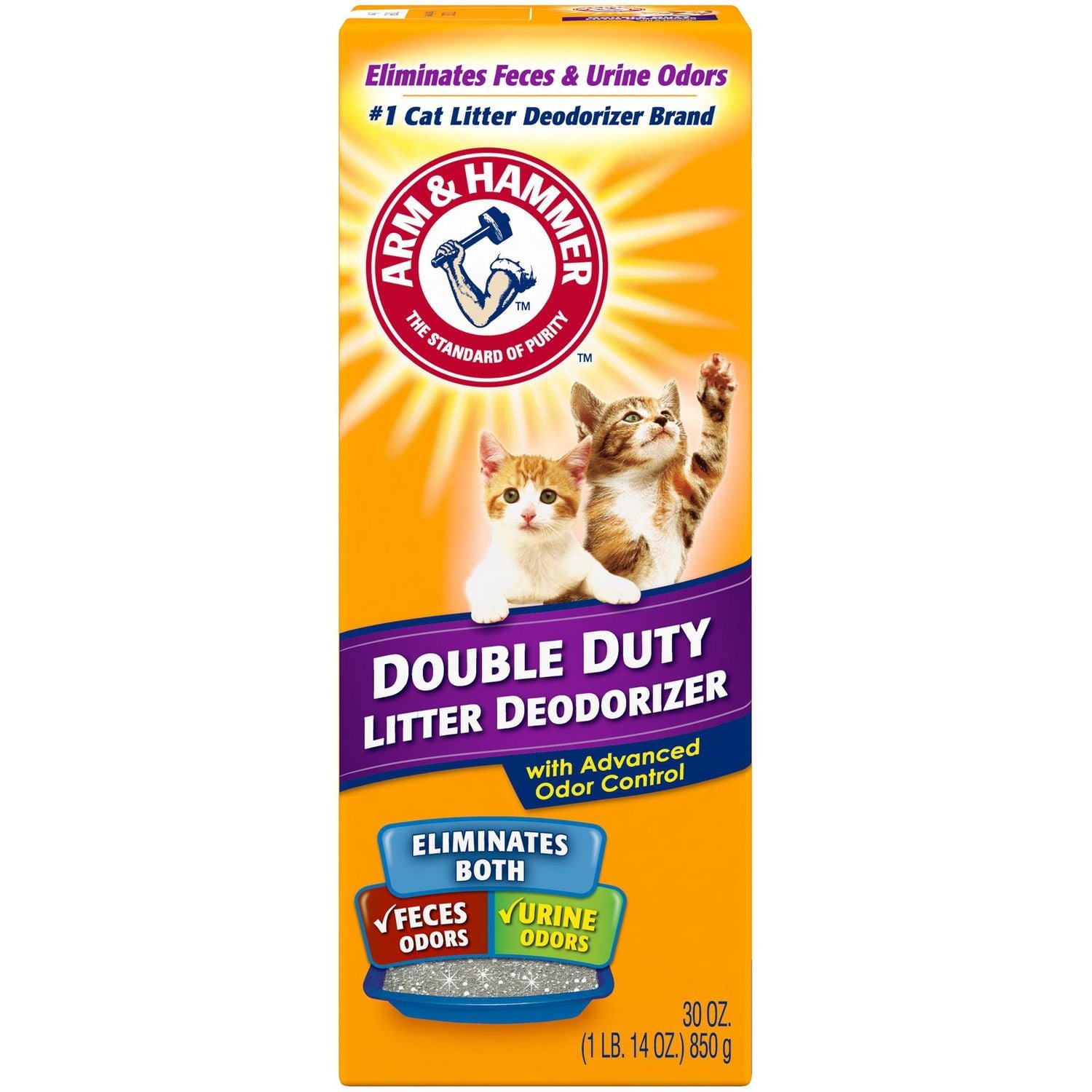
Natural deodorizers work by absorbing or neutralizing odors without harsh chemicals. You can place bowls of baking soda around the affected areas—it’s a powerful odor absorber that you might already have in your kitchen. Activated charcoal is another excellent option; it traps odor particles and can be placed discreetly in rooms.
Essential oils also add a pleasant scent while helping with odor control. Try diffusing oils like lavender, eucalyptus, or lemon to refresh the air. If you prefer something simple, sprinkle some coffee grounds in small containers—they absorb bad smells and leave a subtle coffee aroma behind.
Ventilation Strategies
Fresh air circulation is one of the fastest ways to clear out lingering cat urine smells. Open windows and doors whenever possible to create a cross breeze that pushes stale air out. Running fans can help speed up this process, especially if you direct airflow towards open windows.
Think about places where air tends to get trapped, such as basements or bathrooms. Using a dehumidifier or an air purifier in these spots can reduce moisture and airborne odors. Have you noticed how a quick fresh-air blast can make even the toughest smells fade faster? It’s simple but often overlooked.
Credit: cats.com
Frequently Asked Questions
How To Remove Cat Urine Smell From Carpets?
Use an enzymatic cleaner specifically for pet urine. Blot the area with paper towels first. Avoid steam cleaning as it can set the smell. Repeat cleaning if needed until the odor fades completely.
What Household Products Neutralize Cat Urine Odor?
White vinegar and baking soda effectively neutralize cat urine smell. Apply vinegar first, then sprinkle baking soda after drying. Let it sit for hours before vacuuming. These natural products break down odor molecules safely.
Can Cat Urine Smell Cause Health Issues?
Yes, prolonged exposure to cat urine smell can cause respiratory problems. It may trigger allergies and asthma symptoms. Proper cleaning and ventilation are essential to keep your home safe and odor-free.
How Long Does Cat Urine Smell Last Without Cleaning?
Cat urine smell can last indefinitely without proper cleaning. The odor penetrates porous surfaces like carpets and wood. Immediate cleaning is crucial to prevent long-term odor and stains.
Conclusion
Getting rid of cat urine smell takes patience and the right steps. Clean the area well with safe products. Repeat cleaning if the smell stays. Keep your cat’s space fresh and dry. Regular checks help catch new spots early. A fresh home feels better for you and your pet.
Small efforts now save big problems later. Stay consistent, and your home will smell clean again.