
Is your cat pooping outside the litter box and leaving you frustrated? You’re not alone, and the good news is there are simple steps you can take to fix this problem.
Understanding why your cat is avoiding the litter box is the first key to stopping this behavior for good. You’ll discover effective tips and easy solutions that can help your cat feel comfortable and confident using the litter box again.
Keep reading to find out how you can bring peace back to your home and enjoy a cleaner space without the stress.
Identify The Cause
Before you can guide your cat back to the litter box, you need to figure out why they’re avoiding it. Identifying the cause is crucial because pooping outside the box often signals an underlying issue. Understanding these reasons helps you address the problem effectively and keeps your home clean.
Check For Medical Issues
Health problems can make your cat avoid the litter box. Urinary tract infections, constipation, or digestive issues cause discomfort, leading your cat to poop elsewhere. If your cat suddenly changes bathroom habits, a vet visit is essential. Have you noticed any signs like straining or blood in the stool? These are red flags that need immediate attention.
Assess Litter Box Cleanliness
Is the litter box clean enough for your cat’s liking? Cats are picky and often refuse to use a dirty box. You should scoop waste daily and fully change the litter once a week. A clean box smells fresh and feels inviting, encouraging your cat to use it consistently. Have you tried cleaning the box more often to see if it makes a difference?
Evaluate Litter Box Location
Where your litter box sits can affect your cat’s bathroom habits. A noisy or busy area may scare your cat away. Place the box in a quiet, low-traffic spot with easy access. Avoid locations near the food bowl or loud appliances. Could moving the box to a calm corner help your cat feel safer and more comfortable?
Consider Stress And Anxiety Factors
Cats can react to stress by changing their bathroom behavior. New pets, changes in routine, or loud noises can cause anxiety. Observe any recent changes in your home environment that might upset your cat. Providing extra attention, playtime, and safe hiding spots can reduce stress. What small changes can you make to create a calm space for your cat?

Credit: www.petmd.com
Choose The Right Litter
Choosing the right litter plays a crucial role in encouraging your cat to use the litter box consistently. Cats can be surprisingly picky about the texture, smell, and depth of their litter. Finding the perfect match for your feline friend could be the key to stopping those unwanted bathroom accidents.
Try Different Types Of Litter
Not all litters are created equal. Some cats prefer clumping clay litter, while others like natural options such as corn, wheat, or pine. You might notice your cat avoiding the box simply because they don’t like the feel of the litter under their paws.
Try offering a few types side-by-side and observe which one your cat uses most. This hands-on approach often reveals surprising preferences. Have you ever seen your cat walk away from the box and then dig in a different spot? The litter type might be the reason.
Consider Scented Vs Unscented
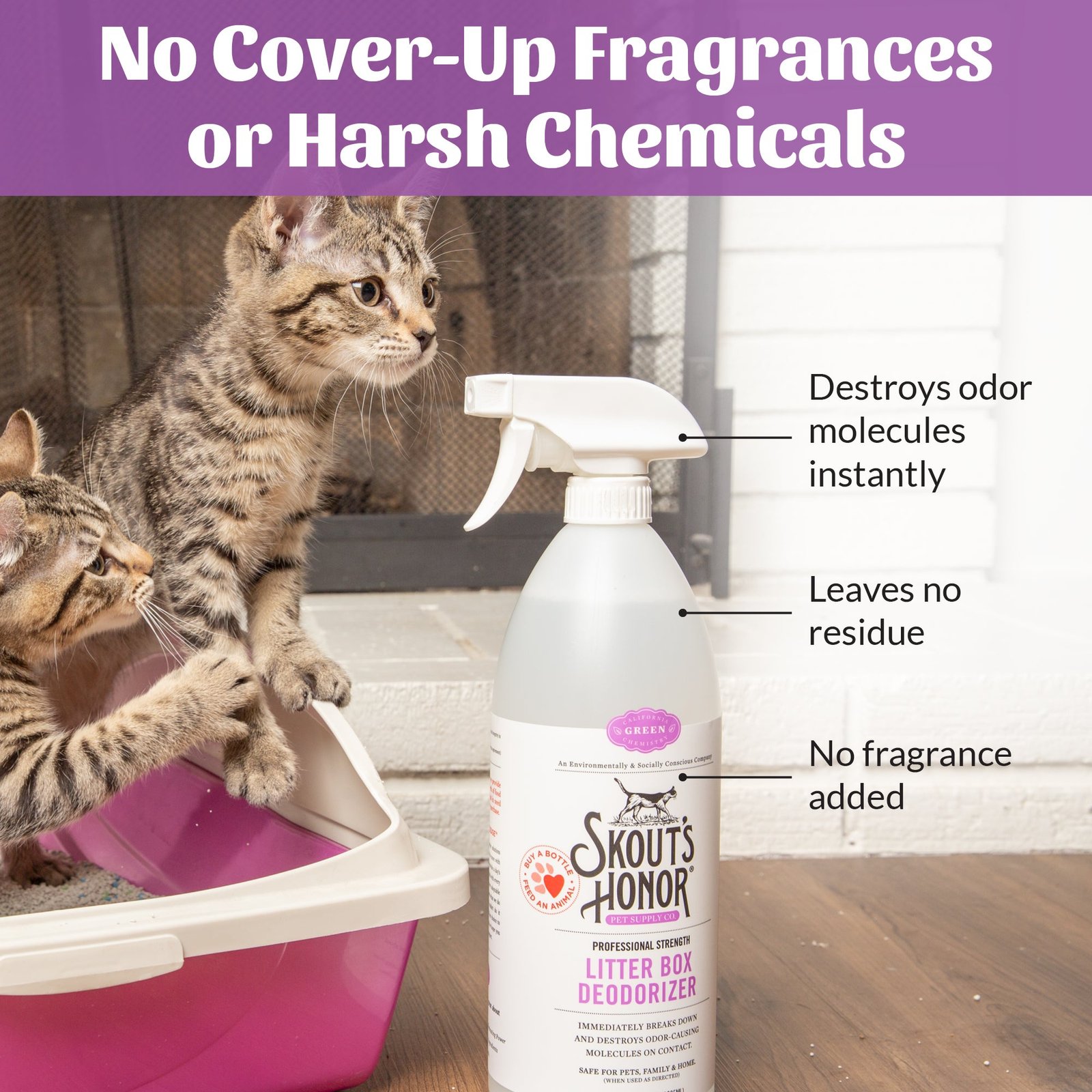
Scented litters can mask odors, but they might also repel sensitive noses. Cats have a much stronger sense of smell than humans, so what seems pleasant to you might be overwhelming to them. Unscented litter often feels more natural and less irritating.
If your cat suddenly stops using the box, check if you recently switched to scented litter. Switching back to an unscented option might solve the problem quickly. Would your cat prefer a fresh, neutral scent over a strong fragrance?
Adjust Litter Depth
The depth of the litter can make a big difference. Too shallow, and your cat might feel exposed; too deep, and it might be uncomfortable to dig. A good rule of thumb is to keep about 2 to 3 inches of litter in the box.
Observe your cat’s digging behavior. If they seem frustrated or avoid the box, try adjusting the depth slightly. Sometimes small tweaks can lead to big changes in litter box use.
Optimize Litter Box Setup
Optimizing the litter box setup is key to stopping your cat from pooping outside the box. Cats need comfort and cleanliness in their bathroom space. A well-arranged litter box invites your cat to use it regularly. Small changes can make a big difference in behavior. Focus on the number, size, and cleanliness of the boxes for best results.
Increase Number Of Boxes
Place multiple litter boxes in different rooms or quiet spots. Cats prefer having options and private places. A good rule is one box per cat plus one extra. This reduces competition and stress. More boxes mean less chance your cat avoids using them.
Select Appropriate Box Size
Choose a litter box that fits your cat’s size comfortably. Bigger cats need larger boxes to move freely. Small boxes can feel cramped and discourage use. Open boxes or those with low sides help easy access. Your cat should be able to turn around inside without trouble.
Keep Boxes Clean And Fresh
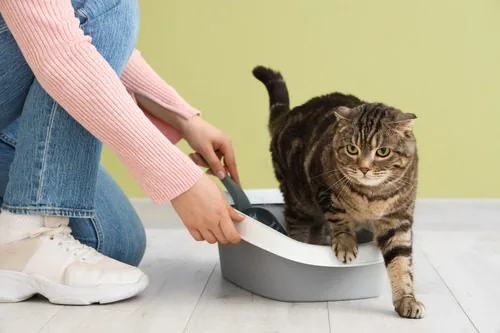
Clean the litter box daily by scooping waste. Wash the box with mild soap weekly to remove odors. Dirty boxes make cats look for cleaner spots. Use unscented litter to avoid irritation. Fresh litter and a clean box invite your cat to use it happily.

Credit: www.reddit.com
Behavioral Training Techniques
Behavioral training plays a key role in teaching cats where to poop. Cats respond well to simple, clear signals. Patience and consistency help change their habits. Training encourages good litter box use and reduces accidents outside it.
Start with rewards and gentle guidance. Avoid punishment, which can cause stress and worsen the behavior. Understanding your cat’s needs and preferences improves training results. Use safe and kind methods to create positive experiences.
Positive Reinforcement
Reward your cat for using the litter box correctly. Treats, petting, or soft praise work well. Give rewards right after the cat finishes in the box. This helps the cat link the behavior to the reward.
Keep rewards small and frequent. Use consistent words or sounds to mark good behavior. This builds a clear message for the cat. Positive reinforcement makes the cat want to repeat the behavior.
Discourage Pooping Outside
Gently interrupt your cat if you catch it pooping outside the box. Move the cat to the litter box immediately. Clean any accidents thoroughly with enzyme-based cleaners. This removes smells that attract the cat back.
Make the areas outside the box less attractive. Do not scold or punish your cat. Negative reactions can cause fear or anxiety. Focus on guiding your cat back to the litter box instead.
Use Deterrents Safely
Use safe deterrents to keep cats away from unwanted areas. Place double-sided tape or aluminum foil on spots to prevent access. Cats dislike the texture and will avoid these places.
Use scents like citrus or lavender cautiously. Some cats dislike these smells but avoid strong chemicals. Always observe your cat’s reaction to ensure safety.
Deterrents work best combined with positive reinforcement. This balanced approach encourages good habits without stress.
Manage Environmental Stress
Environmental stress can cause your cat to avoid the litter box. Cats are sensitive to changes around them. Noise, new pets, or rearranged furniture can make them anxious. Managing this stress helps your cat feel safe and comfortable. This can reduce unwanted pooping outside the litter box.
Provide Safe Spaces
Cats need quiet, cozy places to relax. Create small hideouts with soft bedding. Use boxes or cat tents in calm corners. These safe zones help your cat feel secure. Avoid placing litter boxes near loud areas or busy rooms.
Maintain Routine
Cats thrive on predictability. Feed your cat at the same time daily. Keep playtime and cleaning schedules steady. Sudden changes can increase stress and confusion. A regular routine helps your cat stay calm and confident.
Use Calming Products
Calming aids can ease your cat’s anxiety. Use pheromone diffusers or sprays near the litter box. These products mimic natural cat scents that promote relaxation. Herbal supplements or calming collars may also help. Always check with a vet before trying new products.

Credit: www.reddit.com
Seek Professional Help
Sometimes, despite your best efforts, your cat keeps pooping outside the litter box. This can be frustrating and puzzling. At this point, seeking professional help can make a big difference in understanding and fixing the issue.
Consult A Veterinarian
Health problems often cause cats to avoid their litter box. Urinary tract infections, digestive issues, or arthritis can make using the box painful or difficult for your cat.
A vet visit can rule out or confirm medical causes. Share detailed observations like when and where your cat is pooping outside the box. This helps the vet diagnose the problem accurately.
Don't hesitate to ask about diet changes or medications that might ease your cat's discomfort. Have you noticed any changes in your cat's eating or drinking habits? Mention those too—they can be vital clues.
Work With A Behaviorist
If your cat is healthy but still avoiding the litter box, a cat behaviorist can help. These experts understand feline psychology and can identify stressors or environmental triggers.
Behaviorists can design a tailored plan to address anxiety, territorial issues, or litter box preferences. This might include adjusting the box type, location, or cleaning routine.
Have you observed any recent changes at home, like new pets or furniture? A behaviorist can help you interpret how these changes affect your cat’s behavior. Their insight often leads to practical solutions you might not have considered.
Frequently Asked Questions
Why Is My Cat Pooping Outside The Litter Box?
Cats may avoid the litter box due to stress, illness, or dirty litter. Check for health issues and keep the box clean. Also, ensure the box is in a quiet, accessible location to encourage use.
How Can I Stop My Cat From Pooping Outside?
Clean the litter box regularly and provide multiple boxes in different areas. Use unscented, clumping litter and reduce stressors like loud noises or new pets. Consult a vet if behavior persists.
What Type Of Litter Box Is Best For Cats?
Cats prefer large, uncovered litter boxes with low sides for easy access. The box should be cleaned daily and placed in a quiet, private area to encourage use.
Can Health Problems Cause Litter Box Avoidance?
Yes, urinary tract infections, constipation, or digestive issues can cause avoidance. If your cat suddenly stops using the box, visit a vet to rule out medical conditions.
Conclusion
Your cat can learn to use the litter box again. Understanding their behavior is key. Keep the litter box clean and inviting. Make sure it's in a quiet spot. Observe if anything stresses your cat. Changes at home can upset them.
Play and interact with your cat daily. This builds trust and comfort. Consult a vet if problems continue. Health issues might be the cause. Be patient. Your love and care matter most. With time, your cat will feel better. A happy cat means a happy home.