If you’re a cat owner, you know how frustrating it can be when your furry friend decides to avoid the litter box. You’ve tried everything, yet you still find surprises scattered around your home.
This common issue not only creates a mess but also leads to stress for both you and your cat. But what if there’s a simple solution to guide your cat back to the litter box every time? Imagine the relief and happiness you’d feel seeing your cat use the litter box naturally.
We’ll reveal proven techniques to help you achieve that peace of mind. Stick with us, and you'll discover the secrets to a cleaner, happier home.
Choose The Right Litter Box
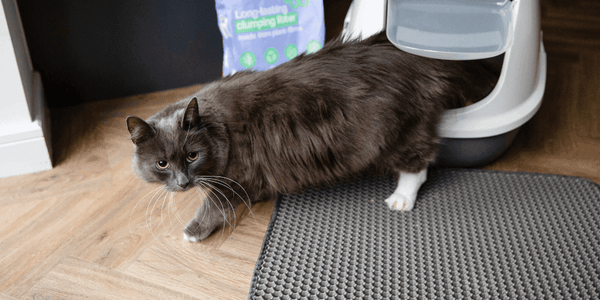
Choosing the right litter box is a key step to help your cat use it consistently. Cats prefer comfort and privacy. The right box makes them feel safe and relaxed. Different cats like different styles. Observing your cat’s habits can guide your choice. Here are important points to consider when selecting a litter box.
Size And Shape Matters
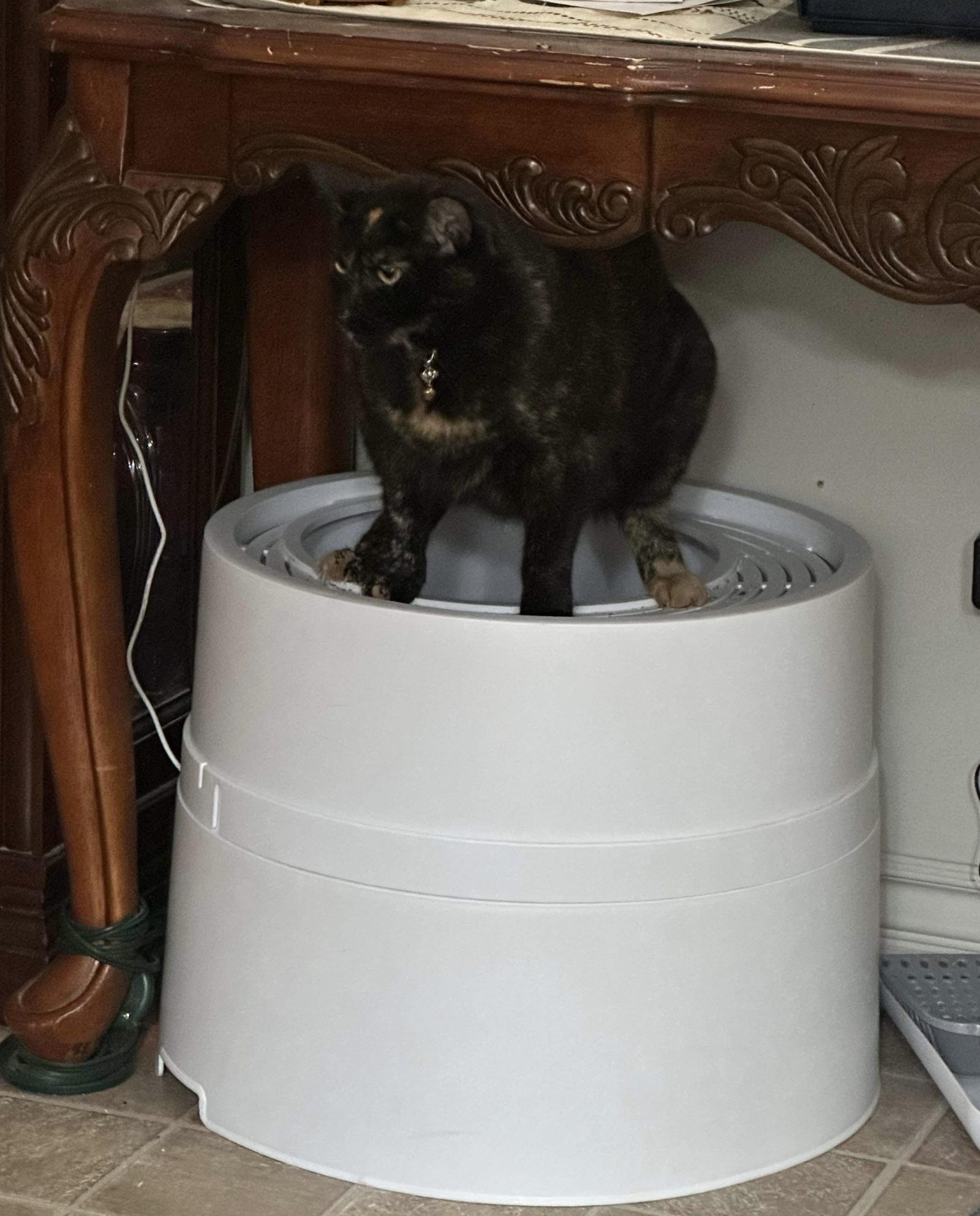
Pick a litter box large enough for your cat to turn around. Small boxes can make cats feel cramped and stressed. Taller sides help contain the litter but must be easy to enter. Older cats or kittens may prefer lower sides for easy access. Consider your cat’s size and mobility before buying.
Open Vs Covered Boxes
Open boxes offer easy entry and good airflow. Cats can see their surroundings, which some prefer for safety. Covered boxes give privacy and reduce litter scatter. Some cats dislike enclosed spaces and avoid covered boxes. Watch how your cat reacts to both types to find the best fit.
Number Of Litter Boxes
Provide enough litter boxes to prevent conflicts and accidents. The general rule is one box per cat plus one extra. More boxes in different locations reduce stress and promote good habits. Multiple boxes give options, especially in multi-cat homes. Clean boxes regularly to keep cats happy and healthy.
Pick The Best Litter
Choosing the right litter plays a key role in getting your cat to use the litter box. Cats can be picky about the type and feel of the litter. Providing a litter they like encourages them to poop in the box consistently. Comfort, smell, and cleanliness are major factors to consider when selecting cat litter.
Types Of Cat Litter
There are several types of cat litter available. Each has its own benefits and drawbacks.
- Clay Litter:Absorbs moisture well and clumps tightly. Common and affordable.
- Clumping Litter:Forms solid clumps for easy cleaning. Helps control odor effectively.
- Silica Gel Litter:Absorbs moisture and controls odor without dust. Long-lasting but pricier.
- Biodegradable Litter:Made from natural materials like corn, wheat, or wood. Eco-friendly and gentle on paws.
Scented Vs Unscented
Scented litter often masks odors with fragrances. Some cats find strong smells off-putting. Unscented litter offers a natural smell and is less irritating. Many cats prefer unscented litter for comfort and cleanliness. Choose unscented to avoid discouraging your cat from using the box.
Litter Depth Tips
The right litter depth helps your cat feel comfortable while digging. Too little litter can be unpleasant and too deep can be messy. Aim for about 2 to 3 inches of litter. This depth allows cats to cover waste easily. Regularly check and refill the litter to maintain this level.
Optimal Litter Box Placement
Optimal litter box placement plays a crucial role in encouraging your cat to use it consistently. Cats are particular about their bathroom habits, and the location of the litter box can either invite or deter them. Finding the right spot means balancing privacy, quiet, and easy access, which directly impacts your cat’s comfort and willingness to poop there.
Quiet And Private Spots
Your cat needs a calm place to do its business. Loud noises or frequent disturbances can make them anxious and avoid the litter box altogether. Choose a quiet corner, maybe behind a piece of furniture or in a rarely used room where your cat feels safe and undisturbed.
I once placed the litter box near a noisy washing machine, and my cat refused to use it for weeks. Moving it to a quieter hallway made all the difference. Ask yourself, is this spot peaceful enough for your cat’s private moments?
Avoid High-traffic Areas
Areas with lots of foot traffic or activity stress cats out. If your litter box is in a busy hallway or near the kitchen, your cat may hold it in to avoid being startled. Pick a spot away from doorways and main walkways to give your cat a sense of security.
Think about your daily routine. Where do people pass often? Avoid these spots to help your cat feel relaxed when using the box. Your cat’s litter box shouldn’t feel like a public restroom.
Accessibility For Senior Cats
Older cats may struggle with high-sided boxes or hard-to-reach places. If your cat is aging or has mobility issues, place the litter box on a flat surface with low sides for easy entry and exit. Avoid stairs or cramped spots that might discourage them from going.
Consider your cat’s physical condition honestly. Have you noticed any hesitation or difficulty reaching the box? Adjusting placement and style could prevent accidents and discomfort. Making the litter box accessible shows you care about your cat’s changing needs.
Maintain Cleanliness
Maintaining cleanliness is key for encouraging your cat to use the litter box. Cats prefer a fresh and tidy place to do their business. Dirty litter boxes can cause them to avoid using it. Keeping the box clean makes it inviting and comfortable for your cat.
Daily Scooping Routine
Scoop out clumps and waste every day. This keeps the litter fresh and odor-free. Use a scoop with small holes to catch all waste. Remove soiled litter to prevent bacteria build-up. Daily scooping shows respect for your cat’s space.
Regular Litter Changes
Change all the litter at least once a week. Fresh litter feels better for your cat’s paws. Use the right amount of litter—about 2-3 inches deep. Too little or too much can be uncomfortable. Choose unscented litter to avoid irritating your cat.
Cleaning The Box
Wash the litter box with mild soap and warm water. Avoid strong cleaners or bleach that can smell bad. Rinse well to remove soap residue. Dry the box completely before adding new litter. Cleaning the box regularly prevents odors and keeps it inviting.
Encourage Use With Positive Reinforcement
Encouraging your cat to use the litter box through positive reinforcement builds trust and creates a happy environment for both of you. Cats respond well to gentle encouragement rather than harsh corrections. This approach helps your cat associate the litter box with positive experiences, increasing the chances they’ll use it consistently.
Rewarding Good Behavior
Notice when your cat uses the litter box and immediately reward them. Positive reinforcement is most effective when the reward follows the behavior closely. You might offer a small treat or extra petting right after they finish in the box.
Keep rewards consistent to help your cat link the action with the positive outcome. This clear connection motivates your cat to repeat the behavior. Have you observed how your cat reacts when you praise them? Their body language can tell you if the reward is working.
Avoid Punishments
Punishing your cat for accidents outside the litter box can create fear and confusion. Cats do not understand punishment the way humans do, so it often backfires. Instead of learning, your cat may avoid you or hide their accidents, making the problem worse.
Focus on calm, gentle guidance. If you catch your cat outside the box, calmly place them in it without scolding. This shows them where you want them to go without creating stress or anxiety.
Using Treats And Praise
Treats and praise are powerful tools to reinforce litter box use. Choose small, tasty treats your cat loves to keep them motivated. Pair this with soft, encouraging words or gentle petting to deepen the positive connection.
Try to reward your cat every time they use the box correctly, especially during training. This combination helps build a habit. What kind of treats does your cat respond to best? Experiment to find the perfect motivator for your furry friend.

Credit: www.reddit.com
Address Medical Issues
Addressing medical issues is crucial when your cat refuses to poop in the litter box. Sometimes, underlying health problems can cause discomfort or pain, making your cat avoid the box. Understanding these issues helps you take the right steps to support your furry friend’s health and litter box habits.
Signs Of Health Problems
Watch for changes in your cat’s bathroom habits, such as straining, frequent attempts without success, or unusual stool consistency. Other signs include lethargy, loss of appetite, vomiting, or visible discomfort in the abdomen. If your cat suddenly stops using the litter box and shows these symptoms, it’s a red flag that medical attention might be needed.
When To See The Vet
If you notice persistent constipation, blood in the stool, or your cat cries out while trying to poop, don’t wait to visit the vet. Sudden changes in behavior combined with litter box avoidance often indicate a medical problem. Early vet visits can prevent complications like urinary blockages or severe constipation, which can become life-threatening if untreated.
Managing Constipation
Constipation is a common reason cats avoid the litter box. To help your cat, increase their water intake by offering fresh water daily or adding wet food to their diet. Gentle exercise can stimulate bowel movements, so interactive playtime is beneficial.
Your vet may recommend specific treatments like stool softeners or special diets. Never give human laxatives without professional advice, as some can be toxic to cats. How do you ensure your cat stays comfortable and healthy when facing constipation? Small daily changes can make a big difference in their well-being.
Manage Behavioral Problems
Managing behavioral problems plays a key role in helping your cat use the litter box consistently. Cats often avoid their litter box due to stress or changes in their environment. Understanding these triggers helps create a calm space for your pet. Addressing behavior issues can improve litter box habits and overall well-being.
Stress And Anxiety Triggers
Cats feel stress from loud noises, crowded areas, or new smells. Stress can cause them to avoid the litter box. Watch for signs like hiding, excessive grooming, or aggression. Create a quiet, safe space for your cat to relax. Keep the litter box clean and in a calm area. Reducing stress helps your cat feel secure and more likely to use the box.
Introducing New Pets Or Changes
New pets or big changes upset cats. They may stop using the litter box during adjustment. Introduce new animals slowly and separately at first. Keep your cat’s routine steady. Give extra attention and reassurance. Allow your cat to explore new areas at their own pace. This patience reduces stress and encourages good litter box habits.
Using Calming Products
Calming products ease anxiety in nervous cats. Options include pheromone sprays, diffusers, and calming collars. These products release scents that soothe cats without drugs. Use them near the litter box and resting areas. Natural supplements like herbal treats may also help. Calming aids support behavior improvement and litter box use.

Credit: www.petmd.com
Training Tips For Kittens And New Cats
Training kittens and new cats to use the litter box takes care and attention. Starting early helps build good habits. Young cats learn quickly with clear guidance and a calm approach. Consistency is key to avoid confusion and accidents. Patience helps both you and your pet stay calm during the process.
Litter Box Training Basics
Choose a quiet spot for the litter box, away from food and water. Use a shallow box for kittens to enter easily. Fill it with unscented, clumping litter that feels soft. Show the kitten the box after meals and naps. Gently place them inside to encourage use. Keep the box clean to prevent odors and keep cats returning.
Supervised Time Outdoors
Let kittens explore a safe outdoor area under watchful eyes. Outdoor time helps them understand where to go naturally. Observe their behavior and gently guide them to the litter box. Avoid scolding if they make mistakes outside. Use this time to reinforce positive habits inside the home.
Consistency And Patience
Keep the litter box in the same location to avoid confusion. Scoop the box daily and change litter regularly. Praise your cat after successful use to create positive links. Expect some accidents and clean them immediately with enzyme cleaner. Stay patient; kittens can take days or weeks to learn fully.
Troubleshooting Common Issues
Troubleshooting common litter box issues can feel frustrating, but understanding the root causes helps you fix problems quickly. Cats are creatures of habit, yet small changes or discomfort can throw them off. Let’s look at key areas where problems often arise and how you can tackle them.
Avoiding Litter Box Aversion
Is your cat avoiding the litter box altogether? This often happens if the box is dirty, too small, or smells unpleasant. Clean the box daily and completely change the litter once a week to keep it fresh.
Some cats dislike scented litter or certain textures. Try switching to unscented, clumping litter or a different brand to see if your cat prefers it. Think about the type of litter you use—could a change make a difference?
Also, avoid scented cleaning products on the box. Harsh smells can scare your cat away. Use mild, pet-safe cleaners instead to keep the box inviting.
Dealing With Inappropriate Elimination
When your cat poops outside the box, it’s often a sign of stress or a medical problem. Have you noticed any changes in your cat’s behavior or health? A vet checkup can rule out infections or constipation causing discomfort.
Stress from new pets, people, or changes in routine can trigger accidents. Provide quiet, safe spaces and keep the litter box area calm. Adding an extra litter box in a different location can reduce competition and anxiety.
Watch for litter box timing too—some cats prefer to poop shortly after eating. Placing the box near feeding areas might encourage use.
Fixing Location Problems
Location matters more than many cat owners realize. A litter box in a noisy, busy spot can deter your cat from using it. Is your box near loud appliances, heavy foot traffic, or your cat’s food and water bowls?
Move the litter box to a quiet, low-traffic area where your cat feels safe. Avoid cramped spaces that make entering or exiting difficult.
Consider adding multiple boxes if you have several cats or a large home. Each cat should have easy access without feeling cornered or threatened. How easily can your cat reach the box right now?

Credit: www.reddit.com
Frequently Asked Questions
How To Train A Cat To Use The Litter Box?
Start by placing the cat in the litter box after meals. Use positive reinforcement like treats. Keep the box clean and in a quiet, accessible area to encourage use.
Why Is My Cat Avoiding The Litter Box?
Cats may avoid the box due to cleanliness issues, stress, or health problems. Check the litter box daily, reduce stress, and consult a vet if needed.
What Type Of Litter Is Best For Cats?
Unscented, clumping litter is preferred by most cats. It controls odor and is easy to clean. Avoid strong scents as they can deter cats from using the box.
How Often Should I Clean My Cat’s Litter Box?
Clean the litter box daily by scooping waste. Replace litter completely and wash the box weekly to maintain hygiene and encourage consistent use.
Conclusion
Helping your cat use the litter box takes patience and care. Keep the box clean and in a quiet spot. Watch your cat’s habits and adjust as needed. Reward good behavior with gentle praise. Consistency helps your cat feel safe and confident.
Remember, every cat learns at its own pace. Small steps lead to big progress. Stay calm and positive throughout the process. Soon, your cat will happily use the litter box. A little effort goes a long way.