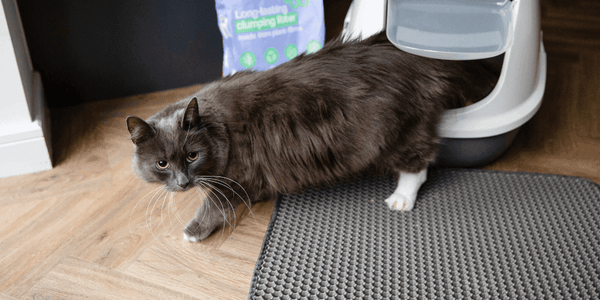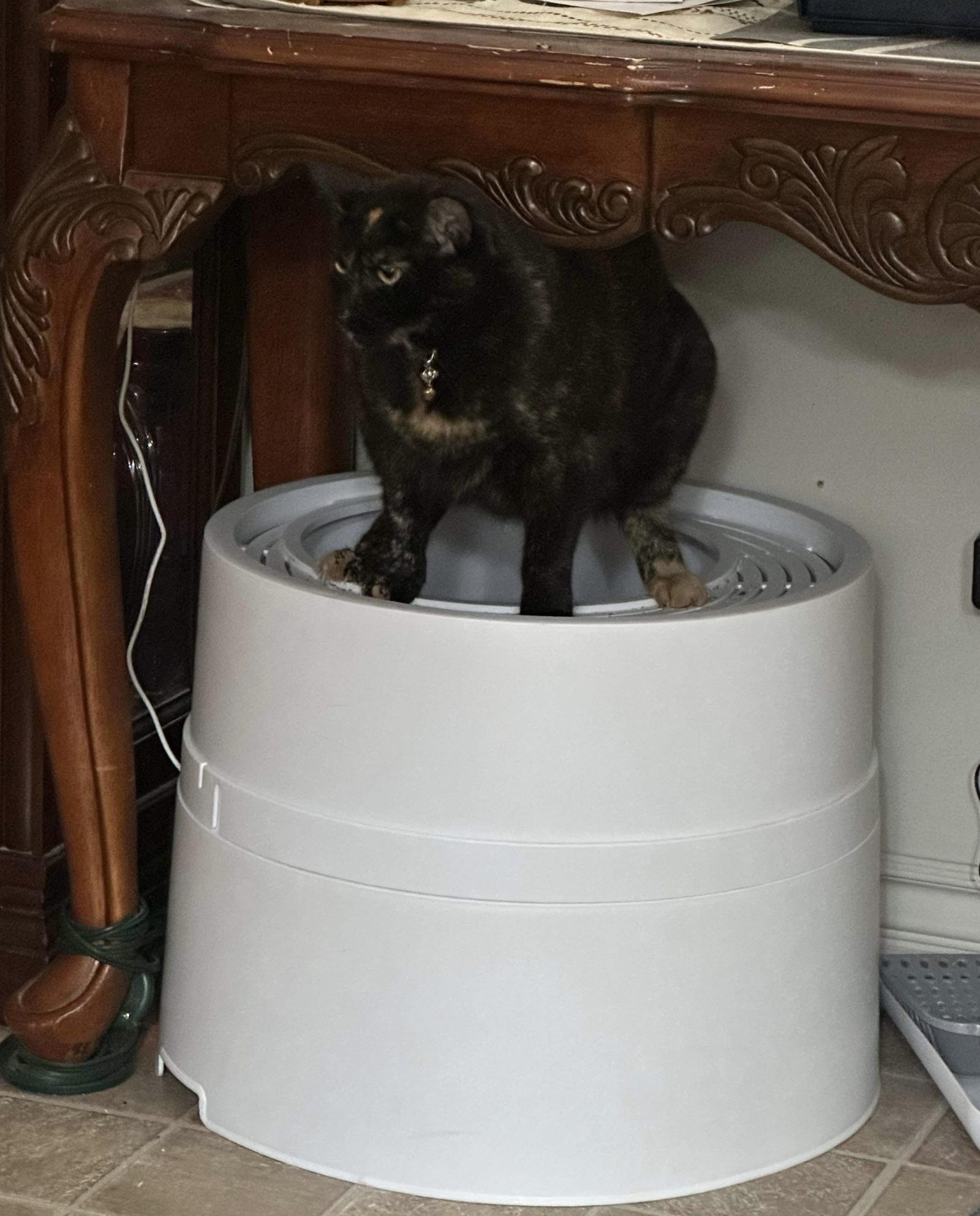
Dealing with the lingering smell of cat spray in your home can be frustrating and overwhelming. You might feel like no matter how much you clean, the odor just won't go away.
But don't worry—you're not alone, and there is hope. The key to tackling this issue is understanding why it happens and learning effective ways to eliminate it. In this guide, you’ll discover practical tips and tricks to rid your house of that stubborn cat spray smell once and for all.
Imagine walking into your home and being greeted by fresh, clean air instead of that pungent odor. Stick around to learn how you can transform your living space into a pleasant, odor-free sanctuary.
Identify The Source
Before you can remove the stubborn cat spray smell from your house, you must first identify where it’s coming from. Cat urine has a strong odor that can linger and spread, so pinpointing every spray spot is crucial. Taking the time to locate all the affected areas saves you from wasting effort on cleaning places that aren’t the source of the smell.
Locate All Spray Spots
Start by walking through your home with a keen eye and nose. Look for visible signs like wet spots, discoloration, or sticky patches on carpets, furniture, and walls. Sometimes the spray is fresh and easy to spot, but often it’s dried and less obvious.
Using a blacklight can reveal hidden urine stains that you might miss otherwise. These stains glow under the light, making it easier to find every spot your cat has marked. Have you ever been surprised by how many places a cat can spray?
Make a list or mark each spot you find. This will help you tackle the problem systematically and ensure you don’t miss any area during cleaning.
Check Hidden Areas
Spray spots aren’t always in plain sight. Cats often choose hidden or quiet places like behind furniture, under beds, or inside closets. These spots tend to trap odors and make the smell harder to eliminate.
Don’t forget to inspect fabric surfaces like curtains, cushions, and pet beds. These materials can absorb urine and hold the smell for a long time if not treated properly.
Think about your cat’s favorite hiding places or pathways. Have you noticed your pet spending time in certain secluded corners? These areas deserve a thorough check. Sometimes, cleaning these hidden spots is the key to finally getting rid of that persistent odor.
Initial Cleaning Steps
Getting rid of cat spray smell starts with the right initial cleaning steps. Acting quickly can prevent the odor from settling deep into your furniture and carpets. These first moves set the stage for a fresher, cleaner home environment.
Blot Fresh Spots
If you catch the spray while it’s still fresh, grab a clean cloth or paper towel and gently blot the area. Avoid rubbing, as this can push the liquid deeper into the fibers. Patience here pays off—blotting removes the majority of the moisture and reduces the chance of a lingering smell.
Have you ever noticed how a quick blot can make a big difference? It’s surprising how much odor stays in place when you skip this simple step. Think of blotting as the first line of defense against stubborn smells.
Use Paper Towels For Dry Spots
When the spot has dried, use dry paper towels to lift any remaining residue. Press the paper towels firmly and hold for a few seconds to absorb trapped particles. You might need to repeat this several times to see significant improvement.
Using paper towels repeatedly might seem tedious, but it helps pull out odor-causing elements you can’t see. Have you tried this before and noticed the smell lessening? This step often surprises people by how effective it is at preparing the area for deeper cleaning.
Choose The Right Cleaning Products
Choosing the right cleaning products is key to removing cat spray smell. Some cleaners break down the odor molecules. Others neutralize the smell without harsh chemicals. Using the wrong product can make the smell worse or leave stains. Select products designed to target pet odors for best results.
Enzyme Cleaners
Enzyme cleaners work by breaking down urine molecules. They contain natural enzymes that digest proteins causing the smell. Use them on carpets, furniture, and hard floors. Let the cleaner sit for 10 to 15 minutes. Blot or wipe the area afterward. These cleaners are safe for pets and effective on old stains.
Vinegar Solutions
Vinegar is a natural deodorizer. Mix one part white vinegar with one part water. Spray the solution on the sprayed area. Allow it to dry completely. Vinegar neutralizes the ammonia smell in cat urine. It also helps prevent cats from spraying again. Avoid using vinegar on delicate fabrics or hardwood without testing first.
Baking Soda Applications
Baking soda absorbs odors well. Sprinkle it generously on carpets or upholstery. Let it sit for several hours or overnight. Vacuum the area thoroughly to remove the powder. For tough smells, combine baking soda with vinegar for a stronger clean. This method is gentle and safe for most surfaces.
Credit: www.familyhandyman.com
Apply Cleaning Techniques
Removing cat spray smell requires thorough cleaning techniques. The odor seeps deep into surfaces. Cleaning only the top layer won’t work. Use focused methods for different materials. This ensures the smell disappears completely and quickly.
Deep Clean Carpets And Rugs
Cat spray soaks into carpet fibers. Vacuum the area first to remove debris. Use an enzymatic cleaner designed for pet odors. These cleaners break down the smell-causing molecules. Apply the cleaner generously and let it sit. Gently scrub with a soft brush. Rinse with clean water and blot dry. Repeat if the odor persists. Avoid harsh chemicals; they may damage fibers or spread the smell.
Clean Hard Floors
Hard floors absorb less odor but still need cleaning. Sweep or vacuum to remove dirt. Use a mixture of white vinegar and water. Vinegar neutralizes odors without harsh fumes. Mop the floor thoroughly with the solution. Allow it to air dry completely. For stubborn smells, apply an enzymatic cleaner. Test any product in a small area first. Avoid strong-smelling cleaners that confuse your nose.
Wash Fabrics And Upholstery
Cat spray can linger on cushions, curtains, and clothes. Check care labels before washing. Use an enzymatic detergent or add a pet odor remover. Wash fabrics in warm water for better results. For non-washable items, spray with odor neutralizer. Let fabrics dry outside if possible. Sunlight helps kill bacteria and freshen fabrics. Repeat treatments may be necessary for strong odors.
Eliminate Odors Naturally
Removing cat spray odors naturally keeps your home fresh without harsh chemicals. Natural methods are safe for pets and family. They also help avoid strong artificial scents that can irritate sensitive noses. Using simple, natural solutions can make a big difference in your living space.
Air Out The Room
Open windows and doors to let fresh air flow inside. Good ventilation helps push out bad smells fast. Use fans to move air around the room. Fresh air reduces the concentration of odors in the house. Repeat this step regularly for best results.
Use Activated Charcoal
Activated charcoal absorbs odors and moisture naturally. Place small bags or bowls of charcoal near the sprayed area. Leave them for several days to trap the smell. Charcoal works quietly and does not add any scent. Replace the charcoal every few weeks for ongoing odor control.
Try Essential Oils
Essential oils offer a gentle way to freshen the air. Use oils like lavender, eucalyptus, or tea tree for natural deodorizing. Add a few drops to a diffuser or cotton ball. Place near the affected area but out of your pet’s reach. These oils help mask odors and create a calm atmosphere.

Credit: www.yahoo.com
Prevent Future Spraying
Stopping cat spray smell starts with preventing your cat from spraying again. Once you remove the odor, you need to create an environment that discourages your cat from marking territory. This means understanding why your cat sprays and making changes that keep your home fresh and your cat calm.
Address Cat Stress
Stress is one of the biggest reasons cats spray. Changes like moving, new pets, or loud noises can make your cat feel unsafe. Watch your cat’s behavior closely—do they hide or act restless?
Try to create a calm space just for your cat. Use calming sprays or diffusers with pheromones to help reduce anxiety. Sometimes, simple things like a cozy bed or quiet corner can make a huge difference.
Use Deterrents
Stop your cat from returning to sprayed areas by making them less inviting. You can place aluminum foil, double-sided tape, or plastic mats where your cat likes to spray. Cats dislike the texture and will avoid these spots.
Also, try citrus scents or specially made cat deterrent sprays. These smells keep cats away without harming them. Have you noticed certain smells your cat avoids? Use those to your advantage.
Maintain Litter Box Hygiene
A dirty litter box often leads to spraying outside it. Clean the litter box every day and change the litter regularly. Your cat needs a fresh and inviting spot to do their business.
Make sure you have enough litter boxes if you have multiple cats. The rule of thumb is one litter box per cat plus one extra. This helps reduce competition and keeps your cat happy.
Credit: www.feliway.co.uk
Frequently Asked Questions
How Do I Remove Cat Spray Smell From Carpets?
Use an enzymatic cleaner designed for pet urine. Blot the area, apply the cleaner, and let it sit. Repeat as needed. Avoid steam cleaning, as heat can set the odor permanently.
What Household Products Eliminate Cat Urine Odor?
White vinegar and baking soda work well. First, apply vinegar to neutralize ammonia. Then sprinkle baking soda, let it dry, and vacuum. This combination helps break down odor molecules effectively.
Can Air Purifiers Help With Cat Spray Odors?
Yes, air purifiers with HEPA and activated carbon filters reduce airborne odors. They capture odor particles and improve air quality. However, they don’t remove stains or deep-set smells from surfaces.
How Long Does Cat Spray Smell Last Without Cleaning?
Without cleaning, cat spray odor can last weeks or months. The urine’s ammonia and pheromones linger in fibers and surfaces. Prompt cleaning is essential to prevent re-marking and persistent odors.
Conclusion
Getting rid of cat spray smell takes patience and the right steps. Clean the area well and use special cleaners made for pet odors. Keep your home fresh by airing it out often. Watch your cat’s behavior to prevent spraying again.
A clean, odor-free home feels better for everyone. Small actions make a big difference over time. Stay consistent, and the smell will fade away. Your home can smell clean and welcoming again.