Do you find yourself cringing every time you step into your home because of that unmistakable cat litter smell? You're not alone.
Many cat owners love their furry friends but struggle with keeping their homes smelling fresh. The good news is, there are simple and effective ways to banish that odor for good. Imagine walking into your home, taking a deep breath, and smelling nothing but a clean, inviting atmosphere.
That reality is closer than you think. In this guide, you'll discover tried-and-tested methods to tackle cat litter odor and reclaim the freshness of your living space. Ready to transform your home into a haven for both you and your feline friend? Let’s dive in!

Credit: www.reddit.com
Sources Of Cat Litter Odor
Cat litter odor often comes from several sources inside the home. Understanding these sources helps reduce or eliminate bad smells. The smell can come from the litter box, the type of litter used, and how often the box is cleaned. Pets’ habits also affect the odor. Knowing what causes the smell is the first step to a fresher home.
Common Causes Of Smell
- Urine and feces build-up inside the litter box.
- Infrequent cleaning of the litter box.
- Spilled litter around the box area.
- Litter boxes placed in poorly ventilated spots.
- Multiple cats using the same box without cleaning.
Smell worsens if waste stays too long without removal. Even clean litter can absorb odors quickly.
How Litter Type Affects Odor
Different litter types control odor in different ways. Some litters clump, making waste removal easier. Others absorb moisture to reduce smell.
| Litter Type | Odor Control | Notes |
|---|---|---|
| Clay Clumping | Good | Forms clumps to scoop waste easily. |
| Clay Non-Clumping | Moderate | Absorbs moisture but harder to clean. |
| Silica Gel | Excellent | Absorbs moisture and traps odors well. |
| Natural/Plant-Based | Varies | Eco-friendly but may need frequent changes. |
Choosing the right litter type can reduce odor significantly. Some litters also include deodorizing agents for extra freshness.

Credit: www.reddit.com
Effective Cleaning Techniques
Keeping your home free from cat litter smell requires solid cleaning habits. Effective cleaning techniques stop odors before they spread. Regular care keeps the air fresh and your cat happy.
Daily Litter Box Maintenance
Clean the litter box every day to reduce smell. Scoop out clumps and waste at least once daily. Replace soiled litter with fresh litter regularly. Use a scoop with small holes to catch fine particles.
Wipe the edges and bottom of the box with a damp cloth. Avoid strong-smelling cleaners that can bother your cat. Using baking soda in the litter can help absorb odors. Keep the litter box in a well-ventilated area to improve airflow.
Deep Cleaning Methods
Deep cleaning the litter box once a week cuts down strong odors. Empty all litter and wash the box with warm water. Use mild soap or a vinegar solution to clean thoroughly. Avoid bleach, which can harm your cat and leave harsh smells.
Rinse the box well and dry it completely before adding new litter. Consider using a litter liner to protect the box and make cleaning easier. Clean the surrounding area by vacuuming or wiping floors and walls near the box.
Replace the litter box every six months to prevent odor build-up from scratches and stains. Keep extra cleaning supplies handy for quick touch-ups as needed.
Choosing The Right Litter
Choosing the right cat litter plays a huge role in controlling unpleasant odors in your home. Not all litters are designed to tackle smells effectively, so picking one that matches your needs can make a big difference. You might be surprised how much the right litter can improve your indoor air quality and keep your living space fresh.
Types Of Odor-control Litter
Odor-control litters come in several varieties, each with unique ways to trap or neutralize smells. Some use clumping agents that lock in moisture and waste, while others rely on added fragrances or natural absorbers like baking soda.
- Clumping Clay Litter:Quickly forms solid clumps around waste, making scooping easier and reducing odor spread.
- Silica Gel Litter:Absorbs moisture and traps odors in tiny crystals, often lasting longer between changes.
- Activated Charcoal Litter:Contains charcoal to absorb odor molecules, providing a natural deodorizing effect.
- Plant-Based Litter:Uses materials like corn, wheat, or pine that naturally absorb moisture and odors.
How often you scoop and change the litter also affects odor control, so even the best litter won’t work well if not maintained properly.
Natural Vs. Synthetic Options
Choosing between natural and synthetic litter depends on your priorities like environmental impact, dust levels, and odor control.
| Feature | Natural Litter | Synthetic Litter |
|---|---|---|
| Materials | Made from plant fibers, corn, wheat, or pine | Usually clay-based or silica crystals |
| Odor Control | Neutralizes odors naturally but may need frequent changing | Often contains added fragrances and clumping agents for stronger odor control |
| Dust Level | Generally low dust, better for sensitive cats and humans | May produce more dust, which can irritate respiratory systems |
| Environmental Impact | Biodegradable and compostable | Non-biodegradable, contributes to landfill waste |
Which matters more to you — a strong odor barrier or an eco-friendly choice? Understanding these differences helps you pick litter that fits your lifestyle and keeps your home smelling clean.
Air Freshening Solutions
Air freshening solutions play a crucial role in removing cat litter smell from your home. They work by improving air quality and neutralizing odors, making your living space more comfortable. Let’s explore practical ways you can freshen your air and keep unpleasant smells at bay.
Ventilation Tips
Good ventilation is one of the simplest ways to reduce litter box odors. Open windows regularly to let fresh air circulate through your rooms. This helps push out stale air and brings in clean air, cutting down on trapped smells.
Consider using exhaust fans in bathrooms or near litter areas. These fans pull odor-filled air outside, reducing indoor buildup. Even a small fan aimed at the litter box can make a noticeable difference.
Have you tried placing the litter box near a window or a vent? Positioning it where air naturally flows can help carry away odors before they spread.
Using Air Purifiers And Deodorizers
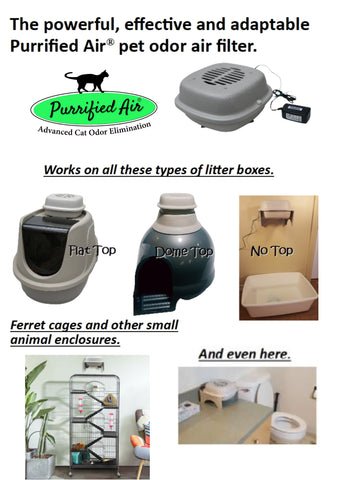
Air purifiers are powerful tools for cleaning the air and removing pet odors. Look for models with HEPA filters and activated carbon, as these capture both particles and smells. Running a purifier near your cat’s area can significantly freshen the air.
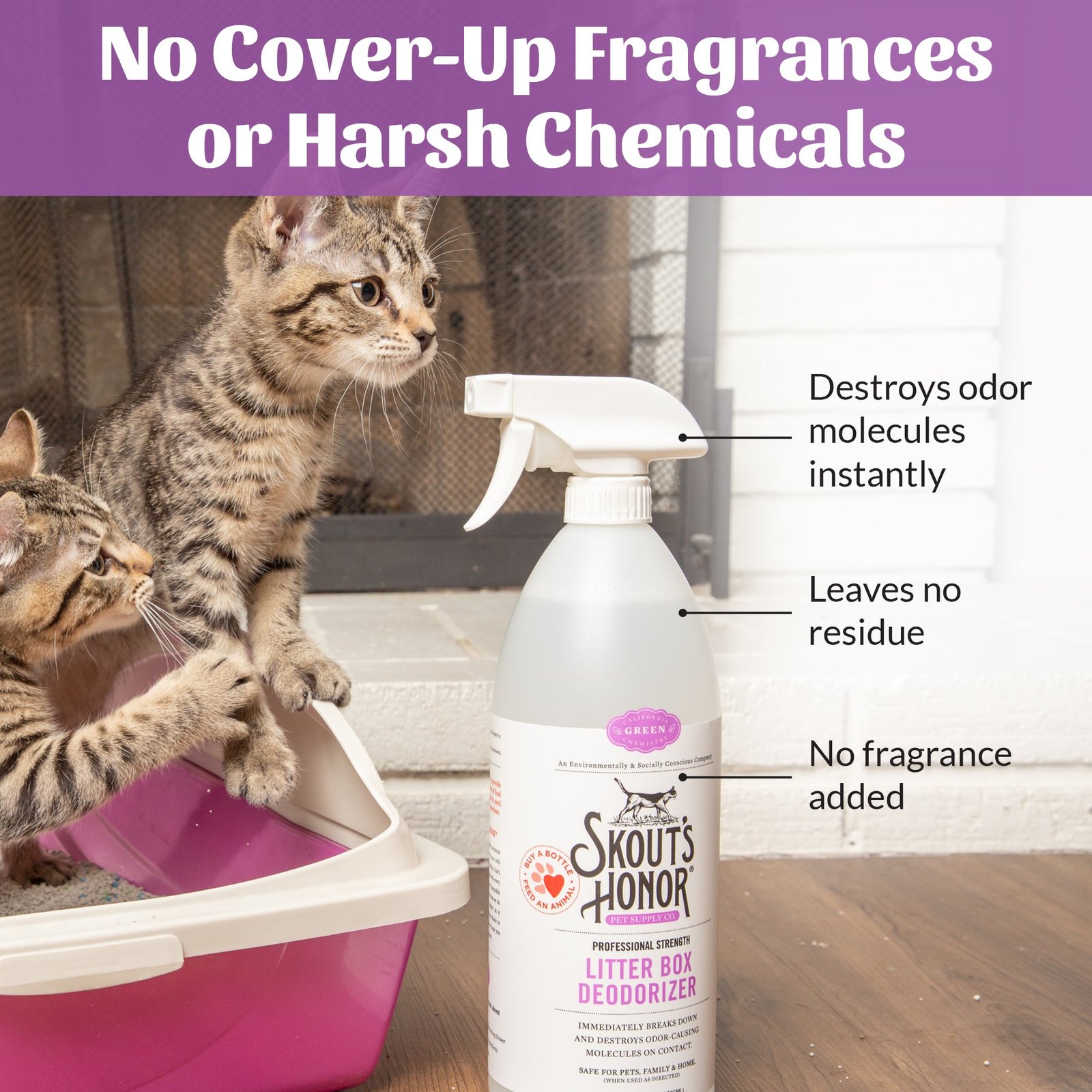
Deodorizers, like baking soda or commercial sprays, absorb and neutralize odors. Sprinkle baking soda in the litter box or around its base to combat smell naturally. Just remember to replace it regularly for best results.
Try essential oil diffusers with pet-safe oils such as lavender or chamomile to add a gentle fragrance. But always check that the scents you use are safe for cats, as some can be harmful.
Diy Odor Neutralizers
DIY odor neutralizers offer an easy way to keep your house smelling fresh. They use simple ingredients found at home. These solutions are safe for pets and cost-effective. You can customize scents to your liking. Regular use helps control lingering litter smells effectively.
Homemade Baking Soda Mixes
Baking soda is a natural odor absorber. It works by neutralizing acidic and basic odors. Sprinkle baking soda directly into the cat litter box daily. For stronger odor control, mix baking soda with other ingredients:
- Combine 1 cup of baking soda with 10 drops of lemon juice.
- Mix baking soda with a tablespoon of cornstarch for moisture control.
- Add a few drops of vanilla extract to baking soda for a pleasant smell.
Store your mix in an airtight container. Use it as a top layer on the litter. This helps reduce odors throughout the day.
Essential Oils And Natural Sprays
Essential oils can freshen the air without harmful chemicals. Some oils mask odors while others neutralize them.
- Lavender oil offers a calming scent and reduces odor.
- Tea tree oil has antibacterial properties that fight smell sources.
- Lemon or eucalyptus oil refreshes the room naturally.
To make a natural spray, mix 10-15 drops of your chosen oil with 1 cup of water. Pour the blend into a spray bottle and shake well. Lightly mist the area around the litter box daily.
Avoid spraying directly on the litter or your cat. Always test oils in small amounts to check for sensitivities.
Preventing Future Odors
Stopping cat litter smells before they start helps keep your home fresh. Simple actions can reduce odor build-up and improve air quality. Focus on smart habits and small changes to make a big difference. Preventing smells is easier than fixing strong odors later.
Regular Litter Box Placement
Choose a quiet, well-ventilated spot for the litter box. Avoid cramped areas with poor airflow. Keep the box away from heat sources that can increase smell. Use a location easy to clean around and near your cat's favorite resting spots.
Place the box on a hard floor, not carpet, for easy cleaning. Consider multiple boxes if you have more than one cat. This helps spread out waste and lowers odor concentration.
Diet And Health Factors
Your cat’s diet affects the smell of their waste. High-quality food reduces strong odors and improves digestion. Avoid foods with fillers or artificial ingredients that may worsen smell.
Regular vet visits help spot health issues that cause strong urine or stool odors. Conditions like urinary tract infections can increase litter box smell. Early treatment keeps your cat healthy and your home smelling fresh.
Credit: www.familyhandyman.com
Frequently Asked Questions
How Can I Quickly Remove Cat Litter Smell?
Clean the litter box daily and replace the litter weekly. Use baking soda in the box to neutralize odors. Ensure proper ventilation in the room to reduce smell buildup.
What Type Of Cat Litter Controls Odor Best?
Clumping clay litter and silica gel crystals are great for odor control. Natural litters like pine or walnut also absorb smells well. Choose unscented varieties to avoid overwhelming scents.
How Often Should I Clean The Cat Litter Box?
Clean the litter box daily by scooping waste. Change all the litter and wash the box thoroughly once a week. Regular cleaning prevents odor and keeps your home fresh.
Can Air Purifiers Help With Cat Litter Smells?
Yes, air purifiers with HEPA filters reduce airborne odor particles. They improve indoor air quality by capturing dust and allergens. Place the purifier near the litter area for best results.
Conclusion
Getting rid of cat litter smell takes simple steps. Clean the litter box often and use fresh litter. Good air flow helps keep your home smelling nice. Try natural deodorizers like baking soda for extra freshness. Small changes make a big difference over time.
Your house can smell clean and welcoming again. Keep up with these habits for lasting results. A fresh home is possible with a little effort.