
Dealing with an aggressive dog can be stressful and even dangerous. You want to keep everyone safe—your dog, yourself, and those around you.
One of the best tools to help manage this behavior is a muzzle. But how do you get a muzzle on an aggressive dog without making things worse? You’re about to discover simple, effective steps that will help you put a muzzle on your dog calmly and safely.
Keep reading to learn how to protect your dog and everyone else, while building trust in the process.
Choosing The Right Muzzle
Choosing the right muzzle is key to handling an aggressive dog safely. A proper muzzle keeps everyone safe and makes the dog feel more comfortable. Not all muzzles are the same, so picking the right type and size matters. It must fit well, allow breathing, and not cause pain or stress. Understanding different types, materials, and sizes helps find the best option for your dog.
Types Of Dog Muzzles
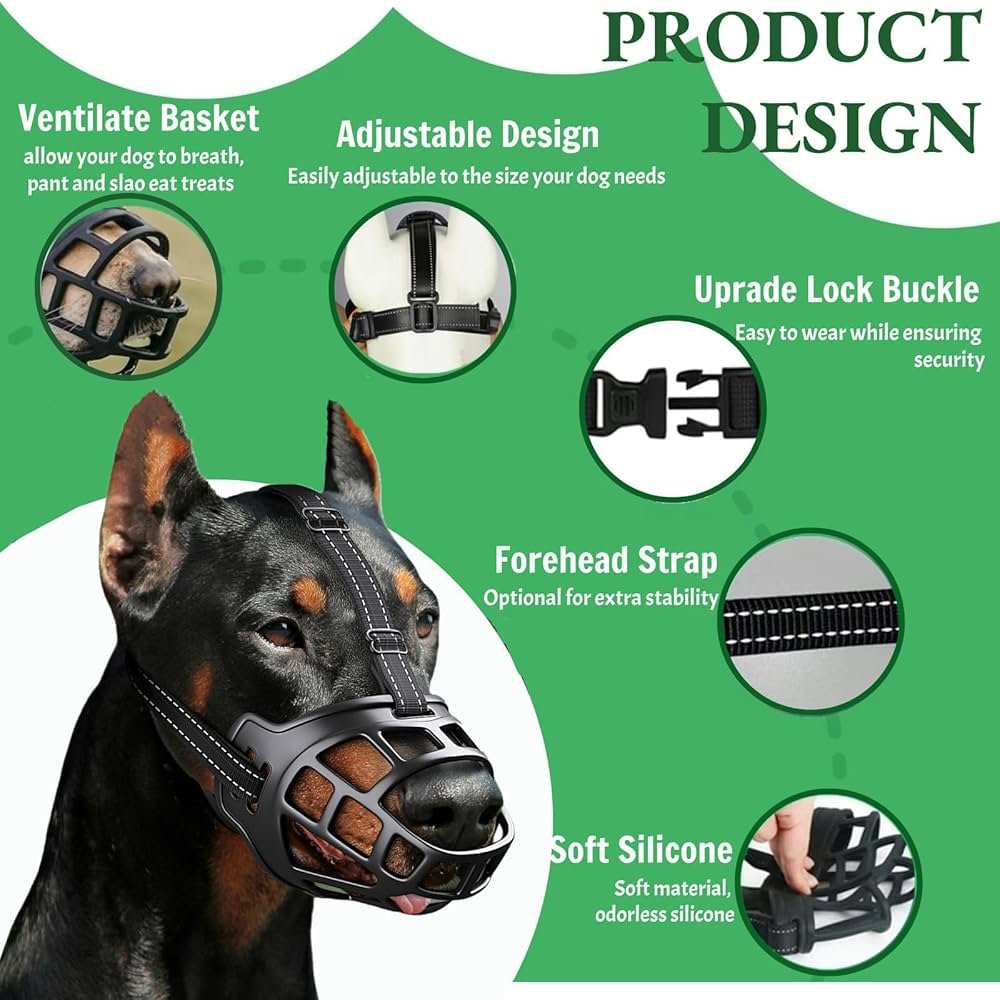
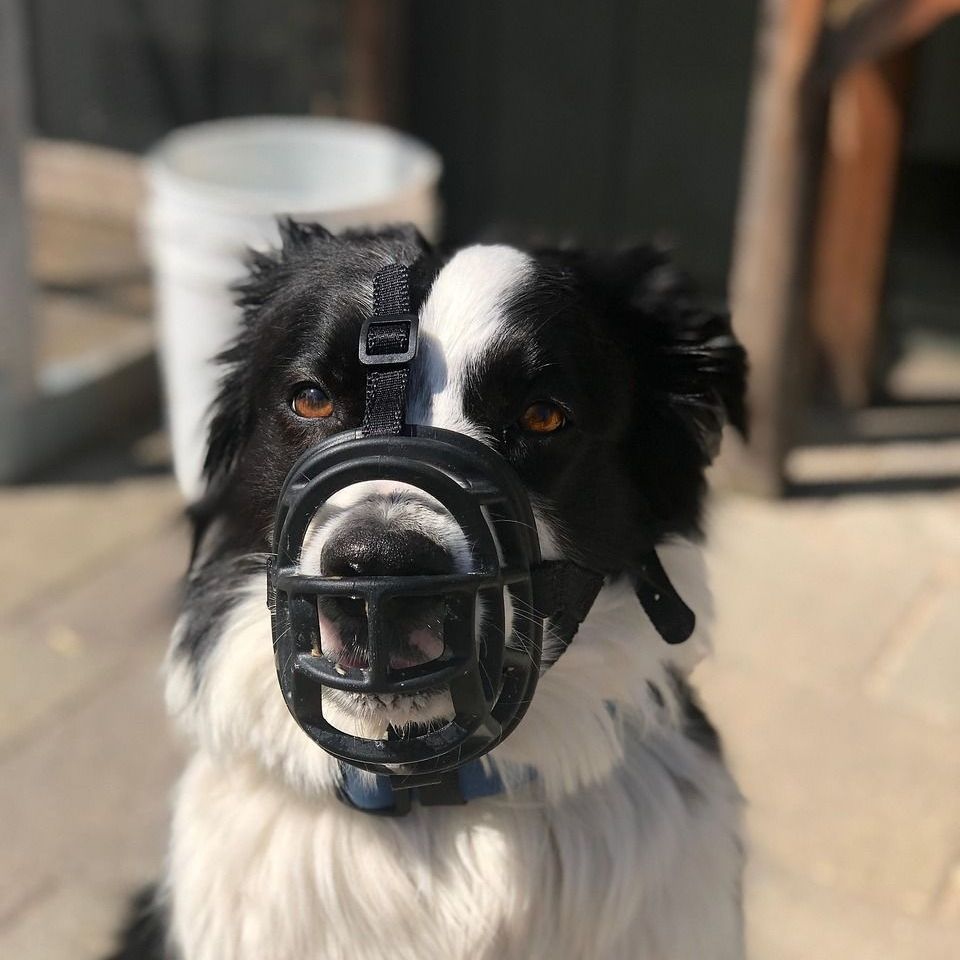
There are several muzzle types. Basket muzzles are open and allow panting and drinking. Soft muzzles cover the mouth tightly and limit chewing. Mesh muzzles are lightweight but less durable. Each type suits different needs and dog behaviors. Basket muzzles are best for longer wear. Soft muzzles are good for short use or training.
Materials And Comfort
Materials affect comfort and durability. Leather muzzles are strong and last long. Nylon muzzles are light and easy to clean. Plastic basket muzzles provide good ventilation. Look for padded straps to avoid rubbing. Comfort helps the dog accept the muzzle without stress. Always check for smooth edges and flexible materials.
Size And Fit Considerations
The muzzle must fit snugly but not too tight. Measure your dog’s snout length and width carefully. The muzzle should allow the dog to open its mouth slightly. Avoid muzzles that pinch or block breathing. Adjustable straps help get a better fit. A good fit prevents the dog from slipping out or injuring itself.
Credit: www.biltonvets.co.uk
Preparing Your Dog
Getting a muzzle on an aggressive dog requires patience and careful preparation. Rushing the process can increase your dog's stress and resistance. Preparing your dog properly sets the foundation for a safer and more positive experience for both of you.
Building Positive Associations
Start by letting your dog see and sniff the muzzle without putting it on. Hold the muzzle near your dog during calm moments so it becomes a familiar object rather than a threat.
Try placing the muzzle near their food or favorite toys. This helps your dog link the muzzle with good things. Have you noticed how your dog reacts when they first meet new objects? Use that curiosity to your advantage here.
Introducing The Muzzle Gradually
Don’t try to put the muzzle on all at once. Begin by gently touching your dog’s nose and mouth area, then slowly move toward fitting the muzzle for a few seconds at a time.
Take breaks often and watch for signs of stress like yawning, lip licking, or turning away. If your dog gets tense, step back and let them relax before trying again. How much time can you dedicate each day to this gradual introduction?
Using Treats And Rewards
Treats are your best ally. Offer small, tasty treats every time your dog allows the muzzle to get closer or stays calm while wearing it.
Use high-value rewards that your dog loves, such as pieces of chicken or cheese. This makes wearing the muzzle a positive experience they want to repeat.
Consistency is key—reward your dog every single time during training sessions to build trust and cooperation. What treats does your dog find irresistible?
Safe Muzzling Techniques
Applying a muzzle to an aggressive dog requires care, patience, and the right technique. Safe muzzling techniques help protect both you and your dog while reducing stress. Taking a calm and controlled approach increases the chance of success and keeps the experience as positive as possible for your dog.
Proper Handling And Approach
Before you even reach for the muzzle, make sure your dog is as calm as possible. Approach your dog slowly and avoid sudden movements that could trigger aggression. Speak softly and use treats to build trust—this signals that the muzzle is not a punishment.
Always keep your body language relaxed. Stand to the side rather than directly in front, which feels less threatening to your dog. If your dog shows signs of stress or aggression, pause and give them time to settle.
Step-by-step Muzzle Application
- Hold the muzzle open with one hand and offer a treat with the other to encourage your dog to sniff and accept it.
- Gently guide your dog’s nose into the muzzle, continuing to reward calm behavior with treats and praise.
- Secure the straps carefully, ensuring the muzzle fits snugly but doesn’t restrict breathing or panting.
- Keep the session short at first, allowing your dog to get used to wearing the muzzle for brief periods.
Remember, rushing this process can backfire. Take your time and be patient—your dog needs to feel safe throughout.
Monitoring Your Dog's Reaction
Once the muzzle is on, watch your dog closely. Are they calm, or do they try to paw at the muzzle? Signs of extreme discomfort or panic mean you need to remove it and try again later.
Use positive reinforcement to help your dog associate the muzzle with good things. Short, frequent sessions will help your dog adjust faster and reduce resistance.
Ask yourself: Is my dog showing signs of stress that I might be missing? Sometimes subtle cues like lip licking or yawning signal discomfort. Stay attentive and responsive to your dog’s needs.

Credit: www.amazon.ca
Addressing Aggression Causes
Addressing the root causes of aggression in your dog is crucial before putting on a muzzle. Understanding why your dog behaves aggressively helps you manage the behavior more effectively and keeps both your dog and others safe. Tackling these causes head-on can make the muzzle a helpful tool rather than a punishment.
Identifying Triggers
First, observe your dog closely to find out what sparks their aggression. Is it certain people, other animals, loud noises, or being touched in specific spots? Keep a journal of these incidents, noting the time, place, and what happened just before the aggressive behavior started.
Sometimes, aggression comes from fear or pain. Has your dog experienced something traumatic? Have you checked with a vet to rule out health issues? Understanding these triggers helps you react calmly and avoid escalating the situation.
Behavioral Training Tips
Once you know the triggers, start teaching your dog more positive responses. Use simple commands like "sit," "stay," or "look" to redirect their focus when you sense aggression building. Reward calm behavior with treats or praise to reinforce good habits.
Practice desensitization by slowly exposing your dog to triggers at a distance where they feel safe. Gradually decrease that distance over time, always monitoring their reactions. Patience is key; pushing too fast can backfire and increase aggression.
Seeking Professional Help
Sometimes, aggression is too complex to handle alone. A certified dog trainer or a veterinary behaviorist can offer personalized advice and training plans. They can show you how to use a muzzle correctly without causing extra stress to your dog.
Don’t hesitate to ask for help if you feel overwhelmed. Professional guidance can prevent injuries and build your confidence in managing your dog's aggression safely. Have you reached out to an expert yet?
Maintaining Muzzle Use
Maintaining a muzzle on an aggressive dog requires careful attention and regular care. Proper maintenance ensures the muzzle stays safe, clean, and comfortable for your dog. Consistent checks help prevent problems that could cause discomfort or injury.
Regular Cleaning And Inspection
Clean the muzzle daily to remove dirt and saliva. Use mild soap and warm water for washing. Avoid harsh chemicals that can irritate your dog’s skin. After washing, dry the muzzle completely before reuse.
Inspect the muzzle regularly for signs of wear or damage. Look for cracks, loose straps, or broken parts. Replace the muzzle if any damage appears. A strong and intact muzzle is essential for safety.
Ensuring Comfort Over Time
Check the fit of the muzzle frequently. It should be snug but not tight. Adjust straps as needed to avoid chafing or pressure sores. Watch your dog for signs of discomfort or stress.
Offer breaks from the muzzle during calm times. Let your dog relax without it when safe. Use positive reinforcement to make muzzle time easier. Comfort helps your dog accept the muzzle better.
When To Remove The Muzzle
Remove the muzzle if your dog shows signs of distress. Heavy panting, pawing at the muzzle, or panic are signals to stop. Take off the muzzle if your dog needs to drink or eat.
Never leave a muzzled dog unattended for long periods. Use the muzzle only for short, necessary times. Always supervise your dog to ensure safety and comfort.

Credit: www.amazon.ca
Frequently Asked Questions
How Do I Safely Approach An Aggressive Dog?
Approach slowly and calmly without direct eye contact. Use a soothing tone. Avoid sudden movements to prevent startling the dog.
What Type Of Muzzle Is Best For Aggressive Dogs?
A basket muzzle is ideal. It allows panting and drinking. Avoid soft muzzles as they can restrict breathing.
How Do I Introduce A Muzzle To My Dog?
Start by letting the dog sniff the muzzle. Reward with treats for calm behavior. Gradually increase wearing time daily.
Can A Muzzle Help In Dog Training?
Yes, it helps control biting impulses. Use alongside positive reinforcement training. Muzzles are a temporary safety tool, not a cure.
Conclusion
Getting a muzzle on an aggressive dog takes patience and care. Start slow and use treats for positive association. Choose a muzzle that fits well and is comfortable. Practice regularly to help your dog adjust. Always ensure your dog's safety and comfort during the process.
Seek professional help if needed. Remember, your goal is a calm and secure pet. With time and consistency, your efforts will pay off. Keep your dog and others safe. Your dedication makes a big difference in your dog's behavior.