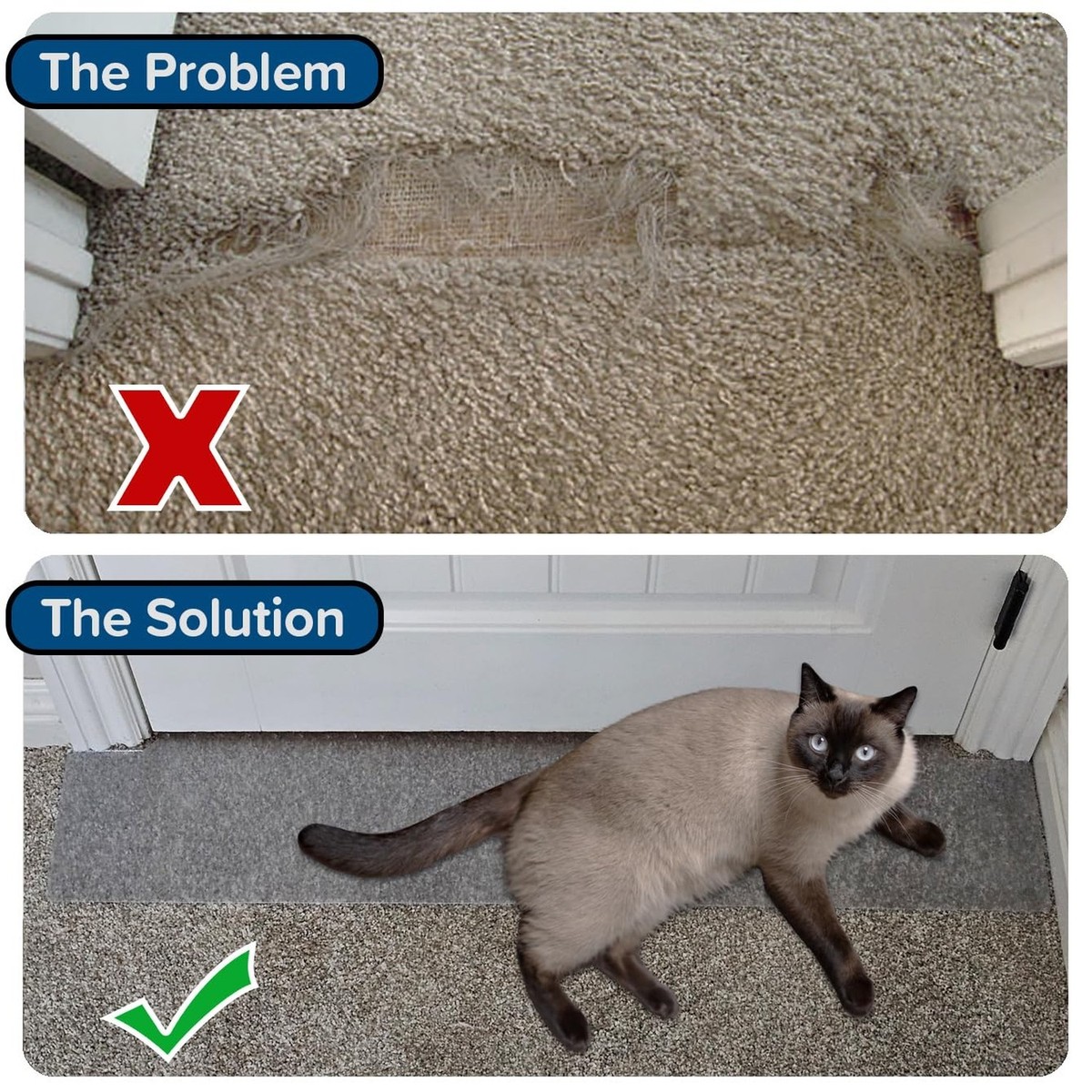
Are you tired of finding your beautiful carpet in shreds, all thanks to your feline friend’s relentless scratching? You're not alone.
Many cat owners face this frustrating issue, but the good news is that there are effective ways to stop it. Imagine a home where your carpets stay intact, and your cat is still happy and healthy. Sounds great, right? In this guide, we’ll explore simple yet powerful techniques to redirect your cat's scratching behavior.
You'll learn why cats scratch in the first place and discover practical solutions that fit seamlessly into your daily routine. Ready to reclaim your carpet? Let’s dive in!
Why Cats Scratch
Understanding why cats scratch is key to helping your furry friend stop damaging your carpet. Scratching is not just a bad habit; it’s a natural behavior rooted in several important instincts. Let’s look closely at the main reasons behind this action so you can address it effectively.
Natural Instincts
Scratching is an instinctive behavior for cats. It helps them stretch their muscles and keeps their paws flexible and strong. If you’ve ever seen your cat arch its back and extend its claws, you know this is a way for them to stay physically fit.
Think about your own need to stretch after sitting too long. Your cat feels the same urge and uses scratching to release tension. Ignoring this natural need can lead to more aggressive scratching on things you don’t want damaged.
Territory Marking
Cats have scent glands in their paws. When they scratch, they leave behind a scent that marks their territory. This is their way of communicating with other cats and asserting ownership.
Have you noticed your cat scratching the same corner repeatedly? That’s their way of saying, “This is mine.” Understanding this can help you provide alternative spots for them to mark without ruining your carpet.
Nail Maintenance
Scratching helps cats keep their nails healthy. It removes the outer layer of their claws, preventing them from becoming too long or sharp. If your cat’s nails get too long, it can be uncomfortable or even painful for them.
Providing proper scratching posts lets your cat take care of their nails naturally. Without this outlet, your cat might choose your carpet simply because it’s accessible and textured just right for nail trimming.
Credit: www.ebay.com
Common Reasons For Carpet Scratching
Cats scratch carpets for several reasons. Understanding these reasons helps stop this behavior. Scratching is natural for cats, but carpets are not the best choice. They need to scratch to keep their claws healthy and mark their territory.
Boredom And Stress
Cats scratch when they feel bored or stressed. Scratching helps them release energy and calm down. A cat left alone for long may scratch to pass time. Stress from changes in the home can also lead to carpet scratching.
Lack Of Alternatives
Cats need proper scratching spots. Without good alternatives, they choose carpets. Scratching posts or pads provide a better place for claws. If these are missing or unappealing, cats turn to furniture or carpet.
Attention Seeking
Some cats scratch carpets to get attention. They learn this draws a reaction from owners. Even negative attention can encourage this behavior. Cats want interaction and may use scratching to get it.
Choosing The Right Scratching Posts
Choosing the right scratching posts is key to stopping cats from scratching carpets. Cats need a good place to scratch. A post that feels right will draw their attention away from your carpet. Picking the right post helps keep your cat happy and your home safe.
Materials Cats Prefer
Cats like certain materials for scratching. Sisal is one of the best choices. It is rough and strong, perfect for claws. Cardboard also works well for many cats. It is soft but satisfying to scratch. Some cats enjoy carpeted posts, but this can confuse them if you want to protect your carpet. Wood posts with bark can also attract cats. Try different materials to find your cat’s favorite.
Placement Tips
Place scratching posts where your cat spends most time. Near windows or favorite resting spots work well. Cats often scratch after waking up, so put posts close to their beds. Avoid hiding posts in corners or behind furniture. Make them easy to find and use. Having several posts around the house can reduce carpet scratching.
Different Types Of Posts
Scratching posts come in many shapes and sizes. Vertical posts are tall and let cats stretch fully. Horizontal scratchers lie flat and suit cats who prefer scratching on the ground. Inclined posts offer a middle ground. Some posts combine materials like sisal and carpet. Cat trees with built-in scratching areas offer both play and scratch options. Pick types that match your cat’s style.

Credit: www.amazon.com
Training Techniques To Redirect Scratching
Training a cat to stop scratching the carpet requires patience and the right approach. Cats scratch to mark territory and keep their claws healthy. Redirecting this behavior helps protect your carpet and keeps your cat happy. Use clear, simple methods to guide your cat toward acceptable scratching surfaces.
Positive Reinforcement
Reward your cat when it scratches the right place. Use treats, petting, or praise immediately after your cat uses a scratching post. This helps your cat connect good feelings with proper scratching.
Place scratching posts near carpet areas your cat likes. Encourage your cat to explore these posts by rubbing catnip on them. Consistent rewards build a positive habit over time.
Deterrents For Carpets
Make carpets less appealing to your cat. Use safe deterrents like double-sided tape or plastic carpet runners with the spike side up. Cats dislike the texture and avoid scratching these areas.
Try citrus scents or sprays designed to keep cats away. Spray lightly on carpet edges. Avoid harsh chemicals that can harm your cat or your carpet.
Consistency In Training
Be consistent with your training efforts. Redirect your cat immediately after it starts to scratch the carpet. Gently pick up your cat and place it on the scratching post.
Repeat this every time your cat scratches the carpet. Consistency teaches your cat which behavior is expected. Patience and persistence lead to lasting change.
Home Remedies And Products
Stopping a cat from scratching carpet needs patience and the right tools. Home remedies and products help protect your carpet without hurting your cat. These options keep your cat safe and happy while saving your floor.
Cat-safe Sprays
Cat-safe sprays deter cats from scratching carpet. They contain natural scents cats dislike, such as citrus or lavender. Spray these on carpet areas your cat targets. The smell keeps cats away without chemicals or harm. Reapply regularly for best results. Choose sprays labeled safe for pets.
Protective Covers
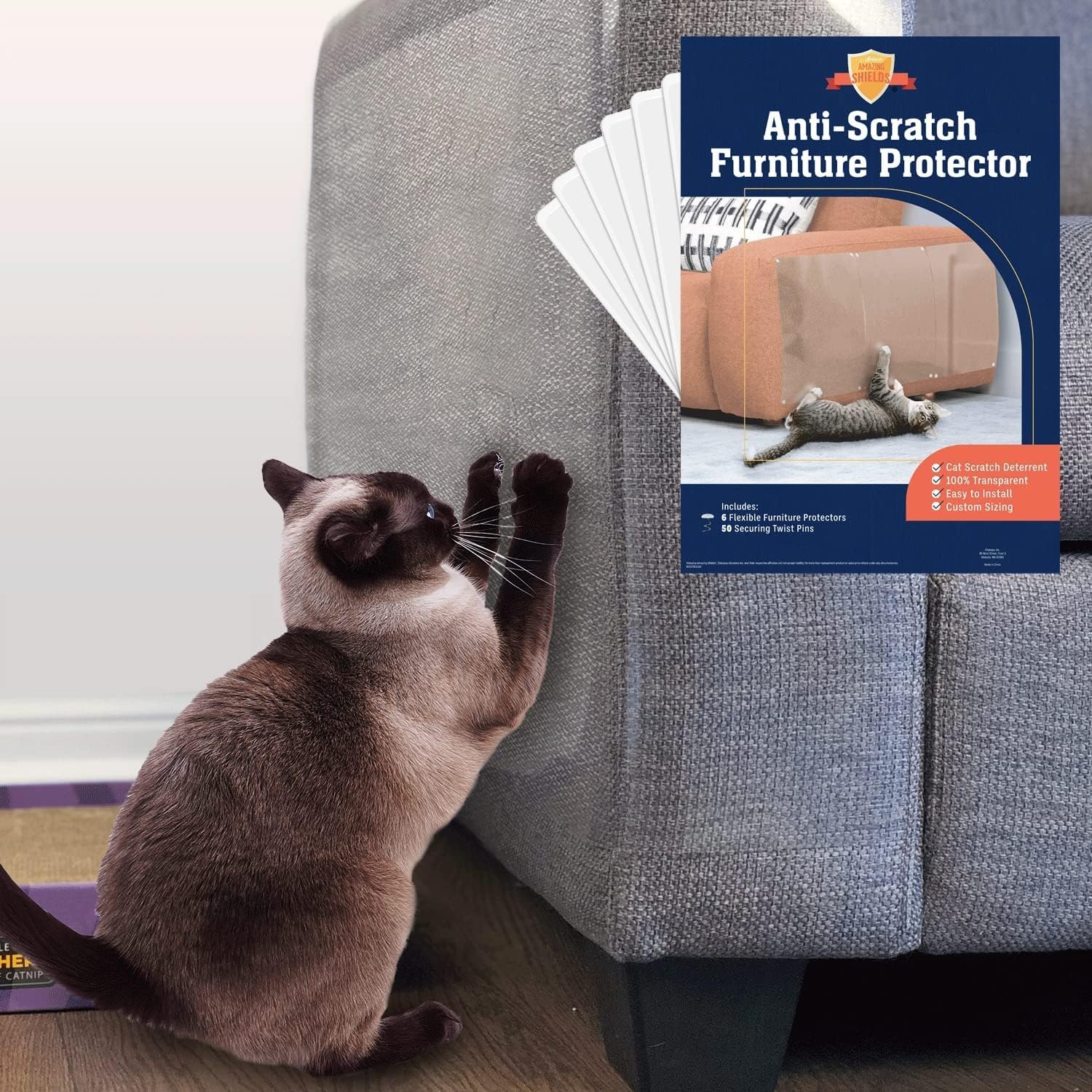
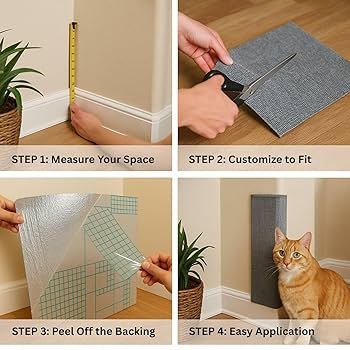
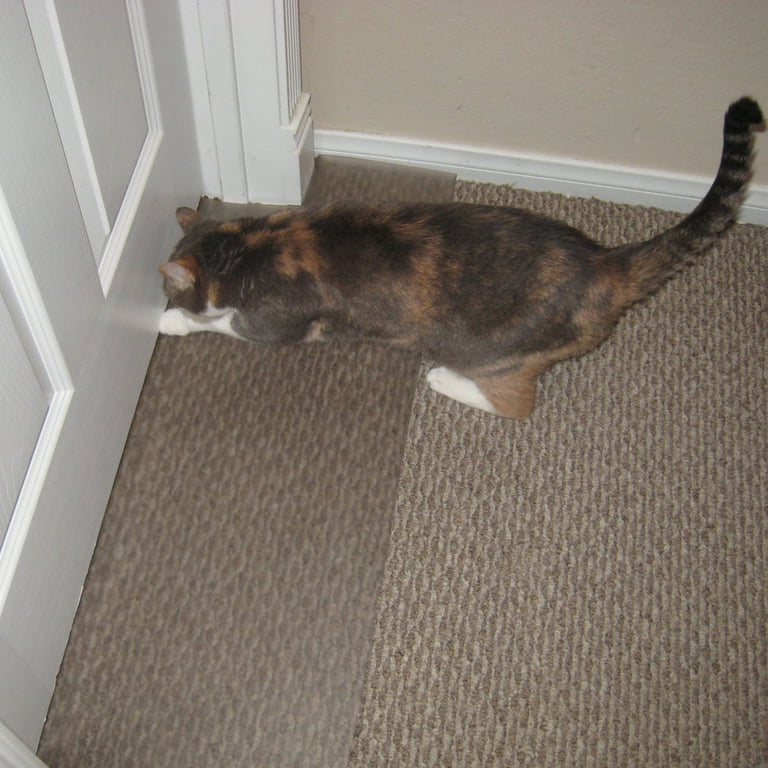
Protective covers shield carpet from cat claws. Use plastic mats or clear vinyl sheets over problem spots. These covers stop claws from sinking into the carpet fibers. They are easy to clean and remove. Covers give your cat a firm surface without damage. Make sure the cover stays secure and smooth.
Nail Caps
Nail caps are soft covers glued to your cat’s claws. They prevent sharp scratching on carpet and furniture. Nail caps come in different sizes and colors. They last several weeks before needing replacement. Applying them might require a vet or groomer’s help. Nail caps keep your cat’s claws safe and your carpet intact.
Regular Nail Care
Regular nail care is a key step to prevent your cat from scratching the carpet. Cats naturally use their claws to mark territory and stretch, but keeping their nails trimmed reduces damage to your home. Plus, it keeps your feline friend comfortable and healthy.
Trimming Nails
Trimming your cat’s nails regularly can make a big difference. Use a sharp, cat-specific nail clipper and only trim the sharp tips, avoiding the pink quick inside the nail. If you’re nervous, try trimming just one or two nails at a time to help your cat get used to the process.
Make the experience positive by offering treats and gentle praise. You might be surprised how quickly your cat adapts. Have you noticed your cat’s claws clicking on hard floors? That’s a good sign it’s time for a trim.
Professional Grooming
If trimming nails yourself feels intimidating, consider professional grooming. Groomers have experience handling cats and can safely trim nails without stress. Many groomers also offer mobile services, making the process easier for shy or anxious cats.
Booking regular grooming appointments ensures consistent nail care. It also gives you peace of mind knowing your cat’s nails are properly maintained. Have you tried a groomer yet? Their expertise might save you time and hassle.
Benefits Of Nail Care
Keeping your cat’s nails trimmed reduces carpet damage and protects your furniture. It also lowers the risk of painful nail breaks or infections. Beyond home protection, nail care helps your cat move comfortably without snagging or tearing nails.
Think about how nail care fits into your routine. Could a few minutes every week prevent costly repairs and keep your cat happy? Regular nail care is a simple habit with lasting benefits for both of you.
Creating A Stimulating Environment
Cats scratch to mark territory and keep their claws healthy. A dull or boring environment can make a cat scratch carpets for fun or stress relief. Creating a stimulating environment helps redirect your cat’s energy and curiosity. It keeps them busy and less likely to damage carpets.
Toys And Playtime
Provide a variety of toys to keep your cat entertained. Toys with feathers, bells, or catnip attract their attention. Rotate toys often to keep them interesting. Spend time playing with your cat daily. Use wand toys or laser pointers to encourage active play. This helps reduce boredom and scratching habits.
Vertical Spaces
Cats love to climb and explore high places. Add cat trees, shelves, or window perches for climbing. Vertical spaces give your cat a safe place to scratch and rest. They feel more secure and less stressed. This also saves your carpet from damage.
Interactive Activities
Interactive activities engage your cat’s mind and body. Puzzle feeders or treat-dispensing toys challenge their problem-solving skills. Hide treats around the house to encourage natural hunting behaviors. These activities reduce stress and keep your cat busy. A busy cat is less likely to scratch carpets out of boredom.
Credit: www.greensafaris.com
Frequently Asked Questions
How Can I Stop My Cat From Scratching The Carpet?
Provide scratching posts near carpet areas. Use deterrents like double-sided tape. Trim your cat’s nails regularly. Reward good scratching behavior to encourage it.
Why Do Cats Scratch Carpets Instead Of Furniture?
Cats scratch carpets to mark territory, shed nail sheaths, and stretch muscles. Carpets often feel satisfying to scratch compared to furniture textures.
What Are Safe Deterrents To Protect Carpets From Cats?
Use double-sided tape, citrus sprays, or commercial cat repellents on carpets. These are safe and discourage scratching without harming your cat.
How Often Should I Trim My Cat’s Nails To Reduce Scratching?
Trim your cat’s nails every 1-2 weeks. Regular trimming reduces damage and discomfort, helping prevent carpet scratching.
Conclusion
Stopping a cat from scratching carpet takes patience and care. Provide good scratching posts nearby. Reward your cat when it uses them. Cover or block carpet areas temporarily. Trim your cat’s nails regularly. Remember, cats scratch to feel good and mark space.
Redirecting this behavior gently works best. Keep trying different methods until one fits your cat. A calm approach helps your cat learn new habits. Soon, your carpet stays safe, and your cat stays happy.