Getting your cat to eat wet food can feel like a puzzle you just can't solve. You might feel frustrated as you watch your furry friend turn up their nose at a dish full of nutritious, flavorful wet food.
You know it's good for them, but they just won't take a bite. This common issue can leave you wondering what you're doing wrong and how you can change it. Imagine the relief and satisfaction you'll feel when your cat finally starts eating wet food with enthusiasm.
You'll be confident knowing they're getting the hydration and nutrition they need to stay healthy and happy. In this guide, you'll discover simple, practical tips to help your cat transition smoothly to wet food. You'll learn how to make wet food more appealing, how to gradually introduce it, and what common mistakes to avoid. Keep reading to unlock the secrets to a well-fed, content cat.
Why Cats Resist Wet Food
Cats often resist wet food for different reasons. Understanding these reasons helps to encourage them to eat better. Cats have unique tastes and habits that shape their food choices. Knowing why they avoid wet food can make feeding easier and less stressful.
Texture Preferences
Many cats dislike the soft, mushy texture of wet food. They prefer crunchy or firm textures that feel good to chew. Some cats like chunks, while others avoid smooth purees. Texture plays a big role in their willingness to try wet food.
Taste Sensitivities
Cats have sensitive taste buds that react to strong flavors or smells. Wet food often has a stronger aroma than dry food. This smell can be off-putting to some cats. They may reject wet food because it tastes different from what they expect.
Previous Feeding Habits
Cats used to only dry food may resist new wet food. They get used to the taste and texture of their old meals. Changing their diet suddenly can cause stress or refusal to eat. Gradual introduction helps cats accept wet food over time.
Choosing The Right Wet Food
Choosing the right wet food is a key step in encouraging your cat to enjoy mealtime. The variety, quality, and type of wet food can make a big difference in how eager your cat is to eat. Understanding what appeals most to your cat’s taste and nutritional needs can save you time and frustration.
Flavor Varieties
Cats have unique preferences when it comes to flavors. Some love the rich taste of chicken, while others prefer fish or turkey. Trying different flavors can help you discover what excites your cat’s palate.
Think about mixing flavors too. Offering a variety keeps mealtime interesting and can prevent your cat from getting bored with the same taste every day. Have you noticed your cat’s reaction to certain flavors? That’s a clue worth following.
Quality Ingredients
Look closely at the ingredient list. High-quality wet food contains real meat or fish as the first ingredient, not fillers like corn or wheat. This ensures your cat gets the protein they need to stay healthy and active.
Avoid foods with artificial colors, flavors, or preservatives. These can turn off picky eaters and may cause digestive issues. Choosing natural, wholesome ingredients shows respect for your cat’s well-being.
Wet Food Types
Wet food comes in various forms: pâté, chunks in gravy, or minced. Each texture offers a different eating experience for your cat. Some cats prefer smooth pâté, while others like the chunkier pieces that resemble real meat.
Try offering small samples of each type to see what your cat prefers. Notice if your cat is more eager to eat when the food is moist or more solid. This simple test can guide you to the perfect choice.
Preparing Wet Food To Appeal
Preparing wet food to appeal to your cat can make mealtime easier. Cats can be picky eaters. Changing the food’s smell, texture, or taste helps catch their interest. Small adjustments can make a big difference.
Try to make the food more inviting. Warm it slightly, add tasty toppers, or mix it with dry food. These tricks can encourage your cat to eat and enjoy wet food more.
Warming Food
Warm wet food releases stronger smells. Cats rely on smell to choose food. Heat the food slightly to bring out its aroma.
- Place the food in a microwave-safe bowl.
- Heat for 5 to 10 seconds only.
- Stir to even the temperature.
- Test the food to avoid hot spots.
Adding Toppers
Toppers add extra flavor and texture. They make the meal more exciting. Use small amounts of tasty treats or broths.
- Sprinkle freeze-dried meat or fish flakes.
- Add a spoon of low-sodium broth.
- Try a bit of canned tuna juice.
- Use a small amount to avoid overfeeding.
Mixing With Dry Food
Combining wet and dry food eases the transition. Cats enjoy familiar dry food textures. Mixing helps them accept wet food gradually.
- Start by adding a small spoon of wet food to dry food.
- Increase the wet food portion slowly over days.
- Keep the mixture fresh and serve immediately.
- Observe your cat’s reaction and adjust the mix.
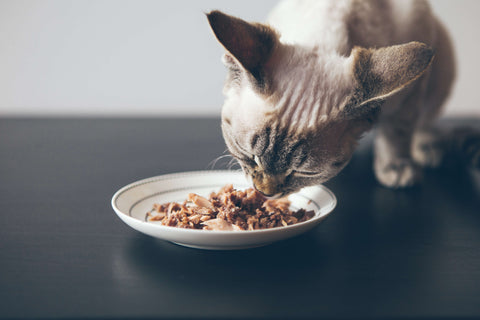
Credit: www.yummybowl.com
Feeding Techniques That Help
Getting your cat to enjoy wet food can sometimes be a challenge. The right feeding techniques can make a big difference in encouraging your feline friend to try and accept this nutritious option. Here are some practical ways to help your cat feel comfortable and interested during mealtime.
Scheduled Feeding Times
Setting specific times for feeding helps your cat develop a routine. Cats often respond well to consistency, so feeding at the same times every day can build anticipation.
Try offering wet food twice a day, removing any leftovers after 20-30 minutes. This approach encourages your cat to eat when food is available rather than grazing all day.
Have you noticed how your cat’s appetite changes with routine? Sticking to scheduled times might just trigger their natural hunger cues.
Small Portions
Large servings can overwhelm your cat, especially if they’re new to wet food. Start with small amounts to avoid wasting food and to make the meal feel manageable.
Offering a teaspoon or two at first can help your cat get used to the texture and smell without pressure. Gradually increase portions as they show more interest.
Consider dividing the daily wet food allowance into multiple small servings. This keeps your cat curious and eager for each meal.
Creating A Calm Environment
Cats are sensitive to their surroundings. A noisy or busy feeding area can distract or stress them, reducing their appetite.
Choose a quiet, comfortable spot for feeding, away from loud noises, other pets, or heavy foot traffic. You might find your cat eats better in a cozy corner or a separate room.
Have you tried lowering your voice or sitting nearby during feeding times? Your calm presence can reassure your cat and make mealtime more inviting.
Encouraging Cats To Try Wet Food
Encouraging cats to try wet food can take patience and gentle effort. Cats often prefer dry food due to texture and familiarity. Introducing wet food gradually helps them adjust. Positive experiences make them more open to change. Try different approaches to find what works best for your cat.
Using Treats As Incentives
Treats can make wet food more appealing. Offer small treats before mealtime to build interest. Mix tiny bits of treats into wet food. This adds flavor and encourages tasting. Praise your cat when it tries the new food. Treats create a positive link with wet food.
Gradual Food Transition
Switching suddenly can cause rejection or upset stomach. Start by mixing a small amount of wet food with dry food. Increase the wet food portion slowly over several days. Watch your cat’s reaction and adjust speed as needed. This helps your cat get used to the taste and texture without stress.
Positive Reinforcement
Reward your cat for trying or eating wet food. Use gentle petting, calm words, or extra playtime. Avoid forcing or scolding if your cat resists. Positive reinforcement builds trust and encourages good behavior. Celebrate small successes to keep your cat motivated.

Credit: www.weruva.com
Common Mistakes To Avoid
Getting your cat to enjoy wet food can be challenging, especially if you unknowingly make some common mistakes. These errors often slow down progress and can frustrate both you and your furry friend. Avoiding these pitfalls will help create a smoother transition and make mealtime more enjoyable for your cat.
Overfeeding Dry Food
Offering too much dry food before introducing wet food can reduce your cat’s appetite for the new texture and flavor. Cats tend to fill up quickly on dry kibble, leaving little room for wet food during mealtime. Try limiting dry food portions to encourage curiosity and hunger for wet options.
Think about your cat’s daily calorie needs and adjust accordingly. If your cat is used to snacking throughout the day, consider scheduled feeding times instead. This simple change can increase their interest in wet food.
Ignoring Food Temperature
Serving wet food straight from the fridge can be unappealing to cats. Cold food dulls aromas and flavors, which are crucial for enticing your cat to eat. Warming the food slightly can make a big difference in acceptance.
Try warming wet food for about 10-15 seconds in the microwave or letting it sit at room temperature before serving. Notice how your cat reacts to the change in temperature. You might be surprised at how much more eager they become.
Changing Food Too Quickly
Switching your cat’s diet abruptly often leads to refusal or digestive upset. Cats appreciate routine and gradual changes, especially when it comes to food. Mixing small amounts of wet food with their regular dry food over several days can ease the transition.
Observe your cat’s reactions during this process. If you notice any signs of discomfort or rejection, slow down the pace. Remember, patience is key, and a steady approach usually wins in the long run.
When To Consult A Vet
Knowing when to consult a vet is crucial if your cat refuses to eat wet food. Sometimes, a simple preference can hide deeper health problems. Ignoring these signs might put your cat’s well-being at risk.
Health Issues Affecting Appetite
Illness often causes a loss of appetite in cats. Dental problems, infections, or kidney disease can make eating painful or unpleasant. If your cat suddenly stops eating wet food and shows other signs like lethargy or vomiting, it’s time to see a vet.
Imagine your cat avoiding wet food because of a hidden tooth abscess. You might think it’s just picky eating, but a vet can catch this early. Addressing health issues promptly can save your cat from serious discomfort.
Persistent Food Refusal
What if your cat refuses wet food for several days? This persistent refusal is a red flag. Cats can develop food aversions or suffer from stress-related appetite loss, both needing professional advice.
Have you noticed your cat turning its nose up at wet food despite changing flavors or brands? A vet can help determine if behavioral or medical causes are at play. Don’t wait until your cat loses weight or becomes weak.
Nutritional Concerns
Wet food often provides hydration and essential nutrients. When your cat refuses it, you risk nutritional imbalance. A vet can recommend supplements or alternative diets to ensure your cat stays healthy.
Are you aware that some cats might not get enough moisture from dry food alone? This can lead to urinary tract issues. Consulting a vet helps you create a balanced feeding plan tailored to your cat’s needs.

Credit: cats.com
Frequently Asked Questions
How Do I Transition My Cat To Wet Food?
Start by mixing small amounts of wet food with dry food. Gradually increase wet food over 7-10 days. This helps your cat adjust to new textures and flavors without stress.
Why Won’t My Cat Eat Wet Food?
Cats may reject wet food due to texture, smell, or temperature. Try warming it slightly or changing flavors. Patience and experimentation often encourage acceptance.
Can Wet Food Improve My Cat’s Health?
Yes, wet food provides hydration and is easier to digest. It supports urinary tract health and can help maintain a healthy weight.
How Often Should I Feed My Cat Wet Food?
Feed wet food 1-2 times daily, depending on your cat’s age and activity. Follow package guidelines and consult your vet for best results.
Conclusion
Getting your cat to eat wet food takes time and patience. Start slowly by mixing wet food with their usual dry food. Offer small portions and try warming the food slightly to boost aroma. Watch your cat’s reaction and adjust accordingly.
Every cat is different. Stay calm and keep trying without forcing them. This helps build trust and encourages better eating habits. Wet food can improve hydration and nutrition for your cat. Remember, small steps lead to big changes in your pet’s diet.
Keep their comfort in mind throughout the process.