

Have you ever had that heart-stopping moment when you realize your cat is nowhere to be found? Maybe you were just about to feed them, or perhaps you haven't seen them in hours.
Cats are masters of disguise and love to hide in the most unexpected places. Before you start to panic, take a deep breath and remember this: your cat is probably safe and sound, just indulging in a secret game of hide-and-seek.
In this guide, we’ll share simple yet effective tips to help you find your elusive feline friend within the cozy confines of your home. Stick with us and discover the tricks to turn this frustrating game into a fun and rewarding experience.

Credit: bestfriends.org
Common Hiding Spots
Cats love small, quiet places where they feel safe. They hide in spots that are cozy and hard to reach. Knowing common hiding places helps you find your cat faster. Check these areas carefully to spot your furry friend.
Cozy Corners
Look for quiet corners with soft blankets or cushions. Cats enjoy warmth and comfort. Corners behind curtains or near heaters are popular. These spots offer a snug shelter that cats prefer.
Behind Furniture
Cats often slip behind sofas, chairs, or cabinets. These spaces are dark and hidden. Move furniture gently to avoid scaring your cat. Listen for soft movements or purring sounds.
Inside Closets
Closets provide quiet and darkness, perfect for hiding. Check shelves, boxes, or laundry piles inside. Cats like to burrow into clothes or bags. Open closet doors slowly and call your cat softly.
Under Beds
Under the bed is a common refuge for shy cats. Look under carefully, using a flashlight if needed. Cats may tuck themselves far back. Watch for eyes reflecting light in the dark.
Using Sound To Locate
Using sound to locate your cat inside the house can be surprisingly effective. Cats respond to familiar noises and voices, making sound a useful tool to help you find them quickly. Paying close attention to what your cat reacts to can turn a frustrating search into a successful reunion.
Calling Your Cat
Speak to your cat using their name in a calm and gentle tone. Cats often recognize their names or the sound of their owner’s voice, especially when you keep your tone consistent.
If you’ve noticed your cat responds more to a certain nickname or phrase, use that instead. Try varying your volume slightly, but avoid yelling, which might scare them further into hiding.
Using Toys And Noises
Some cats are attracted to the sound of their favorite toys. Try shaking a bag of treats or tapping a toy that makes noise, like a bell or crinkle ball.
You might also use a laser pointer or a feather wand to create movement and sound that grabs their attention. These noises can entice your cat to come out of hiding or at least give away their location by their reaction.
Listening Carefully
Stay silent and listen for subtle sounds like soft meows, purring, or even the faint rustling of your cat moving around.
Turn off other noise sources like TVs or radios to better hear these clues. Sometimes, just sitting quietly in one spot allows you to pick up on noises you would otherwise miss.
Creating A Cat-friendly Environment
Creating a cat-friendly environment can make a huge difference in finding your cat quickly and safely. Cats naturally seek out cozy, secure spots where they feel comfortable and hidden. By setting up areas that appeal to their instincts, you’ll make it easier to spot them and encourage them to come out on their own.
Setting Up Safe Spaces
Cats love small, enclosed areas where they can relax without feeling threatened. You can create safe spaces by placing soft blankets or cushions inside cardboard boxes, closets, or under furniture. These spots act as quiet retreats and can become your cat’s go-to hideout when they feel unsure.
Try placing these safe spaces in different rooms, especially quieter ones like a guest room or bathroom. Keep these areas free from loud noises or sudden movements to help your cat feel more at ease.
Using Treats And Food
Food is a powerful motivator for most cats. Leaving out your cat’s favorite treats or wet food near safe spaces can coax them to come out if they’re hiding. The smell of something tasty often encourages curious cats to investigate.
Consider using a routine feeding schedule, as cats respond well to consistency. You might notice your cat appearing at usual meal times, making it easier to locate them.
Attracting With Catnip
Catnip can be a useful tool to draw a cat out of hiding. Sprinkle some on a favorite toy or in the safe spaces you’ve created. The scent can stimulate playful behavior or relaxation, depending on your cat’s reaction.
Keep in mind that not all cats respond to catnip. Watch your cat’s behavior carefully and adjust your approach if needed. What’s your cat’s reaction to this herb? This simple test can give you clues about how to attract them effectively.
Checking Unusual Places
Cats love hiding in spots that seem strange to us. These unusual places offer warmth, comfort, and a sense of safety. Checking these areas helps find your cat quickly. They often choose places that are small, dark, and quiet. Be gentle and patient while searching.
Inside Appliances
Small appliances like washers and dryers are cozy spots. Cats enjoy the warmth inside them. Always check before using these machines. Open doors slowly and listen for any sound. Never run appliances without checking first.
Laundry Baskets
Soft clothes and blankets make laundry baskets inviting. Cats like to curl up inside these baskets. Look under piles of clothes carefully. Move items gently to avoid scaring your cat. Laundry rooms can be quiet places where cats hide.
Boxes And Bags
Boxes and bags are favorite hiding spots for cats. Cardboard boxes offer a snug space. Paper or plastic bags also attract them. Check all boxes in the house, including empty ones. Be cautious with plastic bags to prevent accidents.
Preventing Future Hideouts
Preventing future hideouts helps keep your cat safe and easy to find. Cats like small, quiet places to feel secure. Blocking these spots stops them from hiding where you can't reach.
Securing Small Spaces
Check your home for tiny gaps and openings. Cats can squeeze into very small areas. Seal holes behind appliances, under furniture, and inside cabinets. Use mesh or barriers to block spaces. This reduces hiding spots and prevents your cat from getting stuck.
Providing Alternative Hiding Spots
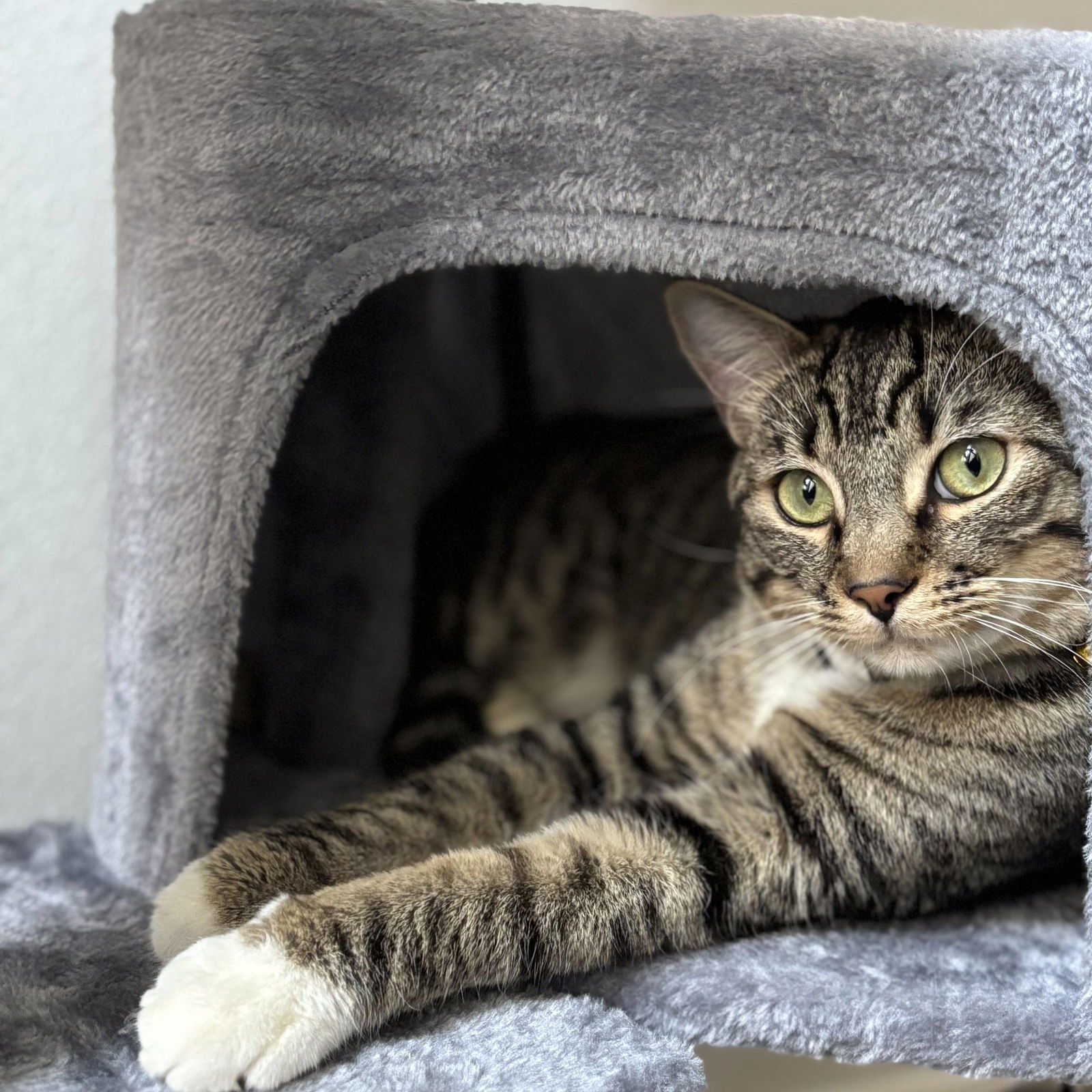
Give your cat safe places to hide. Soft beds, boxes, or cat tunnels work well. Place these in quiet parts of your home. Cats feel comforted by cozy, protected areas. Offering alternatives helps stop them from choosing risky hideouts.

Credit: www.dallaslovebugs.com
Credit: www.aspca.org
Frequently Asked Questions
Where Do Cats Usually Hide In A House?
Cats often hide in quiet, dark places like closets, under beds, or behind furniture. They prefer spots that feel safe and enclosed.
How Can I Attract My Cat Out Of Hiding?
Use your cat’s favorite treats, toys, or gentle calling. Soft, familiar sounds and scents can encourage them to come out.
What Signs Indicate My Cat Is Hiding Nearby?
Listen for soft meows, scratching sounds, or faint movements. Look for disturbed objects or small fur clumps in hidden spots.
Should I Check Unusual Hiding Spots In The House?
Yes, cats can hide in unexpected places like boxes, laundry baskets, or inside cabinets. Check all small, cozy spaces carefully.
Conclusion
Finding your cat at home can take patience and care. Check common hiding spots like under furniture or inside closets. Stay calm and call your cat softly to avoid scaring it. Use treats or toys to encourage your cat to come out.
Remember, cats often hide when they feel scared or shy. Keep searching gently and do not rush. Soon, your furry friend will appear, safe and sound.