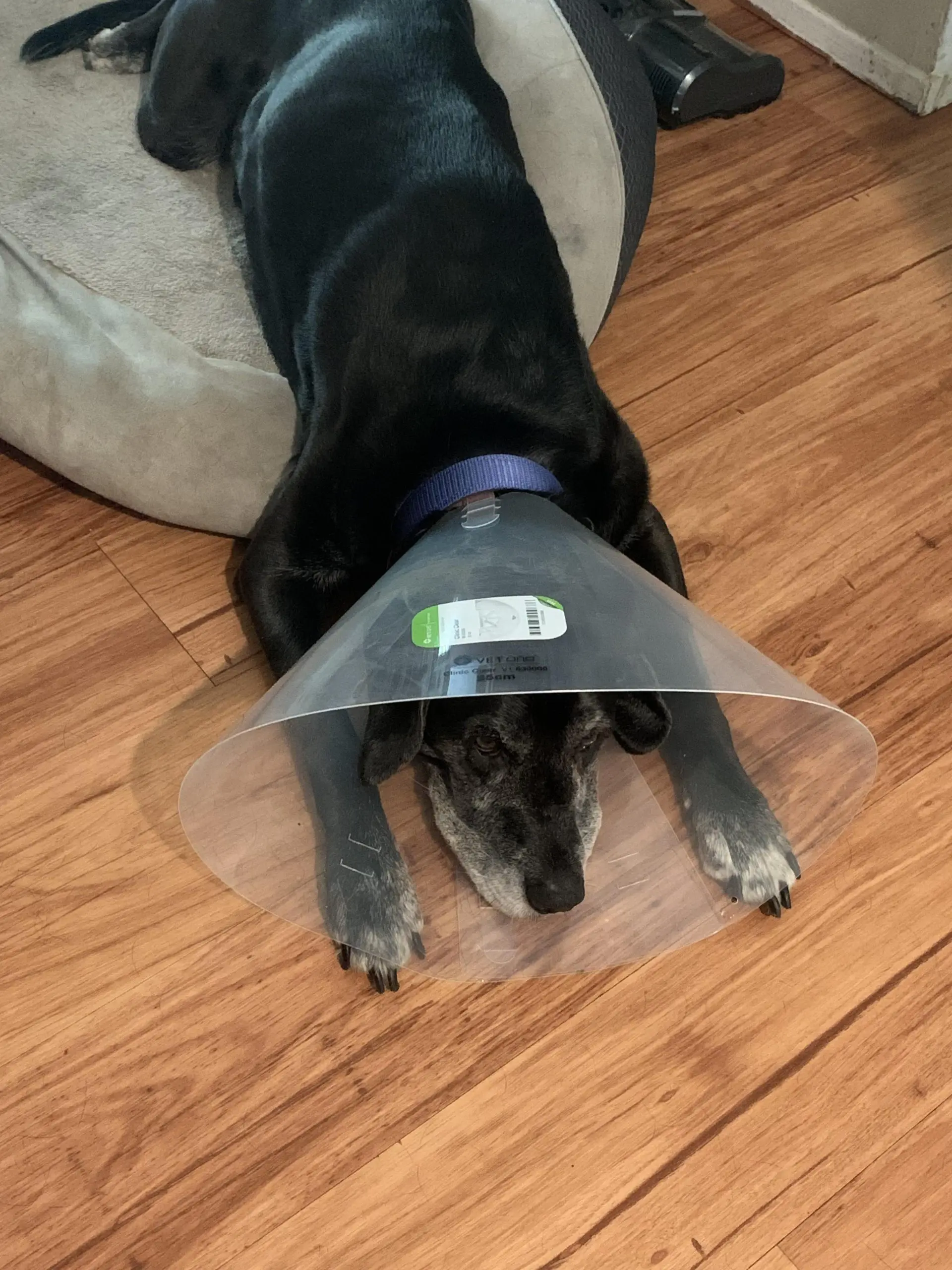
If your dog is wearing a cone, feeding time can quickly become a challenge. You might be worried about how to make sure your furry friend eats comfortably without getting frustrated or stressed.
The good news is, with a few simple tips, you can help your dog enjoy their meals even while wearing that awkward cone. Keep reading to discover easy, effective ways to feed your dog with a cone and make this tricky time smoother for both of you.

Credit: www.reddit.com
Choosing The Right Cone
Choosing the right cone for your dog is more important than you might think. The wrong cone can make feeding difficult and cause unnecessary stress for both you and your pet. Finding a cone that balances comfort and function helps your dog heal without interfering with their eating habits.
Types Of Cones Available
There are several types of cones designed to prevent dogs from licking or biting injuries. The traditional plastic cone is the most common, offering solid protection but sometimes feeling rigid and uncomfortable.
Soft fabric cones are gentler and more flexible, making it easier for your dog to move and eat. However, they may not be as effective at stopping persistent dogs from reaching their wounds.
Inflatable collars look like neck pillows and provide a less intrusive barrier. They allow better peripheral vision and are usually more comfortable, but they might not work well for dogs with injuries near the front paws.
Size And Fit Considerations
Getting the right size is key to making the cone effective and comfortable. Measure the circumference of your dog’s neck and the length from the neck to just past the nose.
If the cone is too small, your dog might still reach the wound. Too large, and it can interfere with eating and drinking.
Adjustable cones or those with soft edges often provide better fit and comfort. Have you noticed your dog struggling to eat or drink with their cone on? That’s a sign the fit might need adjustment or a different type altogether.
Preparing The Feeding Area
Feeding a dog with a cone can be tricky if the area isn’t set up right. Your dog may struggle to reach the food or feel uncomfortable while eating. Preparing the feeding area carefully makes mealtime easier and less stressful for your furry friend.
Adjusting Bowl Height
Placing the food bowl at the right height is key when your dog wears a cone. A bowl on the floor might force your dog to bend awkwardly, causing frustration or even injury. Try raising the bowl to about chest level, so your dog can eat without lowering their head too much.
You can use a small stool, a stack of books, or buy an adjustable pet feeder. Watch how your dog approaches the bowl—if they still bump the cone, raise or lower the bowl slightly. Have you noticed your dog struggling to reach their water dish too? Adjusting water and food bowls together can save a lot of hassle.
Creating A Comfortable Space
Your dog needs a quiet, calm spot to eat while wearing a cone. Avoid busy areas where your pet might feel distracted or stressed. A corner or a small room with minimal foot traffic works best.
Place a non-slip mat under the bowls to prevent sliding, which can upset your dog mid-meal. Also, clear the feeding area of any sharp objects or furniture edges that might catch the cone. Have you tried giving your dog a little break after eating to relax in the same spot? This helps them associate the feeding area with comfort, not just the cone.
Modifying Food And Water
Feeding a dog wearing a cone requires some smart changes. The cone can block easy access to food and water. Adjusting the way you present meals helps your dog eat comfortably. Focus on food texture and bowl type for the best results.
Softening Dry Food
Dry kibble can be hard to eat with a cone. Soften the food by adding warm water or low-sodium broth. Let the food soak for a few minutes. This makes the pieces softer and easier to chew. Soft food reduces frustration and helps your dog eat well.
Using Shallow Or Weighted Bowls
Deep bowls can make eating tricky with a cone. Use shallow dishes to improve access. Shallow bowls let your dog reach food without hitting the cone. Weighted bowls stay in place while your dog eats. This prevents spills and keeps feeding time clean and easy.
Feeding Techniques
Feeding a dog wearing a cone can be tricky. The cone limits your dog’s head movement and makes eating uncomfortable. Using the right feeding techniques helps your dog eat well and stay calm during mealtime. Adjusting how you feed can reduce stress and support healing.
Hand-feeding Tips
Hand-feeding can build trust and make eating easier. Offer small bites to avoid frustration. Use your fingers or a spoon for better control. Stay calm and patient while feeding. Let your dog sniff the food before eating. This encourages interest and comfort. Hand-feeding also allows you to monitor food intake closely.
Encouraging Independent Eating
Help your dog eat alone despite the cone. Use shallow bowls or plates for easy access. Try placing food on a flat surface or low dish. Widen the bowl opening if possible. Make mealtime quiet and stress-free. Keep the cone clean to avoid food stains. Reward your dog with gentle praise after eating. Gradually, your dog will adjust to eating independently with the cone on.
Managing Stress During Meals
Feeding a dog wearing a cone can be stressful for both you and your pet. Stress affects your dog’s eating habits and slows recovery. Managing stress during meals helps your dog stay calm and eat well. Creating a peaceful environment and following simple steps makes mealtime easier.
Calming Your Dog
Speak softly and use a gentle tone to soothe your dog. Offer praise and small treats before meals to create a positive feeling. Sit close and stay calm to help your dog feel safe. Use slow, steady movements to avoid startling your pet. A calm dog is more likely to eat comfortably despite the cone.
Maintaining A Routine
Feed your dog at the same times each day. Keep the feeding area quiet and free from distractions. Use familiar bowls and place them in the usual spot. Consistency helps your dog know what to expect. A steady routine lowers anxiety and encourages regular eating habits.
Alternatives To Traditional Cones
Traditional plastic cones can be uncomfortable and stressful for your dog, especially during mealtime. Luckily, there are alternatives designed to protect your pet while making feeding easier. These options can help your dog eat without frustration and speed up recovery.
Soft Collars And Inflatable Options
Soft collars are made from padded fabric that fits around your dog’s neck. They are flexible and less bulky than traditional cones, allowing your dog to move and eat more comfortably.
Inflatable collars look like neck pillows. They prevent your dog from reaching wounds but don’t block their vision or make eating difficult. These collars often have adjustable sizes, making them suitable for different breeds.
Benefits And Drawbacks
| Type | Benefits | Drawbacks |
|---|---|---|
| Soft Collars |
|
|
| Inflatable Collars |
|
|
Have you ever noticed how your dog struggles with a traditional cone during mealtime? Switching to a soft or inflatable collar might be the solution to keep your dog comfortable without compromising healing. What do you think would work best for your pet’s specific needs?
Monitoring Your Dog's Progress
Monitoring your dog’s progress while they’re wearing a cone is essential to ensure they stay comfortable and healthy. The cone can make eating tricky, so watching closely helps you spot any problems early. Staying attentive to changes in behavior or appetite can prevent minor issues from becoming serious.
Signs Of Eating Difficulties
Watch your dog carefully during mealtime. If they seem frustrated or hesitant, it might mean the cone is getting in the way. Notice if they are pawing at the cone or pushing their bowl around without eating much.
Other signs include:
- Dropping food frequently
- Taking much longer than usual to finish their meal
- Refusing food altogether
- Excessive drooling or choking sounds
Remember, some dogs might need extra encouragement or a modified feeding setup, like a raised bowl or hand-feeding. Have you tried changing your dog's bowl position to make eating easier?
When To Consult A Vet
If your dog shows persistent difficulty eating for more than a day, it’s time to reach out to your vet. Especially if you notice weight loss, dehydration, or signs of pain, professional advice is crucial.
Also, if your dog’s cone seems to cause skin irritation or they appear overly stressed, your vet can suggest alternative protective gear or solutions. Don’t hesitate to ask your vet about feeding techniques that suit your dog’s condition.
Pay attention to your dog’s overall well-being, not just their eating habits. Early intervention can make a big difference in recovery and comfort.

Credit: www.reddit.com

Credit: www.youtube.com
Frequently Asked Questions
How Do I Feed A Dog Wearing A Cone?
Remove or loosen the cone during feeding to allow easy access. Use shallow bowls or hand-feed if needed. Always supervise to prevent frustration or injury while eating.
Can A Dog Eat Normally With A Cone On?
Dogs may struggle with normal bowls while wearing cones. Adjust feeding methods by using elevated dishes or hand feeding to ensure proper nutrition and comfort.
What Food Is Best For Dogs With Cones?
Soft, easy-to-eat foods like wet dog food or soaked kibble work best. These options reduce eating difficulty and prevent cone-related messes.
How Long Should I Feed My Dog With A Cone?
Feed with a cone as long as your vet advises, usually until wounds heal. Adjust feeding techniques until the cone is removed.
Conclusion
Feeding a dog with a cone can seem tricky. But it's manageable. Just ensure your dog's comfort and safety. Use a shallow bowl for easy access. Hand-feeding can also help. Be patient and gentle during meal times. Encourage your dog with a calm voice.
Regular feeding routines maintain their health. Keep an eye on your dog's eating habits. Adjust as needed. Caring for your dog is vital. Always consult your vet for advice. Your dog will adapt in time. With love and care, feeding becomes easier.
Remember, patience is key. Your dog's well-being matters most.