Does your dog turn up their nose at every toy you bring out? It can be frustrating when your furry friend just isn’t interested in the usual playthings.
But don’t worry—you’re not alone, and there are plenty of ways to keep your dog happy and entertained without relying on toys. Imagine discovering simple tricks that grab your dog’s attention and strengthen your bond at the same time. Keep reading, and you’ll learn easy, effective ideas to make playtime fun for both of you—even if your dog doesn’t like toys.
Identify Your Dog's Interests
Understanding what excites your dog is key to keeping them happy and active. Dogs who don't like toys might still enjoy other things. Identifying their true interests helps you find fun ways to engage them. This process takes patience and attention to your dog's unique personality and habits.
Observe Behavior Patterns
Watch your dog closely throughout the day. Notice how they react to sounds, smells, and movements. See if they enjoy chasing shadows or watching birds outside. Pay attention to moments they seem most alert or excited. These clues reveal what naturally grabs their attention.
Look for activities that make your dog calm or happy. Some dogs prefer quiet time near people. Others may like exploring new places or sniffing around the yard. Understanding these patterns helps you choose activities that suit their preferences.
Test Different Activities
Try various games beyond toys to find what your dog likes. Take them for walks in different locations to spark curiosity. Offer treats during simple training exercises to stimulate their mind. Use safe household items like a towel for gentle tug play.
Watch how your dog responds to each new activity. Notice if they move more, show excitement, or relax. Adjust your approach based on their reactions. This trial and error helps discover fun, non-toy ways to entertain your dog effectively.
Engage With Physical Exercise
Physical exercise is key to keeping a dog happy and healthy. Dogs that don't like toys still need activity to burn energy and stay fit. Moving together builds a strong bond and prevents boredom. Exercise also helps reduce stress and unwanted behaviors.
Outdoor Walks And Runs
Fresh air and new scents excite your dog’s senses. Walks offer mental stimulation beyond physical movement. Choose different routes to keep walks interesting. Let your dog explore safely on a leash. Running is great for high-energy dogs that need more exercise. Short bursts of speed can release pent-up energy quickly. Adjust the pace to match your dog’s fitness level. Stop often for water and rest.
Interactive Playtime
Play does not always require toys. Use your hands and voice to engage your dog. Try gentle tugging with a soft cloth or rope. Practice simple commands with treats as rewards. Hide and seek with you as the target is fun. Chasing bubbles or shadows can spark interest. Keep sessions short and positive to maintain attention. Physical play strengthens your relationship and keeps your dog active.
Use Food-based Games
Food-based games can keep your dog busy without toys. These games use treats and meals to engage your dog's mind and body. Dogs love food, so these activities can be very motivating. They encourage problem-solving and slow down fast eaters. Simple food games make your dog happy and tired in a good way.
Puzzle Feeders
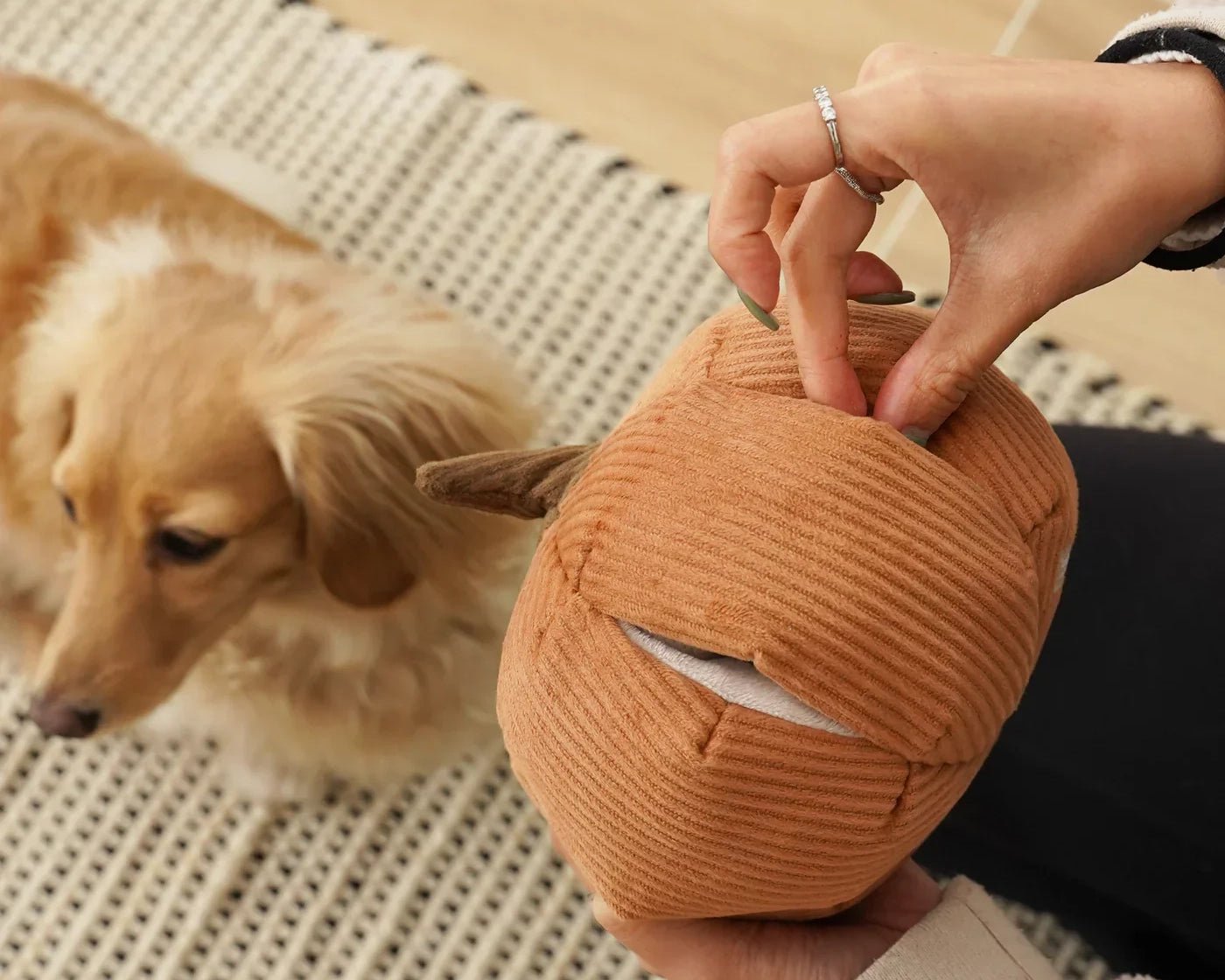
Puzzle feeders are bowls or devices with hidden compartments for treats. Your dog must figure out how to get the food out. This challenges their brain and keeps them focused. Puzzle feeders come in many shapes and sizes. Choose one that matches your dog's skill level. Start easy, then make it harder as they learn.
Benefits include:
- Slows down eating
- Improves mental sharpness
- Reduces boredom
Treat Hide And Seek
Hide small treats around your home or yard. Let your dog sniff and search for the snacks. This game uses your dog's natural hunting skills. It also provides physical and mental exercise. Change hiding spots to keep it exciting. Use easy places at first, then harder ones later.
Tips for success:
- Use tasty, small treats
- Encourage your dog with praise
- Keep sessions short and fun
Credit: vocal.media
Incorporate Training Sessions
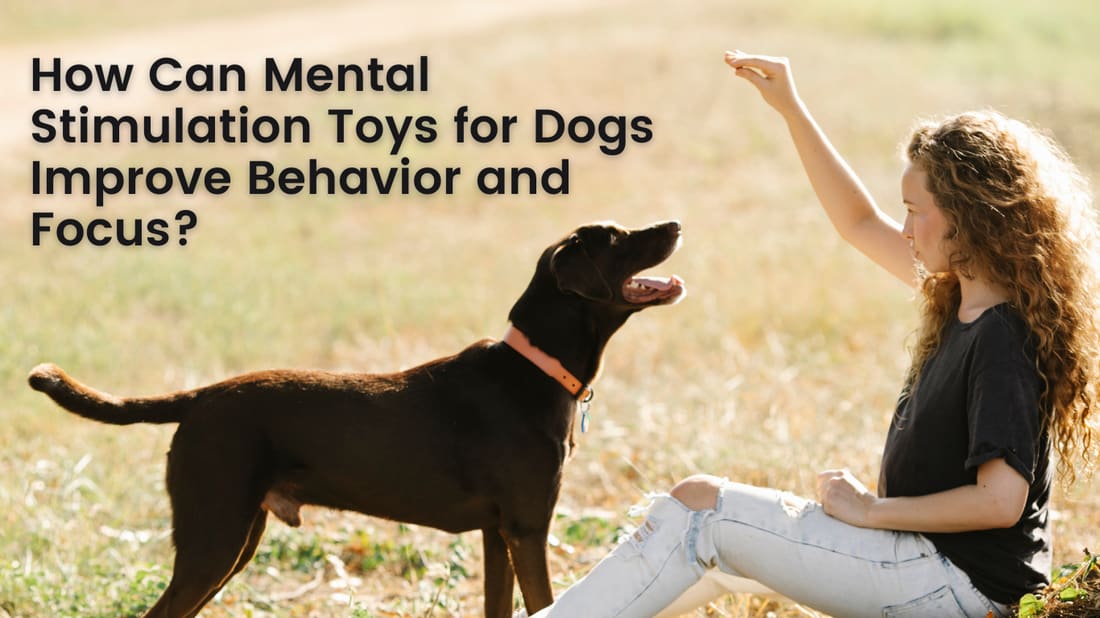
Incorporating training sessions is a great way to entertain a dog that does not enjoy toys. Training stimulates their mind and builds a stronger bond. It keeps their attention and provides a sense of achievement. Sessions can be short but frequent to maintain interest and avoid frustration.
Basic Commands Practice
Start with simple commands like sit, stay, and come. Repeat each command with clear, calm voice. Use treats or praise as rewards to encourage learning. Short sessions of 5-10 minutes work best. This practice improves behavior and keeps your dog mentally active. It also creates a routine that your dog can look forward to.
Trick Training
Teach your dog fun tricks like shake hands or roll over. Break tricks into small steps for easier learning. Use positive reinforcement to motivate your dog. Trick training challenges their brain and prevents boredom. It also makes your dog more confident and happy. Keep the mood light and celebrate each success together.
Explore Sensory Activities
Keeping a dog entertained without relying on toys can be challenging, but focusing on sensory activities can spark your dog's curiosity and joy. Dogs experience the world through their senses, so engaging these senses in creative ways can offer exciting new forms of play. Let’s look at how scent and texture can become the foundation of fun for your pet.
Scent Trails
Dogs have an incredible sense of smell, far more sensitive than ours. You can create scent trails using simple household items or treats. Start by hiding small pieces of your dog's favorite treats around a room or yard, then encourage your dog to follow the scent trail.
This activity taps into your dog’s natural hunting instincts and provides mental stimulation. You might be surprised how focused your dog becomes, even if they usually ignore toys. Have you noticed how your dog reacts when they catch a whiff of something interesting during walks? Use that curiosity to guide your scent games.
Texture Exploration
Dogs also love exploring different textures with their paws and mouths. Gather a variety of safe materials like soft blankets, crinkly paper, rubber mats, or rough bark pieces. Let your dog sniff, paw, and mouth these items freely to discover what they like.
This tactile play can be calming and intriguing for dogs who don’t respond to toys. I once watched a dog spend a good 15 minutes simply digging through a pile of leaves and sticks, clearly enjoying the feel of the different surfaces. What textures does your dog seem to prefer? Try mixing and matching to keep things fresh and stimulating.

Credit: mightypaw.com
Socialize With Other Dogs
Socializing your dog with other dogs can be a great way to keep them happy and active. Dogs that don’t enjoy toys often find joy in meeting new friends and playing together. Interaction helps build confidence and reduces boredom. It also provides mental and physical exercise without needing any toys.
Playdates
Arrange playdates with dogs your pet knows or can get along with. Choose calm and friendly dogs to avoid stress. Keep the meetings short at first to see how your dog reacts. Use a quiet, safe space for the playdates. Watch their body language to ensure they feel comfortable. These sessions help your dog enjoy social time and burn off energy naturally.
Dog Parks
Dog parks offer a lively environment for dogs to meet and play freely. Visit during quieter times to avoid overwhelming your dog. Let your dog explore at their own pace. Dog parks provide a space for running, chasing, and sniffing with new friends. This natural socialization can boost your dog’s mood and health. Always supervise your dog to keep interactions safe and positive.
Create A Calm Environment
Creating a calm environment can make a big difference for dogs that don’t enjoy toys. Instead of pushing playtime, focus on making your dog feel safe and relaxed. This approach helps them open up and enjoy your company without pressure.
Relaxation Spots
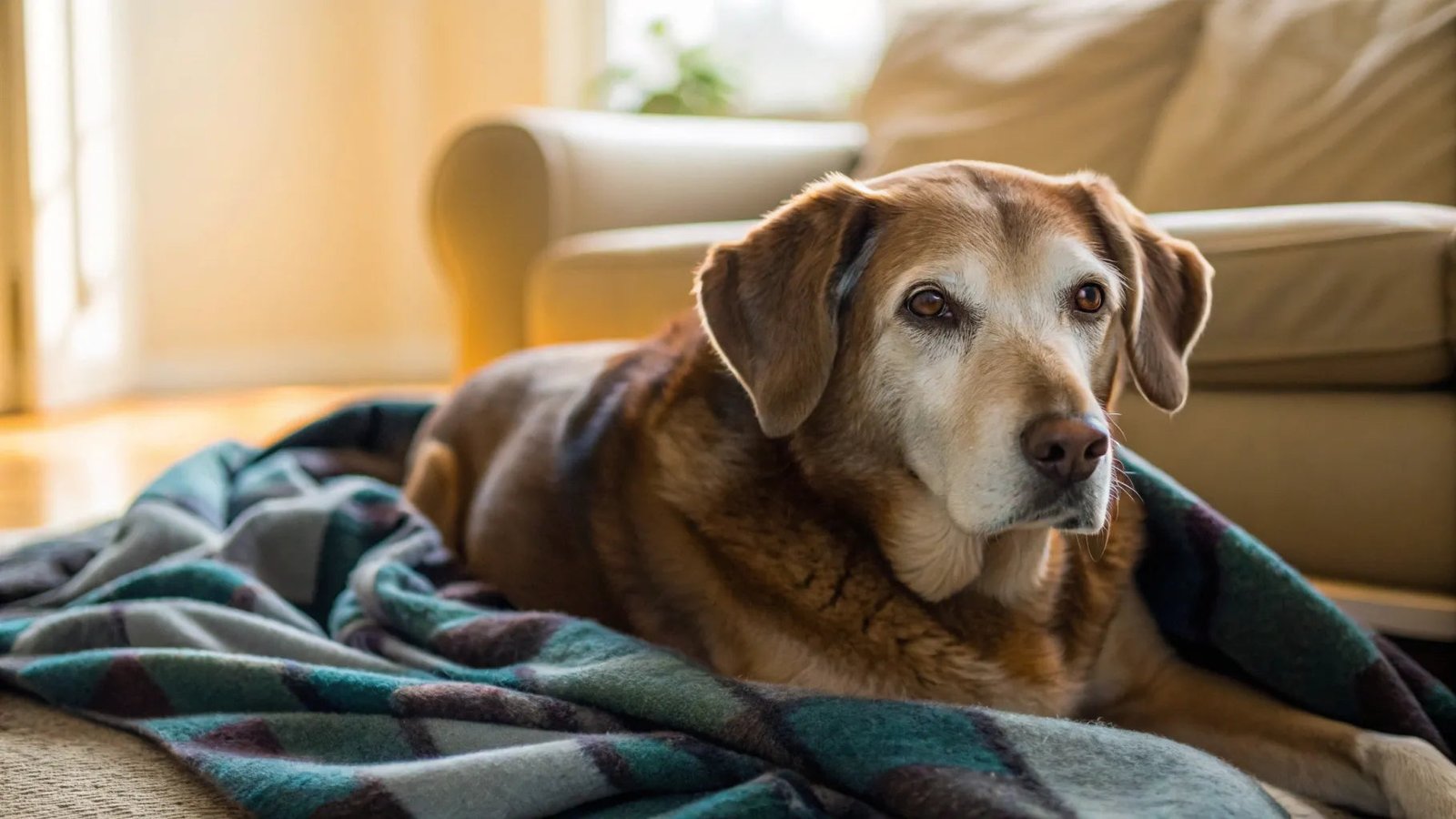
Designate a special spot in your home just for your dog to unwind. This could be a cozy corner with a soft blanket or a small bed near a window. Dogs often seek out quiet places where they feel secure, so watch where your dog naturally settles and enhance that area.
You might notice your dog prefers a certain type of surface or lighting—soft rugs or dim lights can help. Adding familiar smells, like your worn shirt or their favorite blanket, can also encourage your dog to relax in that spot. Have you tried creating a little sanctuary for your dog? It’s surprising how much it can help.
Soothing Sounds
Sound plays a powerful role in calming dogs who don’t respond to toys. Gentle music or nature sounds can reduce stress and create a peaceful atmosphere. Many dogs respond well to classical music, but it’s worth experimenting to see what your dog prefers.
Try playing soft rain sounds or low-volume instrumental tunes during quiet time. You’ll notice your dog may settle down more quickly and even nap. If your dog seems restless, ask yourself: could the noise level or type of sound be affecting their mood?

Credit: mightypaw.com
Frequently Asked Questions
How To Entertain A Toy-averse Dog?
Engage a toy-averse dog with interactive games like hide-and-seek or scent work. Consider using treats or training sessions to stimulate their mind. Walks in varied environments and social interactions with other dogs can also help. Exploring new places can keep them engaged and entertained.
What Activities Can Replace Dog Toys?
Activities like agility training, obedience training, and puzzle games can replace dog toys. These activities challenge the dog's mind and body, providing mental stimulation. Daily walks, exploring new paths, and socializing with other dogs can also add variety to their routine.
How To Engage A Dog In Play Without Toys?
Engage your dog by playing games like fetch with sticks or running together. Use verbal cues and rewards to maintain their interest. Hide treats around the house for a fun scavenger hunt. These activities can keep them active and entertained without traditional toys.
Can Training Be Entertaining For Dogs?
Yes, training is entertaining for many dogs. It challenges their mind and enhances their skills. Use positive reinforcement techniques to make the experience enjoyable. Short, interactive sessions can keep your dog engaged and eager to learn new commands or tricks.
Conclusion
Entertaining a dog who dislikes toys can be simple and fun. Try walks, training sessions, or gentle play instead. Use treats and praise to keep your dog happy. Observe what your dog enjoys most and repeat it often. Every dog is different, so patience is key.
Enjoy the time spent together, building trust and joy. This strengthens your bond and keeps your dog active. Keep exploring new ways to engage your furry friend.