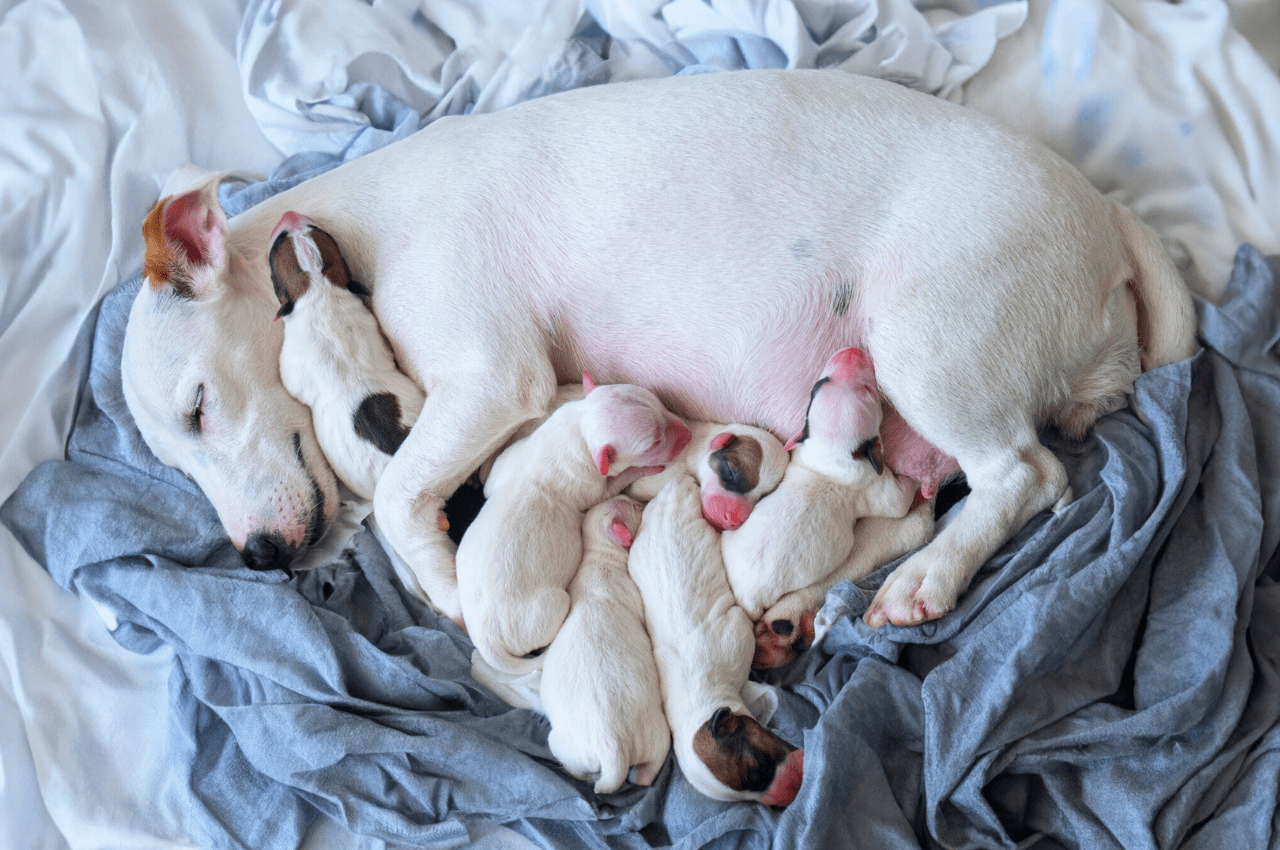
Are you worried that your mother dog isn’t feeding her puppies enough? It’s a common challenge that can leave you feeling helpless and unsure of what to do next.
Your puppies need her milk to grow strong and healthy, and you want to make sure they get the best start in life. You’ll discover simple and effective ways to encourage your mother dog to feed her babies, so you can watch them thrive with confidence.
Keep reading—you’re just a few steps away from making a big difference for your furry family.
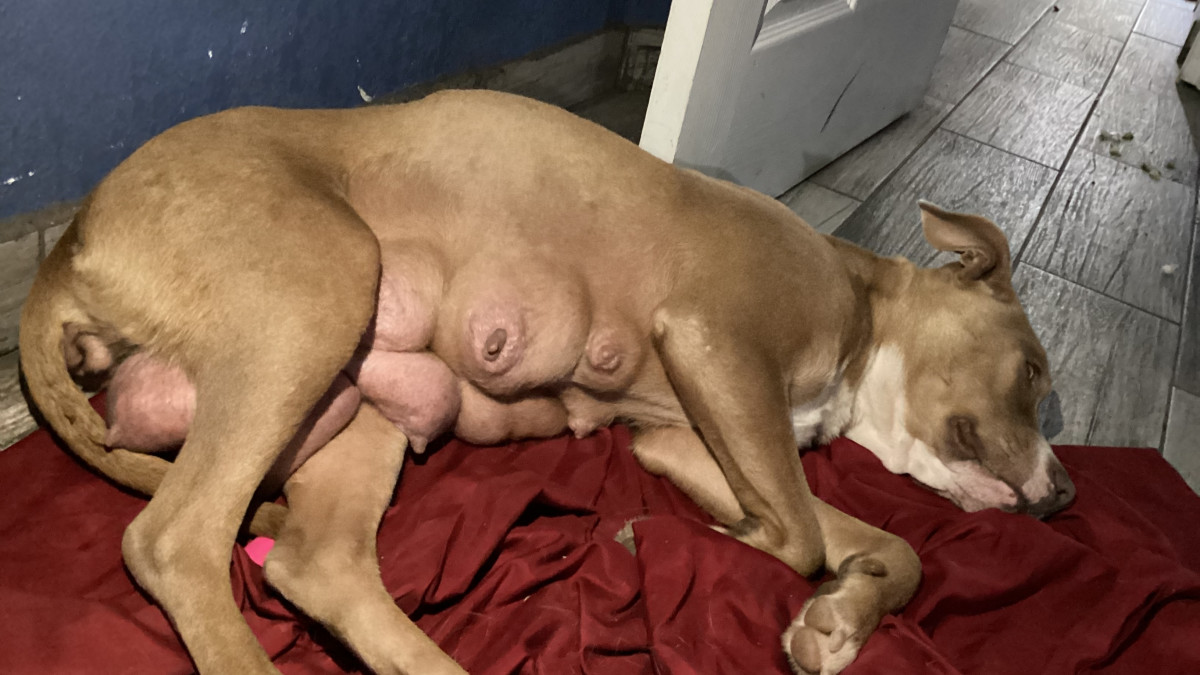
Credit: pethelpful.com
Signs A Mother Dog Needs Help
Knowing when a mother dog needs help feeding her puppies is crucial. Early signs can prevent serious problems for both mom and pups. Observing her behavior and physical condition helps identify feeding challenges. Acting fast supports healthy growth and survival of the puppies.
Recognizing Feeding Challenges
Some mother dogs may refuse to feed their puppies. She might seem restless or avoid the puppies altogether. Puppies crying loudly and not gaining weight signals feeding issues. Watch for aggressive behavior toward pups during feeding times. A lack of milk or difficulty in nursing often causes these problems.
Health Issues Affecting Nursing
Health problems can stop a mother dog from feeding. Mastitis, an infection in the mammary glands, causes pain and swelling. Fatigue or weakness from illness lowers her nursing ability. Poor appetite or dehydration reduces milk production. Veterinary checks are important if any health issues appear.
Credit: paradepets.com
Creating A Comfortable Nursing Environment
Creating a comfortable nursing environment helps a mother dog feel safe and calm. A peaceful space encourages her to feed her puppies regularly. Comfort, warmth, and cleanliness play a big role in her willingness to nurse. Setting up the right area can make a big difference for both the mother and her pups.
Choosing The Right Space
Pick a quiet spot away from noise and heavy foot traffic. The area should be private to reduce stress. Use a room with good ventilation but no drafts. Soft bedding helps the mother relax while feeding her puppies. Make sure the space is easy to access for the mother. Avoid places where other pets or children can disturb her.
Maintaining Cleanliness And Warmth
Keep the nursing area clean to prevent infections. Change bedding often and remove any soiled materials. Use soft, washable blankets that retain heat. Provide a heat source like a heating pad or warm water bottle. Check the temperature regularly to keep it cozy, not hot. Warmth helps the puppies stay healthy and encourages feeding.
Improving The Mother’s Nutrition
Improving the mother dog’s nutrition is crucial for her health and her puppies’ growth. Proper nutrition helps increase milk production and keeps her strong. A well-fed mother dog can better care for her litter. Focus on the quality and quantity of her food and water intake.
Feeding A Balanced Diet
Provide a diet rich in proteins and fats to support milk production. Choose high-quality puppy food or a special diet for nursing dogs. Include foods with essential vitamins and minerals like calcium and phosphorus. Avoid giving foods that may upset her stomach or cause allergies. Small, frequent meals can help her eat enough without feeling too full.
Hydration Importance
Water is essential for milk production and overall health. Keep fresh, clean water available at all times. Check her water bowl often to ensure it is full. Dehydration can reduce milk supply and make her tired. Encourage drinking by placing water near her resting area. Wet food can also help increase her fluid intake.

Credit: www.youtube.com
Encouraging Natural Instincts
Encouraging a mother dog to feed her puppies involves tapping into her natural instincts. These instincts guide her to care for her young. Creating the right environment helps awaken and support these behaviors. Calm surroundings and gentle interactions make a big difference. A mother dog feels more confident and secure, which promotes feeding.
Minimizing Stress And Distractions
Stress can block a mother dog's natural care instincts. Keep her area quiet and free from loud noises. Limit visitors and avoid sudden movements around her. Ensure the space is warm and cozy, as cold can cause discomfort. Provide privacy so she feels safe and undisturbed. A calm environment helps her relax and focus on her puppies.
Gentle Handling Techniques
Handle the mother and puppies with soft, slow movements. Avoid grabbing or loud voices. Gently pet the mother to build trust and calm her nerves. Support her body when moving her to avoid causing stress. Encourage her to stay near the puppies by speaking softly. This gentle care reassures her and strengthens her feeding instincts.
Assisting With Nursing When Needed
Sometimes, a mother dog may need help nursing her puppies. This can happen if she is tired, sick, or has low milk supply. Helping her can improve the puppies' health and growth. Knowing how to assist with nursing is important for any dog owner caring for newborn pups.
Stimulating Milk Production
Encourage the mother to nurse by gently massaging her teats. This can help increase blood flow and milk flow. Offer her plenty of water and nutritious food to support milk production. Keep her calm and stress-free, as stress can lower milk supply. Warm compresses on her belly may also help stimulate milk glands.
Hand-feeding Alternatives
If the mother dog cannot feed all her puppies, hand-feeding is essential. Use a puppy milk replacer, not cow's milk, which can upset their stomachs. Feed the puppies with a small bottle or syringe designed for newborn animals. Feed them every two to three hours, keeping them warm and comfortable. Monitor their weight daily to ensure they are growing well.
When To Seek Veterinary Help
Knowing when to seek veterinary help is key to protecting the health of mother dogs and their puppies. Sometimes, signs of distress or illness are clear, but other times, they may be subtle. Acting quickly can save lives and ensure proper care.
Watch the mother dog closely. Notice any changes in behavior or feeding habits. Puppies depend on their mother's milk for nutrition and immunity. Delays in intervention may cause serious health problems for both.
Recognizing Serious Problems
- The mother refuses to nurse or seems in pain while feeding.
- Swollen, hard, or hot mammary glands indicating possible mastitis.
- Puppies are weak, crying excessively, or losing weight.
- Visible wounds or infections on the mother’s teats.
- The mother shows signs of lethargy, fever, or loss of appetite.
- Puppies have trouble latching or show signs of dehydration.
Treatments And Interventions
A veterinarian can diagnose issues through physical exams and tests. Treatment may include antibiotics for infections or pain relief medication.
In some cases, the vet may suggest supplemental feeding for puppies. This helps if the mother cannot produce enough milk or refuses to nurse.
Proper cleaning of the mother’s mammary area might be advised. This reduces infections and encourages feeding.
Monitoring both mother and puppies is important during treatment. Follow all veterinary advice closely to support recovery.
Frequently Asked Questions
How Can I Help My Mother Dog Feed Puppies Better?
Provide a quiet, comfortable space for the mother dog. Offer nutritious food and fresh water. Avoid disturbing her during feeding times to reduce stress and encourage natural nursing.
What Signs Show A Mother Dog Is Feeding Puppies Properly?
Look for puppies gaining weight steadily and appearing content after feeding. The mother should nurse regularly and stay calm. Check for healthy milk production and no signs of distress.
When Should I Intervene If The Mother Dog Won’t Feed?
If puppies are crying excessively or losing weight, intervene quickly. Consult a vet if the mother refuses to nurse within 24 hours after birth. Supplemental feeding may be necessary for puppy survival.
How Do I Create A Stress-free Feeding Environment?
Keep the area warm, quiet, and free from distractions. Limit visitors and loud noises. Ensure the mother dog feels safe and comfortable to encourage consistent nursing behavior.
Conclusion
Helping a mother dog feed her puppies is important for their health. Patience and understanding are key. Create a calm and safe environment. Ensure she feels comfortable and secure. Provide nutritious food and fresh water. Check her health regularly. Sometimes, a vet visit is necessary.
Encourage bonding time with her puppies. Support her gently and consistently. Your efforts make a difference. A well-fed litter is a happy one. Remember, your care helps them grow strong. With love and attention, mother dog and puppies thrive.