Are you tired of squirrels raiding your bird feeders and chasing away the beautiful birds you want to enjoy? Those clever little critters can be frustrating, stealing food and making a mess.
But don’t worry—you don’t have to give up on feeding the birds you love. You’ll discover simple and effective ways to keep squirrels at bay, so your feeders stay full for the birds and your backyard stays peaceful. Keep reading to find out how to protect your feeders and create a haven for the feathered friends you want to see.
Squirrel Behavior Around Bird Feeders
Understanding squirrel behavior around bird feeders is key to keeping these persistent visitors at bay. Squirrels are clever and determined, often outsmarting simple barriers. Knowing what draws them and how they operate gives you a real advantage in protecting your bird food.
Why Squirrels Are Attracted
Squirrels are attracted to bird feeders mainly because they offer an easy source of food. Seeds, nuts, and suet are calorie-rich treats that squirrels find irresistible, especially during colder months when natural food is scarce.
Beyond the food, the feeder itself can be a fun challenge for squirrels. They see it as a puzzle to solve, which keeps their curious minds busy. If you’ve ever caught a squirrel repeatedly trying to access your feeder, you know they don’t give up easily.
Ask yourself: Are you unintentionally making your feeder too accessible? Placing feeders close to trees or structures gives squirrels a launchpad. Moving feeders away from these can reduce visits significantly.
Common Squirrel Tactics
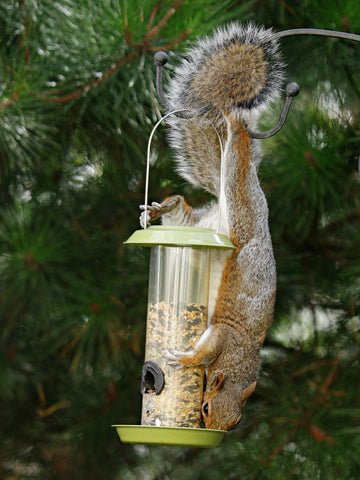
Squirrels use a range of tactics to get to your bird feeder. They jump from nearby branches, climb poles, or even hang upside down to reach the food. Their agility allows them to bypass many traditional deterrents.
- Jumping:Squirrels can leap up to 10 feet, so feeders need to be placed far from anything they can jump from.
- Climbing:They can climb poles or wires, so smooth or slippery surfaces can help reduce this.
- Chewing:Squirrels chew through plastic and soft metals to create their own access points.
I once saw a squirrel gnaw through a feeder pole within days. That experience made me realize that physical barriers need to be strong and well-designed. Have you noticed what tactic your local squirrels use most often? Observing this can guide your choice of deterrents.
Choosing The Right Bird Feeder
Choosing the right bird feeder can make a huge difference in keeping squirrels away from your feeding station. Not all feeders are created equal, and some designs are better at preventing squirrel access than others. Picking the right one not only protects your birdseed but also ensures the birds get the food without interruption.
Squirrel-proof Feeder Designs
Look for feeders that have built-in squirrel-proof features. Some designs include weight-sensitive perches that close access to the seed when something heavier than a bird lands on them. This clever mechanism keeps squirrels out without bothering your feathered friends.
Tube feeders with metal cages around the feeding ports also work well. The cage lets small birds in but blocks squirrels from reaching the seeds. You can find feeders with spinning or baffle systems that make it difficult for squirrels to cling or climb.
Have you tried using a feeder with a dome-shaped squirrel baffle above it? It stops squirrels from jumping down onto the feeder. These physical barriers are simple but effective ways to protect your bird food.
Materials That Deter Squirrels
The material of your feeder plays a role in keeping squirrels at bay. Metal feeders are tougher for squirrels to chew through compared to plastic or wood. If you’ve ever seen squirrels gnawing on a wooden feeder, you know how persistent they can be.
Choose feeders made from stainless steel or heavy-gauge aluminum. These materials resist damage and make it harder for squirrels to get a grip. Some feeders even have slippery finishes that prevent squirrels from climbing.
Consider feeders with smooth surfaces, as squirrels rely on gripping rough textures to climb. A feeder made from glass or polished metal can be surprisingly effective against these acrobatic pests.
Placement Strategies
Placement strategies play a key role in keeping squirrels away from bird feeders. Choosing the right spot can make squirrels think twice before visiting. Proper placement helps protect bird food and keeps your garden peaceful. Small changes in location can lead to big results in squirrel control.
Ideal Feeder Locations
Place feeders where birds feel safe but squirrels find it hard to reach. Avoid spots near trees or fences squirrels use to jump. Open areas with clear space around the feeder work best. Mount feeders on poles that are smooth and tall. Keep feeders at least 6 feet away from jumping points.
Using Distance To Your Advantage
Distance creates a barrier squirrels struggle to cross. Space feeders away from birdhouses and shrubs. This reduces squirrel access and keeps birds comfortable. Use hanging feeders on thin wires far from support. The more space between squirrels and feeders, the less chance of visits.
Credit: www.beakybites.co.uk
Physical Barriers And Deterrents
Physical barriers and deterrents provide effective ways to keep squirrels away from bird feeders. These tools block or make it hard for squirrels to reach the food. Using physical methods is safe and does not harm the animals. It also keeps the birdseed for the birds only.
These barriers work by creating obstacles that squirrels cannot climb or jump over easily. They also make the surface uncomfortable or slippery for squirrels. This discourages squirrels from trying to get to the feeder again. Let’s explore some common physical deterrents.
Baffles And Guards
Baffles are dome or cone-shaped devices placed above or below feeders. They stop squirrels from climbing poles or jumping onto feeders. Most baffles are made from metal or plastic. They create a smooth barrier that squirrels cannot grip.
Guards fit around the feeder’s base or hanging wire. They block squirrels from reaching the seed. Some guards have wide, slippery surfaces that make climbing difficult. Both baffles and guards are easy to install and move.
Spiky And Slippery Surfaces
Spiky surfaces use small plastic or metal spikes. These spikes do not hurt squirrels but make landing or climbing uncomfortable. They can be placed on poles or branches near feeders.
Slippery surfaces use materials like smooth metal or plastic. These surfaces cause squirrels to lose their grip and fall. Applying these surfaces under or around feeders keeps squirrels from landing safely.
Feeding Alternatives For Squirrels
Providing squirrels with their own food sources helps keep them away from bird feeders. Feeding alternatives satisfy squirrels and protect your birdseed. This approach reduces conflicts between birds and squirrels.
Separate Feeding Stations
Create a special feeding spot just for squirrels. Place it away from bird feeders. Use a sturdy platform or ground area. This gives squirrels a clear place to eat. It also keeps them busy and less interested in bird feeders.
Choose a quiet, safe location for the squirrel station. Offer food regularly to build trust. This makes squirrels less likely to raid bird feeders.
Alternative Food Options
Offer foods squirrels enjoy that birds do not prefer. Some good choices include:
- Unsalted peanuts in shells
- Sunflower seeds
- Pieces of fresh fruit like apples or grapes
- Corn kernels or cracked corn
Avoid foods high in salt or sugar. Fresh water near the feeding station helps squirrels stay healthy. Providing these alternatives reduces their need to visit bird feeders.

Credit: www.yahoo.com
Natural And Chemical Repellents
Keeping squirrels away from your bird feeders can be tricky, but natural and chemical repellents offer effective solutions. These repellents target the squirrels' senses, making your feeder less appealing without harming the birds you want to attract. Choosing the right repellent depends on your preferences for safety, convenience, and environmental impact.
Safe Plant-based Repellents
Plant-based repellents use smells and tastes that squirrels dislike. Capsaicin, the spicy compound in chili peppers, is a popular choice. Sprinkling chili powder or using sprays containing capsaicin on and around your feeder can keep squirrels at bay.
Another option is planting squirrel-deterring herbs near your feeder. Plants like mint, lavender, and rosemary have strong scents that squirrels tend to avoid. Have you ever noticed how some gardens stay squirrel-free simply because of the plants they grow?
These natural options are safe for birds, pets, and children. However, they may require regular reapplication, especially after rain. Trying a combination of these plants and sprays can improve your chances of success.
Commercial Deterrent Sprays
Commercial deterrent sprays are designed specifically to discourage squirrels without harming them. Many contain natural ingredients, but some include mild chemicals that are safe when used as directed. These sprays often combine unpleasant tastes and smells to create a strong aversion.
Applying these sprays directly to your feeder can reduce squirrel visits quickly. Some products also claim to be weather-resistant, so they last longer in outdoor conditions. Have you tested any commercial sprays and noticed a difference in squirrel behavior?
Be sure to choose sprays labeled as bird-safe. Read reviews and product details carefully to avoid harming your feathered visitors. Using commercial sprays alongside physical barriers can create a more squirrel-proof feeding station.
Maintenance And Monitoring
Keeping squirrels away from your bird feeders takes more than just the right setup. It demands ongoing maintenance and careful watching. Paying attention to these details helps you catch problems early and keeps your feeder inviting for birds—not squirrels.
Regular Feeder Cleaning
Cleaning your bird feeder often removes leftover seeds that attract squirrels. Moldy or spoiled seeds not only invite unwanted guests but can also harm birds. Aim to clean your feeder every two weeks with warm, soapy water to keep it fresh and safe.
Have you noticed how quickly squirrels return to feeders with old seeds? Removing these can reduce their visits significantly. Plus, a clean feeder encourages healthy birds to come back regularly.
Observing Squirrel Activity
Watch your feeder closely to understand when and how squirrels show up. Do they come at specific times or use certain routes? Knowing their patterns helps you adjust your strategies effectively.
For example, if you spot squirrels arriving just after sunset, consider bringing your feeder inside overnight. Small changes like this can make a big difference in keeping squirrels at bay.

Credit: www.popsci.com
Frequently Asked Questions
How Can I Stop Squirrels From Eating Bird Food?
Use squirrel-proof feeders with weight-sensitive perches. Place feeders away from trees or structures squirrels can jump from. Adding spicy pepper to seeds deters squirrels without harming birds.
What Types Of Bird Feeders Keep Squirrels Away?
Choose feeders with cages or weight-activated mechanisms. Tube feeders with metal guards are effective. Avoid platform feeders as squirrels can easily access them.
Are There Natural Repellents For Squirrels At Feeders?
Yes, sprinkle cayenne pepper or chili powder on seeds. Squirrels dislike the taste but birds are unaffected. Garlic and peppermint sprays also help keep squirrels away.
How High Should I Hang A Bird Feeder?
Hang feeders at least 5 to 6 feet off the ground. Ensure they are 10 feet away from jumping points like trees or fences. This reduces squirrels’ access to feeders.
Conclusion
Keeping squirrels away from bird feeders can be challenging. But it's possible. Use squirrel-proof feeders to make it harder for them. Choose baffles and barriers for extra protection. Consider placing feeders strategically. Away from trees and fences. Offer food squirrels dislike.
Like safflower seeds. Regularly clean up fallen seeds. This reduces squirrel attraction. Consistency is key. Stay persistent with these methods. Soon, birds will enjoy peace at your feeders. Your efforts will make a difference. Enjoy watching birds without squirrel interference.