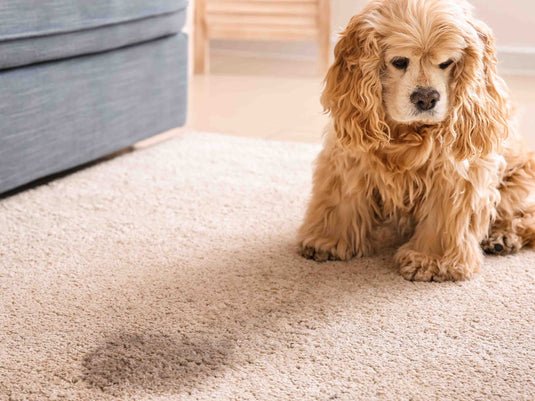
Are you tired of finding unexpected puddles around your home? When your dog pees inside, it can be frustrating and stressful.
But don’t worry—there are simple, effective ways to stop this behavior for good. You’ll discover easy tips that you can start using today to protect your house and keep your furry friend happy. Keep reading, because the solution is closer than you think.
Reasons Dogs Pee Indoors
Understanding why your dog pees indoors is the first step toward stopping this behavior. Dogs don’t just pee inside to annoy you; there are real reasons behind it. Identifying these reasons helps you respond correctly and protect your home from unwanted accidents.
Medical Causes
Sometimes, indoor peeing is a sign your dog is not feeling well. Urinary tract infections, kidney problems, or diabetes can make it hard for your dog to hold their urine. If your dog suddenly starts peeing inside after being trained, a vet visit is a smart move.
I once had a friend who thought her dog was acting out, but it turned out to be a bladder infection. Treating the infection stopped the accidents completely. Don’t ignore sudden changes in bathroom habits; health issues could be the cause.
Behavioral Triggers
Stress and anxiety can push a dog to pee indoors. Changes in routine, new family members, or loud noises might make your dog nervous. This nervousness can cause accidents as a way to cope with their feelings.
Have you noticed if your dog pees more when you leave the house or when guests arrive? These moments often trigger anxiety-related indoor peeing. Helping your dog feel safe can reduce these incidents.
Marking Territory
Dogs sometimes pee inside to mark their territory. This is especially true if there are other pets in the home or if your dog sees new animals outside. Marking is a natural behavior but one you can control with training and management.
Male dogs are more likely to mark, but females can do it too. If your dog is marking, try to observe when it happens and redirect their behavior. Using deterrents and providing plenty of outdoor breaks can help reduce marking indoors.
Spotting The Problem Areas
Before you can stop your dog from peeing inside, you need to find the exact spots where this happens. Identifying problem areas helps you target cleaning efforts and prevention tools more effectively. Paying close attention to these locations can change the game in managing your dog's behavior.
Common Indoor Spots
Dogs often choose certain places inside the house to relieve themselves. These include:
- Corners of rooms where they feel less exposed
- Near doors or windows, possibly where they see outside activity
- On soft surfaces like rugs, carpets, or near furniture legs
- Close to their bedding or feeding area if they are anxious
Have you noticed your dog circling or sniffing a particular spot repeatedly? That’s a strong clue. Watch your pet’s behavior closely during walks inside your home—it can reveal these hidden trouble zones.
Using Scent Detection
Dogs mark their spots with scent, which is why you might not see the mess but still smell it. Your nose might miss faint odors, but your dog definitely won’t. Using a blacklight can help you spot invisible urine stains quickly.
Spray areas with enzyme cleaners to break down the scent molecules. This step is crucial because if the smell lingers, your dog will likely return to the same spot. Have you tried sniffing around your home in the dark to catch those hidden problem zones?
Sometimes, inviting a professional pet odor detector can reveal stubborn areas that you might overlook. Addressing these spots with thorough cleaning and deterrents will reduce the chances of repeat accidents.
Cleaning And Removing Odors
Cleaning and removing odors is key to stop dogs from peeing inside. Dogs use smell to mark places. If the scent stays, they might pee there again. Thorough cleaning removes these smells and breaks the habit.
It is important to clean urine spots quickly. Use the right cleaners that can break down urine molecules. This helps to eliminate the odor fully. Simple water or regular soap won't work well for this.
Choosing The Right Cleaners
Pick cleaners made for pet urine. These products contain enzymes that break down urine. Enzyme cleaners remove stains and odors deep in carpets or floors.
- Test cleaner on a small area first.
- Follow the instructions on the label.
- Apply enough cleaner to soak the spot.
- Let it sit for at least 10 minutes.
- Blot or wipe with a clean cloth.
Regular cleaning alone does not remove the scent. Enzyme cleaners work best to stop repeat accidents.
Avoiding Ammonia-based Products
Do not use ammonia cleaners. Ammonia smells like urine to dogs. It can make them pee more in the same spot.
Ammonia can confuse dogs and increase marking behavior. Use pet-safe, enzyme-based cleaners instead. This keeps dogs away from the cleaned area.

Credit: minda.by
Training Techniques To Prevent Peeing
Training your dog to stop peeing inside the house takes patience and a clear plan. The right techniques can make a big difference in how quickly your dog learns where to go. Let’s look at some practical training methods you can start using today to keep your home clean and your dog happy.
Consistent Bathroom Schedule
Dogs thrive on routine. Setting a regular bathroom schedule helps your dog know exactly when it’s time to go outside.
Take your dog out first thing in the morning, after meals, and before bedtime. Consistency reduces accidents and builds good habits faster.
Ask yourself: Are you giving your dog enough chances to relieve themselves outdoors? Regular breaks can prevent many indoor accidents.
Positive Reinforcement
Rewarding your dog immediately after they pee outside reinforces the right behavior. Use treats, praise, or playtime as rewards.
Be specific with your praise, like saying “Good potty!” to link the action with the reward. This helps your dog understand what you want.
Remember, punishing your dog for accidents can create fear and confusion. Focus on encouraging the good behavior instead.
Crate Training Benefits
Crate training creates a safe space for your dog and discourages indoor peeing. Most dogs naturally avoid soiling their sleeping area.
Introduce the crate gradually and make it comfortable with bedding and toys. Use it for short periods initially and increase time as your dog adjusts.
Have you noticed fewer accidents when your dog is in the crate? This technique can be a powerful tool in house training.
Using Deterrents Effectively
Using deterrents effectively can make a big difference in stopping your dog from peeing inside your home. The key is to choose options that suit your dog’s sensitivity and your living space. Combining deterrents with consistent training boosts your chances of success.
Commercial Repellents
Commercial repellents are designed to discourage dogs from marking specific areas. They often contain scents like citrus or bitter apple, which dogs find unpleasant. You can spray these on rugs, furniture, or corners where your dog tends to pee.
Make sure to follow the product’s instructions carefully. Some repellents need reapplication after cleaning or rain if used outside. Have you noticed if your dog reacts strongly to certain smells? This can help you pick the right product.
Using commercial options can save time and effort, especially if your dog is persistent. Keep in mind that no repellent works alone; pairing them with positive reinforcement when your dog pees outside is crucial.
Diy Natural Solutions
If you prefer a natural route, several household items can act as effective deterrents. Vinegar, lemon juice, and essential oils like eucalyptus or peppermint can keep dogs away from off-limit areas.
Mix water with a small amount of one of these ingredients and spray the solution on problem spots. Dogs dislike the sharp, tangy scents, which helps break their habit of peeing there. Have you tried any natural sprays before? You might find a combination that works uniquely well for your dog.
Natural solutions are budget-friendly and safe around kids and pets. Just remember to test a small area first to avoid damaging furniture or flooring. Using these regularly reinforces boundaries without harsh chemicals.
Credit: greensafaris.com
Managing Stress And Anxiety
Stress and anxiety play a huge role in why your dog might be peeing inside the house. Dogs don’t just pee indoors out of habit—they often do it because they feel uneasy or overwhelmed. Managing these emotions can help reduce unwanted accidents and make your home a more peaceful place for both of you.
Identifying Stressors
Think about what might be causing your dog’s anxiety. Changes in routine, loud noises, new pets, or even visitors can trigger stress. Watch your dog’s behavior closely—are they pacing, whining, or hiding? These clues point to specific stressors that need your attention.
Have you noticed your dog’s accidents happen after a thunderstorm or when the vacuum is running? Pinpointing these moments helps you act faster and smarter. Every dog reacts differently, so knowing your dog’s unique triggers is key.
Calming Aids And Strategies
Once you know what stresses your dog, you can use simple tools to help them calm down. Try giving your dog a cozy corner with their favorite blanket or toy where they feel safe. Playing soft music or using white noise can also mask disturbing sounds.
Calming sprays or diffusers with natural scents like lavender are often effective. You might also consider gentle massage or extra playtime to release built-up tension. Have you tried these yourself? Sometimes a small change, like a daily walk, can make a big difference.
When To Seek Professional Help
Sometimes, despite your best efforts, your dog continues to pee inside the house. This can be frustrating and confusing. Knowing when to seek professional help can save your sanity and improve your dog's well-being.
Veterinary Advice
If your dog suddenly starts peeing indoors after being house-trained for a long time, it could signal a medical issue. Urinary tract infections, kidney problems, or diabetes are common causes. A vet can perform tests and recommend treatment to address these health concerns.
Also, if you notice symptoms like frequent urination, blood in the urine, or signs of pain, don’t wait. Early veterinary intervention can prevent complications and reduce accidents in your home.
Behaviorist Consultation
When medical issues are ruled out, behavioral problems might be the cause. Anxiety, stress, or changes in the household can trigger indoor urination. A qualified dog behaviorist can observe your pet and identify triggers you might have missed.
They can help you develop a tailored plan to manage your dog’s behavior through training, environmental changes, or calming techniques. Have you noticed your dog peeing more when guests arrive or during loud noises? A behaviorist’s insight can make a big difference.

Credit: www.ohcrap.com.au
Frequently Asked Questions
How Can I Stop My Dog From Peeing Indoors?
Consistently take your dog outside to pee, especially after meals. Use positive reinforcement like treats when they pee outside. Clean indoor spots with enzyme cleaners to remove odors that attract repeat peeing. Limit access to problem areas until behavior improves.
What Natural Deterrents Keep Dogs From Peeing Inside?
Vinegar, citrus sprays, and commercial dog repellents can discourage indoor peeing. Apply these safely to areas where your dog tends to urinate. Natural deterrents smell unpleasant to dogs but are safe for your home and pets.
Why Does My Dog Pee Inside Even When Trained?
Stress, medical issues, or marking behavior can cause indoor peeing. Consult a vet to rule out health problems. Address anxiety with routine, exercise, and positive training. Avoid punishment as it may worsen the behavior.
How Important Is Cleaning Pee Spots Thoroughly?
Very important. Dogs return to spots with lingering urine odors. Use enzyme-based cleaners to completely remove smells. Regular cleaning prevents repeat accidents and helps retrain your dog to pee outdoors.
Conclusion
Teaching dogs not to pee inside takes time and patience. Consistency in training is key. Use positive reinforcement. Reward good behavior promptly. Clean accidents thoroughly to remove scents. Consider using deterrent sprays. Keep a regular potty schedule. This helps establish a routine.
Also, watch for signs they need to go out. Remember, dogs learn at their own pace. Stay calm and patient. With dedication, your home can stay clean. Happy dog training!