Are you tired of finding holes and upturned soil in your beautiful flower beds? It’s frustrating when your hard work gets ruined by your dog’s digging habit.
But don’t worry—there are simple, effective ways to keep your garden safe without upsetting your furry friend. You’ll discover easy tips that will help protect your flowers and keep your dog happy. Keep reading to learn how to stop digging for good!

Credit: petbarrier.com.au
Why Dogs Dig In Flower Beds
Understanding why dogs dig in flower beds is key to stopping this behavior. Digging is often more than just a nuisance; it’s a natural response to their environment and feelings. Recognizing the reasons behind your dog’s digging helps you address the root cause and protect your garden effectively.
Natural Instincts
Digging is a deeply rooted instinct in many dog breeds. Dogs like terriers were bred to dig out burrowing animals, so this behavior comes naturally to them.
Even if your dog isn’t a typical digger, instincts can still kick in, especially if they smell something underground or want to create a cool spot to lie down.
Have you noticed your dog focusing on one particular spot? It could be triggered by hidden scents or small animals beneath the soil.
Boredom And Energy Release
Dogs need both mental and physical stimulation every day. When they’re bored or have excess energy, digging becomes an outlet.
I once had a neighbor’s dog who dug up their flower bed every afternoon. The owner realized the dog wasn’t getting enough walks or playtime.
Does your dog get enough exercise? Increasing playtime or walks can reduce the urge to dig significantly.
Seeking Comfort Or Attention
Sometimes dogs dig to create a comfortable resting spot, especially on hot days when the soil is cooler than the surface.
Another reason could be that your dog wants your attention. Digging often leads to a reaction, even if it’s a scold.
Try noticing if your dog digs when you’re busy or ignoring them. Could it be a way of saying, “Look at me”?

Credit: www.amazon.com
Signs Of Digging Behavior
Recognizing the signs of digging behavior helps protect flower beds effectively. Dogs leave clear marks that reveal their activity. Early detection stops further damage and saves plants.
Soil Disturbance Patterns
Look for loose soil patches in flower beds. Uneven mounds or holes show recent digging. Soil may appear freshly turned or moved around.
Repeated digging creates several small pits or one large hole. Soil often looks dry and crumbly in disturbed spots. These patterns usually appear near plant roots.
Damage To Plants
Plants may be uprooted or broken near dug areas. Flowers and shrubs can show torn leaves or bent stems. Roots become exposed, causing plants to wilt or die.
Look for missing mulch or soil covering plant bases. Damaged plants often appear stressed and unhealthy. This damage directly results from dogs digging.
Presence Of Dog Tracks
Look closely for paw prints in soft soil or mud. Tracks near disturbed areas confirm dog activity. You may find claw marks or scattered dirt around tracks.
Dog tracks often lead to or from the digging site. Wet weather makes prints easier to spot. These marks provide clear proof of the culprit.
Preventive Measures
Stopping your dog from digging in flower beds starts with smart preventive measures. These steps help redirect your pet’s energy and protect your garden before damage begins. It’s easier to prevent the behavior than to fix it after the fact.
Create A Designated Digging Area
Giving your dog a special spot to dig satisfies their natural urge without ruining your flowers. Choose a corner of your yard and fill it with loose soil or sand. You can even hide toys or treats there to encourage your dog to dig only in that area.
Have you noticed your dog’s excitement when discovering a new digging spot? Use that enthusiasm to your advantage. Training them to use this area can save you time and heartache later.
Provide Adequate Exercise
Dogs often dig out of boredom or excess energy. Regular walks, playtime, and mental challenges keep your dog busy and less likely to dig destructively. Think about adding games like fetch or puzzle toys to your routine.
How much exercise does your dog get daily? Sometimes increasing their activity level is all it takes to reduce unwanted digging. A tired dog is less likely to turn your flower bed into a construction site.
Use Physical Barriers
Physical barriers are a straightforward way to protect your flower beds. You can use chicken wire, garden fencing, or even large rocks around the edges to block access. This stops your dog before they even get a chance to dig.
Adding mulch or decorative stones on top of the soil makes digging less appealing too. Have you tried combining barriers with training? The double effort usually works best to keep your garden safe.
Deterrent Techniques
Stopping dogs from digging in your flower beds can feel like a constant battle. Luckily, there are several deterrent techniques that work well without causing harm to your furry friends. These methods focus on making your flower beds less appealing or uncomfortable to dig in, helping you protect your plants effectively.
Natural Repellents
Natural repellents are a gentle way to keep dogs away from your flower beds. You can sprinkle substances like cayenne pepper, coffee grounds, or citrus peels around the plants. Dogs dislike these smells and tastes, so they tend to avoid areas treated with them.
A personal tip: I once used dried rosemary and lavender around my garden edges. Not only did it deter my dog from digging, but it also added a pleasant aroma to the garden. Have you tried using herbs that double as repellents and garden enhancers?
Scent-based Solutions
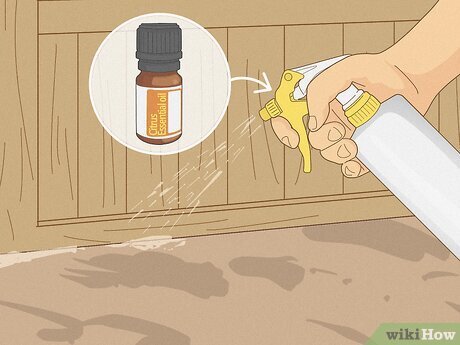
Dogs rely heavily on their sense of smell. Using strong scents like vinegar or essential oils such as eucalyptus and citronella can discourage digging. Spray diluted solutions around the flower beds, but avoid overdoing it to protect your plants.
Keep in mind, some dogs may get used to certain smells over time. Changing scents occasionally can keep your flower beds off-limits. Have you noticed your dog reacting differently to various scents?
Noise And Motion Deterrents
Noise and motion detectors can surprise dogs and stop digging instantly. Devices that emit a sudden sound or a quick burst of water when triggered by movement often work well. These startle dogs without causing harm, teaching them to stay away.
Another simple idea is to place wind chimes or lightweight, moving objects near your flower beds. The unexpected sounds and movements can make dogs think twice before digging there. Would your dog react to a gentle noise or movement in their favorite digging spot?
Training Tips
Training your dog to stop digging in flower beds takes dedication and the right approach. The key lies in teaching your dog what behavior you expect, rewarding the good, and patiently guiding them away from unwanted habits. Here are some training tips that can help you achieve a flower-bed-friendly yard.
Positive Reinforcement
Dogs respond best when they know exactly what pleases you. Use treats, praise, and affection to reward your dog whenever they avoid digging or choose to dig in an appropriate area like a sandbox.
For example, if your dog approaches the flower bed but then stops or moves away on command, immediately offer a treat. This helps them connect the idea that staying out of the flower bed brings rewards.
Have you noticed how your dog’s tail wags more when praised? Use that to your advantage by consistently reinforcing good behavior.
Redirecting Behavior
Simply telling your dog "no" won’t stop the urge to dig. Instead, give them an alternative outlet for their energy. Create a designated digging spot filled with loose soil or sand where they are allowed and encouraged to dig.
When you catch your dog digging in the flower bed, calmly lead them to the digging area and praise them when they start digging there. This teaches them where it’s okay to dig and saves your plants.
Could providing an alternative spot change your dog’s digging habits? Often, giving dogs a “job” or activity can satisfy their instincts without damaging your garden.
Consistency And Patience
Training takes time, and dogs need repetition to learn new habits. Be consistent with your commands and rewards every time you see your dog near the flower bed.
Patience is essential. If your dog slips up, avoid punishment. Instead, calmly redirect and reward the right behavior. Remember, dogs learn best when they feel safe and encouraged.
Think about how often you repeat instructions to a child before they understand. Dogs need similar repetition, so keep your expectations realistic and stay persistent.
Garden Design Adjustments
Adjusting your garden design can play a big role in keeping dogs away from digging in your flower beds. Thoughtful changes not only protect your plants but also create a space that feels natural and inviting for both you and your pets. Small tweaks to your garden's layout and plant choices can reduce the temptation dogs feel to dig.
Choosing Dog-friendly Plants
Select plants that are safe and unappealing to dogs. Some plants have scents or textures that dogs tend to avoid, like lavender, rosemary, or marigolds. These can act as natural deterrents while adding beauty to your garden.
Think about plants that can withstand occasional rough play or nibbling. Avoid toxic plants like lilies or azaleas to keep your furry friends safe. Have you noticed which plants your dog naturally stays away from?
Raised Flower Beds
Raising your flower beds creates a physical barrier that can discourage digging. Elevated beds make it harder for dogs to access the soil directly, reducing the chance they'll dig in those areas.
Using wooden or stone frames not only defines the space but also adds a stylish touch to your garden. If you’ve tried this, did you notice a change in your dog’s behavior around the beds?
Mulch And Ground Cover Options
Choosing the right mulch or ground cover can make digging less appealing. Coarse mulches like pine cones, gravel, or chunky bark are uncomfortable for paws and can deter digging.
Alternatively, dense ground covers such as creeping thyme or clover create a thick carpet that discourages dogs from pawing through. What textures have you found your dog avoids the most in your garden?
When To Seek Professional Help
Sometimes, despite your best efforts, your dog’s digging in flower beds doesn’t stop. It can be frustrating when simple deterrents fail and the digging becomes a regular problem. Knowing when to call in professionals can save your garden and help your dog stay happy and healthy.
Persistent Digging Issues
If you’ve tried barriers, distractions, and training but your dog keeps digging, it might be time to seek help. Persistent digging could indicate deeper issues that need expert attention. Don’t ignore repeated digging—it can lead to injuries or damage that’s hard to fix.
Ask yourself: Has the digging increased in frequency or intensity? Is your dog showing signs of anxiety or stress while digging? If yes, these are red flags signaling you need outside support.
Behavioral Consultations
Behaviorists specialize in understanding why your dog digs and how to change that behavior. They can observe your dog’s habits and environment, then offer customized solutions. This often includes training plans or environmental changes tailored to your dog’s specific needs.
Imagine having a plan that addresses the root cause instead of just the symptoms. Behavioral experts can help you create a peaceful home for both your plants and your pet.
Veterinary Advice
Sometimes digging is a sign of medical problems like allergies, parasites, or pain. A vet can check if physical health issues are driving your dog’s behavior. Ignoring this could worsen your dog’s condition and keep the digging problem alive.
Have you noticed other signs like excessive licking, restlessness, or changes in appetite? These might point to a health issue requiring immediate veterinary care. Your vet can also recommend treatments or medications to ease discomfort and reduce digging urges.

Credit: www.amazon.com
Frequently Asked Questions
How Can I Stop Dogs From Digging In Flower Beds?
Use physical barriers like chicken wire or garden fencing. Apply natural deterrents such as citrus peels or vinegar. Provide a designated digging spot for your dog to redirect behavior. Regular training and supervision also help minimize digging in flower beds.
What Natural Repellents Keep Dogs Away From Gardens?
Citrus peels, vinegar spray, and coffee grounds are effective natural repellents. These scents deter dogs without harming plants or pets. Apply them around flower beds regularly for best results. Avoid chemical repellents that may be toxic to animals and plants.
Why Do Dogs Dig In Flower Beds?
Dogs dig due to boredom, hunting instincts, or to cool off. They may also dig to bury toys or escape confinement. Understanding the cause helps target prevention methods effectively. Providing exercise and mental stimulation reduces unwanted digging behavior.
Can Planting Certain Plants Deter Dogs From Digging?
Yes, some plants like lavender, rosemary, and thorny bushes deter dogs. Their strong scents or textures discourage digging near flower beds. Planting these around your garden can create a natural barrier. Choose pet-safe plants to avoid any toxicity risks.
Conclusion
Keeping dogs away from flower beds is possible with simple steps. Use barriers like fences or chicken wire. Provide a dedicated digging area for your dog. Offer toys and engage in regular playtime. Consistent training can change behavior over time.
Reward good behavior and be patient. Natural deterrents like citrus or vinegar sprays can help. Every dog is different, so try various methods to see what works best. A beautiful garden and a happy dog are achievable with effort and care.