
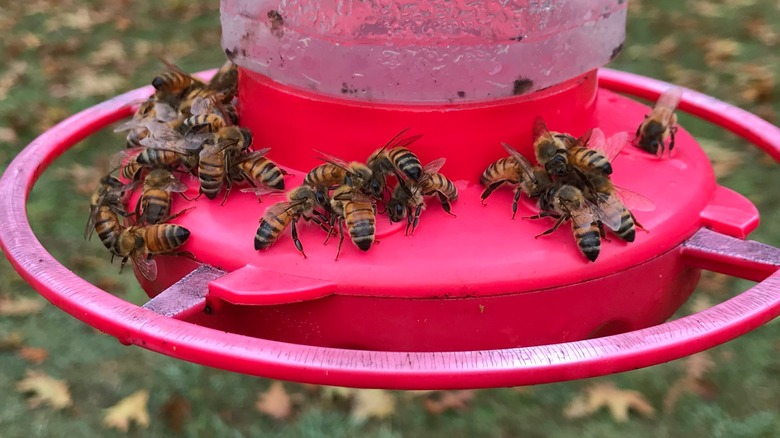
Imagine sipping your morning coffee, watching vibrant hummingbirds flit around your garden. Suddenly, bees swarm your feeder, turning this peaceful moment into a buzzing frenzy.
Sound familiar? You're not alone. Many bird lovers face this pesky problem. But here's the good news: you can enjoy your hummingbirds without the bee invasion. This guide will show you effective, simple ways to deter bees from your hummingbird feeder.
Curious about how to reclaim your tranquil mornings? Let's dive in and discover the secrets to keeping your feeder a bee-free zone.
Credit: www.housedigest.com
Why Bees Are Drawn To Feeders
Understanding why bees are drawn to your hummingbird feeder is key to keeping them away without harming these important pollinators. Bees are naturally attracted to the sweet nectar you provide for hummingbirds, but a few subtle details about your feeder can either invite or discourage their visits. Let’s break down what makes feeders irresistible to bees and how you can adjust your setup.
Attraction To Sugar Nectar
Bees are hardwired to seek out sugary liquids for energy. The nectar solution in hummingbird feeders often contains a high concentration of sugar, which bees find just as appealing as hummingbirds do.
Because bees rely on sugar for fuel, they won’t easily ignore a bright, sweet source nearby. Even if you think your feeder is meant only for hummingbirds, the nectar is a beacon for bees looking to gather food.
Have you noticed bees hovering around your feeder shortly after refilling it? That’s because fresh sugar water is particularly attractive to them.
Feeder Design Factors
The way your feeder is designed can either invite or discourage bees. Features like the color, shape, and number of feeding ports influence how easily bees can access the nectar.
- Color:Red is used to attract hummingbirds, but bees are also drawn to bright colors, including red, yellow, and blue.
- Port Size:Larger feeding ports give bees easier access to the nectar. Small or bee-proof ports can limit their ability to reach the sugar water.
- Placement:Feeders placed in shaded or less exposed areas tend to attract fewer bees since they prefer warmer spots.
From my own experience, switching to feeders with smaller, bee-resistant ports drastically cut down the bee visitors without affecting the hummingbirds’ access. What changes can you make today to your feeder’s design or placement to reduce bee visits?
Choosing Bee-resistant Feeders
Choosing the right feeder can make a huge difference in keeping bees away from your hummingbird feeder. Not all feeders are created equal, and some are specifically designed to be less attractive or accessible to bees. Selecting feeders with bee-resistant features means you can enjoy watching hummingbirds without constant battles against buzzing intruders.
Bee-proof Feeding Ports
Bee-proof feeding ports are designed to limit access to the nectar, allowing only hummingbirds with their long beaks to reach the food. These ports often have tiny openings or special shapes that bees can’t fit their bodies into.
Look for feeders with red-colored feeding ports since bees are less attracted to red. This simple color choice can reduce unwanted visits significantly.
Have you noticed how some feeders have wide openings where bees gather? Avoid those, as they make it easy for bees to feed and cause messes.
Feeders With Bee Guards
Bee guards are physical barriers added around the feeding ports to keep bees away. These are often small plastic or mesh covers that block bees but let hummingbirds feed comfortably.
I tried a feeder with built-in bee guards last summer, and the difference was clear. Bees stayed off, while hummingbirds visited frequently, making my bird-watching much more enjoyable.
When choosing a feeder, check if the bee guards are easy to clean and durable. A good guard helps you avoid constant maintenance while keeping your feeder bee-free.
Placement Strategies To Avoid Bees
Placement plays a key role in keeping bees away from hummingbird feeders. Bees are attracted to bright colors and sweet smells. Proper placement helps reduce bee visits while still inviting hummingbirds.
Choosing the right spot can make a big difference. The feeder should be in a place that does not attract bees but is easy for hummingbirds to find. Careful positioning also keeps the feeder cleaner and safer for birds.
Location Away From Flowers
Place the feeder far from blooming flowers. Bees naturally go to flowers for nectar. If the feeder is close to flowers, bees will visit it more often.
Choose a spot with few or no flowers nearby. This reduces the chance bees will find the feeder. Hummingbirds can still see the feeder from a distance and reach it easily.
Height And Position Tips
Hang the feeder at least 5 feet above the ground. This height makes it harder for bees to reach. Hummingbirds are good flyers and have no trouble at this height.
Position the feeder in a shaded area or under a tree branch. Bees prefer sunny, warm spots. Shade helps keep bees away but does not stop hummingbirds.
Keep the feeder away from walls or surfaces where bees can rest. Open spaces make it less attractive to bees. Hummingbirds like open areas for easy access.

Credit: www.countryliving.com
Using Bee Deterrents Safely
Using bee deterrents safely is essential to protect both the hummingbirds you want to attract and the bees you want to keep away. You want a solution that discourages bees without causing harm to the environment or the creatures involved. Finding the right balance means choosing gentle, effective methods that respect nature's delicate balance.
Natural Repellents
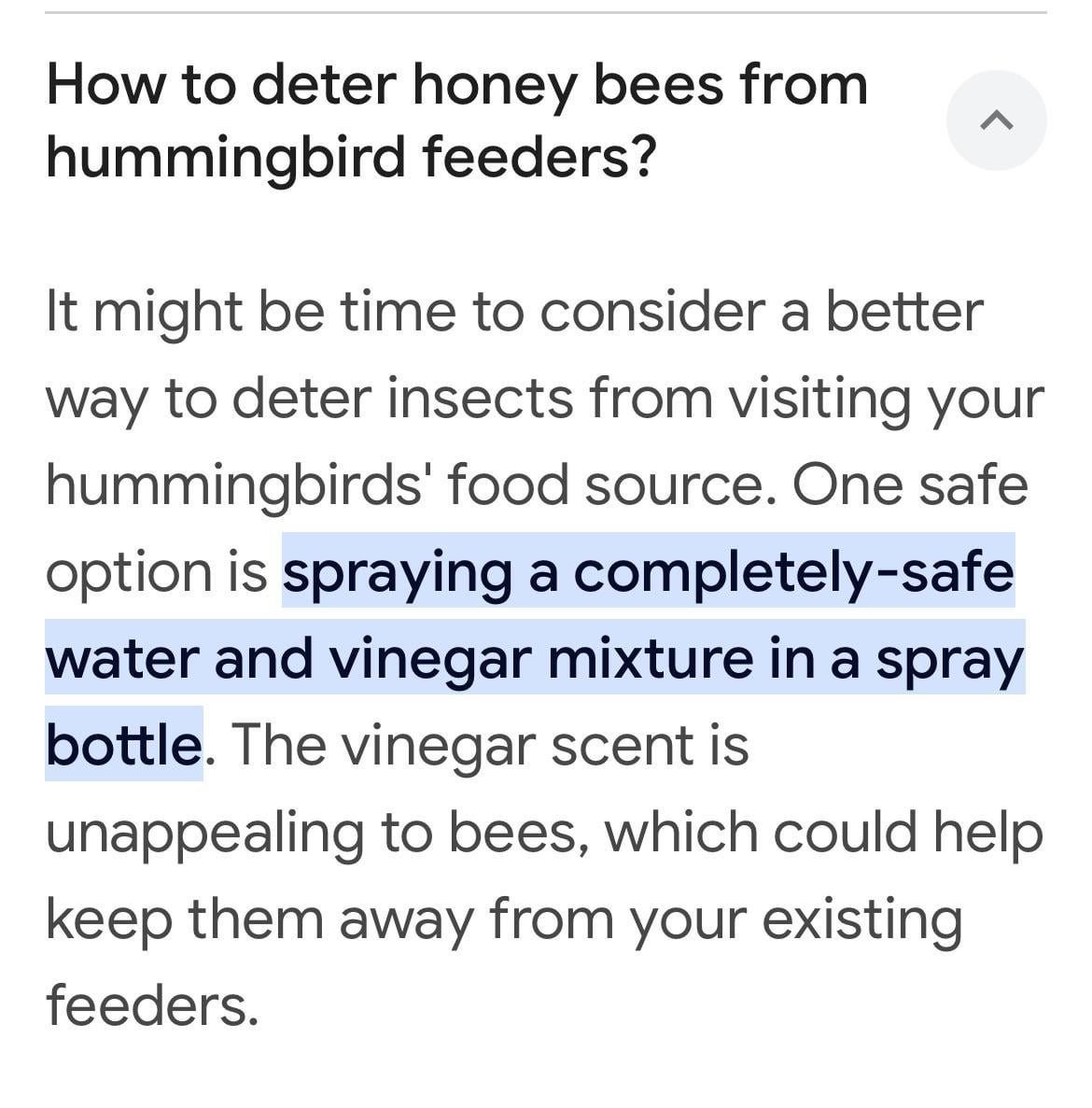
Natural repellents are a great way to keep bees from invading your hummingbird feeder without risking harm. You can try placing a few drops of peppermint or clove oil near the feeder; bees tend to avoid these strong scents. Another option is to add a small dish of vinegar nearby—its sharp smell can discourage bees but won’t bother hummingbirds.
One surprising tip is to use a tiny bit of dish soap mixed with water to clean the feeder regularly. This breaks down the sugary residue that attracts bees. I learned this the hard way when bees swarmed my feeder, but after adding this cleaning routine, the bees reduced significantly while hummingbirds kept visiting.
Avoiding Harmful Chemicals
Resist the urge to spray pesticides or harsh chemicals near your feeder. These substances can poison hummingbirds and other beneficial insects. Instead, focus on physical barriers like bee guards or feeder designs that limit bee access.
Consider whether you really want to risk damaging your local ecosystem for a few fewer bees. Bees are vital pollinators, and their decline has serious consequences. You can protect your feeder and the environment by choosing safe, non-toxic deterrents.
Have you thought about how your choice of bee deterrent affects the wider garden? Selecting safe options helps maintain a healthy balance where hummingbirds thrive and bees stay away without harm.
Maintaining And Cleaning Feeders
Maintaining and cleaning your hummingbird feeder is key to keeping bees at bay and ensuring a safe feeding spot for the birds. A dirty feeder can attract unwanted insects and cause the nectar to spoil quickly. By staying on top of cleaning, you improve the nectar’s quality and reduce the chances of fermentation or mold growth.
Regular Cleaning Schedule
Set a cleaning routine that fits your local climate and how often you refill the feeder. In hot weather, nectar spoils faster, so clean your feeder every two to three days. Cooler weather allows for a bit more time, but aim for at least once a week.
Use warm water and a mild dish soap to scrub the feeder parts thoroughly. Rinse well to remove any soap residue that might harm hummingbirds. A small bottle brush can help reach tight spots and flower ports.
Have you noticed a sticky residue or discoloration on your feeder? That’s a sign it’s time to clean, even if your schedule says otherwise. Staying flexible with cleaning frequency keeps your feeder inviting and bee-resistant.
Preventing Fermentation
Fermented nectar attracts bees and can be harmful to hummingbirds. To prevent this, always use fresh sugar water made with a 4:1 water-to-sugar ratio. Avoid adding honey or artificial sweeteners, as they promote fermentation faster.
Store your nectar in the fridge if you make it in advance, and never leave it out longer than three days. Warm temperatures speed up fermentation, so placing the feeder in a shaded spot helps keep nectar fresh.
Have you tried changing your nectar more often and seen fewer bees? This simple habit can make a big difference. Keeping nectar fresh discourages bees and keeps your hummingbird visitors happy and healthy.

Credit: www.hummingbirdsociety.org
Alternative Feeding Solutions
Alternative feeding solutions help keep bees away from hummingbird feeders. They provide other sources of food and water for bees. This reduces their interest in the hummingbird feeder. It also supports a healthy garden for all pollinators.
Planting Bee-friendly Flowers Elsewhere
Plant flowers that attract bees in another part of your yard. Choose bright flowers with strong scents. Bees love plants like lavender, sunflowers, and clover. These flowers offer natural nectar for bees to feed on.
Place these plants far from your hummingbird feeder. This gives bees a better option than the feeder. It helps keep your hummingbird feeder mostly for hummingbirds only.
Creating Separate Bee Water Stations
Bees need water just like hummingbirds. Set up shallow water dishes with small stones or marbles. Bees can land safely and drink without drowning. Add fresh water daily to keep it clean.
Place these water stations away from your hummingbird feeder. This draws bees away while they hydrate. It reduces their visits to the feeder and prevents overcrowding.
Frequently Asked Questions
How Can I Keep Bees Away From Hummingbird Feeders?
Use bee guards or feeders with bee-proof ports. Place feeders in shaded areas and clean spills promptly to deter bees. Reducing sugar concentration in the nectar also helps minimize bee attraction.
Why Do Bees Visit Hummingbird Feeders?
Bees are attracted to the sweet nectar in hummingbird feeders. They seek sugar as an energy source. Without deterrents, they can dominate feeders meant for hummingbirds.
What Is The Best Nectar Recipe To Avoid Bees?
Use a 1:4 sugar-to-water ratio instead of 1:3. This less concentrated nectar attracts fewer bees but still feeds hummingbirds well.
Can Bee Guards Harm Hummingbirds?
No, bee guards are designed to block bees but allow hummingbirds easy access. They protect feeders without harming or disturbing hummingbirds.
Conclusion
Keeping bees away from your hummingbird feeder helps protect the birds. Use bee guards or feeders with small openings. Place feeders in shady spots to make bees less interested. Clean the feeder often to avoid attracting bees. Try hanging feeders with bee traps nearby.
These small steps make feeding hummingbirds easier and safer. Enjoy watching the birds without worrying about bees. Simple changes can bring great results.