
Are you struggling to get your dog to settle down at night? Crate training can be the key to peaceful evenings for both you and your furry friend.
But how do you make sure your dog feels safe and comfortable in their crate when it’s time to sleep? In this guide, you’ll discover simple, effective steps to crate train your dog at night without stress or tears. Keep reading, and you’ll learn how to create a calm bedtime routine that helps your dog—and you—enjoy a restful night every night.
Benefits Of Night Crate Training
Crate training your dog at night offers many benefits for both pets and owners. It helps create a safe space for your dog to rest. Night crate training supports good habits and makes housebreaking easier.
Dogs feel secure in a crate, which reduces anxiety during sleep. This training also prevents destructive behavior while you sleep. A well-trained dog learns to stay calm and quiet at night.
Improved Sleep Quality For Dogs And Owners
Crate training helps dogs settle down quickly. A calm dog means fewer disruptions during the night. Owners can enjoy uninterrupted sleep without worrying about accidents or noise.
Supports Housebreaking And Reduces Accidents
Dogs usually avoid soiling their sleeping area. Night crate training encourages bladder control and patience. This leads to fewer nighttime accidents in the house.
Builds A Safe And Comfortable Space
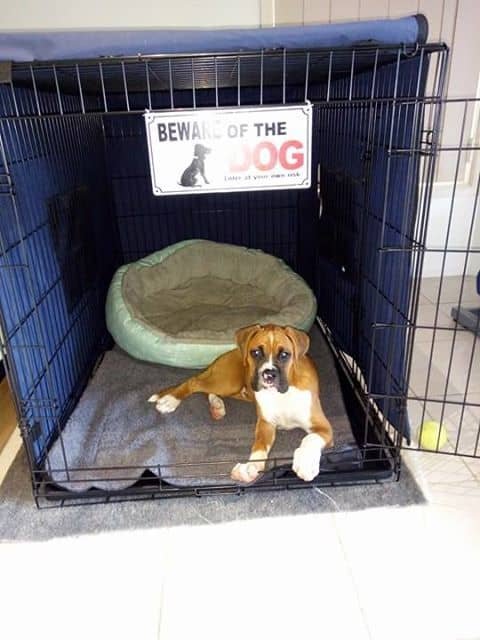
The crate becomes a cozy retreat your dog trusts. It provides a personal area away from busy household activity. This safe space helps your dog relax and feel secure.
Encourages Consistent Routine And Discipline
Going to the crate at night sets a clear routine. Dogs learn when it’s time to rest and when to be active. Consistency helps improve overall behavior and obedience.
Reduces Nighttime Anxiety And Stress
Many dogs feel less stressed in a familiar crate. The enclosed space mimics a den, calming nervous dogs. Reduced anxiety helps your dog sleep better through the night.

Credit: www.care.com
Choosing The Right Crate
Choosing the right crate plays a big role in your dog’s comfort and training success. The crate should feel like a safe, cozy space your dog wants to enter. It must fit your dog’s size and needs perfectly. A good crate encourages calmness and helps your dog sleep well through the night. This section explains how to pick the best crate by focusing on size, comfort, material, and design.
Size And Comfort
The crate size must allow your dog to stand, turn, and lie down easily. Too small feels cramped and stressful. Too large may make your dog use one corner as a bathroom. Measure your dog’s height and length before buying. Add a few inches for comfort.
Include soft bedding or a cushion inside the crate. It makes the crate inviting and warm. Avoid hard or slippery surfaces. A comfortable crate helps your dog settle quickly and sleep better.
Material And Design
Crates come in metal, plastic, or fabric. Metal crates are sturdy and provide good ventilation. Plastic crates offer privacy and feel more enclosed. Fabric crates are lightweight and portable but less durable.
Choose a crate with secure locks to keep your dog safe. Ventilation holes or mesh panels improve airflow and prevent overheating. A crate with a removable tray makes cleaning easier. Pick a design that fits your home space and your dog’s personality.
Preparing Your Dog For The Crate
Preparing your dog for the crate is a crucial step to ensure a smooth and stress-free night for both of you. The goal is to make the crate feel like a safe and welcoming space, not a punishment or a place of isolation. Patience and consistency during this phase can make a big difference in how your dog accepts their new sleeping area.
Introducing The Crate Slowly
Start by placing the crate in a common area where your dog spends a lot of time. Leave the door open and let your dog explore it at their own pace. Avoid forcing your dog inside; instead, encourage curiosity by placing treats or toys just inside the entrance.
Spend short periods near the crate, talking softly or offering gentle pets. Gradually increase the time your dog spends inside with the door closed, beginning with just a few seconds. This slow introduction helps your dog build comfort without feeling trapped.
Creating Positive Associations
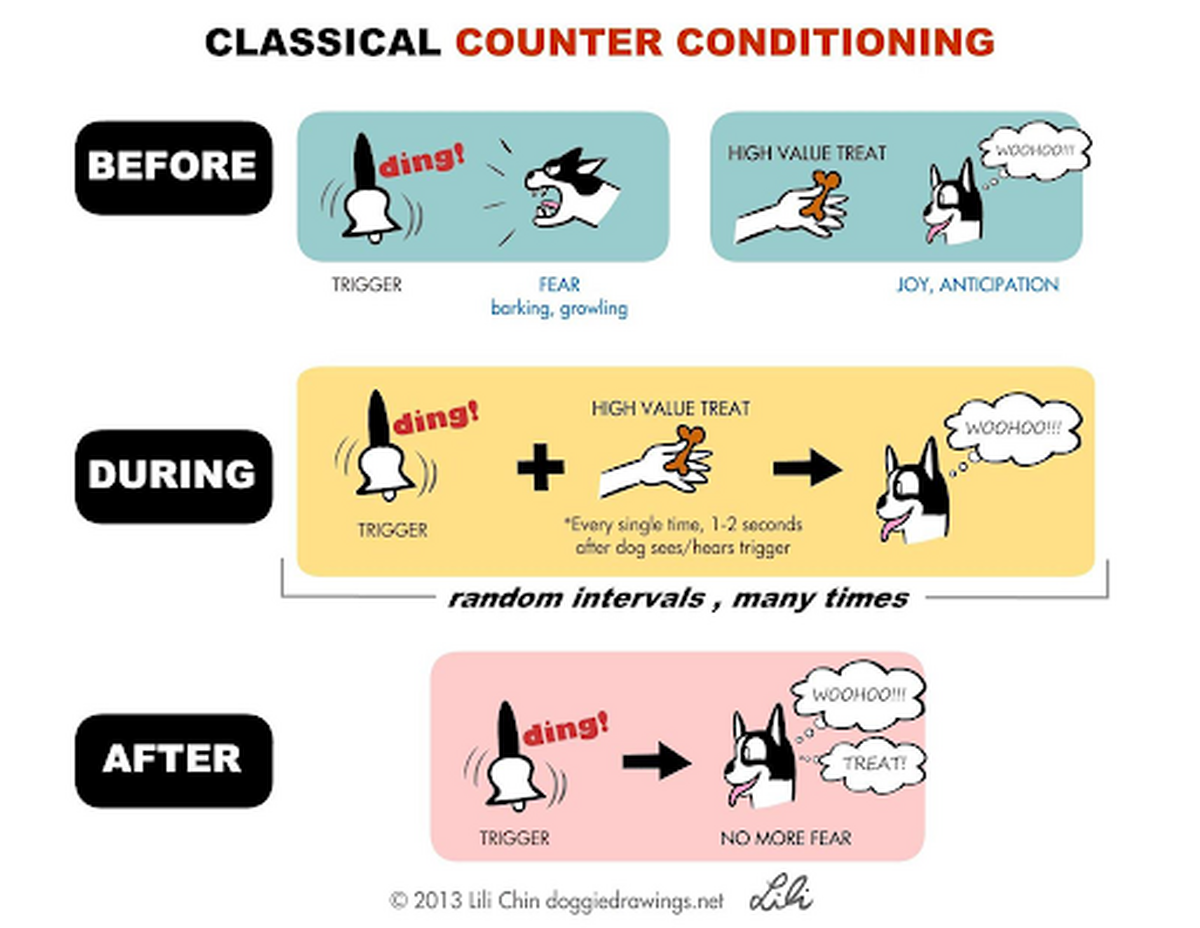
Make the crate inviting by adding a soft blanket or your dog’s favorite bed. Use treats and praise every time your dog enters or stays calmly inside the crate. This builds a positive connection and helps your dog see the crate as a happy place.
Try feeding your dog meals inside the crate to link it with something enjoyable. If your dog shows signs of anxiety, distract them with a special chew toy only available in the crate. This can keep them occupied and ease nervousness during the night.

Credit: k9connoisseur.com
Establishing A Nighttime Routine
Establishing a consistent nighttime routine is key to successful crate training. Your dog thrives on predictability, especially at night when it’s time to wind down. Setting clear expectations helps your dog feel secure and reduces anxiety, making crate time more comfortable for both of you.
Exercise And Playtime
Before bedtime, make sure your dog gets plenty of exercise and play. A tired dog is more likely to settle quickly in their crate and sleep through the night. This doesn’t mean an intense workout right before bed; gentle play or a calm walk can help release excess energy.
Have you noticed how your dog behaves differently after a day full of activity? Use that energy to your advantage. Try interactive toys or a quick game of fetch earlier in the evening to avoid overstimulation close to bedtime.
Feeding Schedule
Timing your dog’s last meal is crucial for nighttime crate training. Feeding at least two hours before bedtime gives your dog time to digest and reduces the chance they’ll need to go out during the night. Avoid late-night snacks that might upset their routine.
Consistency is vital here. Feeding your dog at the same time each evening helps regulate their internal clock. It also signals to your dog that bedtime is approaching, easing the transition into crate time.
Bathroom Breaks
Plan bathroom breaks strategically to prevent accidents inside the crate. Take your dog outside right before bedtime to empty their bladder and again immediately after you wake up. This builds a habit and reduces nighttime disruptions.
If your dog is young or newly crate trained, consider a quick bathroom break during the night. Gradually extend the time between breaks as your dog grows more comfortable and gains bladder control. Have you tracked your dog’s bathroom needs? It can help you fine-tune this schedule perfectly.
Helping Your Dog Settle At Night
Helping your dog settle at night is key to successful crate training. A calm and cozy space makes your pet feel safe. This reduces anxiety and encourages restful sleep. Establishing a soothing night routine supports this process.
Using Comfort Items
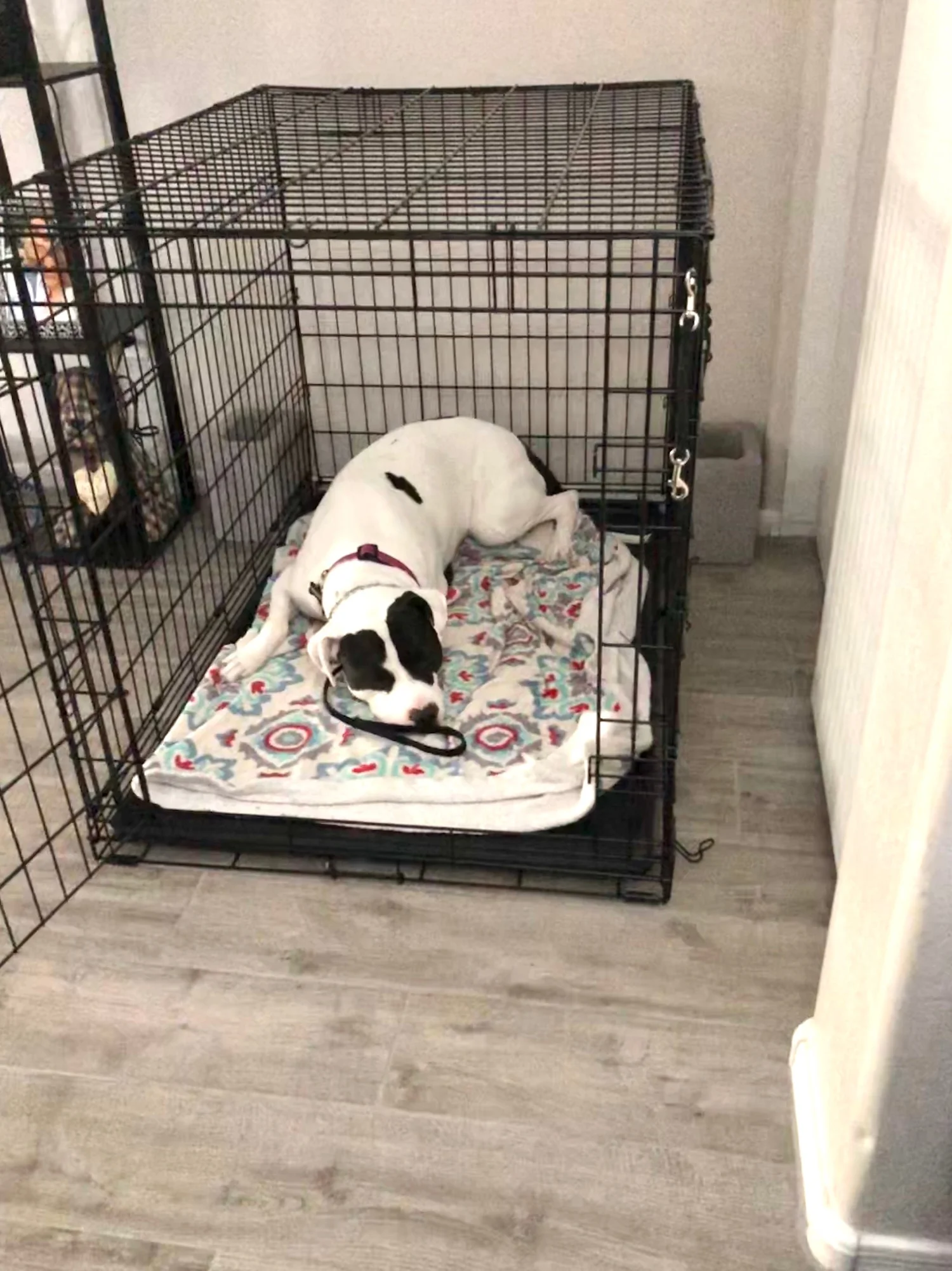
Place familiar items inside the crate. A soft blanket or a favorite toy can bring comfort. These items carry your dog's scent, which soothes them. Avoid anything that can be chewed or swallowed. Comfort items make the crate feel like a safe den.
Calm Environment Tips
- Keep the room quiet and dimly lit.
- Reduce loud noises and sudden movements.
- Use a night light if your dog prefers some light.
- Maintain a cool, comfortable temperature.
- Stick to a consistent bedtime routine.
These steps help your dog relax and settle faster. A calm environment supports peaceful sleep and crate acceptance.
Handling Nighttime Whining
Handling nighttime whining during crate training can test your patience, but understanding the right way to respond is key to success. Whining often signals discomfort or a need, but reacting too quickly might teach your dog that whining gets attention. The goal is to help your dog feel safe and quiet through the night without reinforcing the behavior.
When To Respond
Not every whine requires immediate action. If your dog just started whining, wait a few minutes to see if they settle down on their own. Sometimes dogs whine briefly and then calm themselves.
However, if the whining continues or sounds urgent, check for real needs like needing to go outside or feeling unwell. Respond calmly and quietly to avoid turning it into a playtime invitation.
Encouraging Quiet Behavior
Reward your dog when they remain quiet in the crate. You can softly praise them or offer a treat after they have been calm for a few minutes. This teaches them that being quiet earns positive attention.
Try using a favorite chew toy or a stuffed Kong to keep your dog occupied and less likely to whine. Over time, they will associate the crate with comfort and calmness rather than anxiety.
Troubleshooting Common Issues
Troubleshooting common issues during nighttime crate training can save you from frustration and help your dog adjust smoothly. Challenges like separation anxiety and accidents in the crate are common but manageable with the right approach. Understanding these problems allows you to respond effectively and keep nighttime crate training a positive experience.
Separation Anxiety
Separation anxiety often causes dogs to whine, bark, or scratch at the crate door. This behavior can be distressing for both you and your dog. Have you noticed your dog becoming more anxious the longer they stay in the crate?
To ease anxiety, try spending short periods near the crate while your dog is inside. Sit quietly, talk softly, or offer a favorite toy to create a comforting environment. Gradually increase the time your dog stays alone in the crate, so they build confidence in being by themselves.
Using a consistent bedtime routine also helps your dog understand when it’s time to relax. Avoid rushing to let them out when they whine immediately; instead, wait for a quiet moment to open the door. This teaches your dog that calm behavior gets rewarded.
Accidents In The Crate
Accidents happen, especially during the early stages of crate training. If your dog soils the crate at night, don’t punish them. Instead, focus on identifying the cause and adjusting your routine.
One common reason is that your dog simply can’t hold their bladder for the entire night. Try taking your dog outside for a bathroom break right before bedtime. Reducing water intake an hour before bed can also help prevent accidents.
If accidents continue, your dog might be stressed or not yet comfortable with the crate. Clean the crate thoroughly to remove any lingering odors that might encourage repeat accidents. Consider adding a waterproof liner under the bedding for easy cleanup.
Would changing the crate size or placement in the room improve your dog’s comfort? Sometimes, a larger or quieter spot can make a big difference in their behavior at night.
Maintaining Consistency For Success
Maintaining consistency is key to successful crate training at night. Dogs thrive on routine and clear expectations. Regular habits help your dog feel safe and understand what to expect. This reduces anxiety and helps them settle down quickly in the crate.
Consistency builds trust between you and your dog. It also speeds up the learning process. When your dog knows the rules and schedule, they adjust faster. This means fewer accidents and less stress for everyone.
Set A Regular Bedtime Routine
Choose a specific time to put your dog in the crate each night. Stick to this time every day. This routine signals to your dog that it is time to sleep. Include calming activities before bedtime, like gentle petting or soft talking.
Use The Same Commands And Cues
Use clear, simple words when guiding your dog to the crate. Repeat the same phrases each night. For example, say “crate time” or “bedtime” consistently. This helps your dog understand what to do without confusion.
Keep Feeding And Potty Times Consistent
Feed your dog at the same times daily. Take them outside to potty before bedtime. This routine helps avoid accidents in the crate. It also makes your dog more comfortable overnight.
Respond To Nighttime Needs Predictably
If your dog whines or barks, respond calmly and consistently. Avoid giving extra attention that encourages noise. Take your dog out only if necessary. Return to the same bedtime routine quickly to reinforce good habits.

Credit: www.skipperspetproducts.com
Frequently Asked Questions
How Long Does Crate Training Take At Night?
Crate training usually takes 1 to 2 weeks for most dogs. Consistency and patience speed up the process. Gradually increase crate time each night to build comfort and trust.
What Size Crate Is Best For Night Training?
Choose a crate just large enough for your dog to stand, turn, and lie down comfortably. Avoid oversized crates to prevent accidents and encourage proper denning behavior.
How To Make Crate Training Comfortable At Night?
Add soft bedding and familiar toys inside the crate. Keep the crate in a quiet, dimly lit area. Use calming scents and gentle praise to create a positive nighttime environment.
Should I Feed My Dog Before Crate Training At Night?
Yes, feed your dog 1-2 hours before bedtime. This helps prevent accidents and allows enough time for bathroom breaks before crating overnight.
Conclusion
Crate training your dog at night can be easy with patience. Start with short sessions, then gradually increase the time. Keep the crate cozy with a soft bed or blanket. Ensure your dog feels safe and secure inside. Consistency is key in building a routine.
Reward your dog with treats and praise for good behavior. This creates positive associations with the crate. A calm and comfortable night routine leads to better sleep for both of you. Patience and love help your dog adjust happily to their crate.