Are you passionate about attracting hummingbirds to your garden? If so, you know how rewarding it is to watch these tiny, vibrant creatures flit about.
But to keep them coming back, it's crucial that you maintain a clean hummingbird feeder. Dirty feeders can harbor mold and bacteria, which are harmful to these delicate birds. The good news? Cleaning your feeder is easier than you might think, and it only takes a few simple steps to ensure your feathered friends stay healthy and happy.
Ready to make your garden a hummingbird haven? Let's dive into the essentials of keeping your feeder spotless and inviting.
Why Clean Your Feeder
Cleaning your hummingbird feeder is essential for the well-being of these tiny birds. Dirty feeders can quickly become a breeding ground for harmful substances. This can put hummingbirds at risk and spoil your feeding experience. Regular cleaning keeps the feeder safe and inviting.
Preventing Mold And Bacteria
Mold and bacteria grow fast in sugary nectar. They can make the nectar unsafe for hummingbirds. Cleaning stops these harmful substances from growing. It also helps avoid sticky, smelly messes that scare birds away.
Protecting Hummingbird Health
Dirty feeders can cause sickness in hummingbirds. Bacteria and mold lead to infections and diseases. Clean feeders provide fresh nectar that supports their health. Healthy hummingbirds visit more often and live longer.
Extending Feeder Lifespan
Regular cleaning keeps the feeder in good shape. Nectar buildup can damage feeder parts and cause leaks. Clean feeders last longer and save money. Proper care means you enjoy watching hummingbirds for many seasons.

Credit: www.youtube.com
How Often To Clean
Keeping your hummingbird feeder clean is essential for the health of the birds. Regular cleaning stops mold and bacteria growth. It also keeps the nectar fresh and safe for hummingbirds. Knowing how often to clean your feeder helps maintain a healthy feeding spot year-round.
Daily Maintenance Tips
Check your feeder every day. Remove leftover nectar before it spoils. Wipe the feeder with a clean cloth. Refill with fresh nectar to attract hummingbirds. This simple routine keeps the nectar fresh and the birds healthy.
Weekly Deep Cleaning
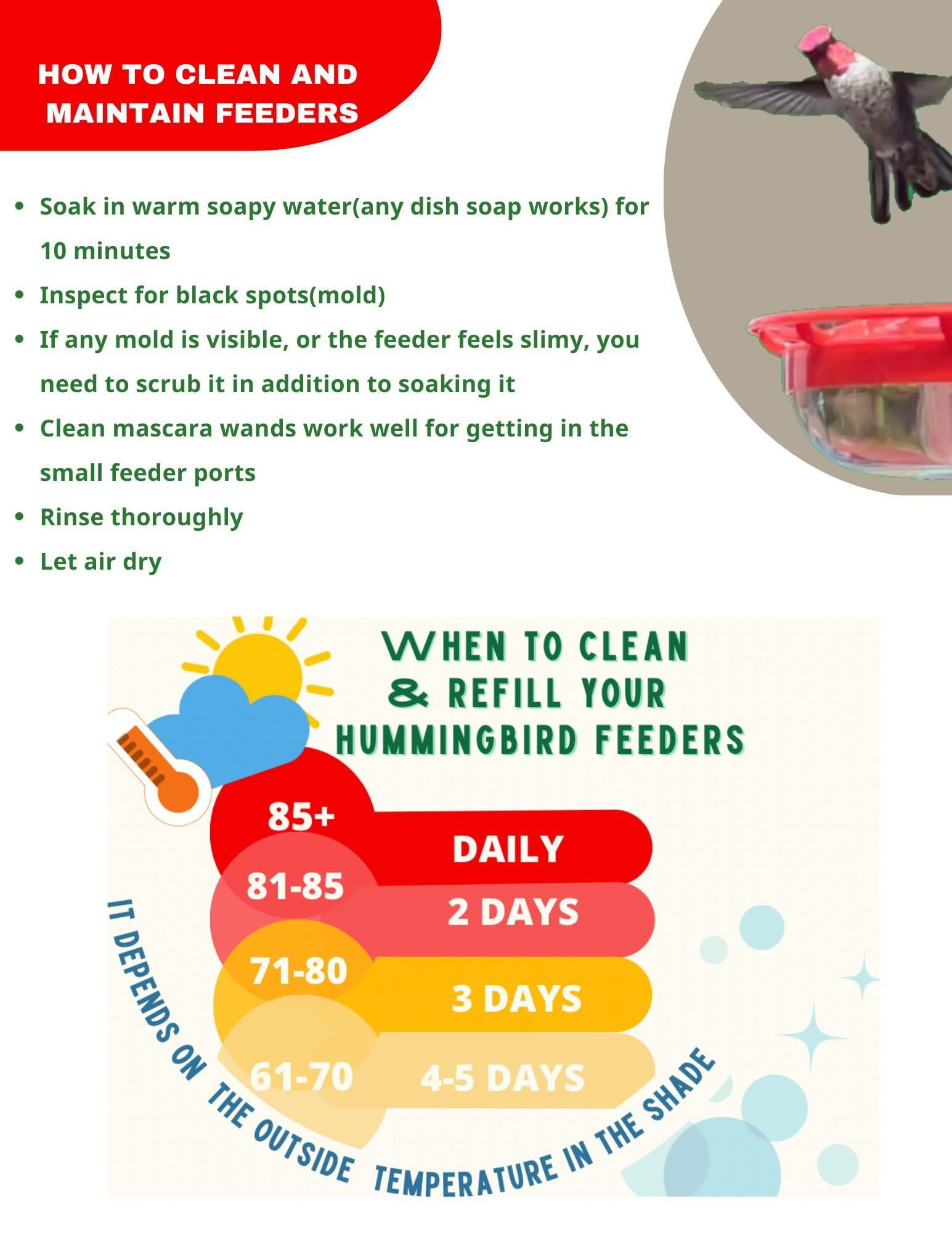
Once a week, take the feeder apart. Soak all parts in warm, soapy water. Use a brush to clean small holes and corners. Rinse thoroughly with clean water. Let the feeder dry completely before refilling. This deep clean removes hidden mold and bacteria.
Seasonal Cleaning Guidelines
At the start and end of the hummingbird season, clean the feeder well. Inspect for cracks or damage. Replace parts if needed. Store the feeder in a clean, dry place during winter. Proper seasonal care ensures your feeder lasts longer and stays safe for birds.
Essential Cleaning Supplies
Keeping your hummingbird feeder clean is key to the health of these tiny visitors. Using the right cleaning supplies makes this task easier and safer. Proper tools and solutions help remove old nectar and prevent mold growth. This section covers the essential supplies you need.
Safe Cleaning Solutions
- Use warm water mixed with mild dish soap.
- A solution of one part white vinegar to four parts water works well.
- Rinse thoroughly to remove any soap or vinegar residue.
- Avoid harsh chemicals that could harm birds.
Tools And Brushes
- Soft bottle brushes reach inside narrow feeder parts.
- Small pipe cleaners clean tiny feeding ports.
- Sponges or cloths help scrub feeder surfaces gently.
- Use separate brushes for feeder and nectar container.
Avoiding Harmful Chemicals
- Never use bleach or ammonia on hummingbird feeders.
- Harsh chemicals can leave toxic residues harmful to birds.
- Stick to natural or mild cleaning agents only.
- Rinse feeders well after cleaning to avoid any risk.
Step-by-step Cleaning Process
Cleaning your hummingbird feeder regularly keeps the nectar fresh and safe. A clean feeder attracts more hummingbirds and prevents mold or bacteria. Follow these simple steps to clean your feeder well.
Disassembling The Feeder
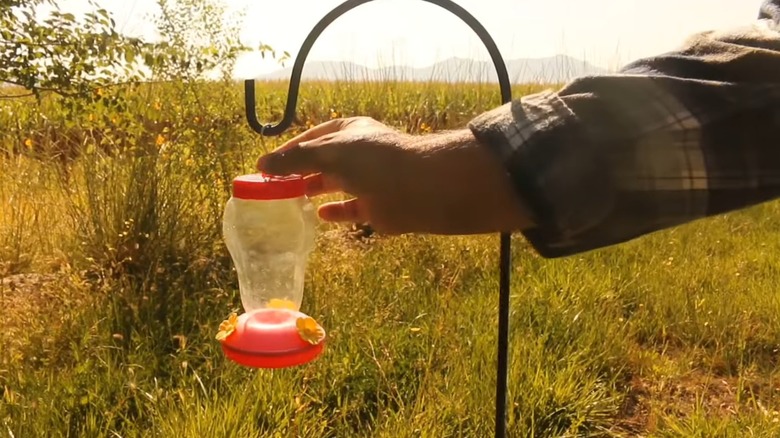
Remove the feeder from its hanging spot. Take apart all pieces, including the base, bottle, and flower ports. This makes cleaning easier and more effective. Handle parts gently to avoid breaking them.
Soaking And Scrubbing
Fill a bowl with warm water and mild dish soap. Soak all feeder parts for 10 to 15 minutes. Use a soft brush or sponge to scrub inside and outside thoroughly. Pay close attention to small holes and crevices where mold can grow.
Rinsing Thoroughly
Rinse each part under running water to remove soap and residue. Ensure no soap remains as it can harm hummingbirds. Shake out excess water and let all parts dry completely before reassembling.
Drying And Reassembling
After washing your hummingbird feeder, drying and reassembling it properly is essential. This step prevents mold and keeps the feeder safe for birds. Careful drying ensures no water remains in hard-to-reach spots.
Effective Drying Techniques
Air drying is the best way to keep the feeder clean and dry. Place all parts on a clean towel in a sunny spot. Avoid using cloths that leave lint behind.
Use a soft cloth or paper towel to dry small parts. Pay attention to small openings and crevices. Letting the feeder dry completely stops mold growth.
Checking For Damage
Look closely at each part for cracks or wear. Cracks can leak nectar or let dirt in. Check the feeding ports and seals carefully.
Replace any damaged parts before reassembly. A damaged feeder can harm hummingbirds or waste nectar. Regular checks keep your feeder safe and effective.
Refilling With Fresh Nectar
Only fill the feeder with fresh nectar to attract hummingbirds. Do not reuse old nectar, as it can spoil quickly. Mix nectar with four parts water to one part sugar.
Fill the feeder just enough to last a few days. Too much nectar can ferment or attract ants. Clean feeding encourages hummingbirds to return often.
Credit: www.housedigest.com
Tips To Keep Feeders Cleaner Longer
Keeping your hummingbird feeder clean helps protect birds and keeps nectar fresh. Clean feeders attract more hummingbirds and prevent mold and bacteria growth. Simple habits can make your feeder stay cleaner for longer.
Using Vinegar For Prevention
Vinegar works well to prevent mold and bacteria in feeders. Mix one part white vinegar with four parts water. Soak the feeder in this solution for 10 to 15 minutes. Rinse thoroughly with clean water before refilling with nectar. This natural cleaner does not harm birds and keeps feeders safe.
Placing Feeders Strategically
Choose a shady spot to hang your feeder. Shade slows down nectar spoilage caused by heat. Place feeders near flowers to attract hummingbirds naturally. Avoid areas with direct sunlight for long hours. Keep feeders away from strong winds and heavy rain to reduce dirt buildup.
Avoiding Ant And Bee Problems
Ants and bees often visit feeders for nectar. Use ant moats filled with water above the feeder to block ants. Clean spills around the feeder regularly to avoid attracting bees. Avoid using sweet sprays near feeders. If bees become a problem, try hanging feeders away from bee-attracting plants.
Credit: www.housedigest.com
Frequently Asked Questions
How Often Should I Clean My Hummingbird Feeder?
Clean your hummingbird feeder every 3 to 4 days. Frequent cleaning prevents mold and harmful bacteria growth. This keeps the nectar fresh and safe for hummingbirds. In hot weather, clean it more often to avoid fermentation and spoilage.
What Is The Best Method To Clean A Hummingbird Feeder?
Use warm water and mild soap to clean the feeder. Scrub all parts with a bottle brush to remove residue. Rinse thoroughly to eliminate soap traces. Avoid harsh chemicals that can harm hummingbirds. Air dry completely before refilling with fresh nectar.
Can I Use Bleach To Clean My Hummingbird Feeder?
Yes, but use it carefully and sparingly. Mix one part bleach with nine parts water. Soak the feeder for 10 minutes, then scrub and rinse well. Ensure no bleach residue remains to keep hummingbirds safe and healthy.
Why Is Cleaning Hummingbird Feeders Important?
Regular cleaning prevents harmful mold and bacteria growth. Dirty feeders can cause diseases in hummingbirds. Clean feeders provide fresh nectar, attracting more birds. This supports their health and encourages frequent visits to your garden.
Conclusion
Cleaning your hummingbird feeder keeps birds healthy and happy. Do it every few days to stop mold and bacteria. Use warm water and mild soap for best results. Rinse well to remove all soap traces. A clean feeder attracts more hummingbirds to your garden.
Enjoy watching these tiny birds visit often. Simple steps make a big difference for your feathered friends. Keep your feeder clean, and nature will thank you.