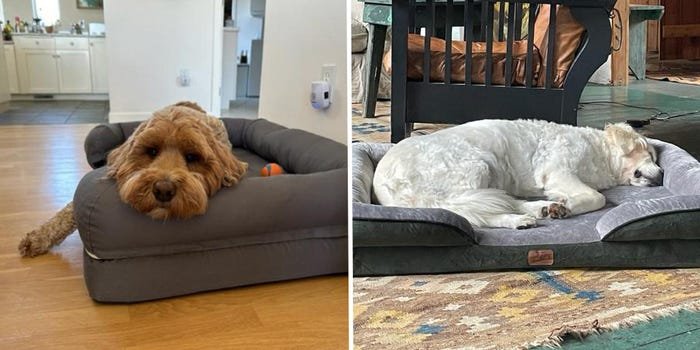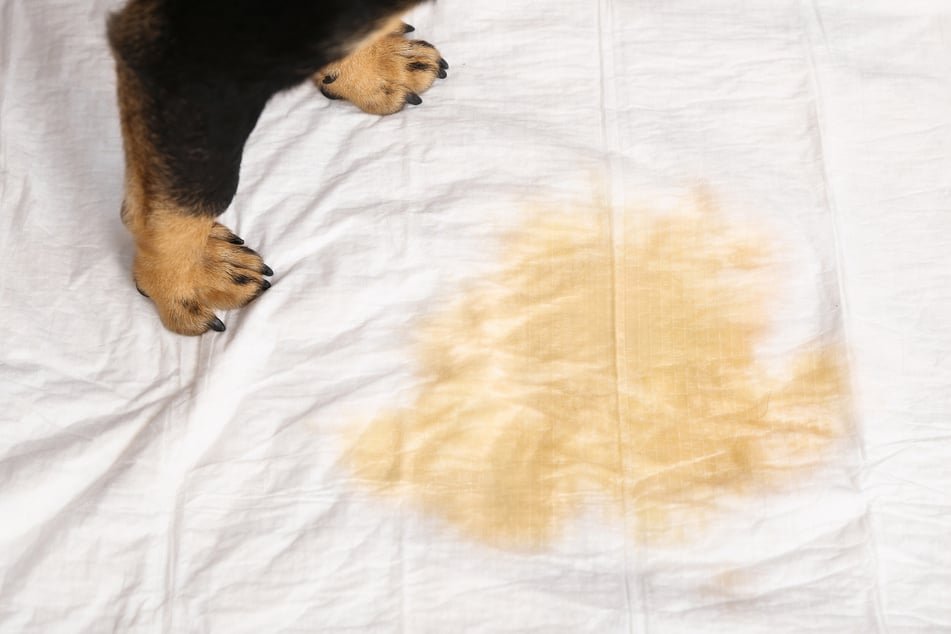
Accidents happen, and when your dog has an accident on their foam bed, it can feel frustrating. You want your furry friend to stay comfortable, but urine stains and odors can make that difficult.
Cleaning urine from a foam dog bed might seem tricky, but with the right steps, you can restore freshness quickly. In this guide, you’ll discover simple, effective methods to remove stains and smells without damaging the foam. Keep reading to learn how to keep your dog’s bed clean and cozy, so both you and your pet can relax worry-free.
Identify The Stain Type
Before tackling the mess on your foam dog bed, it’s important to identify the type of urine stain you’re dealing with. Different stains require different cleaning approaches to avoid damaging the foam or leaving lingering odors. Understanding the stain type helps you choose the right products and techniques for effective cleaning.
Fresh Vs. Dried Urine
Fresh urine stains are easier to clean because the liquid hasn’t soaked deeply into the foam yet. You can often blot the area immediately to absorb most of the moisture. Acting quickly reduces the chance of permanent staining and strong odors.
Dried urine, on the other hand, has had time to soak into the foam and may have left behind mineral deposits or a strong smell. Cleaning dried stains often requires more thorough treatment, like using enzymatic cleaners that break down urine proteins. Have you noticed how some stains just won’t disappear without a special cleaner? That’s why recognizing if the stain is fresh or dried changes your cleaning approach completely.
Material Sensitivity
Foam dog beds come in various types, and some are more delicate than others. Memory foam, for instance, can break down if exposed to harsh chemicals or excessive moisture. Knowing your bed’s material helps you avoid cleaning methods that could ruin its structure.
Check the care label or manufacturer’s instructions before applying any cleaner. If the foam seems sensitive, opt for gentle, foam-safe cleaners and avoid soaking the bed. Have you ever ruined a favorite pet item by using the wrong cleaner? Taking a moment to assess your bed’s material can save you from that frustration.
Gather Cleaning Supplies
Before cleaning urine from a foam dog bed, gather the right supplies. Having everything ready makes the process faster and easier. Use gentle, safe products to protect the foam and remove odors effectively.
Mild Detergents
Choose a mild detergent that is free of harsh chemicals. Look for gentle laundry soaps or dishwashing liquids. These clean without damaging the foam or irritating your pet's skin. Mix the detergent with warm water for best results.
Enzyme Cleaners
Enzyme cleaners break down urine molecules and remove odors. They work better than regular cleaners for pet stains. Pick an enzyme cleaner designed for pet stains. Test a small area first to avoid damage.
Absorbent Materials
Use absorbent materials to soak up fresh urine quickly. Paper towels and clean cloths work well. Blot gently to avoid pushing urine deeper into the foam. Have plenty of these materials ready for repeat blotting.
Pre-treatment Steps
Before diving into the cleaning process of your foam dog bed, taking the right pre-treatment steps can make a huge difference. These early actions help prevent stains from setting and reduce odors effectively. How you handle the spill initially can save you a lot of effort later on.
Blotting Excess Urine
Start by gently blotting the urine with paper towels or a clean cloth. Press down firmly but avoid scrubbing, as this pulls the liquid out without spreading it around. Think of it as absorbing the mess rather than pushing it deeper into the foam.
If you rush and don’t blot carefully, the urine can seep further inside, making the cleanup tougher. Blotting repeatedly with fresh towels helps soak up as much liquid as possible. Have you noticed how a quick blot can make the whole cleaning process easier?
Avoiding Rubbing
It’s tempting to rub the stain to “clean” it, but that only damages the foam and spreads the urine. Rubbing forces the liquid deeper into the material, causing stubborn odors and stains. Instead, stick to gentle blotting and let the cleaning solutions do the work.
Imagine trying to clean a delicate sponge by scrubbing vigorously—it just makes things worse. By avoiding rubbing, you protect your dog bed’s foam from unnecessary wear and tear. What’s your experience with stubborn stains—does gentle care make a difference?
Cleaning Methods For Foam Beds
Cleaning urine from foam dog beds requires specific methods to avoid damage. Foam soaks up liquids quickly, making timely cleaning essential. Different techniques suit different stains and foam types. Using the right approach helps keep the bed fresh and odor-free.
Spot Cleaning
Start by blotting the urine with paper towels or a clean cloth. Avoid rubbing, as it pushes liquid deeper into the foam. Use a mild detergent mixed with water to treat the stain. Apply the solution gently with a soft cloth or sponge. Rinse the area with a damp cloth to remove soap residue. Let the foam air dry completely before use.
Deep Cleaning Techniques
Remove the foam from the cover before deep cleaning. Fill a bathtub or large basin with warm water and a small amount of gentle detergent. Submerge the foam and press it gently to release trapped urine. Avoid wringing, as it can damage the foam structure. Rinse thoroughly with clean water to remove all soap. Place the foam in a well-ventilated area to dry completely. Use fans or open windows to speed drying and prevent mold growth.
Using Enzyme Cleaners Effectively
Enzyme cleaners break down urine proteins and odors naturally. Choose a cleaner made specifically for pet stains. Spray the affected area generously and let it sit for 10 to 15 minutes. Blot the area with a clean cloth to remove excess liquid. Repeat if the odor persists, but avoid over-saturating the foam. Ensure the foam dries fully to prevent bacteria growth. Enzyme cleaners work best on fresh stains but can help old ones too.
Drying The Foam Bed
Drying the foam bed properly after cleaning urine is crucial to keep it fresh and prevent damage. Foam soaks up moisture quickly, so letting it dry thoroughly is key to maintaining your dog’s comfort and health. Skipping this step can lead to lingering smells and even mold growth, which you definitely want to avoid.
Air Drying Tips
Place the foam bed in a well-ventilated area with plenty of natural airflow. If possible, position it outside on a sunny day, as sunlight helps speed up drying and kills bacteria. Avoid direct heat sources like radiators or hair dryers, since intense heat can damage the foam’s structure.
Flip the foam regularly to expose all sides to air, ensuring even drying. Using a fan nearby can also help move the air and reduce drying time. How long you leave it out depends on the foam’s thickness, but expect at least 24 hours for deep drying.
Avoiding Mold And Odor
Moisture trapped inside foam creates the perfect environment for mold and bad smells. To prevent this, make sure the foam is completely dry before putting the cover back on or using the bed again. If you notice any dampness, give it more time to air out.
You can sprinkle baking soda on the foam after it dries to absorb any leftover odors. Let it sit for a few hours, then vacuum it off. Regularly airing out the foam bed even when clean helps keep it fresh and mold-free.

Credit: www.happystaffyco.com
Preventing Future Accidents
Preventing urine accidents on foam dog beds keeps them fresh and lasts longer. Taking simple steps can save time and effort in cleaning later. Creating a clean and comfortable space helps your dog feel secure. A few easy habits reduce the chance of stains and odors. Focus on protection and routine care to maintain your pet’s bed.
Waterproof Covers
Use a waterproof cover to protect the foam inside. These covers stop liquids from reaching the foam layer. Choose covers made of durable, easy-to-clean materials. They can be wiped clean or machine washed quickly. Waterproof covers also block odors from setting in the foam.
Make sure the cover fits snugly around the bed. This prevents spills from slipping through gaps. A cover adds a barrier that saves your foam bed from damage. Replace or wash covers regularly to keep them effective.
Regular Cleaning Routine
Keep your dog’s bed fresh by cleaning it often. Remove loose hair and dirt with a vacuum or brush. Wash covers and linens weekly to prevent buildup of odors. Clean any small stains immediately to avoid deep stains.
For the foam itself, air it out in sunlight when possible. Sunlight helps kill bacteria and dries out moisture. Follow manufacturer instructions for cleaning foam to avoid damage. A regular routine keeps the bed hygienic and inviting.
When To Replace The Foam Bed
Knowing when to replace your dog’s foam bed is just as important as cleaning it. Even with the best cleaning efforts, some damage from urine might be irreversible. Recognizing the right moment to swap out the foam ensures your pet stays comfortable and healthy.
Signs Of Permanent Damage
Look closely at the foam's texture and smell. If the foam feels crumbly, hardened, or has lost its bounce, it likely won’t provide proper support anymore.
A persistent urine odor that remains after thorough cleaning is a red flag. This can attract your dog to urinate there again or cause discomfort.
Visible stains that won’t fade or mold growth inside the foam mean it’s time to replace it immediately. These issues can affect your dog’s health and hygiene.
Choosing Durable Alternatives
Consider foam beds made with high-density or memory foam, which tend to resist urine absorption better. Some come with water-resistant covers that make cleaning easier.
Look for beds with removable, washable covers to extend their lifespan. Investing in waterproof liners underneath the foam can add extra protection.
Have you thought about orthopedic foam options? They offer durability and superior comfort, especially if your dog has joint issues.
Credit: www.tag24.com

Credit: www.sweetnight.com
Frequently Asked Questions
How Do I Remove Urine Stains From Foam Dog Beds?
Blot urine immediately with paper towels. Use a mixture of water and mild detergent. Gently scrub the stain, then rinse with clean water. Air dry thoroughly to prevent mold and odors.
What Household Items Clean Urine From Foam Beds?
White vinegar, baking soda, and mild soap work well. Vinegar neutralizes odors, baking soda absorbs moisture, and soap removes stains. Combine these for an effective, safe cleaning solution for foam dog beds.
Can I Use Bleach On Foam Dog Beds?
No, bleach can damage foam material and cause discoloration. It may also irritate your pet’s skin. Opt for gentle cleaners like vinegar or enzymatic detergents instead.
How To Deodorize Foam Dog Beds After Cleaning?
Sprinkle baking soda on the dry foam surface. Let it sit for several hours, then vacuum it off. Baking soda neutralizes lingering odors effectively without harsh chemicals.
Conclusion
Cleaning a foam dog bed is simple with the right steps. First, gather your cleaning supplies. Then, carefully remove the cover. Use a pet-safe cleaner for the stains. Rinse thoroughly and ensure it's dry. This prevents odors and keeps your dog comfortable.
Regular maintenance helps prolong the bed's life. Your dog deserves a clean resting place. Follow these steps for a fresh and hygienic bed. Keep your furry friend happy and healthy.