If your dog has kennel cough, you probably want to help them feel better as quickly as possible. Kennel cough can be tough on your furry friend, causing coughing, discomfort, and restlessness.
But don’t worry—there are simple steps you can take right now to ease your dog’s symptoms and speed up their recovery. You’ll discover practical tips and effective care methods that will make a real difference for your dog’s health and happiness.
Keep reading to learn exactly how to support your dog through kennel cough and bring back their wagging tail.
Symptoms Of Kennel Cough
Recognizing the symptoms of kennel cough early can make a big difference in how quickly your dog recovers. This respiratory infection is common in places where dogs gather, such as kennels, dog parks, or grooming salons. Knowing what signs to look for helps you act fast and keep your furry friend comfortable.
Common Signs To Watch For
You might notice your dog suddenly developing a harsh, dry cough. It often sounds like a honking noise and may worsen after exercise or excitement.
Other symptoms include:
- Runny nose or sneezing
- Watery eyes
- Mild fever
- Loss of appetite or lethargy
Sometimes, your dog may gag or retch after coughing, which can be alarming but is common with kennel cough. If your dog has recently been around other dogs or stayed in a kennel, these signs become even more significant.
When To See A Vet
Not every cough means a trip to the vet, but you should be cautious. If your dog’s cough lasts more than two weeks, or if it becomes more severe and includes wheezing, difficulty breathing, or a high fever, it’s time to get professional help.
Pay attention if your dog stops eating or drinking, seems very tired, or shows signs of pain when coughing. These could indicate complications or a different illness altogether.
Have you noticed your dog coughing after a fun day at the park? Monitoring these symptoms closely can prevent a minor infection from becoming a serious problem.

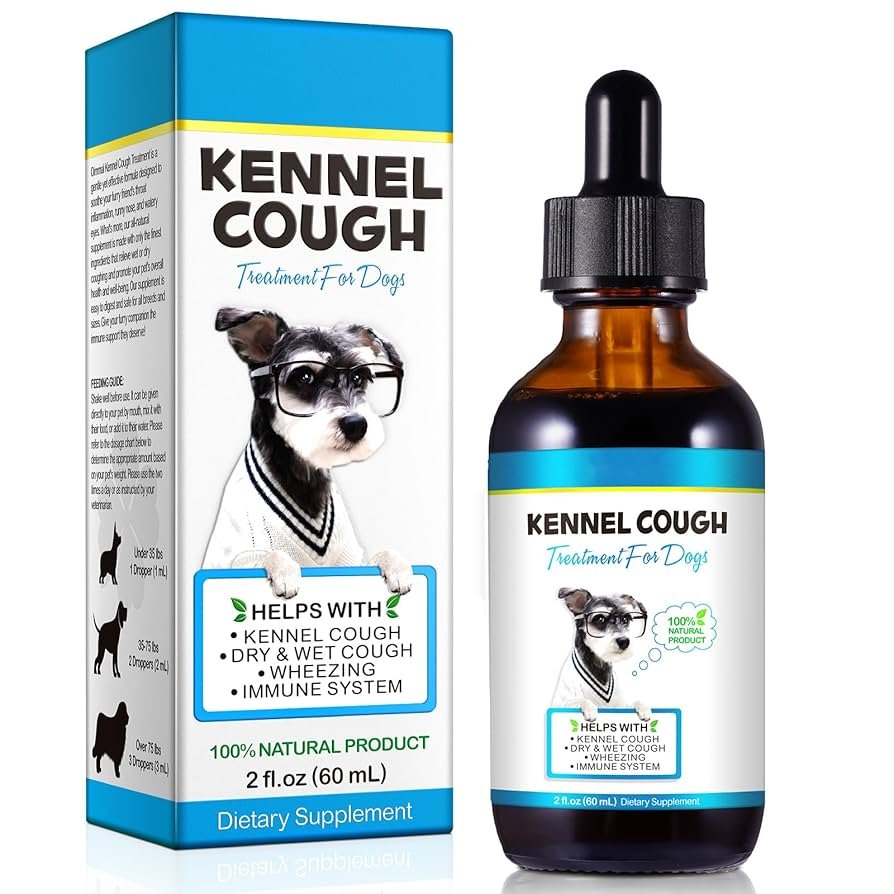
Credit: www.amazon.com
Causes And Transmission
Understanding the causes and transmission of kennel cough is key to protecting your dog and others around them. This contagious respiratory infection spreads quickly, especially in places where dogs gather. Knowing how it spreads and the risks involved can help you take the right steps to keep your furry friend safe and healthy.
How Dogs Catch Kennel Cough
Kennel cough spreads primarily through airborne droplets when an infected dog coughs or sneezes. It can also transfer by direct contact with an infected dog’s saliva, nasal secretions, or contaminated surfaces like water bowls and toys.
Imagine your dog sniffing around a park bench where an infected dog rested. That simple action can expose them to the bacteria or viruses causing kennel cough.
Have you ever noticed how quickly a cough spreads at the dog park? This happens because the germs travel easily in crowded environments.
Risk Factors And Exposure
Certain situations increase your dog's chances of catching kennel cough:
- Frequent visits to doggy daycare or boarding facilities
- Attendance at dog training classes or social events
- Living in areas with many dogs close by
- Exposure to dogs who recently traveled or were in shelters
Dogs with weakened immune systems or those under stress are also more vulnerable to infection. Have you noticed your dog cough more after a trip to the groomer or vet waiting room? These places often have many dogs in close quarters, raising exposure risk.
Knowing these risks helps you decide when to limit your dog’s social interactions or take extra precautions like vaccinations and hygiene practices.
Home Care Tips
Taking care of a dog with kennel cough requires gentle attention at home. The goal is to ease symptoms and support healing. Simple changes in the dog's environment and routine can make a big difference. Keeping your pet comfortable and well-nourished helps speed recovery.
Creating A Comfortable Space
Provide a quiet, warm area for your dog to rest. Avoid drafts and loud noises that can stress your pet. Use soft bedding to support their body comfortably. Keep the space clean to prevent further infections. Limit visitors and other pets to reduce stress and spread.
Managing Cough And Discomfort
Keep your dog calm to avoid coughing fits. Use a humidifier nearby to soothe their throat and airways. Avoid smoke, strong smells, or sprays that can irritate the cough. Offer gentle pets and talk softly to reassure your dog. Consult your vet about cough suppressants or medications as needed.
Hydration And Nutrition
Ensure your dog drinks plenty of water to stay hydrated. Use fresh, clean water and change it often. Offer soft, easy-to-eat food if your dog has a sore throat. Small, frequent meals can help maintain energy. Avoid forcing food or water, but encourage eating and drinking gently.
Effective Remedies
Effective remedies for kennel cough focus on easing symptoms and supporting recovery. Treatment depends on severity and your dog's health. Mild cases often improve with home care, while severe infections need vet attention.
Comfort and rest are key. Keep your dog warm and calm. Hydration helps loosen mucus and soothes the throat. Avoid dusty or smoky areas to reduce coughing triggers.
Over-the-counter Options
Over-the-counter remedies can reduce coughing and irritation. Use only products made for dogs and follow package instructions carefully.
- Cough suppressants:These can calm dry, hacking coughs. Do not use human medicines without vet advice.
- Humidifiers:Adding moisture to the air helps reduce throat dryness and coughing.
- Electrolyte solutions:Help keep your dog hydrated if appetite drops.
Always check with your vet before giving any medication or supplement.
Natural And Herbal Treatments
Natural remedies may ease symptoms and boost immunity. These options are gentle and often safe when used correctly.
- Honey:A teaspoon can soothe your dog’s throat and reduce coughing.
- Ginger:Has anti-inflammatory properties. Use small amounts mixed in food.
- Chamomile tea:Acts as a mild anti-inflammatory and relaxant. Cool it before offering.
- Coconut oil:Supports immune health and can be added to food.
Watch for allergies and stop use if symptoms worsen. Consult your vet before starting herbal treatments.
Preventing Kennel Cough
Preventing kennel cough is key to keeping your dog healthy and happy. This contagious respiratory infection spreads quickly in places where dogs gather, so taking proactive steps can save you from stressful vet visits. Let’s dive into practical ways you can protect your furry friend from catching this pesky illness.
Vaccination Importance
Vaccination is your dog’s best defense against kennel cough. The vaccine helps build immunity against the common bacteria and viruses that cause the infection.
Talk to your vet about the right vaccines for your dog, especially if you visit dog parks, boarding facilities, or grooming salons. Vaccines don’t always guarantee 100% protection, but they significantly reduce the chance and severity of illness.
Think about it like this: Would you skip a flu shot for yourself when you know you’ll be in crowded places? Your dog deserves the same protection.
Reducing Exposure Risks
Limiting your dog’s contact with infected dogs is crucial. Kennel cough spreads easily through coughing, sneezing, or even shared water bowls.
- Avoid crowded dog parks or events during outbreaks.
- Check with boarding facilities about their vaccination policies and hygiene practices.
- Keep your dog’s living area clean and disinfected regularly.
Have you noticed how some dogs catch colds more often than others? It often comes down to how much they’re exposed to germs. By controlling your dog’s environment, you help reduce those risks significantly.

Credit: www.amazon.com
When Medical Treatment Is Needed
Knowing when your dog with kennel cough needs medical treatment can make a big difference in their recovery. Most cases improve with rest and care at home, but some signs mean it’s time to see the vet. Being alert to these warning signals helps you act quickly and protect your pet’s health.
Antibiotics And Prescription Care
Antibiotics are not always necessary for kennel cough since it’s often caused by viruses. However, your vet may prescribe them if a bacterial infection develops or if your dog’s symptoms worsen.
Prescription medications can also include cough suppressants or anti-inflammatory drugs to ease your dog’s discomfort. Follow the dosage instructions carefully and never stop treatment early, even if your dog seems better.
Have you noticed your dog coughing more at night or struggling to breathe? These could be signs that medical treatment is needed immediately.
Monitoring For Complications
Keep a close eye on your dog’s breathing, energy levels, and appetite. If you see persistent coughing, fever, or lethargy, it might signal complications like pneumonia.
Make daily notes of your dog’s symptoms and behavior. This record will help your vet understand the progression and adjust treatment if necessary.
Asking yourself, “Is my dog improving or getting worse?” is a powerful way to stay proactive in their care. If you’re unsure, don’t hesitate to contact your vet for advice.
Supporting Recovery
Supporting recovery for a dog with kennel cough means creating an environment that helps your pet heal comfortably and quickly. It’s not just about medication; your actions at home play a huge role in easing your dog’s symptoms and preventing relapse. Paying close attention to rest, activity, and follow-up care ensures your furry friend gets back to their playful self sooner.
Rest And Activity Guidelines
Rest is crucial to help your dog’s body fight off the infection. Limit physical activity—avoid walks longer than necessary and skip any vigorous play. Overexertion can worsen coughing and delay healing.
Provide a quiet, cozy spot where your dog feels safe and can relax without disturbance. If your dog insists on moving around, gently redirect them to rest instead. Have you noticed your dog’s energy fluctuates during recovery? That’s a clear sign they need more downtime.
Keep your dog away from other pets during recovery to prevent spreading the infection. Also, avoid exposure to smoke, dust, or strong fragrances that can irritate their respiratory system further.
Follow-up Care Tips
After the initial recovery, continue to monitor your dog’s cough and energy levels closely. If coughing persists beyond two weeks or worsens, contact your vet immediately. Early intervention can prevent complications.
Maintain a balanced diet and ensure your dog stays well-hydrated—these support the immune system. Adding a humidifier to your dog’s resting area can soothe irritated airways and reduce coughing fits.
Don’t forget to complete any prescribed medication courses, even if symptoms seem to improve quickly. Have you checked your dog’s vaccination status recently? Keeping vaccines up to date helps prevent kennel cough and other respiratory illnesses in the future.
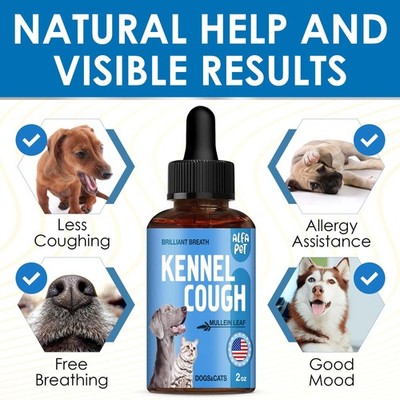
Credit: www.ebay.com
Frequently Asked Questions
What Are The Main Symptoms Of Kennel Cough In Dogs?
Kennel cough causes a persistent, dry cough. Dogs may also have sneezing, nasal discharge, and mild fever. Symptoms often last 1-3 weeks but can vary by dog.
How Can I Prevent My Dog From Getting Kennel Cough?
Keep your dog away from infected dogs and crowded places. Vaccinate regularly and maintain good hygiene. Avoid stressful environments to boost your dog’s immunity.
What Treatments Help A Dog With Kennel Cough Recover?
Most cases improve with rest, hydration, and a calm environment. Veterinarians may prescribe cough suppressants or antibiotics if secondary infections occur.
When Should I See A Vet For My Dog’s Kennel Cough?
Visit a vet if coughing worsens, breathing is difficult, or if your dog shows lethargy or loss of appetite. Early care prevents complications.
Conclusion
Caring for a dog with kennel cough requires patience. Keep your dog comfortable and hydrated. Follow the vet's advice closely. Ensure plenty of rest for your furry friend. Limit their exposure to other dogs. This prevents spreading the illness. Clean their living area regularly.
This helps reduce the risk of re-infection. Monitor their symptoms daily. Reach out to the vet if they worsen. Your attention and care speed up recovery. With love and proper care, your dog will soon bounce back.