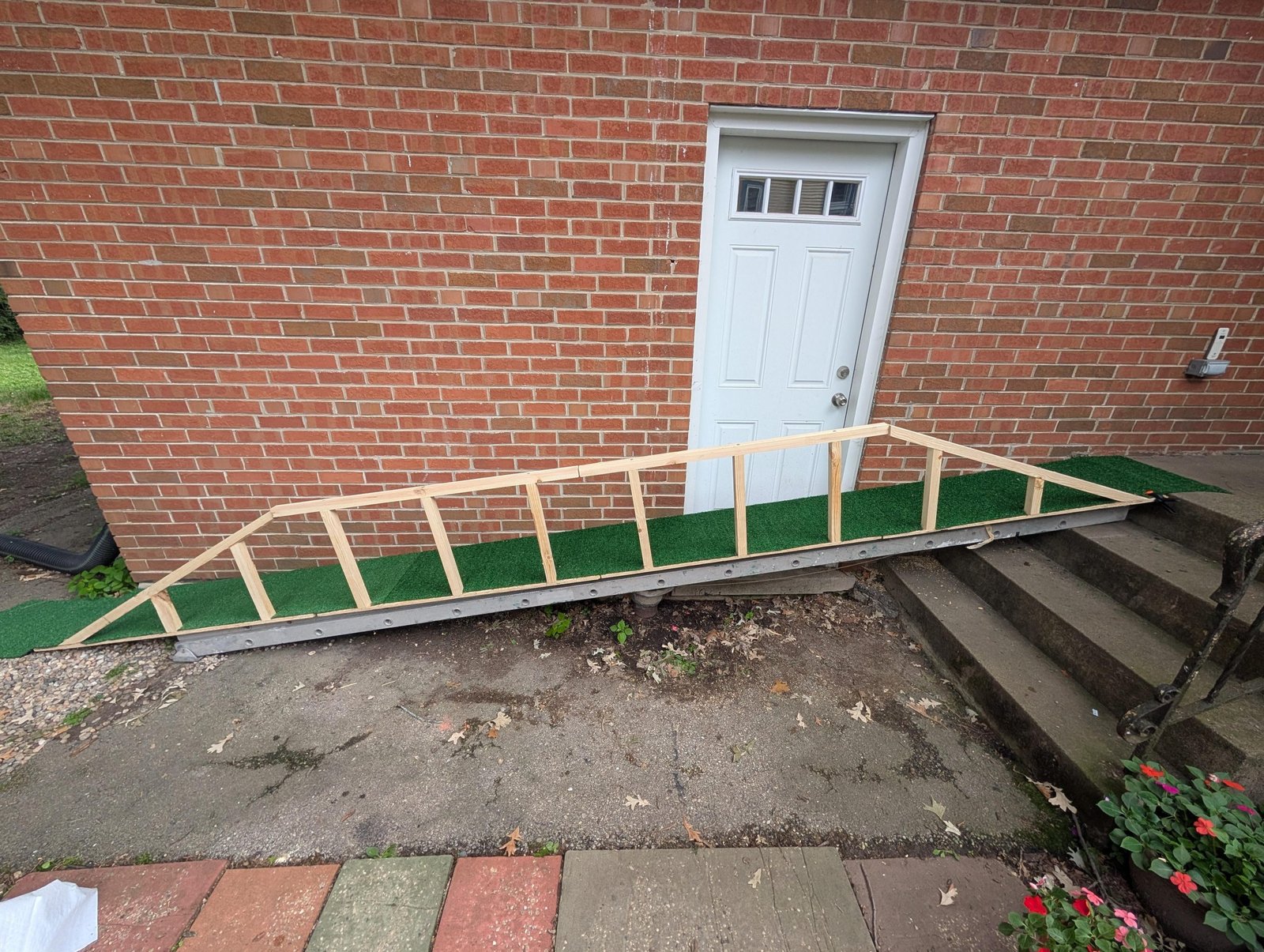
If your dog struggles with stairs or has trouble jumping up onto furniture, a dog ramp can be a simple and effective solution. Building your own ramp not only saves money but also lets you customize it perfectly for your pet’s size and needs.
In this guide, you’ll discover easy steps to create a safe, sturdy ramp that helps your furry friend move around comfortably. Keep reading to learn how you can improve your dog’s quality of life with a ramp you build yourself.
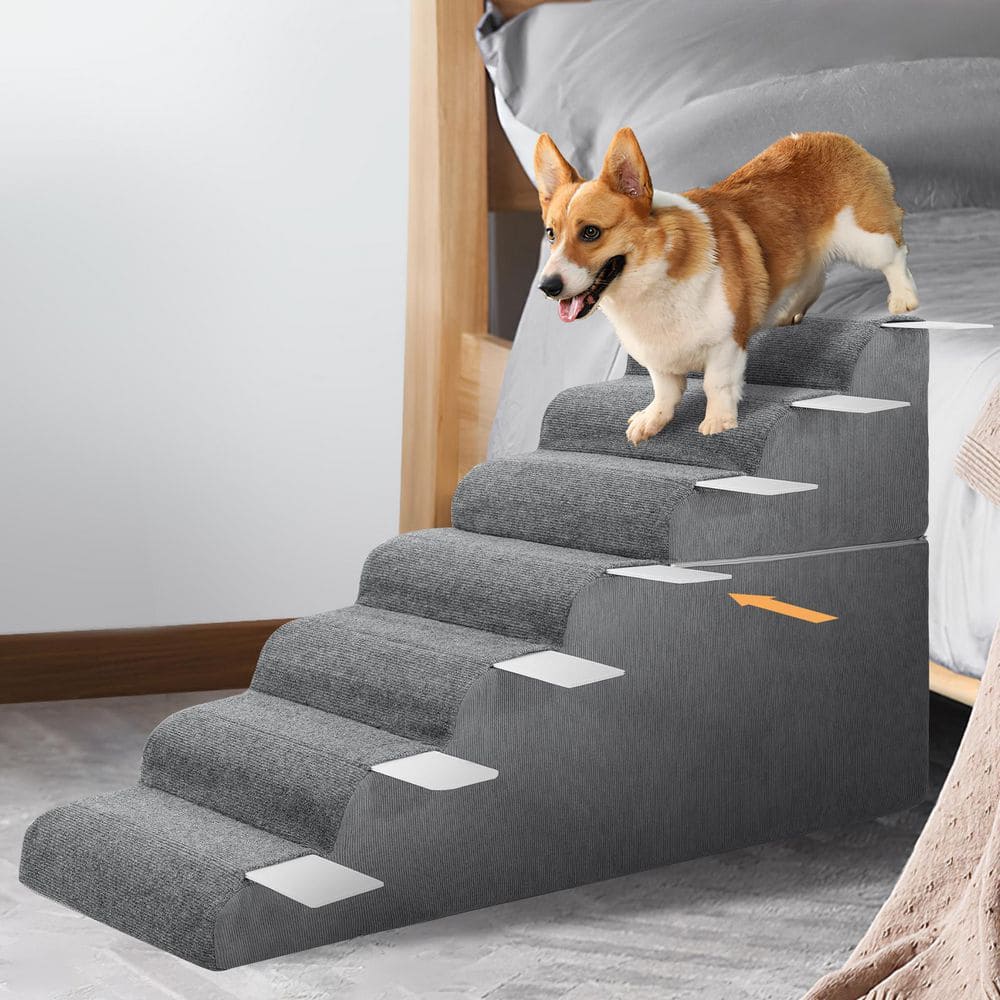
Credit: www.homedepot.com
Choosing The Right Materials
Choosing the right materials is crucial for building a dog ramp that is safe, sturdy, and comfortable for your furry friend. The materials affect not only the ramp's durability but also how easy your dog finds it to climb. You want materials that can withstand weather, weight, and wear without compromising on grip or stability.
Wood Types For Durability
Wood is a popular choice because it’s strong and easy to work with. Cedar and redwood resist rot and insects, making them great for outdoor ramps. Pine is more affordable but requires sealing to prevent damage from moisture.
Think about your environment. If your ramp will be outside, choose wood that handles rain and sun well. Pressure-treated lumber can last longer but make sure it’s safe for pets by checking for non-toxic treatment.
Non-slip Surface Options
Keeping your dog safe means preventing slips. Adding a non-slip surface is a must, especially if your dog’s paws are sensitive or if the ramp will get wet.
- Rubber mats:Easy to install and clean, these provide great traction.
- Outdoor carpet:Offers good grip and a softer surface for paws.
- Grip tape:Similar to skateboard tape, it’s durable and excellent for traction.
Have you noticed your dog hesitate on slippery surfaces? Adding one of these options can boost their confidence and encourage use.
Tools You’ll Need
Getting the right tools makes building the ramp smoother and safer. Basic tools include a saw for cutting wood, a drill for screws, and measuring tape for accuracy.
You’ll also want sandpaper or a sander to smooth edges and prevent splinters. Clamps can hold pieces steady while you work, and a level ensures your ramp is even, so your dog doesn’t struggle with awkward angles.
Measuring Your Steps And Dog
Measuring your steps and dog accurately ensures the ramp fits perfectly. Precise measurements help create a safe and comfortable incline. This section guides you through key dimensions for your project.
Assessing Step Height And Width
Measure the height from the floor to the top step edge. Use a tape measure for exact numbers. Note the total width of the steps your dog will use. Consider the full width to allow enough space for the ramp. Check if the steps are uniform in height and width. Uneven steps may need special ramp adjustments.
Considering Your Dog’s Size And Mobility
Measure your dog’s height at the shoulder. Note the length from nose to tail base. These help decide ramp length and angle. Watch your dog walk and climb stairs. Notice any mobility challenges or reluctance. Older dogs or those with joint issues need gentler slopes. Choose a ramp width wide enough for your dog’s body. Add extra space if your dog moves slowly or hesitates.
Designing The Ramp
Designing a dog ramp requires careful thought to ensure it is safe and easy for your pet to use. The ramp’s length and angle play a big role in comfort and stability. Safety features like side rails help prevent falls and give your dog confidence. Planning these details well makes the ramp effective and long-lasting.
Determining Ramp Length And Angle
Measure the height of the steps your dog needs to climb. A gentle slope is best for easy walking. The ramp length should be about 6 to 8 times the height of the steps. This keeps the angle between 7 and 15 degrees, which is comfortable for most dogs.
Short ramps with steep angles are hard to climb. Long ramps with a shallow angle are safer and easier. Use a tape measure and mark the ramp length on your wood or material before cutting.
Adding Side Rails For Safety
Side rails keep your dog from slipping off the ramp edges. They add security, especially for older or smaller dogs. Rails should be high enough to block paws but not too tall to block the view.
Use wood or sturdy plastic strips on each side. Secure them firmly with screws or nails. Smooth any sharp edges to avoid injury. Side rails also help guide your dog up and down the ramp confidently.
Cutting And Preparing Materials
Cutting and preparing materials is a crucial part of building a sturdy dog ramp. Precise cuts ensure the ramp fits well and supports your dog safely. Preparing the wood properly prevents splinters and rough surfaces that could hurt your pet.
Start with measuring the wood carefully. Accurate measurement saves time and material. Use the right tools for cutting and smoothing the wood. This step lays the foundation for a strong and safe ramp.
Cutting Wood To Size
Measure each piece of wood according to your ramp design. Mark the cutting lines clearly with a pencil. Use a saw that suits the wood type and thickness. Cut slowly to keep the lines straight. Check each piece after cutting to ensure accuracy. Properly sized wood pieces make assembly easier.
Sanding For Smooth Edges
Sand all cut edges to remove splinters and rough spots. Use medium-grit sandpaper first, then fine-grit for a smooth finish. Focus on corners and edges where your dog will walk. Smooth surfaces protect your dog’s paws from injury. Wipe the wood clean after sanding to remove dust. Well-prepared wood improves the ramp’s safety and durability.
Assembling The Ramp
Assembling the dog ramp is a key phase in the project. This stage ensures the ramp stays stable and safe for your pet. Focus on creating a solid base and securing the ramp surface firmly. These steps build the foundation for a durable ramp.
Securing The Base And Surface
Start by placing the ramp frame on a flat surface. Check that it aligns well with the steps. Use screws or bolts to fix the base tightly. A loose base can cause wobbling and accidents. Next, attach the ramp surface to the frame. Use wood screws spaced evenly for strong hold. Make sure the surface is flush with the frame edges. Tighten all fasteners until the structure feels solid.
Attaching Non-slip Covering
Cover the ramp surface with a non-slip material. This prevents your dog from slipping during use. Choose a durable, weather-resistant covering like rubber mats or carpet strips. Cut the material to fit the ramp size. Secure it using strong adhesive or staples. Press down firmly to remove air bubbles. Check that no edges lift or curl up. A secure non-slip surface helps your dog climb safely.
Finishing Touches
Finishing touches can make or break your dog ramp project. They not only improve how the ramp looks but also ensure it lasts longer and stays safe for your furry friend. Paying close attention here means your dog will enjoy using the ramp without any worries for years to come.
Painting Or Sealing The Wood
Painting or sealing the wood protects your ramp from moisture, dirt, and wear. Choose non-toxic paint or sealant safe for pets—your dog's health comes first. Applying two or three thin coats works better than one thick coat, preventing peeling and ensuring durability.
Think about the environment where you place the ramp. If it’s outdoors, a waterproof sealant is a must. Indoors, a simple pet-safe paint can add color and make cleaning easier.
Testing Stability And Safety
Never guess if your ramp is safe—test it thoroughly. Press down on all areas and shake it lightly to check for wobbling or weak spots. Your dog’s safety depends on a stable surface.
Try walking on the ramp yourself to feel if anything shifts or feels loose. Add extra support or adjust the angle if needed. Can you imagine your dog hesitating because the ramp feels unsafe? Make sure that never happens.
Training Your Dog To Use The Ramp
Training your dog to use a ramp takes patience and consistency. Dogs may feel unsure or hesitant at first, especially if they’re used to jumping up and down steps. Helping your dog get comfortable with the ramp ensures they’ll use it confidently and safely every time.
Introducing The Ramp Gradually
Start by placing the ramp near the steps but keep it flat on the ground so your dog can explore it without pressure. Let your dog sniff and walk on it at their own pace. You might sit beside them or gently guide their paws onto the ramp to show it’s safe.
Try short sessions initially—just a few minutes—and increase the time as your dog gets more comfortable. Watch for signs of stress like backing away or hesitation, then pause and encourage your dog to try again later. Have you noticed how some dogs need extra time to adjust to new surfaces?
Encouragement And Positive Reinforcement
Use treats, praise, and toys to reward your dog when they step onto or walk up the ramp. Positive reinforcement helps your dog link the ramp with good experiences. You can hold a favorite treat at the top to encourage your dog to move upward.
Be sure to celebrate small wins, like placing a paw on the ramp or walking halfway up. Avoid rushing or forcing your dog, as that can create fear instead of trust. What rewards does your dog respond to best? Use those to make training a fun game.

Credit: www.petstep.com

Credit: www.youtube.com
Frequently Asked Questions
What Materials Are Needed To Build A Dog Ramp For Steps?
To build a dog ramp, you need wood planks, screws, sandpaper, non-slip tape, and paint. These materials ensure durability, safety, and comfort for your dog.
How Do I Determine The Right Ramp Slope For My Dog?
Measure the height of your steps and use a 1:12 slope ratio. This means one foot of length for every inch of height, ensuring easy and safe access.
Can I Build A Dog Ramp Suitable For All Dog Sizes?
Yes, design the ramp width to be at least 18-24 inches wide. This accommodates most dog sizes and provides enough space for comfortable movement.
How Do I Make The Dog Ramp Surface Non-slip?
Apply non-slip tape or textured paint on the ramp surface. This prevents your dog from slipping and ensures safe climbing and descending.
Conclusion
Building a dog ramp for steps is simple and rewarding. Your dog will appreciate the ease and comfort. Start with basic materials like wood or plastic. Measure carefully to ensure a perfect fit. Remember, safety first. Use non-slip surfaces for better grip.
Paint or decorate for a personal touch. Enjoy watching your dog move freely. Your effort will enhance your pet's life. A DIY ramp promotes independence and prevents strain. Every step counts in making life easier for your furry friend.