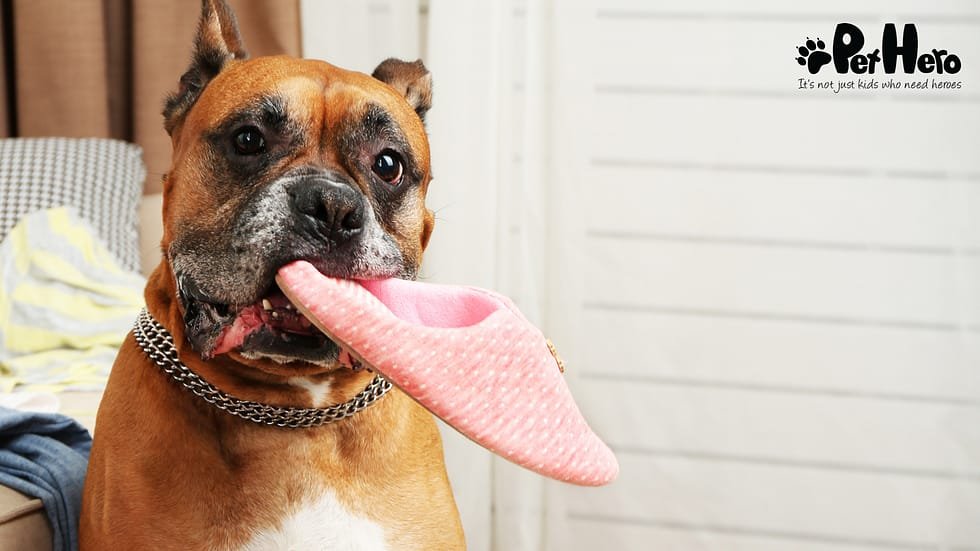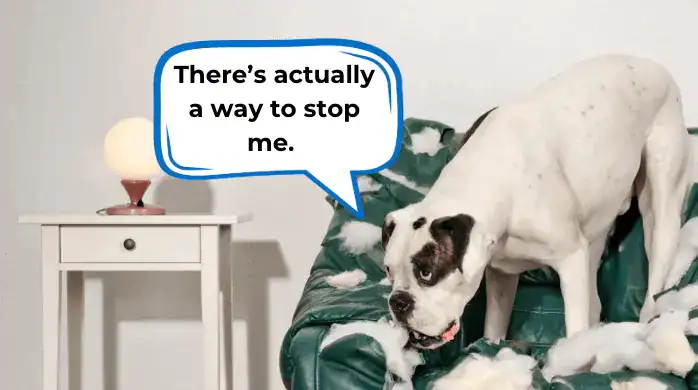
Is your dog turning your favorite shoes, furniture, or even important papers into a chew toy? You’re not alone, and it can be frustrating to watch your home slowly get destroyed.
But don’t worry—there are simple, effective ways to stop this behavior. Imagine having a calm, well-behaved dog who leaves your belongings untouched. You’ll discover practical steps to break your dog from chewing everything up, so you can enjoy a happier home and a happier pup.
Keep reading to learn how to take control and protect what matters most.
Why Dogs Chew
Dogs chew for many reasons. Understanding why can help stop this behavior. Chewing is a natural part of how dogs explore their world. It can also be a sign of discomfort or stress. Recognizing the cause helps you guide your dog better.
Natural Instincts
Chewing is part of a dog's natural behavior. Wild dogs use it to keep teeth clean and jaws strong. It also helps them learn about their surroundings. Dogs feel calm and happy when they chew. It is a way to relieve stress and frustration.
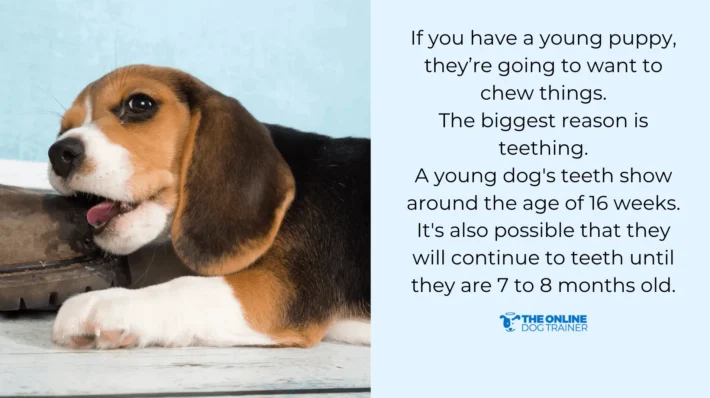
Teething In Puppies
Puppies chew because their teeth are growing. It can be painful and itchy. Chewing soothes their gums and helps new teeth come in. This stage lasts a few months. Providing safe chew toys is important for puppies.
Boredom And Anxiety
Dogs chew when they feel bored or lonely. It keeps their mind busy and relieves tension. Anxiety from being left alone can cause chewing. This behavior is a way to cope with stress. Giving attention and toys can help reduce chewing.
Lack Of Exercise
Dogs with little exercise often chew more. They have extra energy that needs to be used. Chewing helps burn off this excess energy. Regular walks and playtime reduce destructive chewing. Exercise keeps dogs healthy and calm.

Credit: m.youtube.com
Signs Of Destructive Chewing
Recognizing the signs of destructive chewing helps protect your home and keeps your dog safe. Dogs chew for many reasons. Boredom, anxiety, and teething are common causes. Early signs show through damaged items and specific behaviors. Spotting these signs early lets you take action before problems grow.
Common Household Items Targeted
Dogs often choose certain items to chew. These include:
- Shoes and slippers
- Furniture legs and cushions
- Electrical cords and cables
- Children’s toys and books
- Clothing left on the floor
These items are easy to reach and often smell like their owners. Chewing these objects is a clear warning sign.
Behavior Patterns To Watch
Look for repeated chewing in specific situations. Signs include:
- Chewing more when alone
- Restlessness or pacing before chewing
- Picking up and dropping items repeatedly
- Increased drooling or pawing at the mouth
These actions show your dog might be stressed or bored.
Damage Assessment
Check your home regularly for chewing damage. Look for:
- Torn or shredded fabrics
- Missing parts of furniture or toys
- Frayed electrical wires
- Teeth marks on walls or doors
Noting the type and amount of damage helps identify the chewing severity. It also shows which areas need attention.
Safe Alternatives To Chewing
Finding safe alternatives to chewing is key to protecting your belongings and keeping your dog happy. Instead of just saying “no” to chewing, you can guide your dog towards items that satisfy their natural urge safely. This helps reduce frustration for both of you and prevents destructive habits.
Choosing Durable Toys
Pick toys made from tough materials like rubber or nylon designed to handle heavy chewing. These toys last longer and prevent your dog from swallowing small pieces. Brands like KONG or Nylabone offer great options that can stand up to aggressive chewers.
Try rotating the toys to keep your dog interested. Have you noticed how your dog loses interest quickly? Switching toys keeps them engaged and less likely to chew on your shoes.
Edible Chews And Treats
Edible chews provide a tasty distraction and satisfy the need to chew. Look for natural options like bully sticks, dental chews, or rawhide alternatives that are safe and digestible.
Always supervise your dog with edible chews to prevent choking hazards. Offering these treats during calm moments can also reinforce good chewing habits.
Interactive Puzzle Toys
Interactive toys challenge your dog’s mind and keep them busy, reducing boredom-driven chewing. Toys that dispense treats when solved keep your dog motivated and mentally stimulated.
Have you tried puzzle toys yourself? They can be a game-changer by turning chewing into a rewarding activity. This mental exercise tires them out and decreases destructive behavior.
Credit: theonlinedogtrainer.com
Training Techniques To Stop Chewing
Stopping your dog from chewing everything in sight takes patience and the right training techniques. Chewing is natural, but you can guide your dog to chew the right things. The key lies in teaching, redirecting, and staying consistent with your approach.
Positive Reinforcement
Reward your dog immediately when they chew on appropriate toys. Use treats, praise, or extra playtime to show them what you want. This builds a clear connection between good behavior and positive outcomes.
Try to catch your dog in the act of chewing a toy, then reward them right away. This helps your dog learn faster than punishing after the fact. Have you noticed how your dog responds better to encouragement than scolding?
Redirecting Behavior
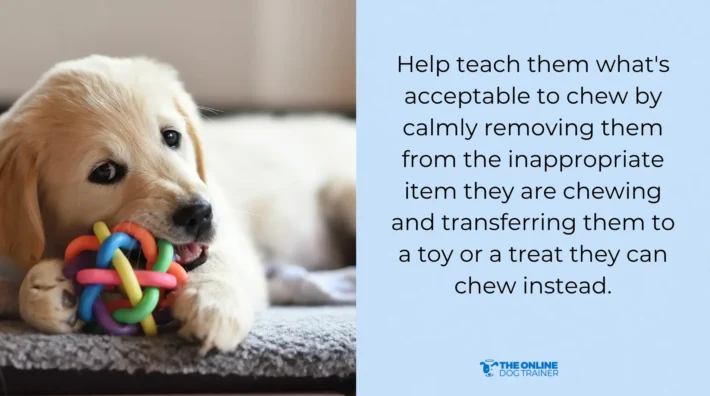
If you catch your dog chewing something off-limits, calmly take the item away and offer a chew toy instead. This teaches them what is acceptable without causing fear or confusion. Always keep a variety of chew toys handy so you’re ready to redirect at any moment.
Redirecting also keeps your dog engaged and prevents boredom, a common cause of destructive chewing. What toys does your dog seem to prefer? Experiment with different textures and shapes to find favorites.
Using Commands Effectively
Teach your dog simple commands like “leave it” or “no” to stop unwanted chewing immediately. Pair these commands with redirection and positive reinforcement for a stronger effect. Consistent use helps your dog understand your expectations clearly.
Practice commands regularly during calm moments, not just when your dog is chewing. This builds reliable obedience. How often do you practice commands outside of training sessions?
Consistency In Training
Consistency is crucial for your dog to learn what’s allowed. Everyone in your household must apply the same rules and training methods. Mixed signals confuse your dog and slow progress.
Set clear boundaries and stick to them every day. Remember, it’s better to train in short, frequent sessions than long, irregular ones. How consistent are your training efforts right now?
Preventive Measures
Stopping a dog from chewing everything requires smart preventive steps. These measures reduce damage and keep your dog safe. Prevention is better than correction.
Start with your home. Make it safe for your dog to explore and play. Plan activities that use your dog's energy well. Give your dog places and toys made for chewing. This helps guide their natural behavior in good ways.
Puppy-proofing Your Home
Remove items your dog might chew that can harm them. Keep shoes, wires, and small objects out of reach. Use gates to block off rooms with fragile items. Store cleaning supplies and medicines where pets cannot access. Create a safe space where your dog can roam freely without risk.
Providing Adequate Exercise
Dogs chew more when bored or restless. Give your dog regular walks and playtime daily. Use games like fetch or tug to tire them out. Mental exercise, like training or puzzle toys, helps too. A tired dog is less likely to destroy your things.
Creating A Chew-friendly Zone
Set up an area with safe chew toys. Rotate toys often to keep your dog interested. Choose toys made for chewing, like rubber or nylon bones. Praise your dog when they use their chew toys. This teaches them what is okay to chew and what is not.
Credit: theonlinedogtrainer.com
When To Seek Professional Help
Knowing when to seek professional help can save your dog from bad habits. Chewing is normal, but some dogs chew too much. This can cause damage and stress for both of you. Understanding signs that need expert care helps protect your pet and home.
Persistent Chewing Issues
Chewing that lasts longer than a few weeks needs attention. If training and toys don’t stop the chewing, it can be a problem. Persistent chewing may damage furniture or hurt your dog’s health. Experts can assess and suggest ways to control this behavior.
Behavioral Consultations
Behaviorists study why dogs chew too much. They find causes like anxiety, boredom, or stress. A professional can create a plan to change your dog’s habits. This plan often includes training, exercise, and mental activities. Behavioral help makes a big difference.
Medical Causes
Sometimes chewing shows a health problem. Teeth pain, allergies, or digestive issues can cause chewing. A vet exam checks for these problems. Treating medical causes stops chewing caused by discomfort. Always rule out health issues first.
Frequently Asked Questions
How Can I Stop My Dog From Chewing Everything?
Provide plenty of chew toys and supervise your dog. Use positive reinforcement when they chew toys. Redirect chewing from furniture to toys consistently. Exercise your dog to reduce boredom and anxiety, which cause chewing.
Why Does My Dog Chew On Furniture?
Dogs chew due to teething, boredom, anxiety, or lack of stimulation. Furniture provides an accessible outlet. Understanding the cause helps manage the behavior with training and enrichment.
What Are The Best Chew Toys For Dogs?
Choose durable, non-toxic toys suited to your dog's size and chewing strength. Rubber toys, nylon bones, and interactive puzzles work well. Rotate toys to maintain interest and prevent boredom.
How Long Does It Take To Stop Chewing?
Consistency is key; it may take weeks to months. Training, supervision, and providing alternatives help. Patience and positive reinforcement speed up progress.
Conclusion
Training a dog not to chew takes patience and consistency. Stay calm and use positive reinforcement. Offer toys as alternatives to household items. Exercise regularly to reduce boredom and anxiety. Supervise your dog to prevent unwanted chewing. Start with small steps and celebrate progress.
Chewing is normal, but guidance helps control it. Be consistent and patient in your approach. Remember, building trust with your dog is key. Over time, your dog will learn better behavior. Happy training!