If you want your dog to tell you when it’s time to go outside, bell training is a simple and effective way to make that happen. Imagine never guessing if your dog needs a bathroom break again—just listen for the bell.
In this guide, you’ll discover easy steps to teach your dog to ring a bell when it’s time to go out. Whether you have a new puppy or an older dog, this method can save you time, reduce accidents, and strengthen your bond.
Ready to make life easier for both you and your furry friend? Keep reading to learn how to bell train your dog to go outside.
Choosing The Right Bell
Choosing the right bell is key to successful bell training. A bell that suits your dog’s size and hearing helps clear communication. The bell should be easy to reach and loud enough to catch attention. Picking the right type and size improves training speed and reduces frustration.
Types Of Bells
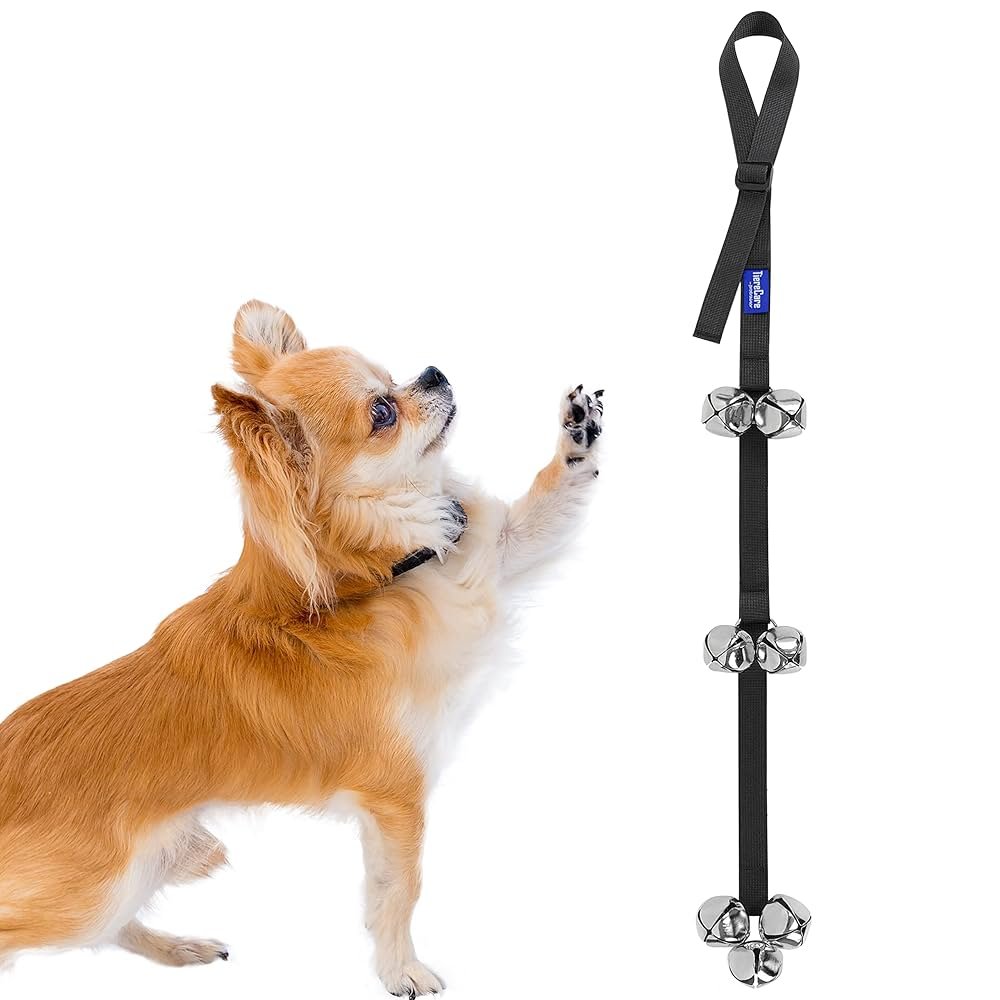
- Hanging Bells:These bells hang on the door handle. Dogs can nudge or paw them easily.
- Wall-Mounted Bells:These attach to the wall near the door. They are sturdy and stay in place.
- Door Knob Bells:These wrap around the door knob. They swing freely and make a clear sound.
- Electronic Bells:These ring when pressed. They can be louder but need batteries or charging.
Size And Placement Tips
- Choose a bell size that fits your dog’s nose or paw.
- Place the bell at your dog’s nose level for easy reach.
- Mount the bell near the door your dog uses most.
- Ensure the bell’s sound is clear but not too loud.
- Test the bell’s sound with your dog before training.

Credit: medium.com
Introducing The Bell To Your Dog
Introducing a bell to your dog is the first step in bell training. It helps your dog learn to signal when they need to go outside. The key is to make the bell a familiar and positive item for your dog. This process takes patience and gentle guidance.
Familiarizing Your Dog
Start by placing the bell near your dog's usual door. Let your dog sniff and explore it without pressure. You can gently ring the bell yourself to show the sound. Repeat this often so your dog gets used to the bell’s presence and noise.
Keep the bell within your dog’s reach but safe to avoid chewing. The goal is for your dog to feel curious and calm around the bell. Avoid forcing your dog to touch or interact with it at this stage.
Encouraging Interaction
Use treats to encourage your dog to touch the bell with their nose or paw. Hold a treat near the bell and reward any interest or interaction. Praise your dog softly to build positive feelings.
Make this a fun and short activity several times a day. Gradually, your dog will learn that touching the bell brings rewards. This step builds the habit needed for the next training phase.
Associating The Bell With Going Outside
Associating the bell with going outside is a key step in bell training your dog. This connection helps your dog understand that ringing the bell means it is time to go out. Clear and consistent communication makes this learning process faster and easier for your pet.
Timing Bell Use
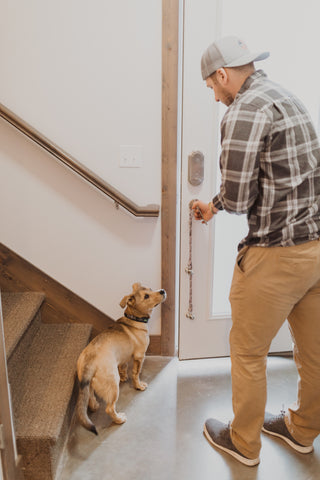
Ring the bell at the exact moment you open the door. This helps your dog link the sound with going outside. Encourage your dog to touch or nudge the bell before you open the door. Repeat this every time your dog needs to go out. Consistent timing builds a strong connection in your dog’s mind.
Rewarding Bell Rings
Give your dog a treat or praise right after it rings the bell. This positive reward makes your dog want to ring the bell again. Rewards teach your dog that ringing the bell brings good things. Use treats, petting, or kind words to reinforce this behavior. Keep rewards immediate and consistent for best results.

Credit: www.leoalmanac.org
Consistent Training Routine
A consistent training routine helps your dog learn faster. It builds clear habits and reduces confusion. Dogs respond well to patterns and predictability. This makes bell training more effective and less stressful.
Setting Regular Schedules
Choose specific times for bathroom breaks every day. Regular schedules help your dog expect when to go outside. Try to keep the timing steady, like after meals and naps. This routine creates a natural flow for bell ringing. Consistency helps your dog connect the bell sound with going out.
Tracking Progress
Keep a simple log of your dog’s bell training actions. Note the times your dog rings the bell correctly. Track how often your dog signals before needing to go out. Watch for improvements or missed cues. Adjust your schedule or training based on what you see. This record keeps you focused and helps spot areas to improve.
Handling Common Challenges
Training your dog to use a bell to signal when they need to go outside can be rewarding, but it comes with its own set of challenges. Handling these obstacles with patience and the right approach makes the process smoother for both you and your dog. Let’s explore how to manage some common issues that might arise.
Ignoring Unwanted Bell Rings
Sometimes your dog might ring the bell just for attention or out of boredom. Ignoring these unnecessary bell rings helps your dog understand that the bell is only for bathroom needs. If your dog rings the bell and you don’t see any signs they need to go out, simply don’t respond immediately.
Wait a few moments and observe their behavior. If they don’t head to the door or show signs of needing a bathroom break, calmly ignore the bell. This teaches your dog that ringing the bell without reason won’t get them what they want.
- Don’t scold your dog—stay calm and consistent.
- Reward only when the bell signals a real need.
- Watch for patterns to identify if boredom or anxiety triggers the ringing.
Have you noticed your dog using the bell just to get your attention? What changes when you ignore these rings?
Dealing With Hesitant Dogs
Some dogs may be shy or unsure about ringing a bell at first. If your dog hesitates, don’t rush the process. Encourage them gently by bringing the bell closer and praising any interaction with it.
Try holding the bell and letting your dog touch it with their nose or paw. Reward small steps toward ringing the bell, even if it’s just a light tap. Patience here builds confidence and makes the learning experience positive.
- Use treats or favorite toys as motivation.
- Practice bell ringing in short, frequent sessions to avoid overwhelming your dog.
- Celebrate progress, no matter how small, with lots of praise.
What little victories have you seen when teaching your dog something new? How can celebrating those moments keep your dog motivated?
Credit: mightypaw.com
Tips For Long-term Success
Training your dog to use a bell to signal going outside requires patience and care. Success depends on consistent habits and adapting as your dog grows. These tips help keep your training strong over time.
Maintaining Training Habits
Keep the bell near the door at all times. Encourage your dog to ring it every time they need to go out. Praise and reward your dog immediately after they ring the bell and go outside.
Practice this daily. Avoid skipping days. Consistency helps your dog remember what the bell means. Use clear commands alongside the bell to reinforce the behavior.
Watch for any signs your dog may forget or stop using the bell. Gently remind them by guiding their paw to the bell. Stay patient and positive during training sessions.
Adjusting As Your Dog Grows
As puppies grow, their needs change. They may need to go out less often. Adjust your training schedule to match their age and bladder control. Continue to reward bell ringing even if it happens less frequently.
Older dogs might learn faster. They may also use the bell for attention, not just to go outside. Teach them to use the bell only when they need a bathroom break. Ignore the bell for other reasons to avoid confusion.
Keep training fun and engaging. Change rewards occasionally to keep your dog interested. Regularly check that the bell is working well and easy to reach.
Frequently Asked Questions
What Is Bell Training For Dogs?
Bell training teaches dogs to ring a bell when they need to go outside. It uses consistent signals and rewards. This method helps improve communication and reduces accidents indoors by providing a clear way for dogs to express their needs.
How Long Does Bell Training Take?
Bell training usually takes 1 to 3 weeks. Consistency and positive reinforcement speed up learning. Daily practice and patience are key to helping your dog understand and use the bell effectively for outdoor bathroom breaks.
Can All Dogs Learn Bell Training?
Yes, most dogs can learn bell training regardless of breed or size. Success depends on consistent training, patience, and clear communication. Some dogs may learn faster, but with proper guidance, all dogs can master this useful skill.
How Do I Start Bell Training My Dog?
Begin by hanging a bell near the door your dog uses to go outside. Teach your dog to touch the bell with their nose or paw. Reward them immediately after ringing and going outside to reinforce the behavior positively.
Conclusion
Training your dog to use a bell is simple. With patience and consistency, they learn quickly. A bell offers a clear signal for bathroom breaks. This method strengthens communication between you and your pet. Plus, it adds structure to their routine.
Always reward them after successful bell use. It motivates them to repeat the behavior. Over time, your dog will understand the process. This leads to fewer accidents inside. Happy training! Your dog will appreciate the effort. And you’ll enjoy a cleaner home.