
Ever wondered why your dog never looks quite as fabulous after a bath at home compared to a professional grooming session? You're not alone.
Bathing your dog like a groomer can seem like a daunting task, but it doesn't have to be. Imagine transforming your furry friend into a clean, fluffy masterpiece right in your own bathroom. By mastering a few simple techniques and using the right products, you can achieve that professional groomer look without the hefty price tag.
Curious about how you can turn bath time into a stress-free bonding experience? Read on, and you'll discover the secrets to making your pup look and feel their best. Your dog—and your wallet—will thank you.
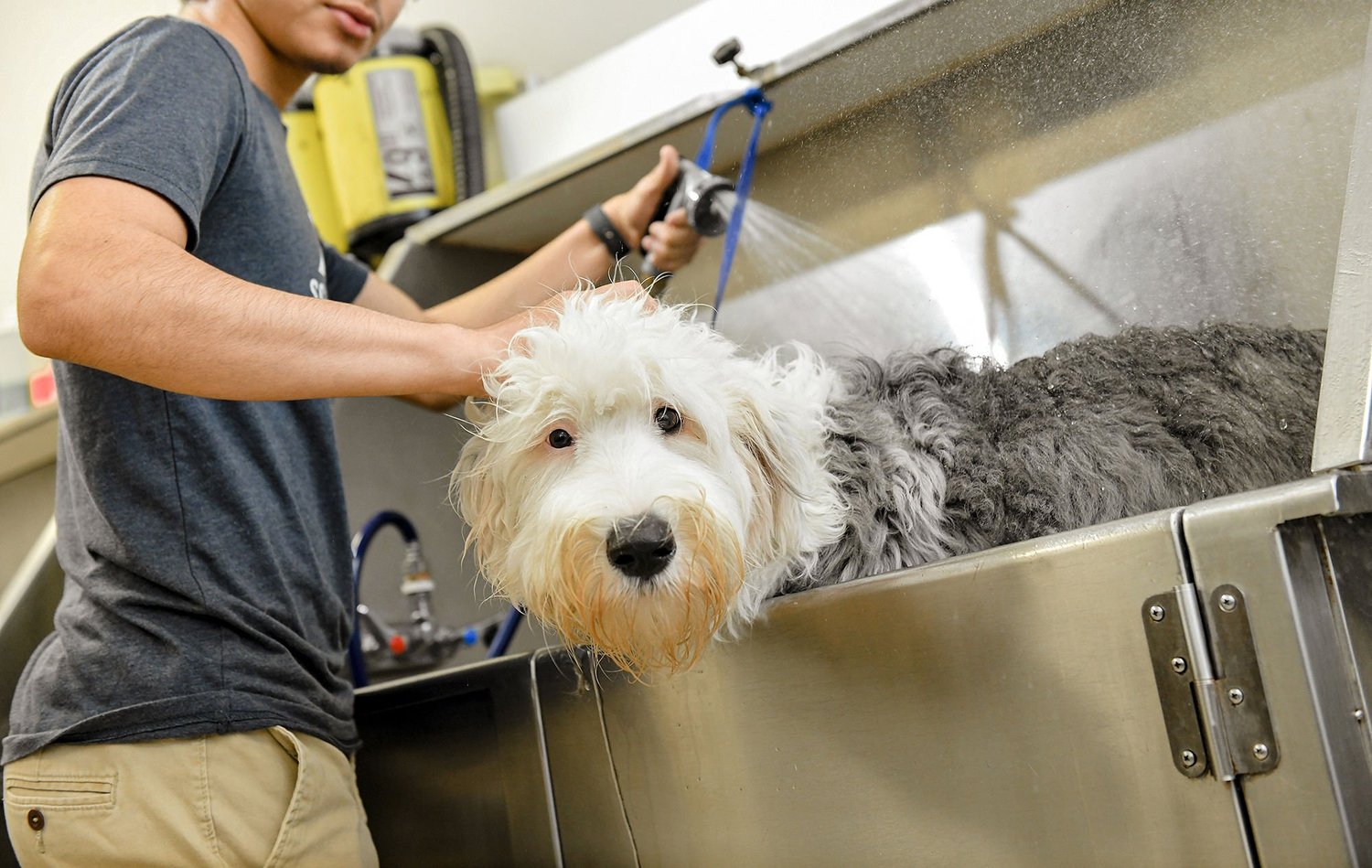
Credit: www.scenthound.com
Preparing Your Dog For Bath Time
Preparing your dog for bath time helps make the process smooth and stress-free. A calm dog is easier to clean and less likely to resist. Taking time to get ready sets the stage for a successful bath. It also helps your dog feel safe and comfortable.
Choosing The Right Location
Select a spot with enough space and good drainage. A bathtub, sink, or a special dog washing station works well. Pick a place that is easy to clean after the bath. Avoid cold or slippery surfaces to keep your dog safe. A warm room helps your dog stay comfortable during the bath.
Gathering Essential Supplies
Collect all necessary items before starting the bath. This includes dog shampoo, towels, a brush, and a cup for rinsing. Have treats ready to reward good behavior. Use non-slip mats to prevent slipping. Prepare everything close by to avoid leaving your dog alone during the bath.
Brushing Before The Bath
Brush your dog’s coat to remove loose hair and dirt. This helps prevent mats and tangles during washing. Use a brush suited to your dog’s fur type. Brushing also spreads natural oils, making the coat shiny. It can calm your dog and make bath time easier.
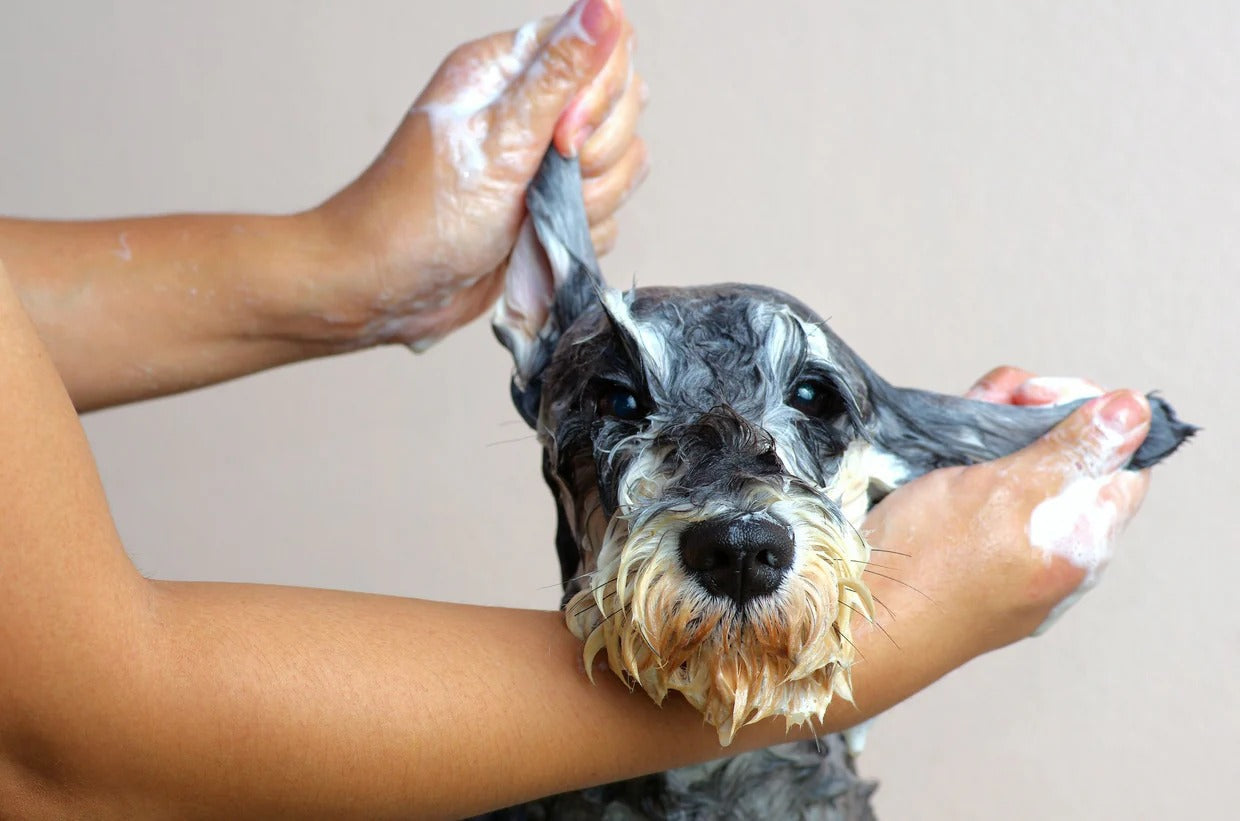
Credit: vetnique.com
Selecting The Best Shampoo
Selecting the best shampoo plays a vital role in your dog's bathing routine. The right shampoo keeps your dog's coat clean, healthy, and shiny. It also protects the skin from dryness and irritation. Choosing a shampoo designed for dogs ensures safety and effectiveness. Each dog needs a shampoo that fits its coat type and skin condition. Knowing the different types of shampoos and ingredients helps you make a smart choice.
Types Of Dog Shampoos
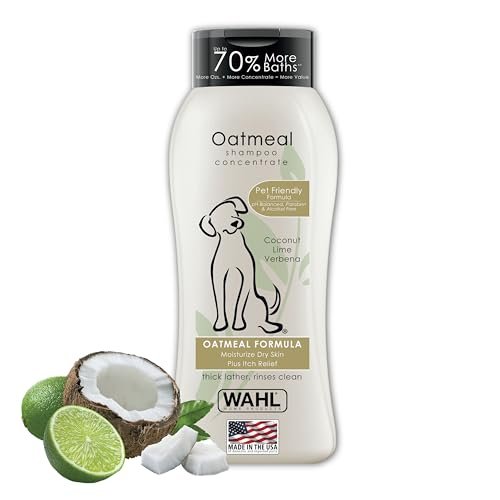
- Oatmeal Shampoo:Soothes dry or itchy skin gently.
- Medicated Shampoo:Treats skin infections and allergies.
- Flea and Tick Shampoo:Helps control parasites on the coat.
- Deodorizing Shampoo:Removes bad smells effectively.
- Hypoallergenic Shampoo:Ideal for sensitive or allergy-prone dogs.
Ingredients To Avoid
- Parabens:Chemicals that can irritate the skin.
- Sulfates:Harsh detergents that dry out the coat.
- Artificial Fragrances:Can cause allergic reactions or discomfort.
- Phthalates:Linked to health concerns in some pets.
- Alcohol:Dries and irritates the skin.
Shampoo For Different Coat Types
| Coat Type | Recommended Shampoo | Benefits |
|---|---|---|
| Short Coat | Light moisturizing shampoo | Keeps coat shiny and soft without heaviness |
| Long Coat | Detangling and conditioning shampoo | Prevents mats and makes brushing easier |
| Curly Coat | Hydrating shampoo with natural oils | Maintains curl shape and reduces frizz |
| Double Coat | Deshedding shampoo | Removes loose undercoat hair effectively |
Step-by-step Bathing Process
Bathing your dog like a groomer means paying attention to details that make the experience comfortable and effective. It’s not just about getting your dog wet and soapy; it’s about how you handle each part of the process. The right technique can make a big difference in your dog’s coat health and their attitude toward bath time.
Water Temperature And Pressure
Warm water is best for your dog’s bath. Too hot can burn their skin, and too cold can make them uncomfortable or anxious.
Test the water on your wrist before starting. Use gentle water pressure—strong sprays can frighten or hurt your dog.
Think about how you prefer a shower: soft and soothing, not a harsh blast. Your dog feels the same.
Wetting The Coat Thoroughly
Get your dog’s coat completely wet before adding shampoo. This helps the shampoo spread evenly and work better.
Start at the neck and work your way down, avoiding the head at first to keep your dog calm.
Use your hands to massage water through the fur, reaching the skin underneath. This also helps your dog relax.
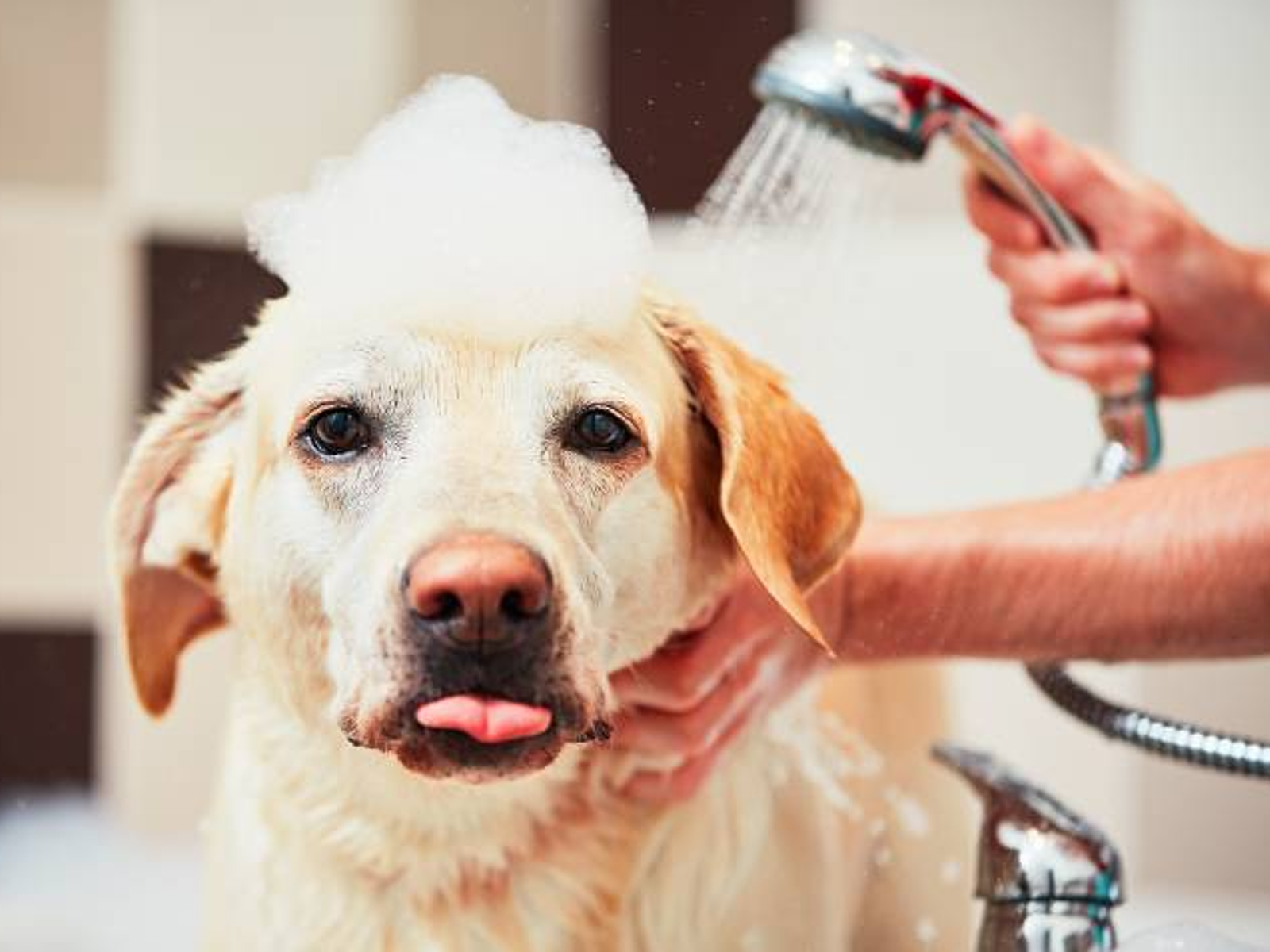
Applying And Lathering Shampoo
Choose a shampoo made specifically for dogs to protect their skin and coat.
Apply a small amount and work it into a lather, focusing on areas that get dirty quickly, like paws and underbelly.
Be gentle but thorough. Imagine you are giving your dog a relaxing scalp massage rather than scrubbing a dirty floor.
Rinsing Properly
Rinse until the water runs clear to avoid leaving shampoo residue, which can irritate your dog’s skin.
Take your time with this step; leftover soap can cause itching and dryness.
Keep your dog’s head tilted slightly back to prevent water from getting in their eyes or ears.
Cleaning Sensitive Areas
Use a damp cloth or cotton ball to clean around the eyes, ears, and mouth instead of spraying water directly.
Be extra gentle here—these spots are sensitive and can easily get irritated.
Do you notice your dog flinching or pulling away? That’s a sign to slow down and give them a break.
Drying Techniques For Your Dog
Drying your dog after a bath is just as important as washing. Proper drying keeps your dog comfortable and prevents skin problems. Use gentle methods that suit your dog’s coat type and size. The right drying techniques also reduce stress and help maintain a clean, shiny coat.
Using Towels Effectively
Start with a soft, absorbent towel. Use it to blot your dog’s fur gently. Avoid rubbing hard, as this can tangle the hair. Press the towel on the coat to soak up water quickly. Use multiple towels if your dog is very wet. Focus on areas like the belly, paws, and ears. Changing to a dry towel helps absorb more moisture. Toweling also gives your dog a warm, cozy feeling.
Blow Drying Safely
Choose a pet-friendly dryer with adjustable heat. Keep the dryer moving to avoid hot spots. Hold it at least six inches from the fur. Use a low or cool setting for sensitive skin. Blow dry in the direction of hair growth. Stop if your dog shows signs of discomfort. Some dogs prefer air drying, especially small or short-haired breeds. Always check the skin for dryness to prevent irritation.
Brushing During Drying
Use a brush suitable for your dog’s coat type. Brush gently while drying to prevent mats. Brushing helps spread natural oils for a healthy shine. It also speeds up drying by separating the hair. Focus on tangles and knots before they get worse. Keep your dog calm with soft strokes and praise. Brushing during drying keeps your dog looking neat and fresh.
Aftercare Tips
Bathing your dog like a groomer doesn’t end when the water stops running. Proper aftercare is key to keeping your dog healthy, happy, and looking their best. Small habits after bath time can make a big difference in your dog’s skin health and overall comfort.
Checking For Skin Issues
Right after the bath, take a close look at your dog’s skin. Groomers always check for redness, bumps, or flaky patches that might signal irritation or infection.
Use your fingers to gently feel for any unusual lumps or hot spots. Early detection helps you address problems before they get worse. Have you noticed any changes in your dog’s skin after a bath?
Rewarding Your Dog
Bath time can be stressful for many dogs. Reward your pup immediately after drying with treats, praise, or playtime. This builds positive associations with the bath and makes future washes easier.
Try giving a favorite chew toy or a brisk game of fetch. You’ll see your dog start to look forward to bath days rather than dread them.
Maintaining A Regular Bathing Schedule
Consistency matters. Groomers keep a regular bathing routine based on the dog’s breed, coat type, and lifestyle. You should too.
- Short-haired dogs usually need fewer baths, about every 6-8 weeks.
- Long-haired or active dogs might need weekly or bi-weekly baths.
- Always adjust based on your dog’s skin condition and activity level.
What schedule fits your dog’s needs best? Tracking bath days on a calendar can help you stay on top of it.
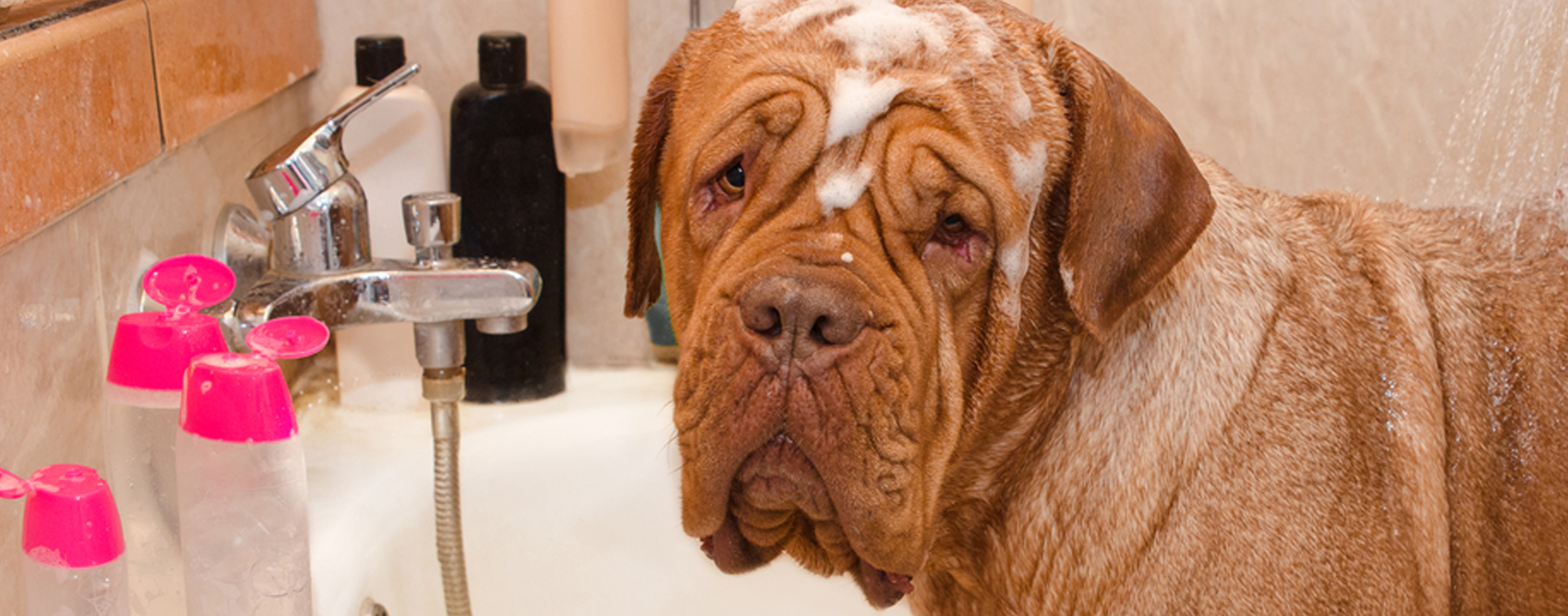
Credit: www.hartz.com
Common Bathing Mistakes To Avoid
Bathing your dog might seem straightforward, but many pet owners unknowingly make mistakes that can harm their furry friends. Understanding these common errors helps you create a positive bath time experience. Let’s look at some key mistakes to avoid so your dog stays happy and healthy.
Overbathing And Its Effects
Giving your dog too many baths can strip natural oils from their skin and coat. This leads to dryness, irritation, and even increased shedding. How often should you bathe your dog? Usually, once a month is enough unless your dog gets dirty or smelly more frequently.
Think about your own skin—would you shower multiple times a day without moisturizing? Dogs need similar care to maintain their skin's balance. Overbathing can cause itching and discomfort, making your dog dread bath time.
Using Human Shampoo
Human shampoos have pH levels designed for people, not dogs. Using them can disrupt your dog’s skin barrier and cause redness or allergic reactions. Investing in a shampoo made specifically for dogs is a simple way to protect their skin.
Even shampoos labeled "gentle" for humans may contain fragrances or chemicals harmful to dogs. Have you checked the ingredients on your shampoo bottle lately? Choosing a product tailored for your dog’s coat type and skin sensitivity is crucial.
Ignoring Your Dog’s Comfort
Many owners focus only on cleaning and forget their dog’s emotional and physical comfort. A slippery tub, loud water, or cold temperature can make your dog anxious or scared. Try to create a calm and safe environment with a non-slip mat and lukewarm water.
Speaking from experience, my dog once froze in the tub because I didn’t consider the water temperature. After adjusting it, bath time became much smoother. Could a small change in your routine make a big difference in your dog’s behavior?
Frequently Asked Questions
How Often Should I Bathe My Dog Like A Groomer?
Bathing frequency depends on your dog’s breed and activity. Generally, every 4 to 6 weeks is ideal. Overbathing can dry their skin. Regular baths keep the coat clean, healthy, and odor-free, just like professional groomers recommend.
What Shampoo Is Best For Bathing Dogs At Home?
Use a gentle, dog-specific shampoo with natural ingredients. Avoid human shampoos, which can irritate your dog’s skin. Choose formulas suited to your dog’s coat type and skin sensitivity. This ensures a clean, shiny coat without causing dryness or allergic reactions.
How Do Groomers Keep Dogs Calm During Baths?
Groomers use gentle handling and soothing tones to calm dogs. They keep bath time positive with treats and breaks. Creating a relaxed environment reduces stress and makes the experience enjoyable for your dog.
What Tools Do Groomers Use For Dog Bathing?
Professional groomers use sprayers, brushes, and specialized shampoos. They also use towels and blow dryers designed for dogs. These tools ensure a thorough, efficient bath and help maintain the coat’s health and shine.
Conclusion
Bathing your dog at home can be simple and stress-free. Use gentle shampoo and warm water to keep their skin healthy. Take your time and speak softly to calm your pet. Rinse thoroughly to remove all soap and avoid irritation.
Regular baths help your dog feel fresh and clean. With practice, this routine becomes easier for both of you. Enjoy the bonding time and care for your furry friend like a groomer does. Your dog will thank you with a shiny coat and happy tail.