
Bathing a dog who hates water can feel like a battle you’re destined to lose. You want your furry friend clean and fresh, but the moment you bring out the water, they run and hide.
Sound familiar? You’re not alone, and the good news is there are simple ways to make this task easier for both you and your dog. Keep reading, and you’ll discover practical tips that turn bath time from stressful to smooth—no more struggling, no more mess, just a happy, clean pup.
Credit: dogtrekker.com
Recognize Signs Of Water Fear
Understanding your dog’s fear of water is key before you even think about giving them a bath. Recognizing the signs can help you approach the situation with patience and care. You’ll avoid unnecessary stress for both you and your furry friend by spotting these early signals.
Behavioral Cues
Watch how your dog acts around water. Do they try to run away or hide when you bring out the bath supplies? Some dogs might freeze or become unusually quiet, showing they’re feeling uneasy.
Other signs include barking, whining, or snapping as a way to express discomfort. You might notice your dog pacing or avoiding eye contact. These behaviors are clear warnings that your dog is anxious about getting wet.
Physical Reactions
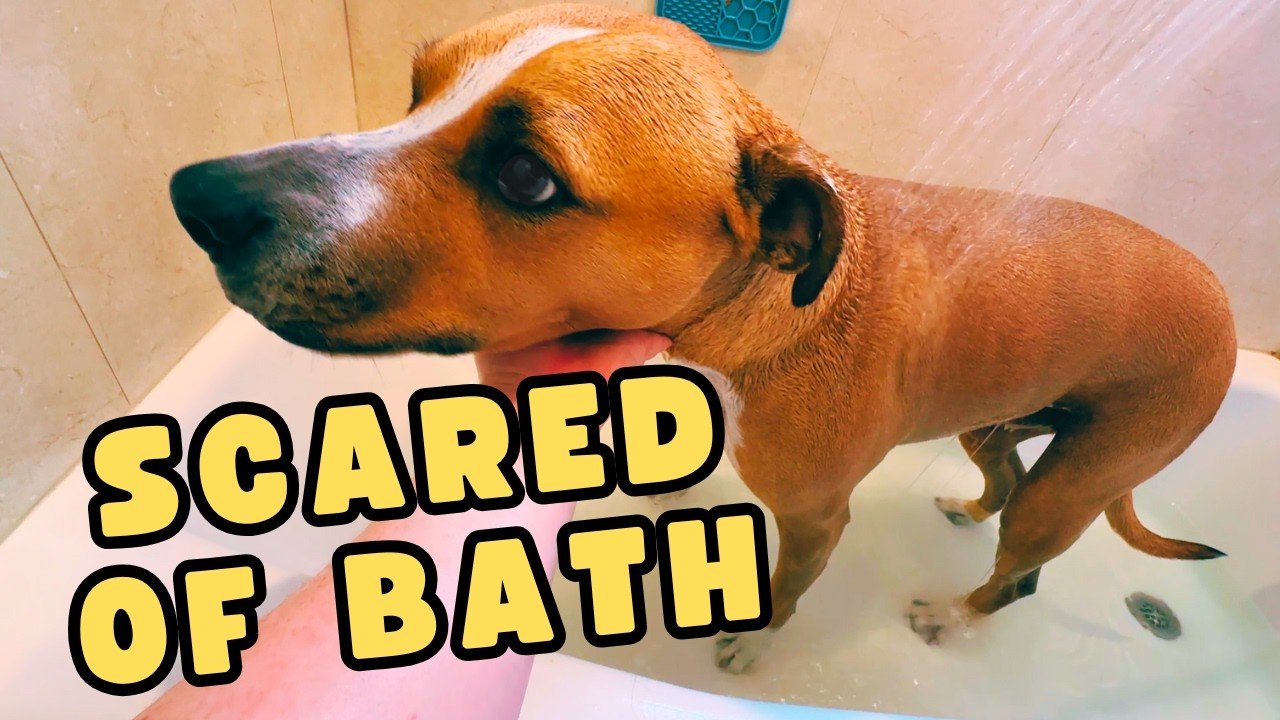
Your dog’s body language says a lot. Look for trembling, tucked tails, or flattened ears when water is near. These physical signs reveal their inner fear.
Heavy panting or drooling can also indicate stress, even if your dog isn’t making a fuss. Sometimes, dogs will try to back away or lean into you, seeking comfort. Paying attention to these reactions helps you adjust your approach to make bath time less scary.
Prepare The Bathing Area
Preparing the bathing area is key to helping your dog feel more comfortable during bath time, especially if they dislike water. A well-thought-out space reduces stress for both of you and makes the process smoother. Setting up properly can turn a dreaded chore into a manageable routine.
Choose A Calm Environment
Pick a quiet spot with minimal distractions. Loud noises or lots of activity can increase your dog's anxiety. A calm environment helps your dog focus and feel safer.
Think about the temperature too. A warm room or shaded outdoor area keeps your dog from getting cold. This little detail can make a big difference in how they react.
Have you noticed how your dog behaves in different parts of your home? Use that knowledge to pick the best place for the bath. Comfort zones matter more than you might expect.
Gather All Necessary Supplies
Collect everything you’ll need before bringing your dog to the bathing area. This includes dog-friendly shampoo, towels, a brush, and a cup or sprayer for rinsing. Having supplies within reach keeps the process efficient and less stressful.
Consider using non-slip mats to prevent slipping. Wet paws can make your dog nervous, so safety measures help keep them calm. Also, prepare treats to reward good behavior during and after the bath.
Think about your past bath experiences. Did you forget anything important? Use that insight to create a checklist. Being fully prepared means fewer interruptions and a smoother bath for your water-wary dog.
Use Positive Reinforcement
Using positive reinforcement can change your dog’s attitude toward bath time. It helps your dog connect the experience with good things, making future baths easier. Instead of forcing the bath, you create a friendly, encouraging environment that your dog looks forward to.
Treats And Praise
Start by having tasty treats ready before you even bring out the bath supplies. Offer a small treat when your dog approaches the bathroom or tub. This simple action helps your dog associate the bath area with rewards, not fear.
During the bath, keep praising your dog with a calm, happy voice. Use treats to reward calm behavior like standing still or letting water touch their paws. If your dog resists, don’t punish — give a treat as soon as they relax.
Have you noticed how your dog’s tail wags more when you reward them? That’s a sign they’re starting to feel safe, which is your goal.
Gradual Exposure Techniques
Don’t rush into a full bath if your dog hates water. Begin with small steps, like letting your dog explore the bathroom without any water. Reward them for staying calm in the space.
Next, introduce a damp cloth or a small amount of water on their fur, paired with praise and treats. Slowly increase the water exposure over several sessions, always watching your dog’s comfort level.
Think about how you’d feel being splashed with cold water unexpectedly. Gradual exposure helps your dog adjust comfortably without stress.
Try Alternative Bathing Methods
Bathing a dog who dislikes water can be a challenge. Alternative methods help keep your dog clean without stress. These options reduce anxiety and make grooming easier. Try using products and techniques that avoid full water baths.
Dry Shampoo Options
Dry shampoos are powders or sprays that clean the fur without water. They absorb oils and dirt from your dog’s coat quickly. Sprinkle or spray the product, then brush your dog’s fur well. These shampoos leave the coat fresh and soft.
Choose dry shampoos made for dogs to avoid skin irritation. They come in scents that keep your dog smelling nice. Use dry shampoo between regular baths to keep your dog clean.
Sponge Baths
Sponge baths let you clean your dog without a full bath. Use a damp sponge or cloth with warm water and dog shampoo. Gently wipe your dog’s coat, focusing on dirty areas like paws and belly.
Rinse the sponge often and avoid soaking your dog. Sponge baths help remove dirt and keep your dog fresh. They are perfect for dogs scared of water or cold weather.
Manage Water Temperature And Pressure
Managing water temperature and pressure is key to bathing a dog who dislikes water. The right warmth and gentle flow reduce stress and make the experience smoother. Dogs can be sensitive to cold or hot water, causing them to resist. Soft water pressure avoids startling them, helping them stay calm throughout the bath.
Warm Water Benefits
Warm water soothes your dog’s muscles and skin. It creates a cozy feeling that helps your dog relax. Cold water can shock and scare your dog, making bath time harder. Warm water also opens pores, cleaning better without harsh scrubbing. Keep the water comfortably warm, like a warm bath for humans. Test it with your hand before starting to avoid burns or chills.
Gentle Spray Tips
Strong water pressure can frighten a dog afraid of baths. Use a gentle spray or slow flow to avoid surprises. A showerhead with adjustable settings works well for this purpose. Hold the sprayer close but avoid spraying directly into your dog’s face or ears. Spray small areas first to help your dog get used to the sensation. Soft, steady water helps your dog stay calm and trust you during the bath.

Credit: www.dogster.com
Keep Bath Time Short And Sweet
Keeping bath time short and sweet is crucial when you have a dog who hates water. Long baths can quickly turn stressful, making your dog more resistant next time. A quick, focused wash helps maintain your dog's comfort and keeps the experience manageable for both of you.
Minimize Stress Duration
Shorten the total time your dog spends in the bath to reduce anxiety. Aim for just a few minutes—enough to get the job done without dragging it out. You might be surprised how much easier your dog behaves when the bath is brief and predictable.
Use warm water and gentle motions to keep your dog calm. Avoid sudden movements or loud noises that could spike stress. Have all your supplies ready before you start to avoid unnecessary delays.
Focus On Key Cleaning Areas
Concentrate on washing the places that need it most, like the paws, underbelly, and face. These areas often collect dirt and odors but don’t require a full soak to clean effectively.
Use a damp cloth or sponge for less-soaked spots to avoid overwhelming your dog with water. This targeted cleaning approach saves time and keeps your dog more comfortable during bath time.
Dry Your Dog Effectively
Drying your dog properly after a bath is crucial. It keeps your dog warm and prevents skin problems. A wet dog can get cold quickly and feel uncomfortable. Effective drying helps your dog relax after a stressful bath. It also reduces the chance of your dog shaking water everywhere.
Towel Drying Techniques
Use a soft, absorbent towel for drying. Gently pat your dog instead of rubbing. Rubbing can tangle fur and irritate skin. Focus on areas with thick fur like the chest and belly. Use multiple towels if your dog is large or very wet. Change towels once they get too damp. Keep your dog calm by speaking softly during drying.
Using A Pet-friendly Dryer
Choose a dryer made for pets to avoid loud noises. Loud dryers scare dogs and make drying harder. Use the dryer on a low, warm setting only. Hold the dryer several inches from your dog's fur. Move the dryer constantly to avoid overheating one spot. Stop if your dog shows signs of stress. Let your dog take breaks during drying if needed.
Maintain Regular Grooming Habits
Maintaining regular grooming habits helps keep your dog clean and healthy. It reduces the need for frequent baths, especially for dogs that dislike water. Regular care also prevents skin issues and matting, making bath time easier.
Brushing Schedules
Brush your dog’s coat often. This removes dirt, loose hair, and tangles. Choose a brush suitable for your dog’s fur type. Short-haired dogs need less brushing than long-haired ones.
- Brush short-haired dogs once or twice a week.
- Brush long-haired dogs daily or every other day.
- Use gentle strokes to avoid hurting your dog.
Brushing also spreads natural oils. This keeps the coat shiny and healthy. It helps your dog feel more comfortable between baths.
Ear And Paw Care
Check your dog’s ears regularly. Clean them with a soft cloth or vet-approved wipes. Remove dirt or wax gently to avoid infections.
Inspect paws for dirt, cuts, or irritation. Wipe them after walks to keep them clean. Trim hair around paws if it collects dirt easily.
- Clean ears once a week or as needed.
- Wipe paws after outdoor activities.
- Keep nails trimmed to prevent discomfort.
Healthy ears and paws reduce the need for baths. They also help your dog stay comfortable and happy.

Credit: www.youtube.com
Frequently Asked Questions
How Can I Prepare My Dog For A Bath?
Start by gently introducing water near your dog. Use treats and praise to create positive associations. Slowly increase water exposure over days. This helps reduce fear and makes bathing easier.
What Are The Best Tools For Bathing A Water-fearing Dog?
Use a non-slip mat, a handheld showerhead, and dog-friendly shampoo. A gentle spray and secure footing make your dog feel safe. These tools help control water flow and comfort your pet.
How Do I Keep My Dog Calm During Bath Time?
Speak softly, use treats, and take breaks if needed. Keep sessions short initially to avoid stress. Calm behavior encourages your dog to relax and cooperate during baths.
Can I Use Dry Shampoo For Dogs That Hate Water?
Yes, dry shampoos and waterless wipes are great alternatives. They clean your dog without water and reduce stress. Use these between regular baths for hygiene.
Conclusion
Bathing a dog who dislikes water takes patience and care. Stay calm and reassuring during bath time. Use gentle words and slow movements to ease anxiety. Always prepare all essentials before starting. Treats and praise can make the experience positive.
Choose the right shampoo for your dog’s skin. Avoid getting water in their ears and eyes. A quick, efficient bath can reduce stress for both. With practice, bath time can become less challenging. Remember, your dog's comfort matters most. Keep trying, and you both will improve over time.