Do you want to see more colorful birds fluttering around your yard? Imagine stepping outside and hearing cheerful bird songs every day.
Attracting birds to your outdoor space is easier than you think. With a few simple changes, you can create a welcoming haven that birds won’t resist. Keep reading, and you’ll discover practical tips that make your yard the favorite spot for birds—and bring more joy to your daily life.
Credit: www.housedigest.com
Choose The Right Plants
Choosing the right plants is a game-changer if you want to attract more birds to your yard. Plants provide food, shelter, and nesting spots, making your space inviting for feathered visitors. Your plant choices can either encourage a variety of bird species or leave your yard silent and empty.
Native Plants For Birds
Native plants are the best choice because birds have adapted to them over time. They offer the right kind of seeds, nectar, and insects that local birds rely on. Adding plants like purple coneflower, black-eyed Susan, or serviceberry can bring in more birds naturally.
Have you noticed how some plants seem to attract more birds than others? That’s often because they are native to your region. Choosing native plants means less maintenance for you and a welcoming buffet for birds.
Seasonal Flowering And Fruiting
Plan your garden with plants that bloom and bear fruit at different times of the year. This ensures birds have a steady food supply through changing seasons. Think about including spring-blooming dogwood, summer elderberries, and fall crabapples.
Birds need food all year round, not just in spring or summer. Do you have plants in your yard that provide food during the colder months? Adding late-season berries or seeds can keep your yard lively even in winter.
Creating Shelter With Shrubs
Shrubs offer essential cover from predators and harsh weather. Dense shrubs like holly, juniper, or viburnum provide safe spots for resting and nesting. These plants make your yard feel like a safe haven for birds.
When was the last time you observed birds hiding or nesting in your yard? By planting thick shrubs, you invite more of these natural behaviors. Shelter is just as important as food in making your yard a bird magnet.
Provide Food Sources
Providing food is a key way to attract birds to your yard. Birds need energy, especially during cold or dry seasons. Supplying the right food helps them stay healthy and visit often. Different birds prefer different foods. Offering a variety of options will welcome many species. Clean feeders and fresh food keep birds safe and returning.
Popular Bird Feeders
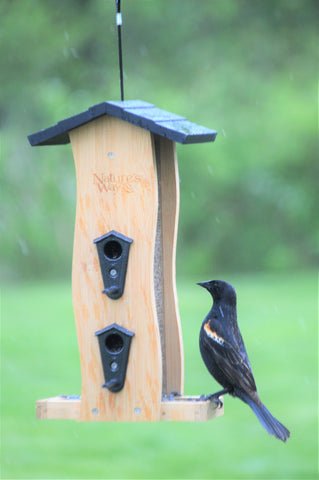
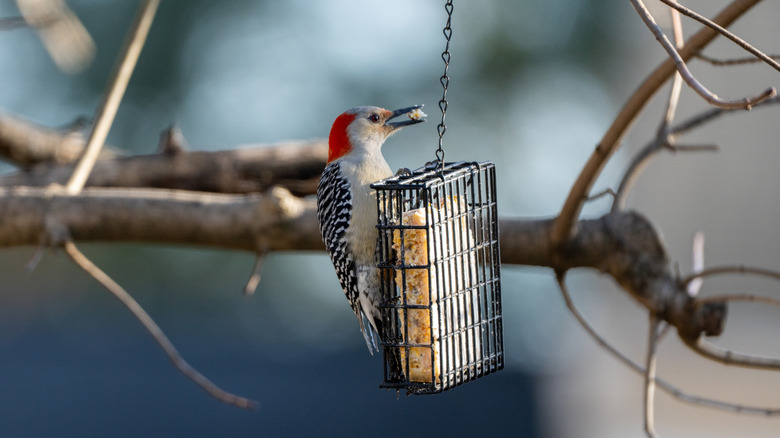
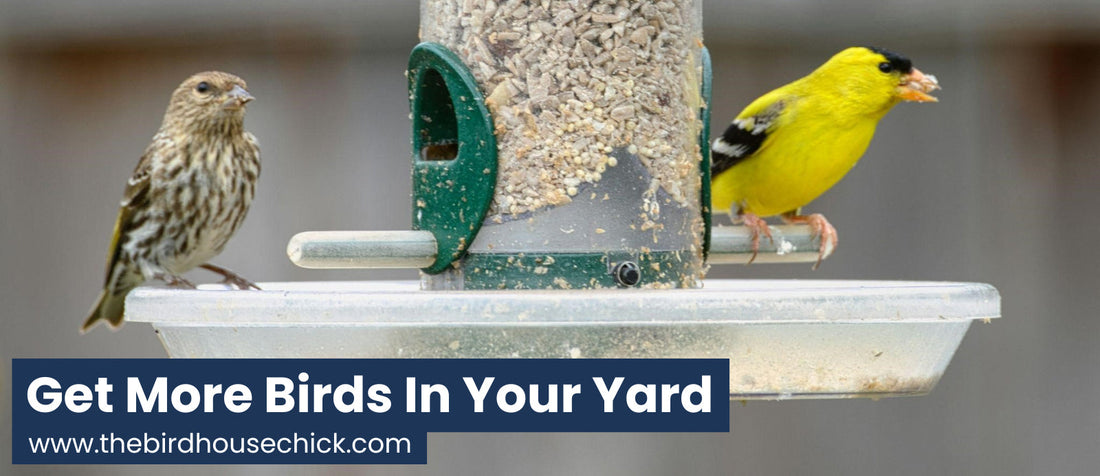
Choose feeders based on the types of birds you want to attract. Tube feeders work well for small songbirds like finches and chickadees. Platform feeders suit larger birds such as cardinals and jays. Suet feeders attract woodpeckers and nuthatches. Hanging feeders with nectar can bring hummingbirds and orioles. Place feeders in quiet spots near trees or shrubs for shelter.
Natural Food Options
Plant native trees, shrubs, and flowers that produce seeds and berries. Sunflower and coneflower seeds attract many bird species. Berry-producing plants like dogwood or holly provide food in fall and winter. Leave some leaf litter for insects, another food source. Growing native plants creates a natural feeding area that supports birds all year.
Avoiding Harmful Foods
Do not offer bread, as it lacks nutrients and can harm birds. Avoid salty or moldy foods; they cause illness. Skip foods with added sugars or artificial ingredients. Always clean feeders regularly to prevent disease. Provide fresh water along with food to help birds stay healthy.
Offer Fresh Water
Providing fresh water is key to attracting birds to your yard. Birds need water for drinking and bathing. Clean, accessible water sources invite many bird species. Creating a water spot helps birds stay healthy and happy. It also encourages them to visit regularly.
Birdbaths And Ponds
Birdbaths offer a simple way to provide water. Choose shallow basins with gentle slopes for easy access. Place birdbaths in open areas near shrubs or trees. This gives birds a safe place to land and watch for danger. Small ponds can attract a wider variety of birds. Natural edges with plants help birds feel secure.
Maintaining Clean Water
Birds prefer fresh, clean water every day. Dirty water can spread disease and scare birds away. Clean birdbaths and ponds regularly with mild soap and water. Remove algae, leaves, and debris to keep water clear. Change water often, especially in hot weather. Proper maintenance keeps birds coming back.
Water Features To Attract Birds
Moving water catches birds’ attention. A small fountain or dripper creates sound and movement. These features mimic natural water sources and invite birds to drink and bathe. Even a gentle drip or spray can attract many species. Place water features near shelter for quick escape from predators.

Credit: www.thebirdhousechick.com
Create Safe Habitats
Creating safe habitats is key to attracting more birds to your yard. Birds need places where they feel secure to rest, feed, and raise their young. Providing a safe environment helps birds settle and visit often. It also supports their survival through protection from dangers.
Building Birdhouses
Birdhouses offer shelter and nesting spots for many bird species. Choose birdhouses made of natural wood for better comfort. Place them at a height of 5 to 10 feet off the ground. Face the entrance away from prevailing winds to keep birds safe from weather. Clean birdhouses yearly to prevent pests and diseases. Use different sizes and shapes to attract various birds.
Keeping Predators Away
Protect birds from common predators like cats and raccoons. Use metal baffles on poles to stop climbing predators. Avoid placing bird feeders near dense bushes where predators hide. Keep pets indoors or supervised during bird feeding times. Remove any nearby food scraps that attract unwanted animals. A safe area encourages birds to stay longer and feel secure.
Designing Nesting Areas
Create quiet and hidden spots for birds to build nests. Use native plants with thick foliage for natural cover. Leave some dead trees or branches standing as natural nesting sites. Avoid heavy pruning during breeding seasons to protect nests. Provide soft materials like dry grass or leaves nearby for nest building. Safe nesting areas improve the chance of birds raising chicks successfully.
Minimize Yard Chemicals
Minimizing yard chemicals helps create a safer space for birds. Chemicals like pesticides and herbicides harm birds directly and reduce their food sources. Birds depend on insects and plants that chemicals often destroy. Reducing chemical use encourages more birds to visit and stay in your yard.
Using Organic Alternatives
Organic alternatives protect birds and the environment. Natural pest control methods include:
- Introducing beneficial insects like ladybugs
- Using neem oil or insecticidal soap
- Applying compost or mulch to enrich soil
- Planting native plants that resist pests
These options reduce harmful chemicals and support bird habitats. Organic care keeps your yard healthy without risking bird safety.
Protecting Birds From Pesticides
Pesticides can poison birds and kill insects they eat. Avoid spraying pesticides during bird feeding times like early morning or late afternoon. Store chemicals away from bird feeders and water sources. Always read product labels for bird safety warnings.
Choose non-toxic pest control and create safe zones free of chemicals. This approach helps birds thrive and keeps your yard welcoming.
Credit: www.thebirdhousechick.com
Encourage Bird Activity
Encouraging bird activity in your yard creates a lively, natural environment that benefits both you and the local wildlife. Birds are more likely to visit and stay if your space meets their basic needs for resting, hydration, and shelter. Small changes can make a big difference in attracting a variety of feathered friends.
Providing Perches
Birds need safe spots to rest and survey their surroundings. Adding perches like branches, trellises, or even specialized bird stands gives them a place to pause between flights.
Try placing perches at different heights and near food or water sources. This variety makes your yard more attractive to different bird species. Have you noticed how birds prefer spots that offer a good view? Mimic that by positioning perches near windows or open spaces.
Adding Birdbaths
Water is essential for birds, not just for drinking but also for bathing. A clean birdbath invites birds to refresh and groom themselves, which helps keep their feathers in top shape.
Place birdbaths in shady spots to keep the water cool, and clean them regularly to prevent disease. Consider a shallow basin with a textured bottom so birds can safely land and splash around. Would you spend time in a yard without water access? Neither will the birds.
Offering Nesting Materials
Providing materials like twigs, dry grass, feathers, or pet hair encourages birds to build nests nearby. You can create a small basket or container with these items and place it where birds can easily find them.
Different species prefer different materials, so offer a mix to attract more types. Have you ever watched birds gather materials? It’s a clear sign they feel safe and ready to settle in your yard.
Seasonal Tips For Birdwatching
Seasonal changes bring different bird species to your yard and require you to adjust your birdwatching setup. Knowing how to cater to birds throughout the year can turn your outdoor space into a lively sanctuary. Let’s look at how to attract birds during migration and maintain care all year round.
Attracting Migratory Birds
Migratory birds rely on stopover spots to rest and refuel. To welcome them, provide fresh water sources like shallow birdbaths and clean feeders. Plant native flowering shrubs and trees that offer berries and seeds during migration seasons.
Have you noticed which birds visit your yard in spring or fall? Keep a journal to track their patterns. This helps you understand what food and shelter they prefer during their journey.
- Place feeders in sheltered areas to protect birds from wind and predators.
- Use a variety of seed types such as sunflower, millet, and nyjer to attract different species.
- Keep your yard pesticide-free to ensure a healthy environment.
Year-round Bird Care
Birds need consistent support through all seasons. In winter, offer high-energy foods like suet and peanuts to help them stay warm. Make sure water doesn’t freeze by using heated birdbaths or regularly refreshing the supply.
Spring and summer call for nesting materials like small twigs, grass clippings, and feathers. Provide safe spaces by avoiding trimming dense shrubs during nesting season. This ensures birds have shelter and protection for their young.
| Season | Bird Care Tips |
|---|---|
| Spring | Offer nesting materials, plant native flowers |
| Summer | Provide fresh water, avoid pesticides |
| Fall | Stock feeders with seeds and berries |
| Winter | Use high-energy foods, keep water unfrozen |
How can you adjust your yard each season to keep birds coming back? Small changes make a big difference in their survival and happiness. Try observing your yard weekly and tweak your offerings accordingly.
Frequently Asked Questions
What Types Of Feeders Attract More Birds?
Different birds prefer different feeders like tube, hopper, or platform. Using a variety attracts more species to your yard.
How Can I Provide Safe Bird Water Sources?
Use shallow birdbaths with clean, fresh water. Change water regularly and place baths in shaded, safe areas to attract birds.
Which Plants Help Attract More Birds?
Native plants with berries, seeds, and flowers offer food and shelter. Planting shrubs and trees creates a bird-friendly habitat.
How Does Bird-friendly Landscaping Increase Bird Visits?
Creating diverse habitats with food, water, and shelter encourages birds to visit and stay longer in your yard.
Conclusion
Creating a bird-friendly yard is simple and rewarding. Start with the basics: food, water, and shelter. Choose native plants to attract more species. Add bird feeders and baths. Keep them clean and filled. Avoid pesticides to protect birds. Offer nesting boxes for safe homes.
Enjoy watching birds flourish in your space. They'll bring joy and life to your yard. Encourage your friends to try it too. Nature will thank you. And so will the birds. Keep observing and learning. Each visit is a new story.
Your yard can become a vibrant bird haven.