If your cat is scratching more than usual or you spot tiny bugs on their fur, it’s time to act fast. Applying topical flea treatment might sound tricky, but you can do it easily with the right steps.
Imagine giving your furry friend quick relief from those annoying pests and keeping them comfortable. In this guide, you’ll discover simple, clear instructions to apply flea treatment safely and effectively. Keep reading to protect your cat and bring peace back to your home.
Credit: www.walmart.com
Choosing The Right Flea Treatment
Choosing the right flea treatment for your cat is crucial for both effectiveness and safety. Not all topical treatments work the same way, and some may not suit your cat’s health or lifestyle. Understanding the options and potential risks helps you make a smart choice that keeps your furry friend comfortable and flea-free.
Types Of Topical Treatments
Topical flea treatments come in various forms, each designed to target fleas differently. Most common are liquid drops applied directly to your cat's skin, usually between the shoulder blades.
- Spot-on treatments:These are easy to apply and provide protection for up to a month.
- Medicated sprays:Can be used for quick relief but might need more frequent application.
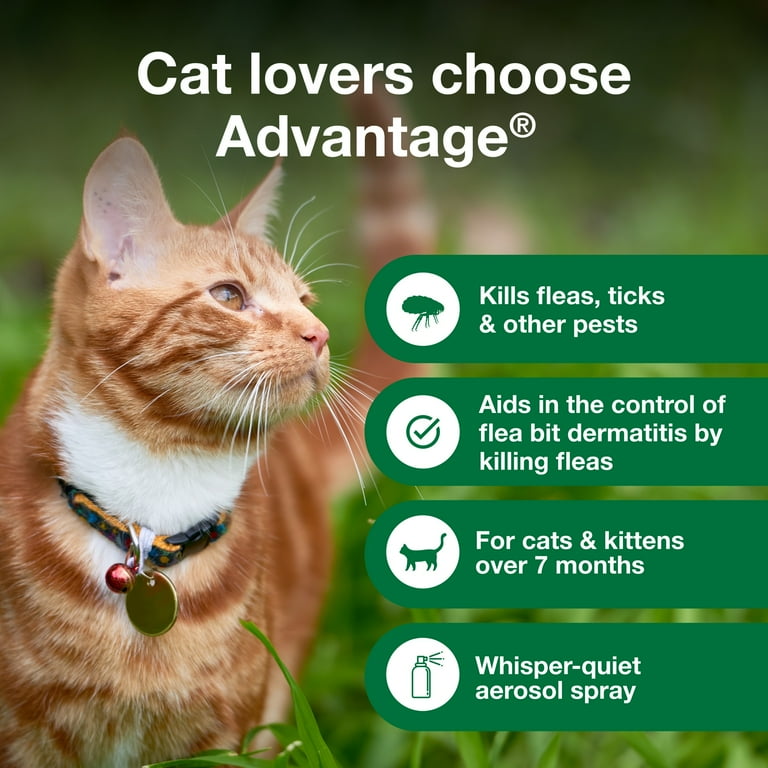
- Combination products:Some treatments also target ticks and other parasites, offering broader protection.
Understanding how each type works helps you pick the one that fits your cat’s needs best.
Safety Considerations For Cats
Safety is your top priority when choosing a flea treatment. Cats have sensitive skin and unique metabolisms, so a product safe for dogs might be harmful to them.
- Always check if the product is specifically labeled for cats.
- Avoid treatments with ingredients known to cause reactions, such as permethrin, which is toxic to cats.
- Consider your cat’s age, weight, and health conditions before applying any treatment.
Have you ever noticed your cat scratching more after a treatment? It might be a sign to switch products or consult a vet.
Consulting Your Veterinarian
Talking to your veterinarian is the best way to ensure you choose an effective and safe flea treatment. They can recommend products based on your cat’s medical history and local flea risks.
Your vet might suggest prescription options or natural alternatives if your cat has allergies or skin issues.
Do you know the last time your cat had a full parasite check? Bringing this up can help your vet tailor the best flea control plan for you.

Credit: www.walmart.com
Preparing Your Cat
Preparing your cat for topical flea treatment is important for a smooth process. A calm cat makes application easier and safer. Proper preparation helps the medicine work well and keeps your cat comfortable.
Calming Your Cat
Speak softly to your cat in a quiet room. Gently pet them to reduce stress. Avoid sudden movements or loud noises. Let your cat sit on your lap or a soft surface. You may offer a favorite toy or treat to keep them relaxed.
Gathering Supplies
Collect everything before you start. You will need:
- The flea treatment tube or dropper
- A towel to hold your cat if needed
- Gloves to protect your hands
- Paper towels for any spills
Having supplies ready avoids rushing and makes the process smooth.
Selecting The Application Spot
Choose a quiet, well-lit area. The spot should be easy for you to reach. Many cats feel safe on a table or countertop. Avoid places where your cat can easily escape or hide. A non-slip surface helps keep your cat steady.
Applying The Treatment
Applying topical flea treatment to cats needs care and attention. Proper application ensures the medicine works well. It helps protect your cat from fleas quickly and safely. Understanding how to apply the treatment correctly avoids irritation and wasted product.
Opening The Applicator
Start by holding the applicator upright. Snap or twist the top to open it carefully. Avoid squeezing the tube before opening. Keep the tip clean to prevent contamination. Have a towel ready if your cat moves a lot.
Correct Application Techniques
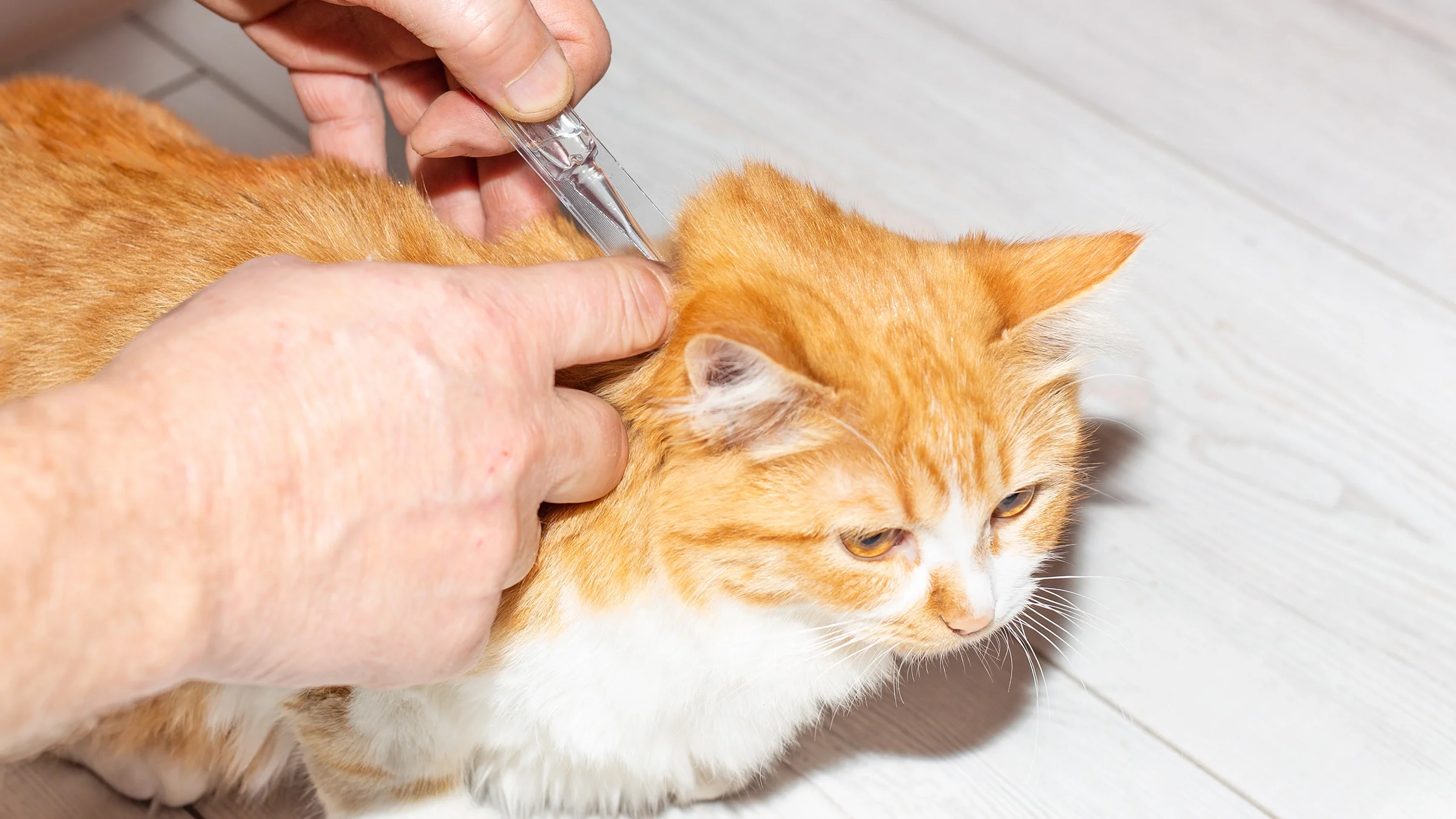
Part your cat’s fur at the base of the neck. Choose a spot between the shoulder blades. Apply all the liquid directly onto the skin. Do not rub the treatment into the fur. Let the medicine dry naturally to work best.
Avoiding Common Mistakes
- Do not apply on wet or damp fur.
- Avoid placing the treatment on wounds or irritated skin.
- Do not split the dose across multiple spots.
- Keep the product away from your cat’s eyes and mouth.
- Do not bathe your cat for 48 hours after application.
Post-application Care
After applying topical flea treatment to your cat, proper care is crucial. This care helps the medicine work well and keeps your cat safe. Watch your cat closely and follow simple steps for the best results.
Monitoring Your Cat
Check your cat’s skin where you applied the treatment. Look for redness, swelling, or irritation. Watch your cat’s behavior for signs of discomfort. Scratching or licking the area too much can cause problems. Keep an eye on your cat for the first 24 hours after application. Contact your vet if you see unusual signs.
Preventing Licking
Licking the treated area can remove the medicine. This lowers its effectiveness and can cause stomach upset. Use an Elizabethan collar if your cat tries to lick the spot. Distract your cat with toys or treats to keep them busy. Avoid bathing your cat for at least two days after treatment. This helps the medicine stay on the skin.
When To Repeat Treatment
Topical flea treatments usually need repeating every 4 weeks. Check the product instructions for the exact time frame. Mark your calendar to remember the next dose. Regular treatment keeps fleas away and protects your cat. If fleas come back sooner, talk to your vet for advice.
Handling Flea Infestations
Handling flea infestations is key to keeping your cat healthy and comfortable. Fleas multiply fast and can spread to your home and other pets. Treating just your cat is not enough. You must also clean your home and care for all animals around. This section explains how to manage fleas effectively.
Cleaning Your Home
Fleas lay eggs in carpets, bedding, and cracks. Cleaning helps remove eggs, larvae, and adult fleas. Follow these tips:
- Vacuum floors, carpets, and furniture daily.
- Wash pet bedding and blankets in hot water weekly.
- Use flea sprays or powders safe for home use.
- Empty vacuum bags outside to prevent re-infestation.
Regular cleaning breaks the flea life cycle. It makes treatments more effective.
Treating Other Pets
Fleas spread between animals quickly. Treat all pets at the same time. Use flea treatments suitable for each species. Ask your vet if unsure. Check pets for fleas and signs of irritation daily. This helps stop fleas from hiding and spreading.
Preventive Measures
Prevent fleas by maintaining a clean home and using monthly flea treatments. Keep pets indoors or supervise outside time. Avoid contact with stray animals. Regular grooming helps spot fleas early. Use flea collars or sprays recommended by your vet. Prevention saves time and stress later.

Credit: www.zoetispetcare.com
Frequently Asked Questions
How Often Should I Apply Topical Flea Treatment To Cats?
Apply topical flea treatment once every 30 days unless otherwise directed by your vet. Consistency ensures effective flea control and prevention.
Can I Use Dog Flea Treatment On My Cat?
No, never use dog flea treatments on cats. Ingredients differ and can be toxic. Always choose cat-specific products.
Where Exactly Do I Apply Flea Treatment On Cats?
Apply the treatment at the base of the cat’s neck, between the shoulder blades. This spot prevents licking and ensures absorption.
How Soon Does Topical Flea Treatment Start Working?
Topical flea treatments usually start killing fleas within 12 to 24 hours after application. Full effectiveness occurs within a few days.
Conclusion
Applying topical flea treatment to cats can be simple. Follow the steps carefully. Ensure your cat is calm and relaxed. Choose a quiet spot without distractions. Use the right amount of treatment. Avoid contact with your cat's eyes and mouth.
Wash your hands afterward. Regular treatment keeps fleas away. Your cat will stay healthy and happy. Always read the instructions on the package. Consult your vet for any concerns. With patience, you'll manage it with ease. Your cat will thank you!