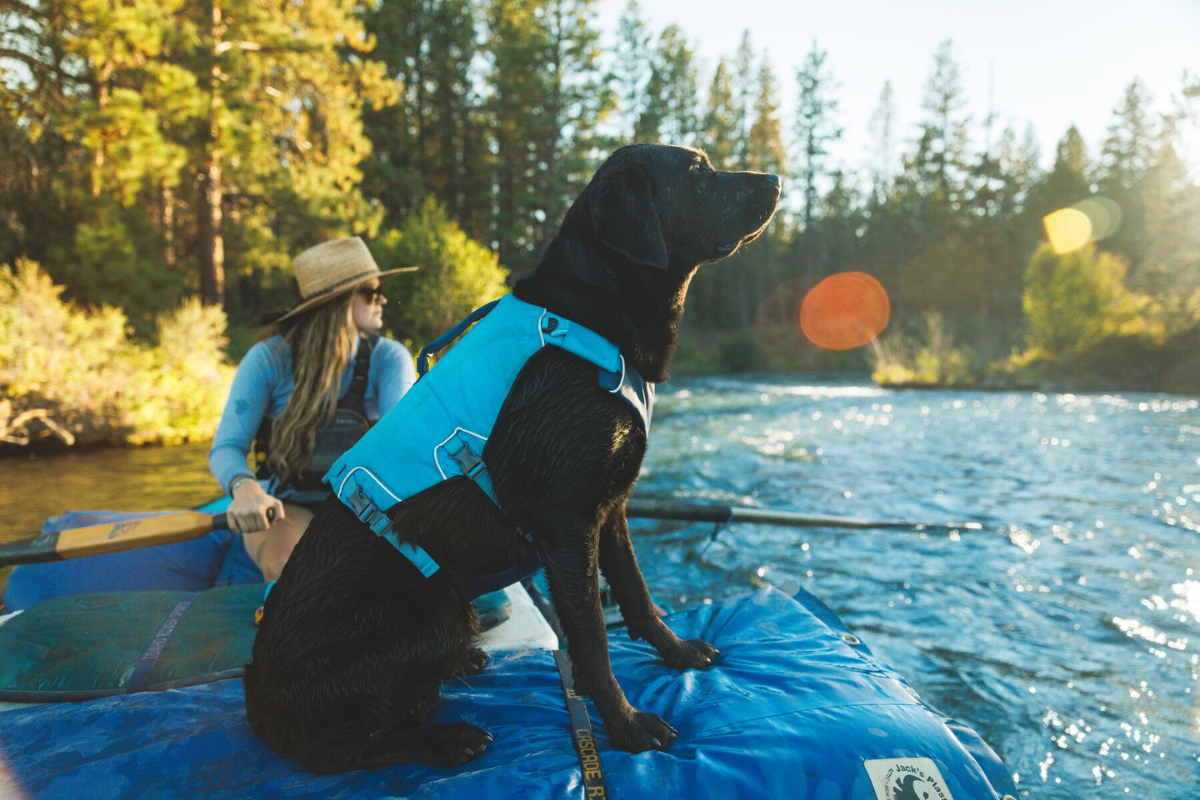
If you love taking your dog on water adventures, keeping them safe is a top priority. A well-fitted life jacket can make all the difference in an emergency.
But how should a life jacket fit your dog to offer the best protection without causing discomfort? You might think any jacket will do, but the right fit is crucial for your dog’s safety and comfort. You’ll discover simple tips to find the perfect fit for your furry friend, so you both can enjoy every splash with confidence.
Keep reading to learn how to protect your dog the smart way.
Choosing The Right Size
Choosing the right size for your dog's life jacket is crucial for their safety and comfort. A life jacket that fits poorly can restrict movement or fail to keep your dog afloat effectively. Understanding how to measure and select the correct size ensures your dog stays secure during water activities.
Measuring Your Dog
Start by measuring your dog's girth, which is the widest part of their rib cage, just behind the front legs. Use a soft tape measure and wrap it snugly but not too tight. Don't forget to check their neck circumference and length from the base of the neck to the base of the tail, as some jackets require these measurements too.
Measuring your dog while they’re calm helps get accurate numbers. Have you noticed how a restless pup can make measuring tricky? Taking these measurements carefully prevents returning the jacket for a different size later.
Weight Vs. Size Considerations
Manufacturers often suggest life jacket sizes based on weight ranges, but relying solely on weight can be misleading. Two dogs with the same weight might have different body shapes, affecting how the jacket fits. Prioritize the girth measurement over weight to ensure a snug and secure fit.
Weight is still useful to confirm the jacket’s buoyancy rating matches your dog's needs. Have you seen a jacket that fits a dog’s weight but slides off because it’s too loose around the chest? That’s why combining weight and girth measurements works best.
Adjustable Features To Look For
Look for life jackets with multiple adjustable straps around the neck and chest. This allows you to customize the fit and accommodate minor size variations or your dog’s growth. Adjustable buckles and Velcro closures make it easy to put the jacket on and take it off without struggle.
Some jackets include a handle on top, which is helpful for lifting your dog out of the water. Does your dog wiggle or try to slip out? Adjustable features help keep the jacket firmly in place, giving you peace of mind during your adventures.
Key Fit Areas
A life jacket must fit your dog correctly for safety and comfort. Focus on three key areas: neck, chest, and underbelly straps. Each part needs to fit snugly without causing discomfort. Proper fit helps your dog stay secure and swim easily.
Neck Fit
The life jacket should fit comfortably around the neck. It must not be too tight to restrict breathing or too loose to slip off. You should fit two fingers between the jacket and your dog's neck. This ensures enough space for comfort and safety.
Chest Fit
The chest area is the widest part of your dog’s body. The jacket must cover this area fully without squeezing. Adjust the straps so the jacket fits snugly around the chest. Your dog should be able to move and breathe easily.
Underbelly Straps
Underbelly straps secure the jacket in place. These straps should be tight enough to keep the jacket from shifting. Avoid over-tightening as it can cause discomfort or chafing. Check that the straps do not rub against your dog’s skin.
Signs Of A Proper Fit
Ensuring a dog’s life jacket fits properly is crucial for safety and comfort. Signs of a proper fit help pet owners know the jacket protects well without causing discomfort. A good fit lets the dog move naturally and stay safe in water.
Comfort And Movement
The life jacket should allow your dog to walk, run, and swim easily. It must not restrict leg or neck movement. Watch your dog move around after putting on the jacket. If your dog seems free and happy, the fit is right.
Secure But Not Tight
The jacket must stay in place during activity but not squeeze the dog. You should be able to slide two fingers between the jacket and the dog’s body. This ensures it is snug enough to stay secure without cutting off circulation.
No Chafing Or Pinching
Check areas around the neck, underarms, and belly for any rubbing or pinching. The life jacket should have soft edges and padding to prevent skin irritation. A good fit means the dog shows no signs of discomfort or redness after wearing it.

Credit: ruffwear.com
Common Fit Issues
Finding the right fit for a dog’s life jacket is crucial for safety and comfort. Common fit issues can reduce the jacket's effectiveness and make your dog uncomfortable. Understanding these problems helps ensure the jacket performs well in water.
Too Loose Risks
A life jacket that is too loose can slip off or shift easily. Your dog may struggle to swim or stay afloat. Loose jackets increase the chance of accidents in water. They also cause chafing and skin irritation.
Too Tight Problems
Overly tight jackets restrict movement and breathing. Dogs may feel trapped and anxious. Tight straps can cause pain and pressure sores. This fit reduces your dog’s ability to paddle properly.
Improper Strap Positioning
Straps placed incorrectly affect balance and security. Straps too high or low can slip or dig into skin. Poor strap alignment may cause the jacket to twist. Proper positioning keeps the jacket stable and comfortable.
Testing The Life Jacket
Testing a dog’s life jacket is key for safety and comfort. It checks if the jacket fits well and stays secure. This process helps avoid slipping or restricting movement. Testing also ensures the jacket supports your dog properly in water.
Initial Dry Fit Test
Put the life jacket on your dog while dry. Check if it fits snugly but not too tight. Look for any gaps or loose straps. Make sure your dog can move easily. Watch your dog walk and sit. The jacket should not rub or pinch anywhere.
Water Trial Safety
Try the jacket on in shallow water first. Stay close to your dog at all times. Let your dog swim a little to see how the jacket performs. It should keep your dog's head above water. Watch if the jacket shifts or feels uncomfortable. Never leave your dog unattended during this test.
Adjusting After Testing
Note any tight spots or loose areas after the water test. Adjust the straps for a better fit. Check the jacket’s buoyancy and your dog’s comfort again. Repeat the water test if needed. Keep adjusting until the jacket fits securely and your dog feels free to move.

Credit: www.nonstopdogwear.com
Special Considerations
Choosing the right life jacket for a dog means more than just size. Special considerations ensure the jacket fits well and keeps your dog safe. Different breeds and ages need unique fits and features. Thoughtful choices help your dog swim comfortably and stay secure.
Breed And Body Shape Differences
Dogs come in many shapes and sizes. Some have broad chests, others are slim or short-legged. Life jackets must match these shapes to avoid slipping off or causing discomfort. For example, a bulldog needs a jacket with extra room around the chest. Greyhounds require a slimmer, longer fit. Always measure your dog’s chest, neck, and length before buying.
Puppies And Senior Dogs
Puppies grow fast, so adjustable life jackets work best. They allow room for growth without being loose. Senior dogs may have weaker muscles or joint issues. Soft, padded life jackets with easy straps help these dogs feel comfortable. Choose lightweight jackets to avoid extra strain on older dogs.
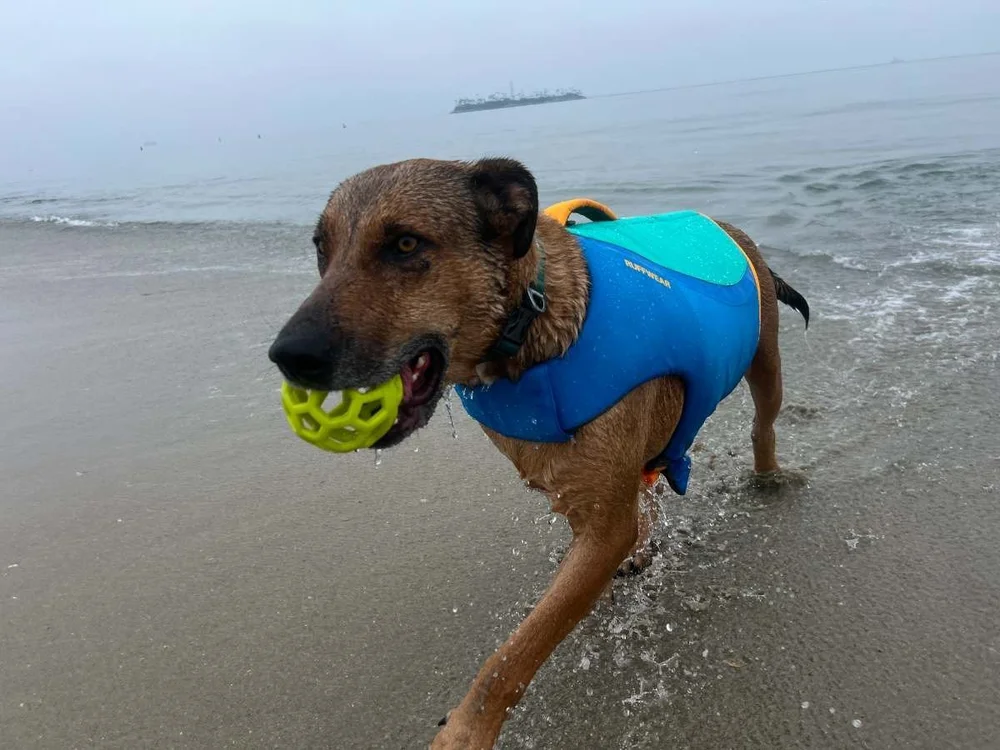
Extra Features For Added Safety
- Bright colors improve visibility in water and low light.
- Handles on top help lift your dog quickly if needed.
- Reflective strips increase safety during night walks or early mornings.
- Adjustable straps ensure a snug fit without restricting movement.
- Quick-dry materials keep the jacket light and comfortable.
These features add safety and ease of use, making life jackets more effective.
Credit: www.treelinereview.com
Frequently Asked Questions
How Tight Should A Life Jacket Fit My Dog?
A life jacket should fit snugly without restricting movement. It must stay secure when your dog swims or moves. Ensure you can fit two fingers between the jacket and your dog's body for comfort and safety.
What Areas Of My Dog Should A Life Jacket Cover?
A proper life jacket covers the chest, back, and belly. It supports buoyancy and helps keep your dog's head above water. Adjustable straps around the neck and belly ensure a secure and comfortable fit.
Can A Life Jacket Be Too Big For My Dog?
Yes, a life jacket that is too big can slip off or cause discomfort. Always measure your dog's girth, neck, and length before purchasing. A well-fitted jacket enhances safety and prevents accidents during water activities.
How Do I Check If The Life Jacket Fits Well?
Check for a snug fit by testing movement and strap tightness. The jacket should not shift when your dog moves. Make sure your dog can walk and swim comfortably while wearing it.
Conclusion
Ensuring a dog’s life jacket fits well is crucial for safety. A snug fit prevents slipping and ensures buoyancy. Check for adjustable straps and a secure buckle. Comfort is key; your dog should move easily. Measure your dog accurately before buying.
Test the fit by gently lifting the jacket. This checks for a secure hold. Look for a jacket with a sturdy handle for emergencies. Regularly inspect for wear and tear. A well-fitted life jacket keeps your dog safe and happy in the water.
Prioritize your dog's comfort and safety every time you head out.