
Curious about when it's the right time to introduce your kitten to the world of catnip? You're not alone.
As a pet owner, you want to ensure your furry friend enjoys every playful moment safely. Whether you've witnessed older cats go gaga over catnip or heard tales of its enchanting effects, knowing when to introduce this herb to your kitten is crucial.
Get ready to uncover the age at which your kitten can safely enjoy catnip and learn why timing is everything. Stick around, because understanding this can enhance your pet's playtime and strengthen your bond like never before.
Kitten Growth Stages
Understanding the different stages of kitten growth is essential before introducing catnip. Each phase brings unique changes in your kitten’s behavior and health, which affects how they respond to catnip. Knowing these stages helps you decide the right time to offer catnip safely and enjoyably.
Newborn To Weaning
During the first few weeks, kittens are entirely dependent on their mother’s milk and care. Their senses are still developing, and they spend most of their time sleeping and nursing. At this stage, catnip is not suitable because their bodies and brains are too immature to react to it properly.
Have you noticed how tiny and fragile newborn kittens seem? This is why you should wait until they are stronger and more aware before introducing anything like catnip.
Weaning To Socialization
Between about 4 to 8 weeks, kittens start to explore solid food and interact more with their environment. This is a critical period for learning social skills and developing curiosity. However, their sensitivity to catnip is still limited, and it’s best to hold off until they are a bit older.
During this phase, you can focus on gentle play and social bonding. This helps prepare your kitten for new experiences, including the eventual introduction of catnip.
Post-socialization Phase
After 8 weeks, kittens become more independent and responsive to stimuli. Most cats begin to show reactions to catnip around 3 to 6 months old, once their sensory and nervous systems have matured. This is the ideal time to test catnip cautiously and observe your kitten’s response.
Try offering a small amount of catnip and watch how your kitten reacts. Does it make them playful or relaxed? This observation will guide you on how much and how often to give it.
Catnip Effects On Cats
Catnip has a unique effect on cats. This plant can change their behavior in fun and curious ways. Understanding how catnip works helps to know when kittens should try it.
How Catnip Works
Catnip contains a chemical called nepetalactone. This chemical binds to receptors in a cat’s nose. It triggers a response in their brain linked to play and happiness. The effect lasts about 10 minutes. After that, cats lose interest until some time passes.
Behavioral Responses
Catnip causes many behaviors. Some cats may:
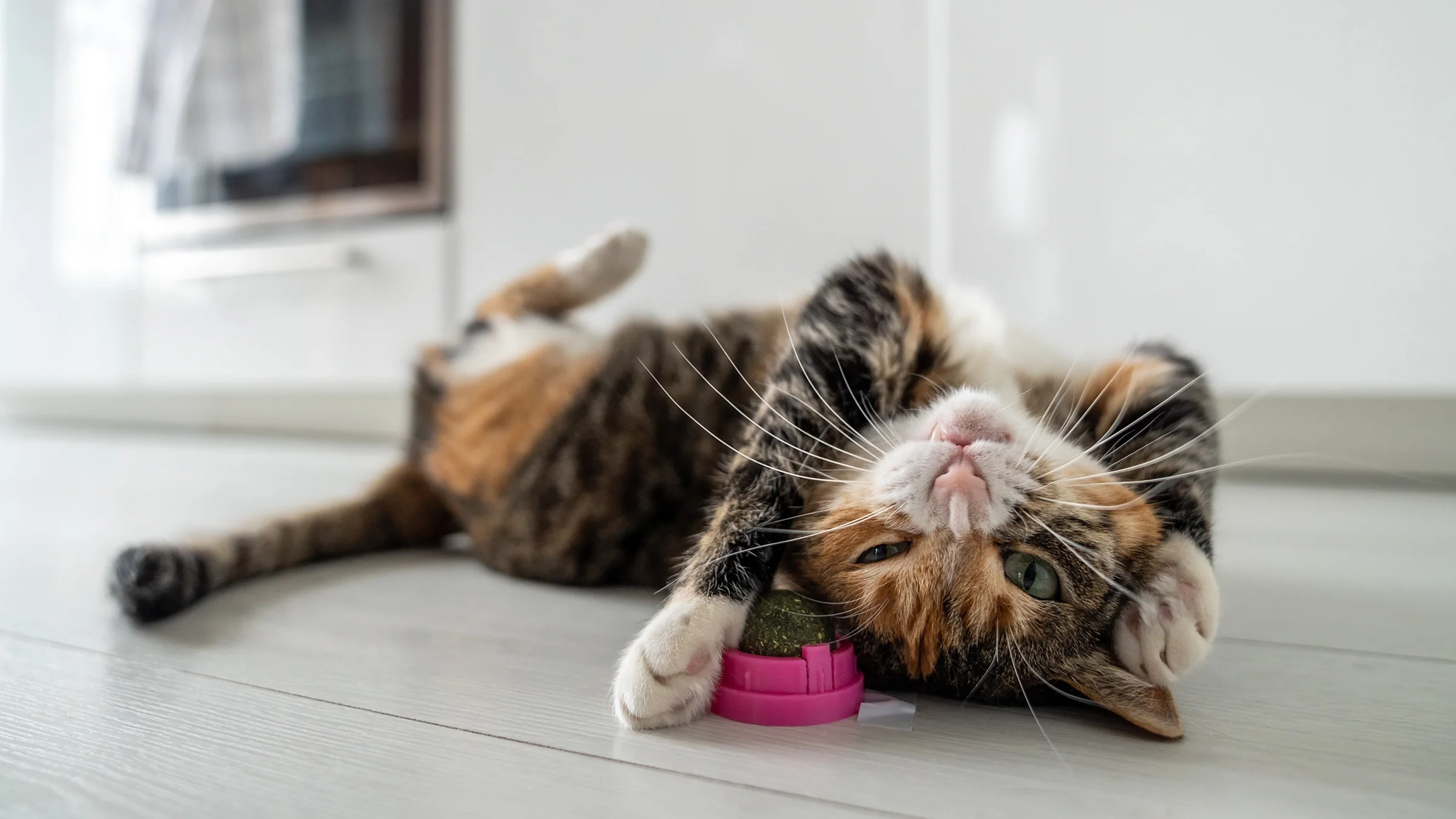
- Roll on the floor
- Chase imaginary prey
- Rub their face on objects
- Purr or meow loudly
- Become calm and relaxed
Not all cats react the same way. Some may show no interest at all.
Age-related Sensitivity
Kittens under 3 months usually do not respond to catnip. Their brains are not mature enough to react. Sensitivity develops between 3 and 6 months of age. Most adult cats respond by 6 months. Genetics also plays a role; some cats never respond.
When To Introduce Catnip
Knowing when to introduce catnip to a kitten is important for their health and enjoyment. Catnip can excite or calm cats, but kittens need to be old enough to handle it safely. Introducing catnip too early might not have any effect or could upset your kitten’s system.
Understanding the right time and signs of readiness helps make catnip a fun, safe experience. Using gentle, proper methods ensures your kitten enjoys catnip without any risks.
Recommended Age
Kittens usually respond to catnip after they are about 3 to 6 months old. Their senses and nervous system develop enough by this age to react to the herb. Introducing catnip before 3 months often has no effect since young kittens are not yet sensitive to it.
Wait until your kitten is at least 3 months old to try catnip. Most kittens show the strongest reaction around 4 to 6 months.
Signs Your Kitten Is Ready
- Your kitten shows curiosity about new toys and smells.
- They play actively and explore their environment.
- Your kitten is eating solid food and has steady energy.
- They react to other mild scents without stress.
Watch for playful behavior and interest in new smells as good signs your kitten is ready for catnip.
Safe Introduction Methods
- Start with a small amount of dried catnip or a catnip toy.
- Let your kitten sniff the catnip first, without forcing it.
- Observe your kitten’s reaction for any signs of stress or discomfort.
- Use catnip in short sessions to prevent overstimulation.
- Offer fresh water after play to keep your kitten hydrated.
Introducing catnip gently helps your kitten enjoy it safely and happily.

Credit: www.whiskas.com.ph
Potential Risks For Kittens
Kittens are delicate and need special care. Introducing catnip too early or in large amounts might cause problems. Understanding the risks helps keep your kitten safe and happy.
Overexposure Concerns
Too much catnip can make kittens feel sick. They might vomit, have diarrhea, or become very hyperactive. Their small bodies cannot handle strong effects well. Limit catnip to short play sessions and watch for signs of discomfort.
Allergic Reactions
Some kittens may be allergic to catnip. Symptoms include sneezing, itching, or skin redness. Allergies can cause breathing problems in rare cases. Stop using catnip if your kitten shows any unusual signs.
Interactions With Medications
Catnip may affect how some medicines work. It can interfere with sedatives or other treatments. Always check with your vet before giving catnip to a kitten on medication. Safety first to avoid unwanted side effects.
Alternatives To Catnip
Not all kittens react to catnip, and some are sensitive to it only after a certain age. If your kitten isn’t ready for catnip, there are other ways to keep them entertained and stimulated. These alternatives can provide fun and enrichment while being gentle on your young pet.
Silvervine And Valerian
Silvervine and valerian root are natural options that often work when catnip doesn’t. Silvervine has a similar effect but can be more potent for some cats, including younger ones. Valerian root offers a calming yet stimulating experience, making it a good choice for kittens that need gentle excitement.
Try giving your kitten a small amount of silvervine powder or a toy infused with valerian. Observe how they respond and adjust accordingly. Have you noticed your kitten reacting differently to these plants compared to catnip?
Toys And Playtime
Physical toys can be just as engaging as herbs. Wand toys, laser pointers, and balls encourage your kitten to move and explore. These activities help build coordination and strengthen your bond.
Rotate toys regularly to maintain interest. Spend focused time each day playing with your kitten, offering praise and affection. What toys does your kitten chase with the most enthusiasm?
Natural Stimulation
Kittens thrive on curiosity and discovery. Simple changes in their environment can spark excitement. Try hiding treats around the house or setting up safe climbing spots.
Window perches offer visual entertainment as your kitten watches birds and people outside. These natural stimuli keep your kitten alert and mentally active without the need for catnip. How could you add more natural stimulation to your kitten’s daily routine?

Credit: www.animalhumanesociety.org
Tips For Catnip Use
Catnip can be a fun treat for kittens once they are old enough. Using it the right way helps keep your kitten safe and happy. Here are some helpful tips for using catnip with your young cat.
Moderation Is Key
Too much catnip can upset your kitten’s stomach. Offer small amounts at first. Let your kitten enjoy it for a few minutes. Stop if they seem restless or overly excited. Use catnip only a few times each week to keep it special.
Monitoring Reactions
Watch your kitten closely after giving catnip. Some cats love it and act playful or relaxed. Others may not respond at all. If your kitten shows signs of stress or aggression, stop using catnip. Every kitten reacts differently. Pay attention to their behavior to keep things safe.
Storage And Freshness
Keep catnip in a cool, dry place. Store it in an airtight container to keep it fresh. Old or stale catnip loses its effect. Fresh catnip smells strong and looks green. Check the expiration date on packaged catnip. Freshness matters for the best kitten experience.

Credit: www.rover.com
Frequently Asked Questions
How Old Should A Kitten Be To Try Catnip?
Kittens should be at least 3 to 4 months old before trying catnip. Younger kittens usually don’t react to catnip due to immature receptors. Waiting ensures a safe and enjoyable experience for your kitten.
Why Don't Kittens Respond To Catnip Under Three Months?
Kittens under three months lack sensitivity to catnip because their olfactory receptors are not fully developed. This means they won't show typical reactions. Sensitivity usually begins to appear around 3 to 4 months.
Is Catnip Safe For Young Kittens?
Catnip is generally safe for kittens older than three months. However, it’s best to introduce it in small amounts. Avoid giving catnip to very young kittens to prevent overstimulation or digestive issues.
How Often Can A Kitten Have Catnip?
Kittens can have catnip occasionally, about once or twice a week. Frequent exposure can reduce their sensitivity to catnip. Moderation helps keep the experience fun and stimulating.
Conclusion
Kittens should be at least three to six months old for catnip. Their nervous systems need time to develop first. Introducing catnip too early might cause no reaction. Most cats begin to respond around six months. Always watch your kitten’s behavior with catnip.
Use small amounts to keep it safe and fun. Catnip can be a nice treat and playtime booster. Patience helps ensure your kitten enjoys catnip healthily. Keep learning about your kitten’s needs and preferences. Enjoy the fun moments catnip can bring later on.