
Is your furry friend scratching more than usual? It might be time to consider a flea bath.
But how often should you give your dog this treatment? Striking the right balance is crucial. Too often, and you might irritate your dog's skin. Too seldom, and those pesky fleas might take over. Understanding the needs of your pet ensures their comfort and health, and keeps your household pest-free.
We’ll explore the ideal frequency for flea baths, helping you maintain a happy, itch-free companion. Ready to discover the secret to a flea-free life for your dog? Keep reading to find out more.

Credit: www.primpedpooches.com
Signs Your Dog Needs A Flea Bath
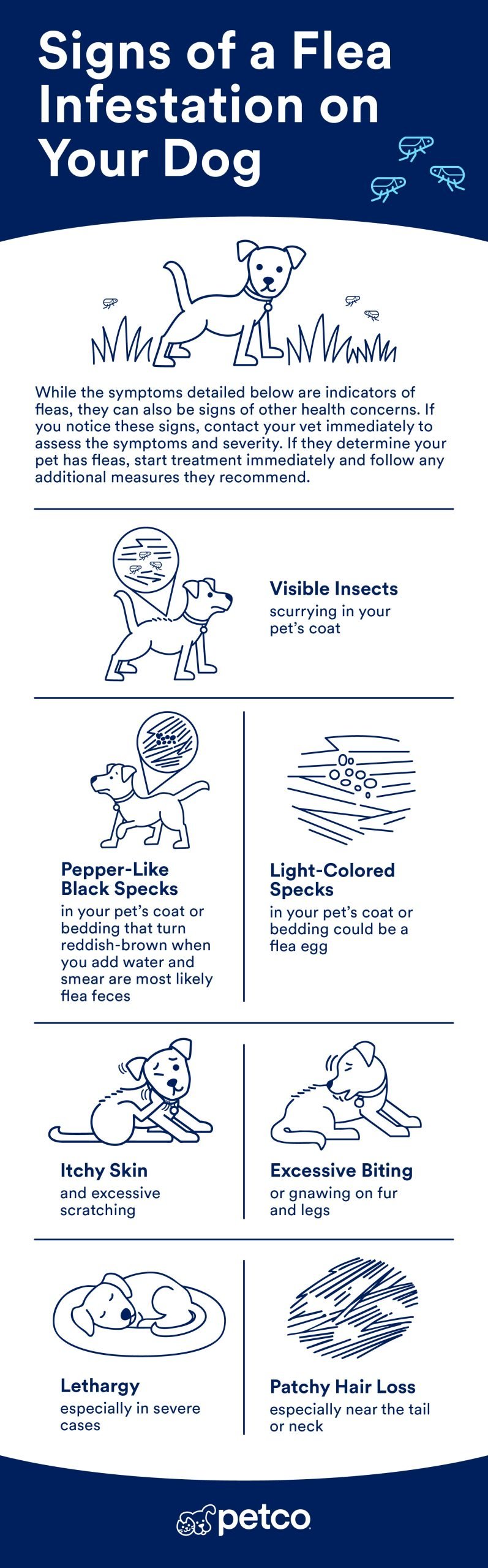
Knowing the signs your dog needs a flea bath helps keep them healthy and comfortable. Fleas cause irritation and discomfort. Early detection prevents serious skin problems and infections.
Common Flea Symptoms
- Frequent scratching and biting
- Visible fleas or flea dirt on fur
- Hair loss in patches
- Red or inflamed skin
These symptoms show fleas are present and active. Flea dirt looks like tiny black specks on the coat.
Behavioral Changes
- Restlessness or agitation
- Excessive licking
- Difficulty sleeping
Dogs with fleas often act uncomfortable. Their usual calm behavior may change due to itching and irritation.
Skin Irritations
- Red bumps or sores
- Scabs or crusty patches
- Swelling or inflammation
Fleas cause skin reactions that worsen over time. These irritations need prompt attention to avoid infection.
Factors Affecting Flea Bath Frequency
Deciding how often to give your dog a flea bath depends on several key factors. These factors help determine the best routine to keep your dog comfortable and flea-free. Understanding these can protect your dog’s skin and health while effectively controlling fleas.
Dog's Lifestyle And Environment
Dogs that spend a lot of time outdoors are more likely to encounter fleas. Parks, woods, and grassy areas increase flea exposure. Indoor dogs or those in flea-free environments may need fewer baths. Regular flea checks can help identify the need for a bath. Puppies and older dogs might need gentler care.
Seasonal Considerations
Fleas thrive in warm and humid weather, making spring and summer peak seasons. Bathing may be more frequent during these months to prevent infestations. In colder months, flea activity drops, reducing the need for baths. Local climate also plays a role—warmer regions require year-round attention.
Breed And Coat Type
Coat length affects how fleas attach and hide. Long-haired breeds often need more frequent baths to remove fleas and debris. Short-haired dogs might require fewer baths but still need regular checks. Some breeds have sensitive skin, needing special shampoos and less frequent washing. Always consider your dog’s coat and skin needs when planning flea baths.
Safe Flea Bathing Practices
Giving your dog a flea bath can be an effective way to control pesky parasites, but it's important to do it safely. Using the wrong products or techniques can harm your dog’s skin or health. Understanding safe flea bathing practices ensures your dog stays comfortable and protected.
Choosing The Right Shampoo
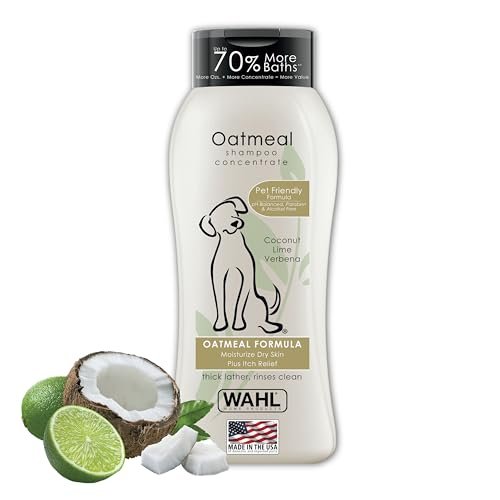
Not all flea shampoos are created equal. Look for products specifically designed for dogs and labeled as safe for their skin. Avoid using harsh chemicals or human shampoos, which can irritate your dog’s skin and worsen flea problems.
Natural ingredients like neem oil or aloe vera can soothe your dog’s skin while killing fleas. Always check the label for age and breed restrictions. If your dog has sensitive skin or allergies, consult your vet before selecting a shampoo.
Bathing Techniques
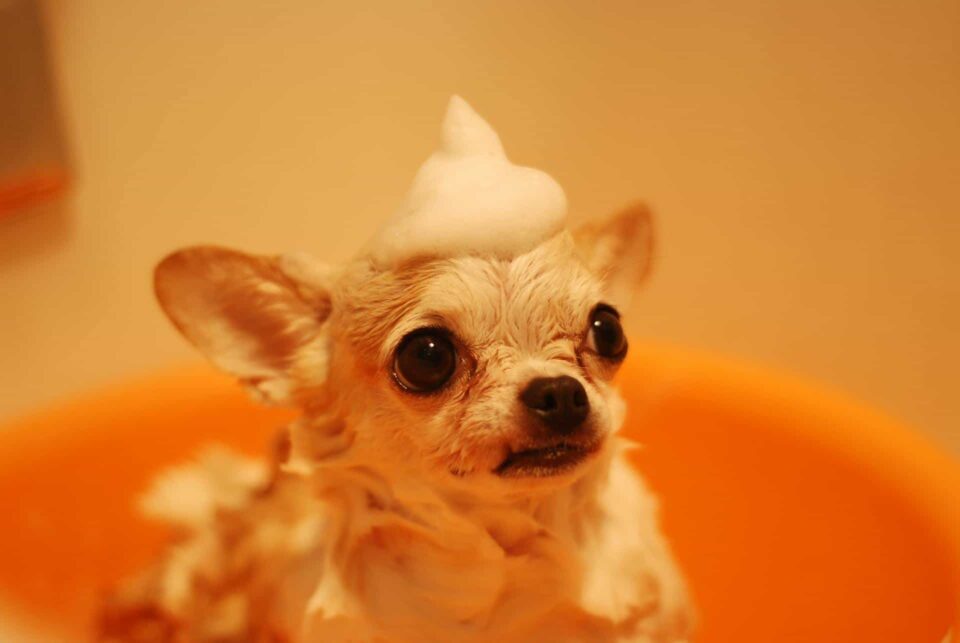
Start by brushing your dog to remove loose fur and dirt. Use lukewarm water to wet your dog thoroughly, avoiding the eyes and ears. Apply the shampoo generously, working it into a lather and focusing on areas where fleas hide, such as behind the ears and around the neck.
Let the shampoo sit for the time recommended on the label—usually 5 to 10 minutes. Rinse thoroughly to prevent residue that could irritate your dog’s skin. Dry your dog gently with a towel, and keep them warm to avoid chills.
Post-bath Care
After the bath, check your dog carefully for any remaining fleas or eggs. Use a flea comb to catch any stragglers and dispose of them immediately. Monitor your dog’s skin for signs of irritation or allergic reactions in the hours following the bath.
Keep your home clean by washing your dog’s bedding and vacuuming carpets. Fleas can hide in your living space, so treating your environment is just as important. Have you noticed how regular post-bath care reduces flea problems more effectively than a bath alone?
Credit: gougoupets.com
Alternatives To Flea Baths
If you're wondering how to keep your dog flea-free without frequent flea baths, there are several effective alternatives. These options can be easier on your pet’s skin and more convenient for you. Understanding each one helps you choose the best fit for your dog's lifestyle and health needs.
Topical Treatments
Topical treatments are liquid medicines applied directly to your dog's skin, usually between the shoulder blades. They work by killing fleas quickly and preventing new infestations. Many pet owners find them easy to use and appreciate that they only need to be applied once a month.
One advantage is that topical treatments often protect against ticks and other parasites too. However, you should avoid bathing your dog for 48 hours after application to ensure the medicine stays effective. Have you checked if your dog's topical treatment is waterproof?
Oral Medications
Oral medications are chewable tablets that kill fleas from the inside out. They start working fast and typically protect your dog for a full month. These pills can be a great option if your dog hates baths or topical drops.
Many dogs enjoy the taste of flavored tablets, making administration easier. But remember, you should give these medications under veterinary guidance to avoid side effects and ensure the right dosage. Could this be the hassle-free flea control your dog needs?
Natural Remedies
Natural remedies appeal to pet owners seeking chemical-free flea control. Some popular options include apple cider vinegar sprays, diatomaceous earth powders, and essential oils like lavender or neem.
While these can help reduce fleas, they usually don’t offer the fast and complete protection that medications provide. Always research and test natural products carefully, as some can irritate your dog’s skin or be toxic if misused. What natural solution would you feel comfortable trying on your furry friend?
Preventing Flea Infestations
Preventing flea infestations is essential to keep your dog healthy and comfortable. Fleas not only cause itching and irritation but can also lead to serious health issues. Taking proactive steps can reduce the chances of your dog getting fleas in the first place.
Home Cleaning Tips
Fleas can hide in carpets, bedding, and furniture, so cleaning your home regularly is crucial. Vacuum your floors and upholstery often, focusing on areas where your dog spends time. Wash your dog’s bedding in hot water weekly to kill any flea eggs or larvae.
Don’t forget to empty the vacuum bag or canister immediately after cleaning to prevent fleas from escaping back into your home. You might be surprised how quickly these tiny pests can spread if you overlook this step.
Regular Grooming
Brushing your dog daily helps spot fleas early, before they become a bigger problem. Use a flea comb to check for flea dirt or live fleas, especially around the neck and tail areas. Bathing your dog with a flea shampoo can also reduce flea populations on your pet’s coat.
How often should you give your dog a flea bath? It depends on your dog’s lifestyle and flea exposure, but regular grooming sessions can help you decide when it’s time. Staying consistent with grooming creates a habit that makes flea control easier over time.
Outdoor Precautions
Your yard and outdoor spaces can be breeding grounds for fleas. Keep grass trimmed short and remove leaf litter where fleas like to hide. Consider creating a flea-safe zone by treating your yard with pet-friendly insecticides or natural repellents.
When you take your dog outside, check their fur afterward, especially if they’ve been in wooded or grassy areas. Do you know which outdoor spots near your home are most likely to harbor fleas? Paying attention to this can help you avoid high-risk areas.
Credit: gougoupets.com
Frequently Asked Questions
How Often Should I Give My Dog A Flea Bath?
Give your dog a flea bath every 7 to 14 days during flea season. This helps eliminate fleas effectively and prevents re-infestation. Consult your vet if flea problems persist or if your dog has sensitive skin.
Can Flea Baths Harm My Dog's Skin?
Flea baths can irritate sensitive skin if used too often or with harsh chemicals. Always follow product instructions and use vet-approved shampoos. If irritation occurs, stop the bath and consult your veterinarian immediately.
Are Flea Baths Enough To Control Fleas On Dogs?
Flea baths help kill fleas on contact but don’t prevent future infestations. Combine flea baths with flea preventatives like collars or oral treatments for complete control. Regular cleaning of your dog’s environment is also essential.
When Is The Best Time To Give A Flea Bath?
The best time to give a flea bath is when you spot fleas or signs of itching. Early treatment helps stop flea eggs from hatching and reduces discomfort. Avoid bathing too frequently to protect your dog’s skin.
Conclusion
Giving your dog a flea bath depends on their lifestyle and flea risk. Too often can dry their skin, so stick to the vet’s advice. Use gentle shampoos made for dogs to keep them safe. Regular checks help catch fleas early and stop infestations.
Combine flea baths with other treatments for best results. Keep your dog clean, comfortable, and flea-free with proper care. Small steps make a big difference in your pet’s health.