
How often should you give your dog a bath? It’s a question many dog owners wonder about.
Too many baths can dry out your dog’s skin, while too few might leave them smelly or itchy. Finding the right balance is key to keeping your furry friend healthy and happy. You’ll discover simple tips and expert advice to help you decide the perfect bathing routine for your dog.
Keep reading to learn how to make bath time better for both you and your pet.
Bathing Frequency Basics
Bathing your dog is an important part of pet care. It helps keep their coat clean and skin healthy. But how often should you give your dog a bath? The answer depends on several key factors. Understanding these can help you create the best bathing routine for your furry friend.
Factors Influencing Bathing Schedule
Different dogs need different bathing frequencies. Factors such as breed, coat type, and activity level affect this schedule.
- Breed:Some breeds have oily skin and need more frequent baths.
- Coat Type:Dogs with long or thick fur may require extra care and less frequent washing.
- Activity Level:Dogs that play outside often get dirtier faster and need baths more often.
- Skin Condition:Dogs with skin allergies or infections may need special bathing routines.
- Environment:Living in a dusty or muddy area can increase bath frequency.
Pay attention to your dog’s smell and coat condition. These signs help decide when a bath is needed.
Common Bathing Myths
Many people believe dogs should have baths weekly. This is not always true. Over-bathing can dry out your dog’s skin.
Another myth is that all dogs need the same bathing schedule. Each dog is unique and needs a different routine.
Some think using human shampoo is okay. Human shampoo can irritate a dog’s skin. Always use dog-specific shampoo.
Lastly, many believe a bath stops dog odor completely. Regular brushing and hygiene also play important roles.
Credit: www.diamondpet.com
Breed And Coat Considerations
Bathing your dog depends greatly on its breed and coat type. Each coat has unique needs that affect how often baths should happen. Understanding these differences helps keep your dog clean and healthy without drying out their skin or coat.
Short-haired Dogs
Short-haired dogs usually have less oily skin. They do not trap dirt easily. Bathing once every month or two is often enough. Overbathing can remove natural oils, causing dry skin. Regular brushing helps remove loose hair and dirt.
Long-haired Dogs
Long-haired dogs need more frequent baths than short-haired breeds. Their coats can collect dirt and debris easily. Bathing every 3 to 4 weeks helps keep their fur clean. Regular brushing prevents mats and tangles that can cause skin problems.
Double-coated Breeds
Double-coated dogs have a thick undercoat and a top coat. They shed heavily, especially during certain seasons. Bathing every 6 to 8 weeks works well for most. Too much bathing can damage their natural water-resistant coat. Brushing during shedding seasons is important to remove dead hair.
Hairless Breeds
Hairless dogs need baths more often than coated breeds. Their exposed skin can get oily and dirty quickly. Bathing every 1 to 2 weeks keeps their skin healthy. Use gentle, moisturizing shampoos to avoid irritation. Applying sunscreen is helpful when they spend time outside.
Age And Health Factors
Bathing a dog depends a lot on its age and health. These factors affect how often a dog needs a bath. Younger dogs, older dogs, and those with skin problems all have different needs. Understanding these differences helps keep your dog clean and healthy without causing harm.
Puppies Vs Adult Dogs
Puppies have delicate skin. They do not need frequent baths. Bathing too much can dry their skin and cause irritation. Usually, a bath every 3 to 4 weeks is enough for puppies. Use gentle puppy shampoo made for sensitive skin.
Adult dogs can handle baths more often. Their skin is tougher and less sensitive. Most adult dogs benefit from a bath every 4 to 6 weeks. This keeps their coat fresh and clean without stripping natural oils.
Senior Dogs
Senior dogs have thinner and drier skin. Frequent baths can cause discomfort or dryness. Bathing once every 6 to 8 weeks usually works well. Pay attention to their skin condition and adjust if needed. Use moisturizing shampoos to protect their skin barrier.
Older dogs may have less energy for baths. Gentle handling and warm water can make bath time easier. Consult your vet if your senior dog has special needs.
Skin Conditions And Allergies
Dogs with skin problems need special care. Bathing frequency depends on the condition. Some skin issues require medicated shampoos and more frequent baths. Others need less washing to avoid irritation.
Allergic dogs may need baths to remove allergens from their fur. Your vet can recommend the best shampoo and schedule. Watch for signs of itching or redness after baths. Adjust the frequency to keep your dog comfortable.
Credit: www.airtasker.com
Lifestyle Impact On Bathing
Your dog’s lifestyle plays a huge role in deciding how often they need a bath. Different daily activities and environments affect how quickly their coat gets dirty or smelly. Understanding these factors helps you keep your dog clean without overbathing, which can dry out their skin.
Indoor Vs Outdoor Dogs
Indoor dogs usually stay cleaner longer because they spend most of their time in controlled environments. Their exposure to dirt, dust, and outdoor elements is limited, so you might only need to bathe them once every few weeks.
Outdoor dogs, on the other hand, experience more dirt, mud, and plant debris. If your dog loves to roam in the yard or park, you may find yourself bathing them more often to keep their coat fresh and free of irritants.
Active And Working Dogs
Dogs that are active or have jobs—like herding, hunting, or agility training—often get dirty faster. They sweat, roll in grass, or encounter smells that indoor pets rarely face.
My friend’s border collie, a real workaholic, needs a bath almost every week after herding sheep. But if your dog’s activity level is lower, you might not need to bathe them as frequently.
Exposure To Dirt And Allergens
Think about where your dog spends most of their time. If they walk through dusty trails, swim in lakes, or have seasonal allergies, their coat will collect more dirt and allergens.
Bathing can help remove pollen, dust mites, and other irritants from their fur, reducing itching and discomfort. How often you wash your dog depends on how much these factors affect their skin and coat health.
Choosing The Right Shampoo
Choosing the right shampoo for your dog is more important than many pet owners realize. The shampoo you pick affects your dog’s skin health, coat shine, and overall comfort during bath time. Selecting a product tailored to your dog’s specific needs helps avoid irritation and keeps their fur looking its best.
Ingredients To Avoid
Many shampoos contain harsh chemicals that can dry out or irritate your dog’s skin. Avoid shampoos with sulfates, parabens, and artificial fragrances. These ingredients can cause itching, redness, or even allergic reactions.
Look for shampoos that list natural ingredients first, like oatmeal or aloe vera. If you’ve noticed your dog scratching more after baths, the shampoo might be the culprit. Have you checked the label lately?
Hypoallergenic Options
If your dog has sensitive skin, hypoallergenic shampoos are a safer choice. These shampoos minimize the risk of allergic reactions by excluding common irritants. They often use gentle, soothing ingredients that calm redness and dryness.
My dog once had an allergic reaction that made bath time stressful for both of us. Switching to a hypoallergenic formula made a huge difference. If your dog shakes off water furiously or tries to escape during baths, consider trying one.
Medicated Shampoos
Medicated shampoos serve specific purposes, such as treating infections, parasites, or severe skin conditions. These require a vet’s recommendation because misuse can worsen problems. If your dog has persistent itching or flaky skin, ask your vet about a medicated shampoo.
Using the right medicated shampoo can bring relief and speed healing. However, you must follow instructions carefully and not bathe your dog too often with these products. Have you noticed your dog scratching or licking certain spots frequently? That might be a sign to consult your vet.
Bathing Techniques And Tips
Bathing your dog is more than just getting them clean. It’s about making the experience comfortable and stress-free for both of you. Paying attention to simple techniques can change how your dog feels about bath time and improve their skin and coat health.
Preparing Your Dog
Before bath time, brush your dog’s coat to remove loose hair and mats. This helps the shampoo reach their skin better and prevents tangles from worsening when wet. Also, gather all your supplies—shampoo, towels, and a cup for rinsing—to keep the process smooth and quick.
Try to calm your dog with gentle petting or treats. Have you noticed how a relaxed dog makes bathing easier? Taking a few moments to prepare mentally can save you from a chaotic bath session.
Proper Water Temperature
Water that is too hot or too cold can make your dog uncomfortable and resistant to baths. Aim for lukewarm water—comfortably warm to your wrist but not hot. This temperature helps open pores for a deeper clean without irritating sensitive skin.
Test the water on your inner wrist before wetting your dog. If it feels good to you, it’s likely good for your pet. Adjusting water temperature is an easy trick that often gets overlooked but makes a big difference.
Drying Methods
After rinsing, use a soft towel to blot your dog dry instead of rubbing vigorously. Rubbing can cause tangles and irritate the skin. If your dog tolerates it, a blow dryer on a low, cool setting helps speed up drying and keeps your dog warm.
Consider your dog’s coat type when choosing drying methods. Thick or long-haired dogs may need extra time and care, while short-haired breeds often dry quickly with just a towel. What drying method has worked best for your dog’s comfort and coat health?
Signs Your Dog Needs A Bath
Knowing when to give your dog a bath can be tricky. Instead of sticking to a strict schedule, watch for clear signs your dog needs cleaning. Recognizing these signals helps keep your furry friend comfortable and healthy.
Odor Indicators
Have you noticed a strong, unpleasant smell coming from your dog? That’s a clear sign it’s time for a bath. Dogs can develop odors from natural oils, dirt, or even skin infections.
Pay attention if the smell lingers even after a quick wipe-down. A bad odor not only bothers you but can also mean your dog’s skin needs care. Don’t ignore it—your dog’s nose and your nose will thank you.
Visible Dirt And Grease
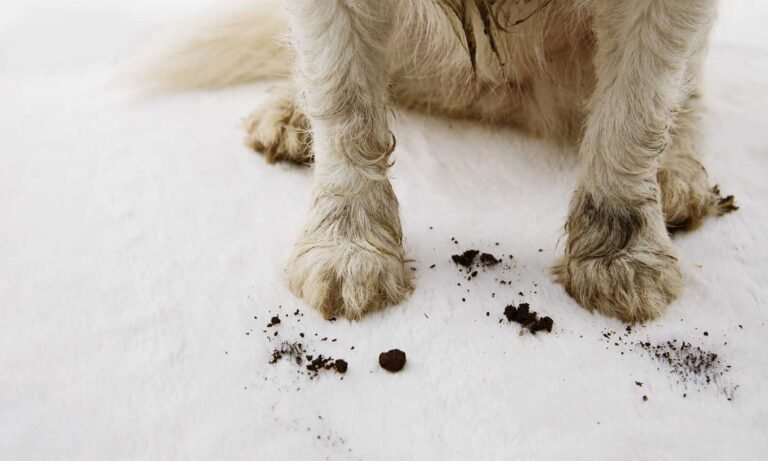
Is your dog looking dusty, muddy, or greasy? Visible dirt and grease on the coat show it’s bath time. Sometimes the dirt hides in thick fur, so run your hands through your dog’s coat to check.
Sticky patches or matted fur usually mean your dog needs a wash. This is especially true if your dog loves outdoor adventures or rolling in grass and leaves. Keeping your dog clean prevents skin problems and keeps their coat shiny.
Skin Irritation Signs
Look for redness, flakes, or bumps on your dog’s skin. These can signal irritation that a bath might help soothe. However, if you see open sores or your dog is scratching nonstop, a bath alone might not be enough.
Sometimes, a bath with a gentle, medicated shampoo is necessary to calm itchy skin. If the irritation persists, consult your vet to avoid worsening the problem. Your dog’s skin health is a good indicator of when a bath is needed.
Credit: precisiontoday.com
Alternatives To Frequent Bathing
Bathing a dog too often can dry out its skin and coat. There are gentle ways to keep your dog clean without full baths. These alternatives help maintain hygiene and comfort between baths.
Spot Cleaning
Spot cleaning targets dirty areas on your dog’s coat. Use a damp cloth or pet wipes to clean paws, face, or belly. This method removes dirt and odors without a full bath. Spot cleaning is quick and causes less stress for your dog.
Brushing And Grooming
Regular brushing removes loose hair and dirt from your dog’s coat. It spreads natural oils, keeping the fur shiny and healthy. Grooming also helps find skin problems early. Choose a brush suited for your dog’s fur type. Brushing daily or several times a week reduces the need for frequent baths.
Dry Shampoo Use
Dry shampoos are powder or foam products made for dogs. They absorb oils and freshen the coat without water. Apply the dry shampoo, then brush out the residue. This method is useful for dogs that dislike water. Always pick dry shampoos made for pets to avoid irritation.
Frequently Asked Questions
How Often Should I Bathe My Dog For Healthy Skin?
Bathing your dog every 4 to 6 weeks keeps their skin healthy. Overbathing can dry out their skin and coat. Adjust frequency based on activity, breed, and skin condition. Consult a vet if your dog has skin issues for tailored advice.
Can Frequent Baths Harm My Dog’s Coat?
Yes, frequent baths strip natural oils, causing dryness and irritation. Dogs need their coat's natural oils for protection and moisture. Limit baths to avoid damage. Use dog-specific shampoos and moisturizers to maintain a healthy coat and skin balance.
What Factors Affect How Often To Bathe A Dog?
Breed, activity level, skin health, and environment affect bath frequency. Active or outdoor dogs may need more frequent baths. Dogs with sensitive skin or allergies may require specialized care. Always observe your dog’s skin condition and adjust bathing accordingly.
Is It Necessary To Use Special Dog Shampoo?
Yes, dog shampoos are formulated to maintain pH balance and skin health. Human shampoos can cause irritation and dryness in dogs. Choose shampoos designed for your dog’s coat type and skin sensitivity. Always rinse thoroughly to avoid residue buildup.
Conclusion
Bathing your dog too often can cause skin problems. Aim for once a month, unless they get really dirty. Different breeds have different needs. Short-haired dogs need fewer baths. Long-haired dogs need more care. Always use dog shampoo. Human shampoo can harm their skin.
Watch for changes in their coat or skin. This can guide your bath schedule. Regular brushing helps keep them clean too. A clean dog is a happy dog. Keep their health and comfort in mind. Enjoy the bonding time during bath time.
Your furry friend will thank you!