Caring for your senior dog means paying close attention to their needs—especially when it comes to feeding. You might wonder, how often should you feed a senior dog to keep them healthy and happy?
Getting this right can improve their energy, digestion, and overall well-being. You’ll discover simple tips and expert advice to make sure your furry friend enjoys every meal while staying fit in their golden years. Keep reading to learn the best feeding schedule tailored just for your senior companion.
Feeding Needs Of Senior Dogs
Senior dogs have different feeding needs than younger dogs. Their bodies change as they age. These changes affect how much and how often they should eat. Understanding these needs helps keep senior dogs healthy and happy.
Feeding senior dogs properly supports their energy, weight, and overall health. It also helps manage common age-related health problems.
Changes In Metabolism
Older dogs have slower metabolism. They burn calories more slowly. This means they need fewer calories to maintain weight. Overfeeding can lead to obesity. Too little food can cause weakness and weight loss.
Because their metabolism changes, meal portions and frequency may need adjustment. Smaller, more frequent meals can help with digestion.
Nutritional Requirements
Senior dogs need balanced nutrition. Their diets should have high-quality protein to support muscle. Fiber helps with digestion and weight control. Healthy fats support skin and coat health.
Vitamins and minerals are important too. They support the immune system and bone health. Avoid too many calories from fat and carbohydrates.
Common Health Concerns
Many senior dogs face health issues affecting feeding. Dental problems can make chewing hard. Arthritis might slow them down and lower appetite. Kidney or liver problems need special diets.
Weight management is key. Overweight dogs risk diabetes and joint problems. Underweight dogs may lack energy and nutrients. Watch for changes in eating habits and consult a vet.

Credit: www.purina.com
Signs Your Senior Dog Needs A Feeding Adjustment
As your dog ages, their dietary needs can change in subtle ways. Paying attention to signs that suggest your senior dog needs a feeding adjustment is crucial for their health and happiness. These signs often appear in everyday behaviors and physical changes that you might easily overlook.
Weight Fluctuations
Notice if your dog is suddenly gaining or losing weight without changes in activity level. Unexplained weight loss might mean they aren’t getting enough nutrients, while weight gain could indicate overeating or reduced metabolism.
Tracking your dog’s weight regularly can help you catch these changes early. Have you weighed your dog recently and compared it to previous records?
Energy Levels
Senior dogs often slow down, but a sharp drop in energy might signal a need to adjust their food intake or type. If your dog seems unusually tired or less playful, it could be time to rethink their feeding schedule or diet quality.
On the flip side, if your dog suddenly becomes restless or hyperactive, consider whether their current diet is too rich or unbalanced. How does your dog’s energy today compare to a few months ago?
Digestive Issues
Changes in digestion, such as diarrhea, constipation, or excessive gas, are clear signals that your dog’s feeding plan needs review. Senior dogs often develop sensitivities to certain ingredients or require more fiber and moisture.
Keep a food diary to link specific meals with digestive reactions. Have you noticed any new digestive symptoms after switching foods or treats?
Recommended Feeding Frequencies
Knowing the right feeding frequency for your senior dog is key to keeping them healthy and comfortable. As dogs age, their metabolism slows down, and their nutritional needs change. Adjusting how often you feed your senior dog can help manage weight, digestion, and energy levels effectively.
Daily Feeding Schedules
Most senior dogs do well with two meals a day—one in the morning and one in the evening. This schedule helps maintain stable blood sugar levels and prevents overeating. If your dog has specific health issues, like diabetes or kidney problems, your vet might suggest more frequent, smaller meals.
Have you noticed if your dog seems hungry between meals? If so, splitting their daily food into three smaller meals might work better. Watch their energy and weight to see what schedule fits them best.
Meal Portion Sizes
Portion size matters just as much as how often you feed your dog. Older dogs usually need fewer calories because they are less active. Overfeeding can lead to obesity, which causes joint and heart problems.
Use your dog’s weight and activity level as a guide. For example, a 12-year-old Labrador who enjoys short walks might need smaller portions than a more active senior dog. Measuring your dog’s food with a cup or a scale can prevent accidental overfeeding.
Treats And Snacks
It’s tempting to spoil your senior dog with treats, but too many can upset their diet balance. Treats should make up no more than 10% of their daily calorie intake. Choose healthy options like small pieces of cooked chicken, carrots, or specially formulated senior dog treats.
Consider using treats to encourage movement or training rather than just as snacks. This adds mental and physical stimulation, which is important for older dogs. What creative ways do you use treats to keep your senior dog engaged?

Credit: www.chewy.com
Choosing The Right Senior Dog Food
Choosing the right food for senior dogs affects their health and happiness. Older dogs have different needs than younger ones. Their bodies digest food slower and require specific nutrients. Proper food supports joints, brain health, and energy levels.
Feeding the right diet helps manage weight and prevent illnesses. Quality ingredients make a big difference. Avoid foods that can harm sensitive stomachs or worsen health problems. Tailoring diets to existing conditions keeps senior dogs comfortable and active.
Ingredients To Look For
- High-quality protein for muscle maintenance
- Omega-3 fatty acids to support brain and joint health
- Fiber to aid digestion and prevent constipation
- Antioxidants for a strong immune system
- Vitamins and minerals to support overall wellness
Avoiding Harmful Additives
- Artificial colors and flavors that can cause allergies
- Preservatives like BHA, BHT, and ethoxyquin
- Excess salt or sugar that may harm kidneys or weight
- Fillers such as corn, wheat, and soy with low nutrition
Special Diets For Health Conditions
- Low-fat diets for dogs with pancreatitis or obesity
- Prescription diets for kidney or liver disease
- Hypoallergenic food for dogs with allergies or sensitivities
- Joint support formulas with glucosamine and chondroitin
Tips For Feeding Senior Dogs
Feeding senior dogs requires special care to keep them healthy and happy. Their nutritional needs change as they age. Proper feeding helps maintain their energy and weight. Here are some important tips to guide you in feeding your senior dog well.
Maintaining Consistency
Senior dogs thrive on routine. Feed your dog at the same times every day. Use a consistent amount of food to avoid overeating or hunger. This helps their digestion and reduces stress. Avoid sudden changes in diet or feeding schedule.
Monitoring Eating Habits
Watch your dog’s eating behavior closely. Note if they eat less or more than usual. Check for signs of discomfort or difficulty chewing. Monitor weight regularly to spot any changes. Early detection of problems can prevent serious health issues.
Consulting Your Veterinarian
Regular vet visits are crucial for senior dogs. Discuss your dog’s diet and feeding frequency with your vet. Follow their advice on special diets or supplements. Adjust feeding plans based on health conditions like kidney or heart problems. Your vet can tailor advice to your dog’s needs.
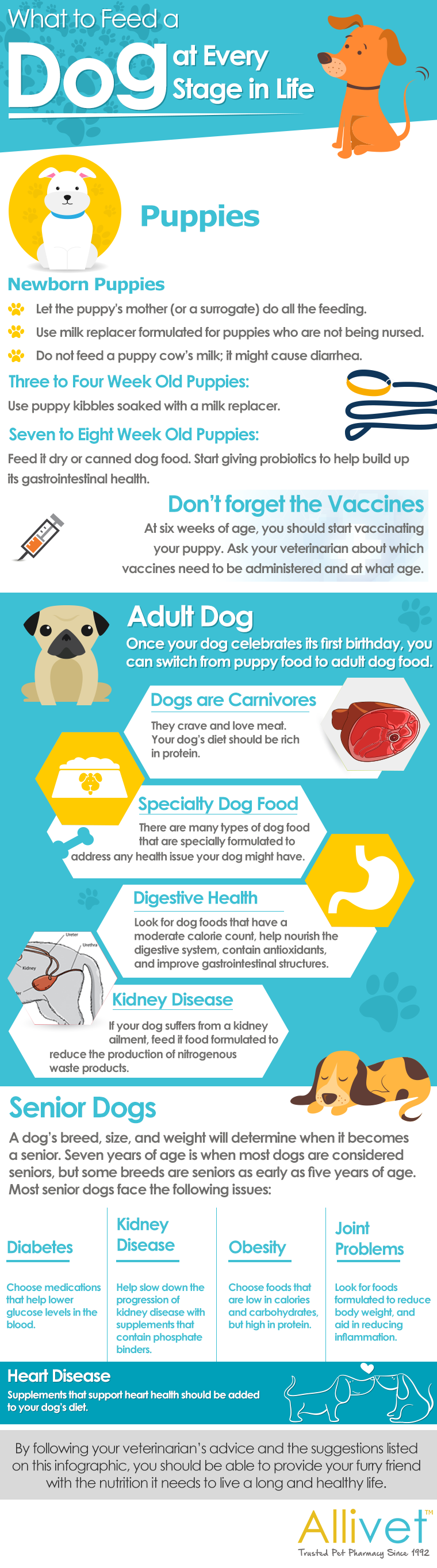
Credit: www.allivet.com
Frequently Asked Questions
How Often Should I Feed My Senior Dog Daily?
Senior dogs typically require two meals per day. Feeding twice helps maintain energy and supports digestion. Avoid free-feeding to prevent overeating. Consult your vet for specific needs based on health and activity levels.
Can Feeding Frequency Affect My Senior Dog's Health?
Yes, proper feeding frequency helps regulate weight and digestion. Regular meals prevent spikes in blood sugar. It also reduces risk of obesity and digestive issues common in older dogs.
Should I Adjust Feeding Times For A Senior Dog?
Feeding times can be adjusted to fit your dog's routine. Consistency is key to avoid digestive upset. Splitting meals evenly throughout the day benefits metabolism and energy stability.
What Type Of Food Is Best For Senior Dogs?
Senior dogs need nutrient-rich, low-calorie food with high protein. Look for formulas that support joint health and digestion. Always choose age-appropriate dog food to meet their changing needs.
Conclusion
Feeding a senior dog requires attention and care. A balanced diet keeps them healthy. Small, frequent meals work best. Monitor their weight and adjust portions as needed. Keep water available at all times. Consult a vet for personalized advice. Older dogs have different needs than younger ones.
Watch for any changes in appetite or behavior. This helps catch health issues early. Love and consistency make a big difference. Your senior dog will appreciate it. They deserve the best care in their golden years. Happy feeding!