You love watching hummingbirds flutter around your garden, their vibrant colors and quick movements bringing joy to your day. But to keep these delightful creatures coming back, you need to ensure their feeders are in top-notch condition.
One crucial aspect that often gets overlooked is how often you should change the water in your hummingbird feeder. This simple task can make a significant difference in attracting and maintaining these little visitors. You'll uncover the secrets to keeping your hummingbird feeder fresh and inviting.
By following these tips, you'll not only enhance your garden's appeal but also contribute to the health and happiness of your feathered friends. Keep reading to discover how a small effort on your part can lead to a vibrant, hummingbird-friendly environment right in your backyard!

Credit: www.reddit.com
Why Fresh Water Matters
Fresh water in hummingbird feeders is essential for the birds' survival and well-being. Clean water attracts hummingbirds and encourages them to visit your feeder often. Dirty or old water can harm the birds and reduce feeder visits. Keeping the water fresh protects hummingbirds from illness and keeps your garden lively.
Impact On Hummingbird Health
Hummingbirds need clean water to stay healthy. Stale water can grow harmful germs that cause sickness. These tiny birds have delicate immune systems, so bad water can make them very sick quickly. Fresh water helps hummingbirds get the nutrients they need and supports their energy for flying and feeding.
Preventing Mold And Bacteria
Mold and bacteria grow fast in warm, sugary water. This can block feeder holes and poison the water. Dirty feeders attract insects and other pests that harm hummingbirds. Changing the water often stops mold and bacteria growth. Clean feeders keep hummingbirds safe and encourage more visits.
Recommended Water Change Frequency
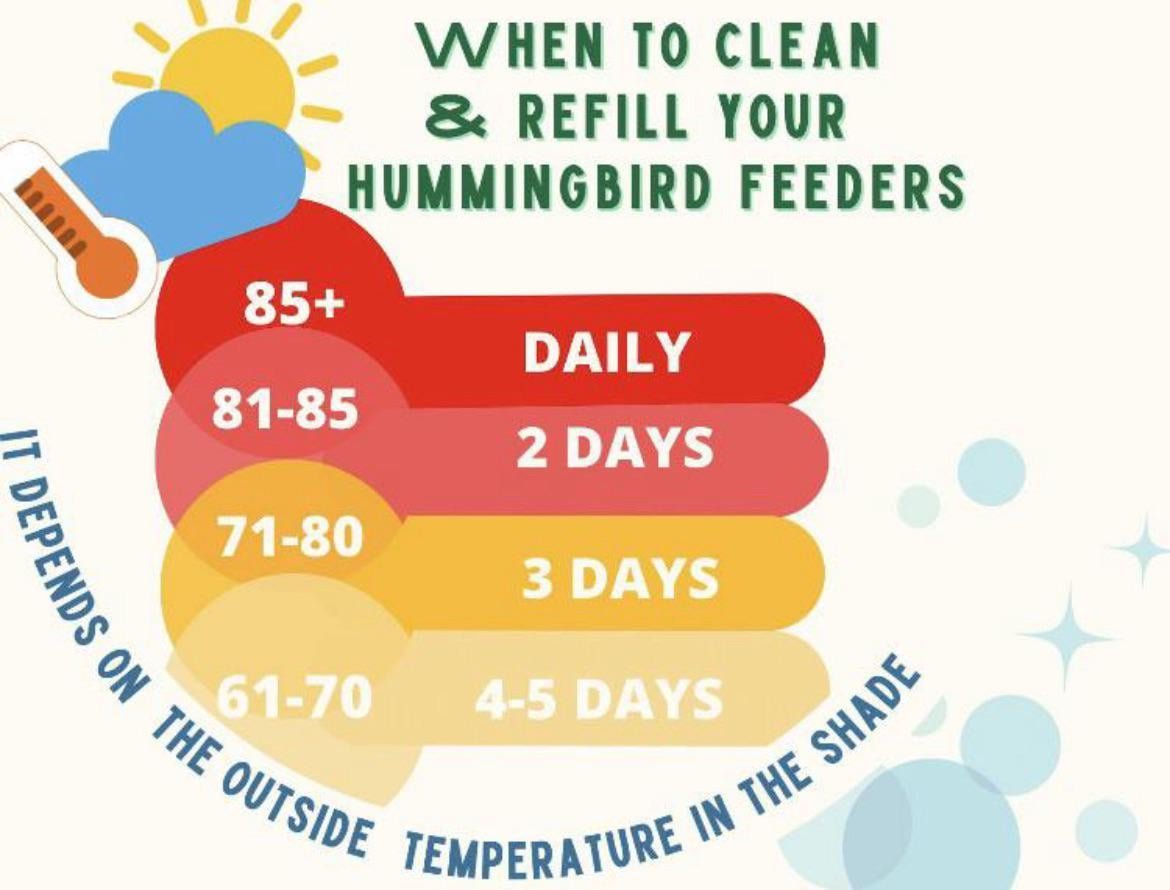
Changing the water in your hummingbird feeder is crucial for the birds' health. Clean water helps prevent mold and bacteria growth. The frequency of water changes depends on the weather and temperature. Below are the recommended intervals to keep your feeder fresh and safe.
Daily Changes In Hot Weather
Hot weather causes nectar to spoil quickly. Sugar water can ferment and attract harmful bacteria. Change the water every day to keep it fresh. This prevents sickness in hummingbirds. Also, clean the feeder thoroughly each time you refill it.
Every Two To Three Days In Cooler Weather
Cooler temperatures slow down nectar spoilage. Change the water every two to three days in mild weather. This schedule keeps the nectar fresh and tasty. Always check for mold or debris before refilling. Clean the feeder regularly to avoid any buildup.
Signs You Need To Change The Water
Knowing when to change hummingbird feeder water is key to keep birds healthy. Fresh water attracts hummingbirds and stops harmful bacteria growth. Watch for clear signs that show the water needs replacing. Acting quickly helps prevent illness and keeps feeders inviting.
Cloudy Or Fermented Water
Water should look clear and fresh. Cloudy water means bacteria or mold are growing. Fermented water smells sour or off. This happens fast, especially in warm weather. Change the water immediately if it looks or smells bad. Clean the feeder well before refilling.
Presence Of Ants Or Bees
Ants and bees often gather around feeders with old or sticky water. Their presence means the water is attracting insects. This can scare hummingbirds away. Remove the water and wash the feeder to keep it insect-free. Use ant guards or bee protectors to help prevent visits.

Credit: www.reddit.com
Cleaning Tips For Your Feeder
Cleaning your hummingbird feeder regularly keeps the nectar fresh and safe. Dirty feeders can grow mold and bacteria. These harmful elements can hurt hummingbirds. Proper cleaning also helps attract more birds by keeping the feeder inviting and fresh.
Safe Cleaning Solutions
Use mild, natural cleaners to protect birds. Avoid strong chemicals like bleach or ammonia. A simple mix of warm water and white vinegar works well. You can also use a few drops of unscented dish soap. Rinse thoroughly to remove any soap or vinegar taste.
Proper Cleaning Techniques
Disassemble the feeder completely before cleaning. Soak all parts in the cleaning solution for 10 to 15 minutes. Use a small brush or cloth to scrub inside the feeder and feeding ports. Pay special attention to corners and crevices. Rinse all parts with clean water until no residue remains. Let the feeder dry completely before refilling it with fresh nectar.
Making The Best Nectar
Making the best nectar is key to attracting hummingbirds and keeping them healthy. The right mixture mimics the natural sweetness of flower nectar. It encourages frequent visits and ensures your feeder stays clean longer.
Sugar-to-water Ratios
Use a simple ratio of 1 part white granulated sugar to 4 parts water. This balance is sweet enough to attract hummingbirds but not too concentrated to cause harm.
Boil the water first to dissolve sugar easily and kill any bacteria. Let the solution cool before filling your feeder to avoid damaging it.
Have you ever tried different ratios? You might notice that too much sugar thickens the nectar and leaves residue, making your feeder sticky and less appealing.
Avoiding Additives And Dyes
Skip honey, artificial sweeteners, or any additives—they can harm hummingbirds or promote mold growth. Stick to plain white sugar for a safe and natural nectar.
Red food coloring is unnecessary since most feeders already have red parts to attract birds. Adding dyes can introduce toxins and should be avoided.
Think about what you feed yourself—would you want additives in your water? Your hummingbirds deserve the same clean, simple nectar.
Location And Placement Effects
The location and placement of your hummingbird feeder can affect how often you need to change the water. Sunlight, shade, and nearby threats all impact the water's freshness. Choosing the right spot helps keep hummingbirds healthy and happy.
Shaded Vs. Sunny Spots
Sunlight warms the nectar quickly. Warm nectar spoils faster and grows mold or bacteria. This means you must change the water more often in sunny spots. Shaded areas keep the nectar cooler. Cooler nectar stays fresh longer. For feeders in direct sun, change the water every one to two days. In shade, you can wait two to three days.
Choosing Areas Away From Predators
Predators like cats and squirrels scare hummingbirds away. They may also damage the feeder. Place feeders where predators cannot reach easily. This reduces stress for hummingbirds and lowers contamination risk. A safe spot means less disturbance and cleaner water. Changing water less often is possible in protected areas.
Additional Tips For Hummingbird Care
Taking good care of hummingbirds goes beyond just changing their feeder water. It involves understanding their needs throughout the year and watching their behavior closely. These extra steps help keep hummingbirds healthy and happy in your yard.
Seasonal Adjustments
Hummingbird needs change with the seasons. In hot weather, change the feeder water every two days to prevent mold and fermentation. During cooler months, water can last longer but check it regularly for cleanliness. Remove feeders during cold freezes to avoid harming the birds. Offer fresh nectar more often in spring and summer when hummingbirds are most active.
Monitoring Hummingbird Activity
Watch how often hummingbirds visit your feeder. More visits mean you need to refill and clean the feeder more often. If visits slow down, check the nectar for spoilage or contamination. Keep an eye on feeder parts for dirt or bugs that might scare birds away. Adjust feeder placement if hummingbirds seem reluctant to come near.

Credit: www.reddit.com
Frequently Asked Questions
How Often Should Hummingbird Feeder Water Be Changed?
Change hummingbird feeder water every 2 to 3 days. In hot weather, change it daily to prevent fermentation and mold growth. Fresh water keeps hummingbirds healthy and attracts more visits to your feeder.
Why Is Frequent Water Change Important For Hummingbirds?
Frequent water change prevents harmful bacteria and mold growth. It keeps the nectar fresh and safe for hummingbirds to consume. Clean water also reduces the risk of diseases and maintains feeder cleanliness.
Can Old Hummingbird Nectar Harm Birds?
Yes, old nectar can ferment and grow harmful bacteria. This can cause illness or deter hummingbirds from visiting. Always replace nectar regularly to ensure a safe feeding environment.
What Signs Indicate It's Time To Change Feeder Water?
Cloudy, dark, or smelly nectar signals it’s time to change water. Also, if you see mold or ants, clean and refill the feeder immediately. These signs mean the nectar is no longer safe.
Conclusion
Changing hummingbird feeder water every two to three days keeps birds healthy. Clean water stops mold and bacteria from growing fast. During hot weather, change water more often to stay safe. Regular cleaning also helps attract more hummingbirds to your feeder.
Watching these tiny birds up close becomes more fun with fresh water. Keep feeders fresh, and hummingbirds will visit often. Simple care makes a big difference for your garden’s little visitors. Don’t let dirty water spoil their feeding time. Stay consistent, and enjoy the bright, busy hummingbird activity all season long.