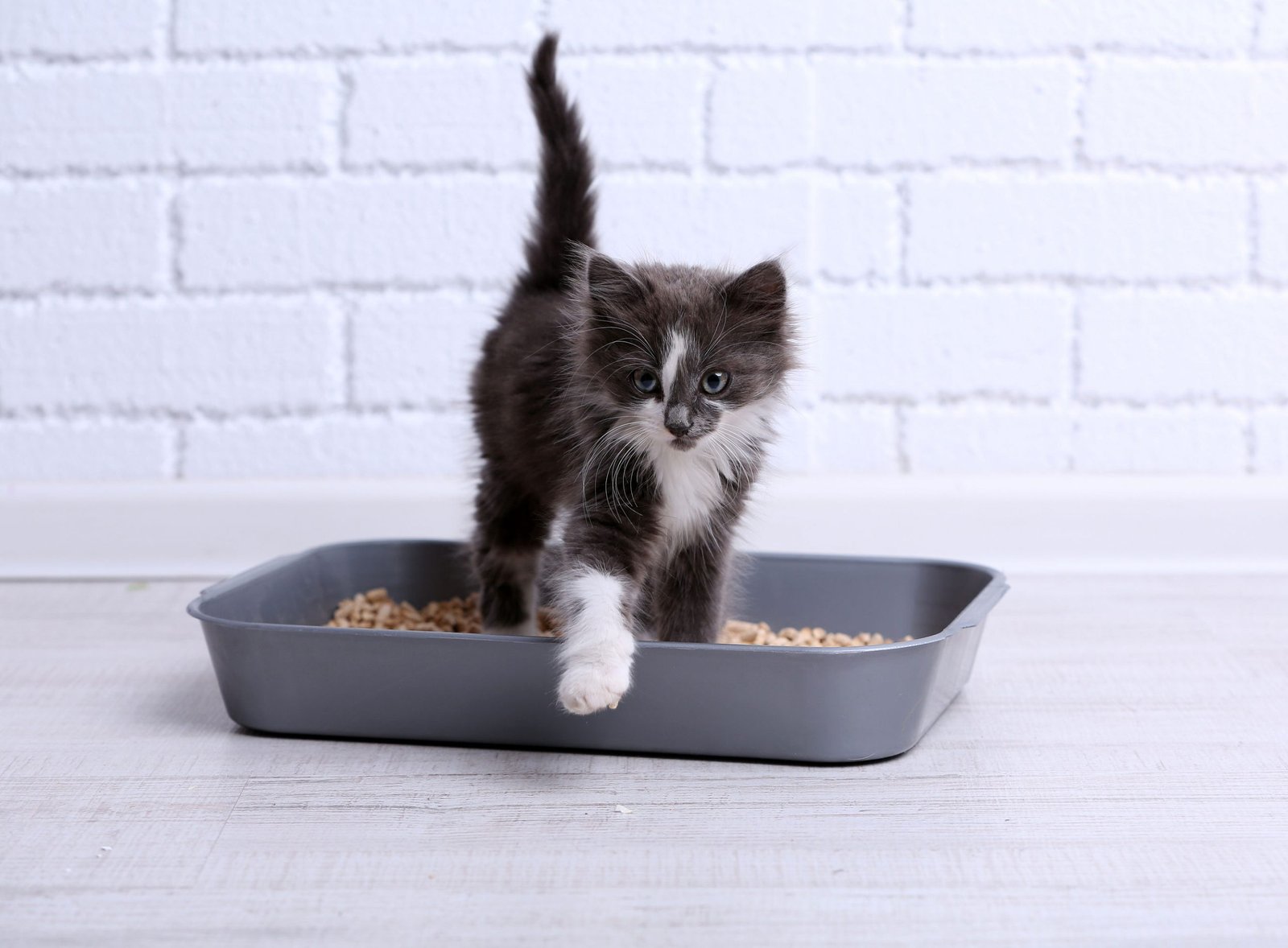
If you have a cat, you know that keeping their litter box clean is important. But how often should you actually clean it?
Is once a day enough, or do you need to do it more often? The answer might surprise you—and it can make a big difference for your cat’s health and your home’s smell. You’ll discover the simple habits that keep your cat happy and your space fresh.
Ready to find out the best cleaning routine for your cat’s litter box? Let’s dive in.
Frequency Of Cleaning
Cleaning your cat’s litter box regularly is essential for a healthy home. The frequency of cleaning depends on several factors like the number of cats and the type of litter. Keeping a clean box helps prevent odors and keeps your cat happy.
Daily Scooping Benefits
Scooping the litter box every day removes waste quickly. This keeps the litter fresh and reduces bad smells. Daily scooping also helps spot any health issues your cat may have. Cats prefer a clean place to do their business. Regular scooping encourages good litter box habits.
Weekly Deep Cleaning
Once a week, empty the entire litter box. Wash it with mild soap and warm water to remove residue. Dry the box completely before adding fresh litter. This deep clean stops bacteria and mold growth. Weekly cleaning keeps the box hygienic for your cat.
Signs It's Time To Clean
- Strong ammonia or urine smell
- Clumps sticking to the box
- Litter looks wet or dirty
- Cat avoids the box or shows stress
- Multiple cats using the same box
These signs mean the box needs immediate cleaning. Staying alert helps maintain a clean and healthy litter box environment.
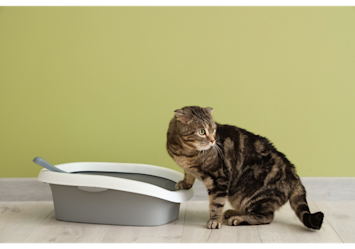
Credit: www.embracepetinsurance.com
Choosing The Right Litter
Choosing the right litter for your cat's litter box plays a big role in how often you need to clean it. The type of litter affects odor control, ease of cleaning, and even your cat’s comfort. Your choice can make daily scooping less of a chore and keep your home smelling fresh.
Clumping Vs Non-clumping
Clumping litter forms solid clumps when your cat urinates, making it easier to scoop out waste daily. This can help you clean the box more efficiently and keep it fresh longer. Non-clumping litter absorbs moisture but doesn’t form clumps, so you usually need to change the entire box more often to avoid odors.
If you prefer less frequent full litter changes, clumping might be your best bet. However, some cats prefer non-clumping for its softer texture. Have you noticed your cat avoiding the box? It might be the litter type.
Odor Control Options
Odor control is a major factor in choosing litter, especially if the box is indoors or in shared spaces. Many litters include baking soda, activated charcoal, or natural deodorizers to keep smells at bay. Some brands even add scents, but these can bother sensitive cats or people.
Think about your home’s ventilation and your cat’s preferences. Would you rather scoop more often or use a litter with stronger odor control additives? Sometimes, a balance between the two works best.
Eco-friendly Choices
If you want to reduce your environmental impact, consider eco-friendly litters made from recycled paper, corn, wheat, or wood. These options often biodegrade faster and can be composted, unlike traditional clay litters. They might require more frequent changes but are better for the planet.
Eco-friendly litters can be dust-free and gentle on your cat’s paws, which is a bonus. Have you thought about how your litter choice affects the environment and your cleaning routine?
Cleaning Tools And Supplies
Keeping your cat’s litter box clean means having the right tools and supplies at hand. The right equipment makes the task faster and more effective, helping you maintain a fresh and hygienic space for your feline friend. Let’s look at what you really need and what you should avoid.
Essential Cleaning Tools
Start with a sturdy litter scoop that fits comfortably in your hand. A scoop with fine mesh works best to catch even the smallest clumps. You’ll also want a dedicated trash bin or bag to dispose of waste easily and keep odors contained.
Consider having a small brush and dustpan to clean up stray litter around the box. Some cat owners find that gloves protect their hands during cleaning and keep things more sanitary. A washable mat placed under the litter box can catch excess litter and reduce mess.
Safe Cleaning Agents
Choose cleaning products that are safe for cats and effective against odors and bacteria. Mild dish soap diluted in warm water is a simple, non-toxic option. You can also use white vinegar, which naturally deodorizes and disinfects without harsh chemicals.
Many pet stores sell enzyme-based cleaners designed specifically for pet areas. These break down waste naturally and help prevent your cat from avoiding the box due to lingering smells. Always rinse the box thoroughly after cleaning to remove any residue.
Avoiding Harmful Chemicals
Beware of bleach, ammonia, and strong disinfectants. These can irritate your cat’s respiratory system and discourage them from using the litter box. Even some scented cleaners may cause discomfort or allergic reactions.
Ask yourself if the cleaning agent is safe enough to come into contact with your pet’s paws and nose. If you wouldn’t use it around your own face, it’s best to skip it for your cat’s space. Keeping your cat’s environment safe is just as important as keeping it clean.

Credit: perfectpetzzz.com
Step-by-step Cleaning Process
Keeping your cat's litter box clean is essential for their health and comfort. The cleaning process is simple but must be done carefully. Follow these steps to maintain a fresh and hygienic litter box.
Removing Old Litter
Start by putting on gloves for hygiene. Scoop out all clumps, waste, and soiled litter. Use a small shovel or scoop designed for litter boxes. Dispose of the waste in a sealed bag. Empty the remaining litter completely into a trash bin. This step prevents odors and keeps bacteria away.
Washing The Box
Rinse the empty litter box with warm water. Use mild soap or a pet-safe cleaner to scrub all surfaces. Focus on corners and edges where dirt hides. Avoid harsh chemicals that can harm cats. Rinse thoroughly to remove all soap residues. This keeps the box safe and odor-free.
Drying And Refilling
Dry the litter box completely using a clean towel. Moisture can cause litter to clump and smell. Pour fresh, clean litter into the box. Fill it to a depth your cat prefers, usually about 2-3 inches. Spread the litter evenly for comfort. Place the box back in its usual spot.
Maintaining A Fresh Litter Box
Maintaining a fresh litter box is essential for your cat’s health and comfort. A clean box reduces odors and keeps your home smelling pleasant. Regular care helps prevent your cat from avoiding the litter box. Small habits can make a big difference in freshness.
Using Deodorizers
Deodorizers help control smells without hiding dirt. Choose products made for cats to avoid harmful chemicals. Sprinkle a small amount on clean litter before adding your cat. Avoid overusing deodorizers as they can irritate your cat’s nose. Natural options like baking soda work well and are safe.
Proper Ventilation
Good airflow helps reduce litter box odors. Place the box in a room with fresh air or near a window. Avoid closed, cramped spaces where smells can build up. Use a small fan if necessary to keep air moving. Proper ventilation makes cleaning easier and keeps the area fresh.
Litter Box Location Tips
- Choose a quiet, low-traffic area for privacy.
- Avoid placing near food or water bowls.
- Keep away from direct sunlight to prevent litter clumping.
- Use easy-to-clean flooring under the box.
- Ensure the spot is accessible for your cat at all times.

Credit: www.petplan.co.uk
Handling Multiple Cats
Handling multiple cats requires special care for litter box maintenance. Each cat has its own needs. Sharing a box can cause stress and mess. Proper cleaning keeps cats happy and healthy. It also prevents odors and litter box problems.
Number Of Boxes Needed
Each cat should have its own litter box. Add one extra box for the group. For example, three cats need four boxes. This reduces fights and overcrowding. Cats prefer privacy and space to do their business.
Increased Cleaning Frequency
More cats mean more waste. Clean litter boxes at least twice a day. Scoop out clumps and solid waste often. Change all the litter fully once a week. This keeps the area fresh and inviting for cats.
Preventing Litter Box Issues
Watch for signs of discomfort or avoidance. Cats may stop using boxes if dirty or crowded. Use unscented, clumping litter to attract cats. Place boxes in quiet, accessible spots. Keep boxes away from food and water bowls.
Frequently Asked Questions
How Often Should I Scoop My Cat's Litter Box?
You should scoop your cat's litter box daily. This keeps it clean, controls odor, and promotes your cat's health. Regular scooping prevents bacteria buildup and keeps your cat comfortable.
When Should I Completely Change The Cat Litter?
Change the cat litter fully every 1 to 2 weeks. This depends on the litter type and number of cats. Regular full changes maintain hygiene and reduce odors effectively.
How Often Should I Wash The Litter Box?
Wash the litter box with soap and water every 2 to 4 weeks. Cleaning removes germs and odors, keeping the box fresh. Avoid harsh chemicals to protect your cat's health.
Can Infrequent Cleaning Harm My Cat’s Health?
Yes, infrequent cleaning can cause infections and stress in cats. Dirty litter boxes encourage bacteria and parasites. Keeping the box clean ensures your cat stays healthy and happy.
Conclusion
Regular cleaning of your cat's litter box is vital. It keeps your home fresh. Your cat stays healthy and happy. Scoop waste daily for best results. Replace litter weekly to avoid odors. Use mild soap and water for a deep clean monthly.
Consistent cleaning habits make life easier. Cats appreciate a clean space too. Your bond with your pet strengthens. Routine checks help spot any health issues early. A tidy litter box means a healthier environment. Both for you and your cat.
Simple steps lead to big rewards. Enjoy a cleaner home with these tips!