
Are you wondering how often you should give your dog the kennel cough vaccine? You're not alone.
As a responsible pet owner, you want to ensure your furry friend stays healthy and happy. Kennel cough, a contagious respiratory disease, can spread quickly in places like dog parks, kennels, or grooming salons. Missing out on timely vaccinations can leave your dog vulnerable.
This guide will reveal the optimal vaccination schedule, giving you peace of mind and keeping your pet safe. Stick around to discover the perfect timing and tips to protect your dog from kennel cough.
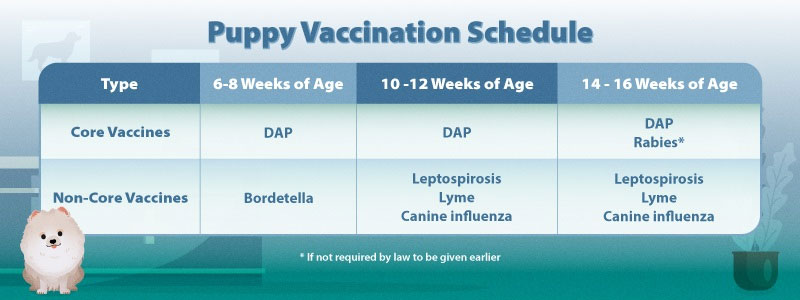
Credit: www.carecredit.com
What Is Kennel Cough?
Kennel cough is a common respiratory infection in dogs that you need to know about. It’s similar to a chest cold in humans but can be more serious for some dogs. Understanding what kennel cough is will help you decide how to protect your furry friend and when to get them vaccinated.
Symptoms To Watch For
Recognizing kennel cough early makes a big difference. Your dog might have a harsh, dry cough that sounds like they’re honking. You could also notice sneezing, a runny nose, or watery eyes.
Sometimes, dogs lose their appetite or seem more tired than usual. If your dog is coughing a lot or showing these signs, it’s a good idea to check with your vet. Catching it early can prevent complications.
How It Spreads
Kennel cough spreads quickly among dogs, especially in places like dog parks, grooming salons, or boarding kennels. It passes through airborne droplets when an infected dog coughs or sneezes.
It can also spread through direct contact with an infected dog or by touching surfaces contaminated with the bacteria or virus. That’s why vaccination and good hygiene are crucial in crowded dog settings.
Have you ever noticed your dog coughing after visiting a busy dog park or daycare? This might be why the kennel cough vaccine is often recommended for dogs who spend time around other dogs.
Types Of Kennel Cough Vaccines
Kennel cough vaccines come in different forms, each designed to protect your dog in unique ways. Understanding these types helps you decide which one suits your pet’s lifestyle and health needs best. Let’s look at the main kinds available and how they work.
Intranasal Vaccines
Intranasal vaccines are given as a mist sprayed into your dog’s nostrils. This method targets the respiratory tract directly, where kennel cough germs usually enter. It often works faster, offering protection within just a few days.
Many dog owners prefer this because it’s quick and less stressful for the pet. Have you noticed your dog reacting differently to nasal sprays compared to shots? That’s quite common, and some dogs tolerate it better.
Injectable Vaccines
Injectable vaccines are given as a shot under the skin or into the muscle. They provide a strong immune response, but it takes longer—sometimes weeks—to build full protection. This type is widely used and trusted by many vets.
If your dog is already getting other injections, adding the kennel cough vaccine this way can be convenient. However, some dogs might experience mild soreness at the injection site. Have you ever noticed your dog acting tired after a vaccination? That’s a normal short-term side effect.
Oral Vaccines
Oral vaccines come as a flavored gel or tablet that your dog swallows. This type stimulates immunity right in the throat and windpipe area. It’s a great option if your dog is sensitive to needles or nasal sprays.
Owners often find oral vaccines easier to give at home, reducing stress for both themselves and their pets. But remember, some dogs might resist taking the vaccine by mouth, so patience and positive reinforcement help. Have you tried this with your dog before?
Vaccination Schedule For Puppies
Keeping your puppy safe from kennel cough starts with a clear vaccination schedule. Knowing when to begin and how often to repeat the vaccine helps build strong protection early on. Let’s break down the timing for these important shots so you’re confident about your puppy’s health.
Initial Vaccine Timing
The first kennel cough vaccine usually happens when your puppy is around 6 to 8 weeks old. This timing fits well because it’s when maternal antibodies start to fade, allowing the vaccine to work effectively.
Some vets recommend giving the vaccine as a nasal spray or injection. The nasal spray can start working faster, which is great if your puppy will be in contact with other dogs soon.
Have you noticed how fast puppies explore their world? Starting the vaccine early protects them during this curious phase when they meet new dogs at parks or training classes.
Booster Shots
After the initial vaccine, a booster is essential to strengthen your puppy’s immunity. This usually happens 2 to 4 weeks later, depending on your vet’s advice.
Regular boosters keep the protection up, especially if your dog frequently visits places with lots of other dogs. Some dogs may need annual boosters to stay safe.
Think about your own schedule and your dog’s activities. Could you set reminders to keep up with boosters? Staying consistent makes all the difference in preventing kennel cough.
Vaccination Frequency For Adult Dogs
Knowing how often to vaccinate your adult dog against kennel cough is important for their health and your peace of mind. Vaccination schedules can vary, so understanding the right timing helps you keep your dog protected without unnecessary visits. Let’s look at how often these boosters are usually given and what factors might change that timeline for your furry friend.
Annual Vs. Triennial Boosters
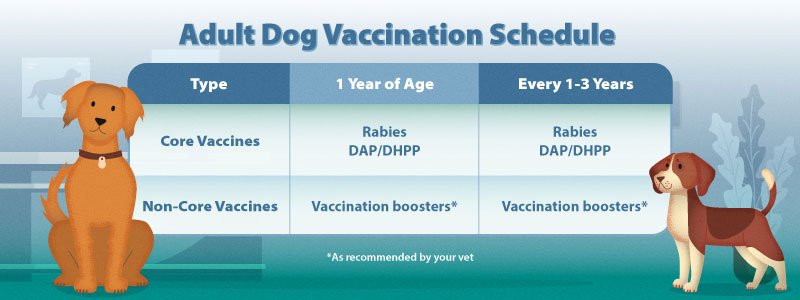
Most vets recommend an annual booster for kennel cough vaccines, especially if your dog spends time in places like dog parks, boarding facilities, or grooming salons. This yearly shot helps maintain strong immunity against the bacteria and viruses that cause kennel cough.
However, some newer vaccines offer protection lasting up to three years. These triennial boosters can be a convenient option if your dog has a lower risk of exposure. Still, it’s important to discuss with your vet whether this longer interval fits your dog’s lifestyle and health status.
Factors Affecting Frequency
Your dog’s risk of exposure is a key factor in deciding how often they need the kennel cough vaccine. Dogs that socialize frequently or live in group settings usually need more regular boosters.
Age and overall health also play roles. Older dogs or those with weakened immune systems might benefit from more frequent vaccination to ensure protection.
Think about your dog’s daily routine. Does your dog visit doggy daycare or attend training classes? These activities increase the chance of exposure and often mean more frequent vaccination is wise.
Risks Of Skipping The Vaccine
Skipping the kennel cough vaccine puts dogs at serious risk. This vaccine helps protect them from a common but harmful respiratory infection. Without it, dogs face health dangers and increase the chance of spreading the disease to others.
Health Complications
Kennel cough can cause severe coughing and breathing problems. In some cases, it leads to pneumonia, especially in puppies or older dogs. Dogs with weak immune systems suffer more and may need costly veterinary care. The illness can last weeks, causing discomfort and affecting their daily activities.
Contagion Risks
Kennel cough spreads quickly between dogs. It passes through coughing, sneezing, and close contact. Dogs that skip the vaccine can easily infect others in parks, boarding facilities, or dog shows. This creates outbreaks that are hard to control and stressful for pet owners.

Credit: www.608vets.com
Side Effects And Safety
Vaccinating your dog against kennel cough is important for their health. Like any vaccine, it may cause some side effects. Understanding these reactions helps you keep your dog safe and comfortable. Most side effects are mild and short-lived. Serious problems are very rare.
Common Reactions
- Mild coughing or sneezing for a day or two
- Swelling or soreness at the injection site
- Low fever or tiredness after vaccination
- Reduced appetite for a short time
These reactions usually disappear quickly without treatment. They show the immune system is working.
When To See A Vet
- High fever lasting more than 24 hours
- Severe swelling or pain at the injection site
- Difficulty breathing or persistent coughing
- Vomiting or diarrhea that does not stop
- Signs of an allergic reaction like hives or swelling of face
Seek veterinary care immediately if your dog shows these signs. Early treatment prevents complications. Always report any unusual reactions to your vet.
Choosing The Right Vaccine
Choosing the right kennel cough vaccine is essential to protect your dog effectively. Not all vaccines are the same, and the best choice depends on various factors unique to your pet. Understanding these factors helps you make informed decisions to keep your dog healthy and happy.
Consulting Your Veterinarian
Your veterinarian is the best resource to guide you in selecting the appropriate kennel cough vaccine. They understand your dog’s health history and can recommend vaccines based on current medical standards.
During your visit, ask about the different types of vaccines available, such as intranasal versus injectable options. Each has its benefits, and your vet can explain which suits your dog’s needs better.
Have you ever wondered why some dogs get vaccinated more frequently? Your vet can clarify this based on your dog's age, breed, and overall health status.
Considering Your Dog’s Lifestyle
How often your dog interacts with other dogs matters a lot when choosing a vaccine. Dogs that attend doggy daycare, go to grooming salons, or participate in group training are at higher risk of catching kennel cough.
If your dog rarely meets other dogs, your vet might suggest a different vaccination schedule. Think about your dog’s daily routine and environments to decide what fits best.
Does your dog love the dog park or social outings? These activities increase exposure risk and might mean you need to vaccinate more often. Tailoring the vaccine to your dog’s lifestyle ensures better protection and peace of mind.

Credit: ccdogdaycare.com
Tips For Vaccine Day
Vaccine day can be a bit stressful for both you and your dog. Preparing well helps keep the experience calm and smooth. Proper care after the vaccine supports your dog’s quick recovery. Here are some important tips to make vaccine day easier and safer.
Preparing Your Dog
- Keep your dog calm before the visit. Avoid vigorous play or exercise.
- Bring your dog’s favorite toy or blanket for comfort.
- Offer a light meal a few hours before the appointment.
- Use a secure leash and collar for safety during travel.
- Inform the vet about any health issues or allergies your dog has.
- Arrive early to reduce stress and wait time.
Post-vaccination Care
- Watch your dog closely for any side effects like swelling or lethargy.
- Provide a quiet, comfortable place for rest after the vaccine.
- Offer fresh water and avoid feeding a large meal immediately.
- Keep your dog indoors and limit physical activity for 24 hours.
- Call your vet if you notice severe reactions such as difficulty breathing or persistent vomiting.
- Follow the vet’s advice on when to schedule the next vaccination.
Frequently Asked Questions
How Often Should Dogs Get Kennel Cough Vaccine?
Dogs typically need the kennel cough vaccine annually. Puppies may require two initial doses. Consult your vet for personalized timing.
Can Kennel Cough Vaccine Be Given With Other Shots?
Yes, kennel cough vaccine can be safely administered alongside other routine vaccinations. This helps ensure comprehensive protection for your dog.
Does The Kennel Cough Vaccine Prevent All Infections?
The vaccine protects against most common kennel cough strains but not all. Good hygiene and avoiding sick dogs also help prevent infection.
When Is The Best Time To Vaccinate My Dog?
Vaccinate puppies starting at 6-8 weeks old. Adult dogs should get boosters yearly or before exposure to high-risk environments.
Conclusion
Giving your dog the kennel cough vaccine regularly keeps them healthy. Most dogs need this vaccine once a year. Puppies may need extra doses to build strong protection. Talk to your vet about the best schedule for your dog. Vaccinating helps stop the spread of kennel cough in places like parks and kennels.
Keeping up with vaccines means fewer vet visits and less worry. Protect your dog with timely shots and enjoy happy, healthy walks together. Simple steps make a big difference in your pet’s health.