

Are you wondering how often you should change your cat's litter box? You're not alone.
Many cat owners ask this question, aiming to keep their furry friends happy and their homes smelling fresh. The frequency of cleaning your cat's litter box can impact not just your pet's health, but also your relationship with them. Imagine a cleaner home, a healthier cat, and fewer odors.
Sounds good, right? Dive into this article to discover the secrets behind the perfect litter box routine. Your cat will thank you, and so will your nose!
Frequency Of Litter Box Cleaning
Keeping your cat’s litter box clean is essential for your pet’s health and comfort. The frequency of cleaning depends on several factors, including the number of cats and the type of litter used. Proper cleaning helps control odors and encourages your cat to use the box consistently.
Daily Scoop Routine
Scooping waste daily prevents bad smells and keeps the litter fresh. Removing clumps and solid waste each day reduces bacteria buildup. This simple step makes the litter box inviting for your cat. It also helps you monitor your cat’s health by noticing changes in waste.
Weekly Full Change
Changing all the litter once a week keeps the box clean and hygienic. Empty the entire box and wash it with mild soap and water. Dry the box completely before adding fresh litter. Weekly cleaning removes odors that daily scooping can’t handle.
Factors Influencing Cleaning Frequency
- Number of Cats:More cats mean more frequent cleaning.
- Type of Litter:Clumping litter may need less frequent full changes.
- Cat’s Health:Sick cats might require more careful cleaning.
- Box Size and Location:Smaller or poorly ventilated areas need more attention.
Credit: www.purina.com
Types Of Cat Litter And Impact On Cleaning
Choosing the right type of cat litter can change how often you need to clean your cat’s litter box. Different litters affect odor control, clumping, and waste removal, which directly impacts your cleaning routine. Understanding these options helps you keep your home fresh and your cat comfortable.
Clumping Vs Non-clumping Litter
Clumping litter forms solid clumps when wet, making it easy to scoop out urine and feces daily. This means you can clean smaller sections regularly without dumping all the litter. Non-clumping litter absorbs moisture but doesn’t bind it, so it needs full replacement more often to avoid odors.
If you prefer less frequent full changes, clumping litter can save you time and effort. However, some cats prefer the texture of non-clumping litter, so consider your pet’s preference as well.
Silica Gel Litter Benefits
Silica gel litter uses tiny crystals that absorb moisture and trap odors efficiently. This type often lasts longer between changes—sometimes up to two weeks—because it dries out waste rather than clumping. It’s low dust and light, which makes it easier to handle and less messy around the box.
Have you noticed how some litters create dust clouds? Silica gel usually avoids this, which can be a big plus if you or your cat have allergies.
Natural And Biodegradable Options
Natural litters made from materials like corn, wheat, or pine offer an eco-friendly alternative. They often biodegrade faster in the trash or compost, reducing environmental impact. These litters vary in clumping ability, so check the packaging to match your cleaning habits.
Switching to natural litter might mean changing your cleaning schedule slightly. Some absorb less odor, so more frequent scooping might be necessary, but many cat owners find the trade-off worth it for sustainability.
Number Of Cats And Litter Box Maintenance
The number of cats in a household greatly affects litter box cleaning routines. Each cat produces waste that needs regular removal to keep the area fresh. Proper maintenance helps prevent odors and keeps cats happy. Understanding how many cats you have guides how often you clean and how many boxes you need.
One Cat Household
For a single cat, scoop the litter box daily. This keeps waste under control and avoids bad smells. Change all the litter and wash the box every one to two weeks. Regular cleaning supports your cat’s health and comfort.
Multiple Cats Considerations
More cats mean more waste. Scoop the litter box at least twice a day. Check boxes often to avoid overflow and unpleasant odors. Cats may refuse to use dirty boxes, causing accidents elsewhere. Frequent cleaning keeps all cats happy and healthy.
Litter Box Quantity Recommendations
- Use one box per cat plus one extra.
- For two cats, have three litter boxes available.
- Place boxes in different quiet areas.
- Provide enough boxes to reduce stress and conflicts.
More boxes reduce crowding and keep cats comfortable. Clean each box regularly based on use. This practice prevents health problems and maintains a clean home.
Signs Your Cat's Litter Box Needs Cleaning
Knowing when to clean your cat’s litter box keeps your home fresh and your cat happy. Cats are very clean animals and dislike dirty spaces. Watching for signs helps you keep the litter box in good condition. This avoids bad smells and stops your cat from avoiding the box.
Odor Indicators
A strong smell near the litter box means it needs cleaning. Even with clumping litter, odors build up fast. The smell can spread through the room and annoy everyone. Fresh litter smells neutral or slightly like the litter material. Any sharp or ammonia-like smell means waste has stayed too long.
Behavioral Changes
Cats show signs when they dislike a dirty litter box. They may start avoiding the box or go outside it. Some cats meow more or seem stressed near the box. Scratching around the box or in other places can signal discomfort. A clean box helps your cat feel safe and calm.
Litter Clumping And Appearance
Clumps of urine and feces should be removed daily. If clumps break apart or stick to the box, cleaning is overdue. The litter should look dry and fresh, not wet or dark. Any solid waste left for days makes the litter unusable. Regular scooping keeps the box neat and inviting.
Cleaning Techniques And Best Practices
Keeping your cat’s litter box clean is essential not only for your pet’s health but also for maintaining a fresh and odor-free home. How you clean the box can make a big difference in how often it needs a full change and how comfortable your cat feels using it. Let’s look at some effective cleaning techniques and best practices that can help you maintain a hygienic litter box with less hassle.
Proper Scooping Methods
Scooping waste daily is the best way to keep the litter box clean. Use a scoop with slotted holes to separate clumps efficiently while leaving clean litter behind.
Don’t just skim the surface; dig a bit deeper to catch hidden clumps. This prevents odors and keeps the litter fresh longer.
Make scooping part of your daily routine—set a reminder if needed. Your cat will appreciate a clean spot, and you’ll reduce the frequency of full litter changes.
Deep Cleaning Steps
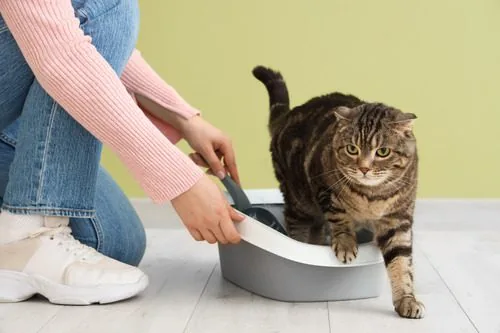
Empty the entire litter box at least once a week to avoid bacteria buildup. After discarding the old litter, wash the box thoroughly with warm water and mild soap.
Scrub all corners and edges where residue can hide. Rinse well to remove soap traces that could deter your cat.
Dry the box completely before adding new litter. A damp box can cause clumping issues and unpleasant smells.
Safe Cleaning Products
Avoid harsh chemicals like bleach or ammonia, as they can harm your cat or leave strong odors that discourage use. Instead, choose pet-safe cleaners or simple solutions like vinegar diluted with water.
Vinegar not only cleans but also neutralizes odors naturally. You can also use baking soda to absorb smells after cleaning.
Always rinse thoroughly and let the box dry completely to ensure no residue lingers. Have you noticed your cat avoiding the box after cleaning? It might be the cleaner you used.
Health Benefits Of Regular Litter Box Maintenance
Keeping your cat’s litter box clean isn’t just about avoiding unpleasant smells. It plays a big role in your cat’s health and well-being. Regular maintenance helps prevent health issues, lowers stress levels for your cat, and keeps your home fresh and hygienic.
Preventing Infections
Dirty litter boxes can harbor harmful bacteria and parasites. These can cause infections like urinary tract infections or even more serious illnesses in your cat.
By scooping daily and changing the litter completely at least once a week, you reduce the risk of these infections. It’s a simple step that protects your cat’s health and saves you vet visits later.
Reducing Stress For Cats
Have you noticed your cat avoiding the litter box? This might be due to a dirty or smelly box. Cats are very clean animals and prefer a fresh place to do their business.
Regular cleaning prevents your cat from feeling stressed or anxious about using the box. A calm cat is a happy cat, and this can improve their overall behavior and mood.
Maintaining Home Hygiene
Your litter box can impact the cleanliness of your entire home. When not cleaned often, odors and bacteria can spread, affecting your living space.
Keeping the box fresh helps control smells and prevents litter from tracking around the house. This means a more pleasant environment for you and everyone in your home.
Tips For Encouraging Cats To Use Their Litter Box
Encouraging cats to use their litter box helps maintain cleanliness and comfort. Cats prefer certain conditions for their bathroom habits. Small changes can make a big difference in their behavior. Understanding their needs improves their litter box use.
Placement Strategies
Choose a quiet and private spot for the litter box. Avoid noisy or busy areas where the cat feels stressed. Place the box away from their food and water bowls. Ensure easy access without obstacles in the way. Multiple cats may need more than one litter box in different rooms.
Litter Preferences
Cats often prefer fine-grained, unscented litter. Avoid strong-smelling litters that can irritate their nose. Keep the litter at a moderate depth, about two to three inches. Change the litter regularly to keep it fresh and clean. Observe your cat’s behavior to learn their preferred type.
Dealing With Litter Box Aversion
Some cats avoid the litter box due to past bad experiences. Clean any accidents outside the box thoroughly to remove odors. Use gentle cleaning products safe for pets. Offer positive reinforcement like treats or praise after use. Consult a vet if aversion continues, as health issues might be involved.

Credit: perfectpetzzz.com

Credit: meowant.com
Frequently Asked Questions
How Often Should You Completely Change Cat Litter?
Completely change cat litter every 1 to 2 weeks for hygiene. This prevents odor buildup and bacterial growth. Scoop waste daily to maintain cleanliness between full changes. Regular changing keeps your cat comfortable and your home fresh.
How Frequently Should You Scoop The Litter Box?
Scoop the litter box at least once daily. Frequent scooping controls odor and keeps the box clean. This encourages your cat to use the box regularly and prevents litter clumping.
Can Litter Box Frequency Vary By Cat Number?
Yes, more cats require more frequent litter changes. For multiple cats, scoop twice daily and change litter weekly. This reduces odor and prevents conflicts over a dirty box.
What Signs Indicate It’s Time To Change Litter?
Strong odors, clumping, or dampness signal a litter change. If the box looks dirty or smells bad, replace the litter. Keeping litter fresh promotes your cat’s health and comfort.
Conclusion
Cleaning your cat’s litter box often keeps your home fresh and your cat happy. Scoop waste daily to prevent odors and bacteria. Change all the litter every one to two weeks for best results. Watch your cat’s behavior; it can tell you when to clean more.
A clean box helps your cat feel safe and comfortable. Simple habits make a big difference in pet care. Keep your cat’s space clean, and both of you will enjoy a healthier home.