
Are you unsure about how much wet food to give your cat each day? Feeding your cat the right amount is crucial for their health and happiness.
Too little food can leave them hungry and weak, while too much can lead to unwanted weight gain. You’ll find an easy-to-follow chart that takes the guesswork out of feeding time. By the end, you’ll know exactly how much wet food your cat needs to stay healthy and energetic.
Keep reading to make mealtime simple and stress-free for both you and your furry friend.
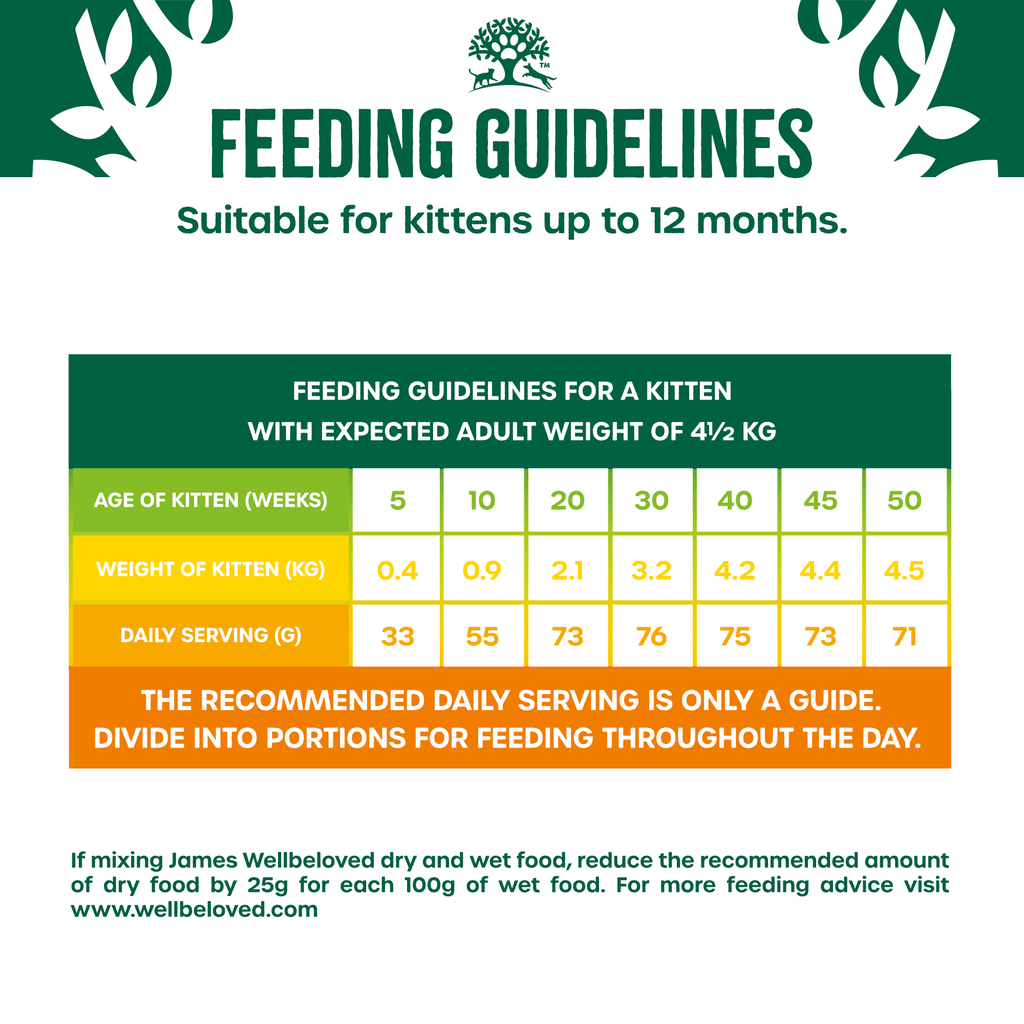
Credit: aimextools.com
Daily Wet Food Needs
Understanding your cat’s daily wet food needs is key to keeping them healthy and satisfied. Every cat has unique requirements that depend on several factors. Feeding the right amount prevents overeating and supports optimal weight.
Factors Affecting Portion Size
Portion size depends on your cat’s age, weight, and health status. Kittens and senior cats often need different amounts compared to adult cats. Also, cats with health issues like kidney disease may require specialized feeding plans.
Think about your cat’s eating habits too. Some cats nibble throughout the day, while others prefer set meal times. Adjust portions to match their natural routine and avoid leftovers that can spoil.
Calorie Requirements By Weight
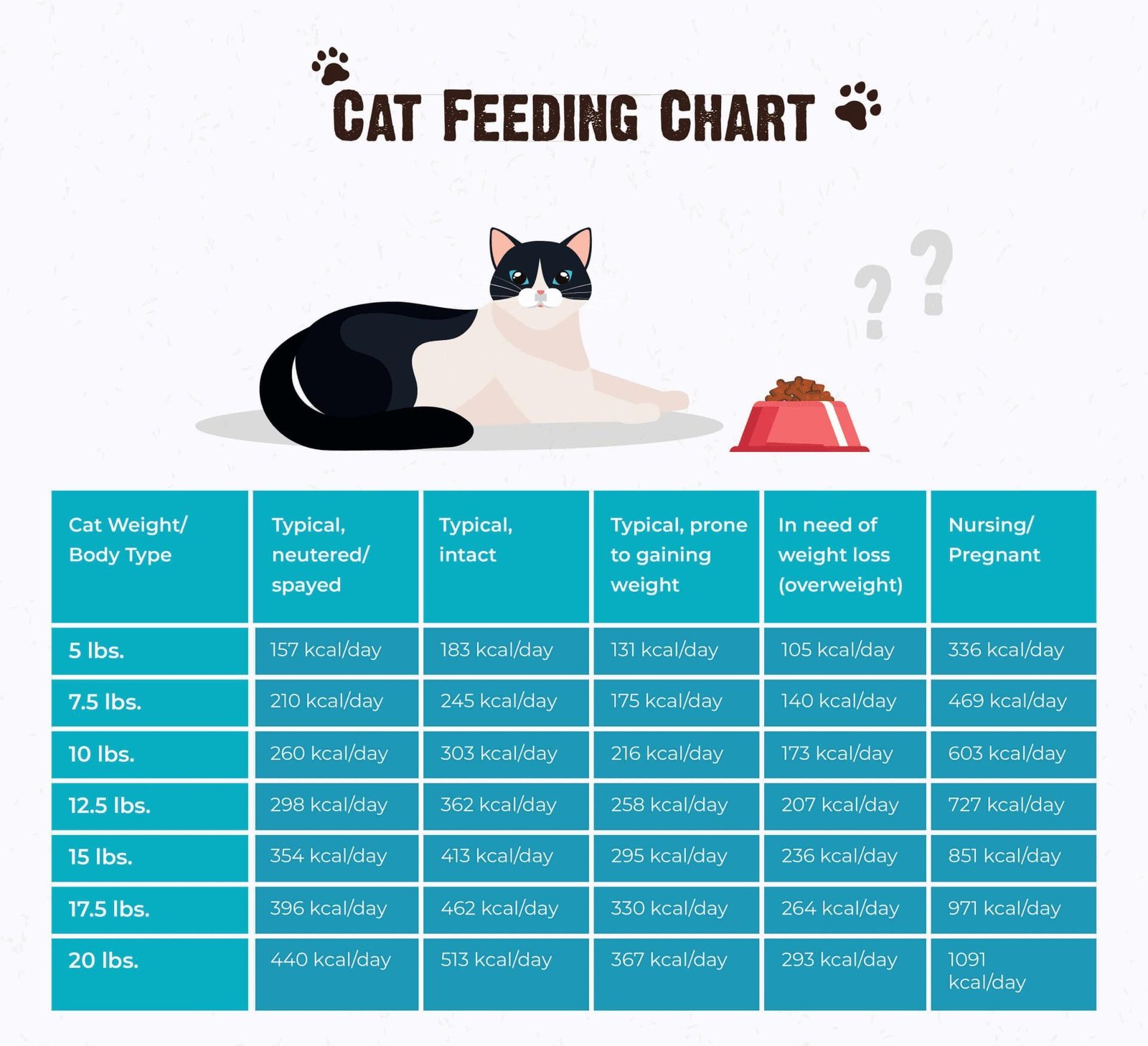
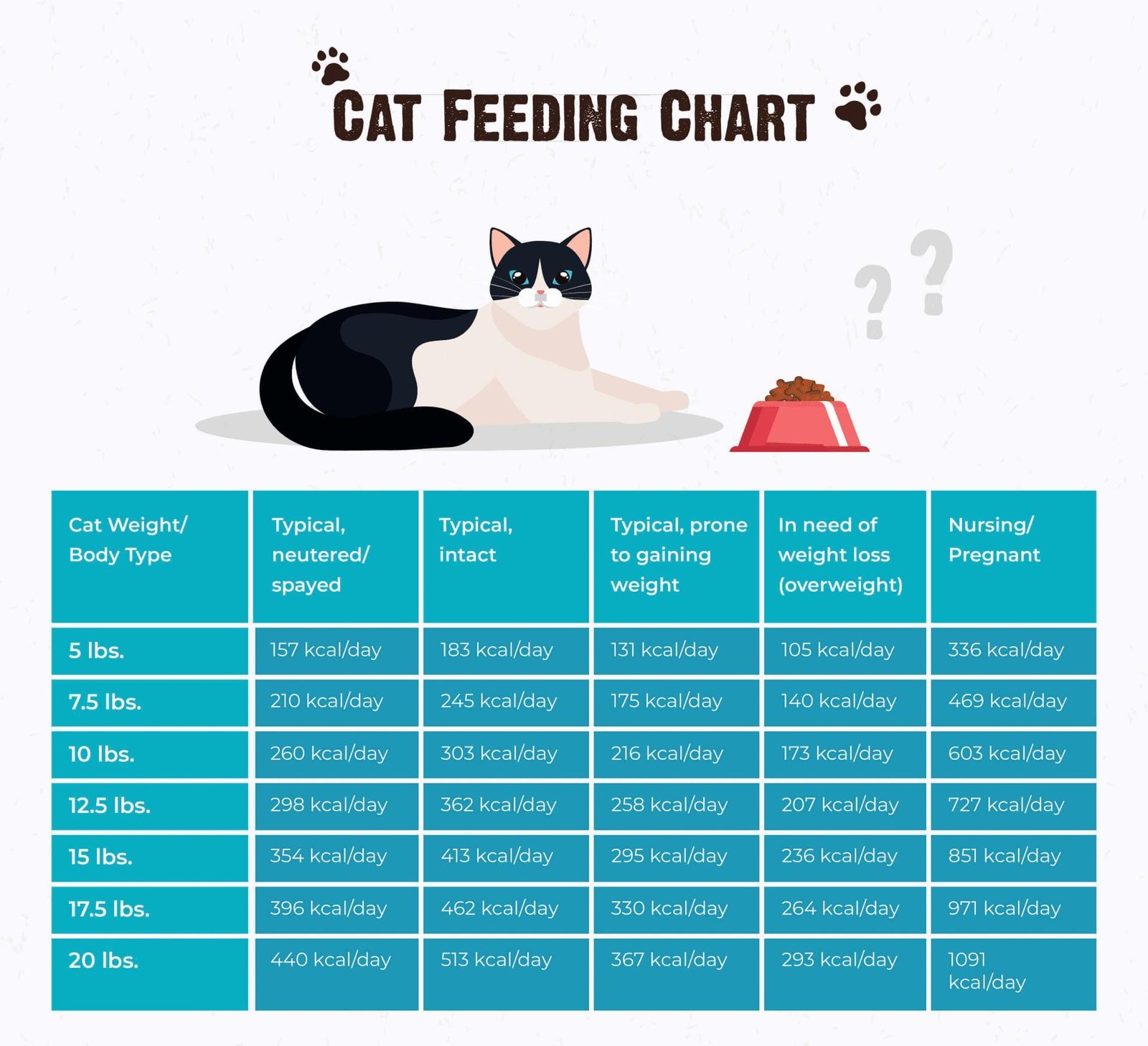
Your cat’s weight plays a major role in determining calorie needs. On average, cats require about 20 calories per pound of body weight daily. For example, a 10-pound cat typically needs around 200 calories per day.
| Cat's Weight (lbs) | Approximate Daily Calories | Wet Food Amount (3 oz cans) |
|---|---|---|
| 5 | 100 | 1 can |
| 10 | 200 | 2 cans |
| 15 | 300 | 3 cans |
| 20 | 400 | 4 cans |
Keep in mind, calorie content varies by brand and recipe. Always check the label to ensure accurate feeding.
Adjusting For Activity Level
Active cats burn more calories and may need larger portions. If your cat spends lots of time playing or exploring outdoors, increase their wet food slightly. On the other hand, indoor or less active cats require fewer calories to prevent weight gain.
Have you noticed your cat’s energy shifting with the seasons or age? Adjust their food amounts accordingly to keep their weight steady. Watch their body condition closely and be ready to tweak portions for best results.
Wet Food Serving Sizes
Understanding the right amount of wet food for your cat is key to their health. Cats need different portions based on their size and activity. Wet food serving sizes help provide balanced meals without overfeeding or wasting food. Proper servings keep your cat happy and healthy.
Standard Can Sizes
Wet cat food usually comes in cans of various sizes. The most common cans hold 3 ounces, 5.5 ounces, or 13 ounces. Smaller cans suit kittens or cats that eat little at once. Larger cans fit multiple meals or bigger cats. Check the label for exact can weight before serving.
Recommended Servings Per Weight
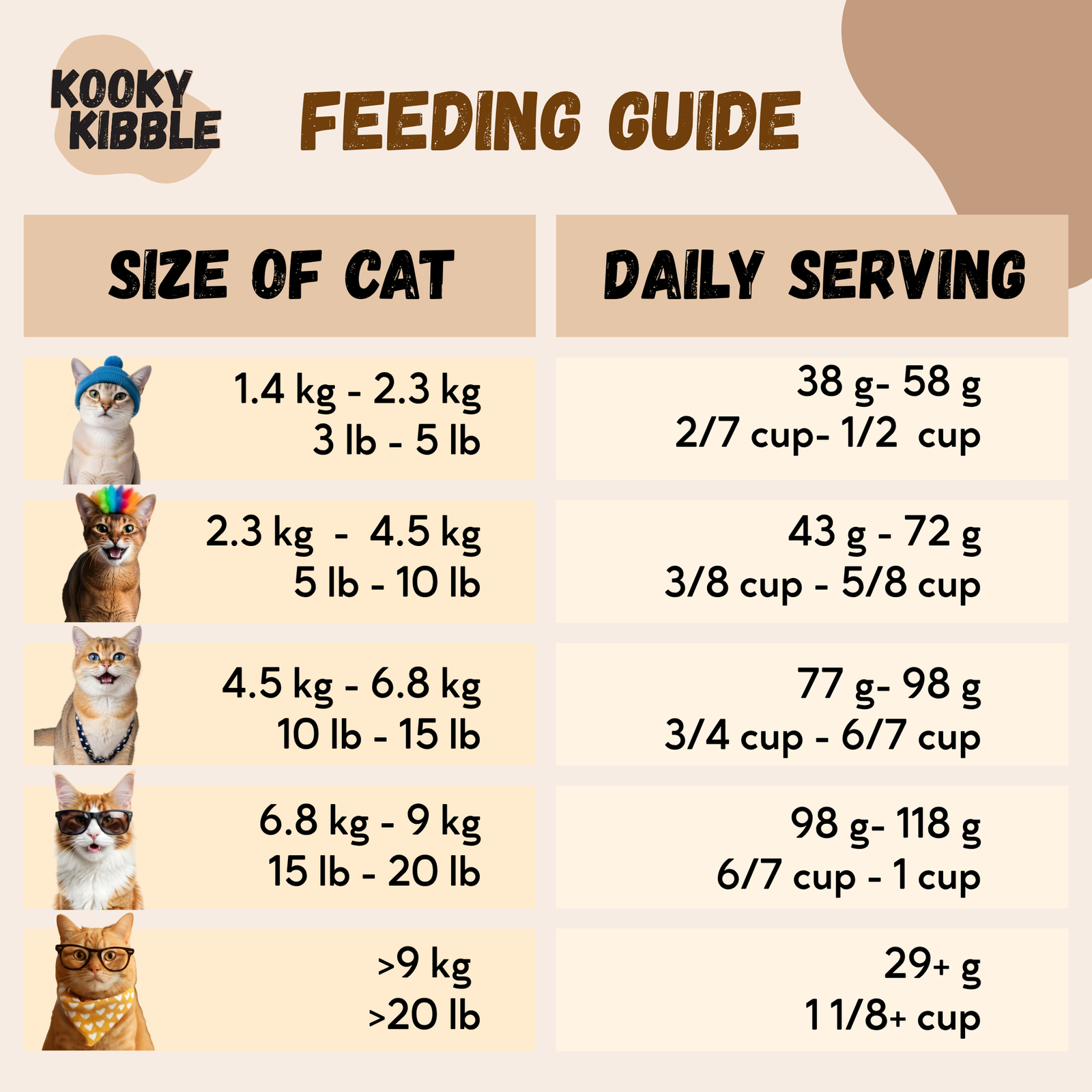
Cat feeding amounts depend on their weight and energy needs. Use this simple guide for daily wet food portions:
| Cat Weight (lbs) | Wet Food (grams/day) |
|---|---|
| 5 | 100-120 |
| 8 | 140-160 |
| 10 | 170-190 |
| 12 | 200-220 |
Adjust servings for active or less active cats. Consult a vet for special needs.
Portioning Tips
- Divide daily food into two or three meals.
- Store opened cans in the fridge up to 48 hours.
- Use a scale or measuring cup for accuracy.
- Watch your cat’s weight and adjust portions as needed.
- Mix wet food with dry kibble for variety.
Feeding Chart Breakdown
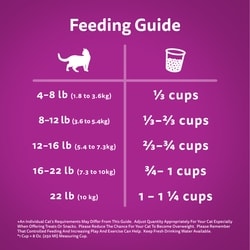
Understanding the feeding chart helps you give your cat the right wet food amount. Cats have different needs at each life stage. Feeding the correct portion supports their health and energy.
The chart breaks down feeding amounts for kittens, adult cats, and senior cats. Each group requires specific nutrition and portion sizes. Following these guidelines ensures your cat stays happy and well-nourished.
Kittens
Kittens grow fast and need more food per pound. Their energy and protein needs are higher than adults. Feed small, frequent meals to support growth.
- Up to 8 weeks: 3 to 4 small meals daily
- 2 to 3 months: About 6 to 8 ounces per day
- 4 to 6 months: Around 8 to 10 ounces daily
Kittens benefit from high-calorie wet food. It helps build strong muscles and bones.
Adult Cats
Adult cats need balanced meals to maintain weight and health. Feed wet food based on weight and activity level. Portion control prevents obesity.
- Under 8 lbs: 3 to 4 ounces per day
- 8 to 12 lbs: 4 to 6 ounces per day
- Over 12 lbs: 6 to 8 ounces per day
Divide daily portions into two meals for best digestion. Monitor your cat’s weight to adjust amounts.
Senior Cats
Senior cats have slower metabolism and lower energy needs. Wet food helps with hydration and easier chewing. Adjust portions based on health and activity.
- Light activity or weight loss: 2 to 3 ounces per meal
- Moderate activity: 3 to 4 ounces per meal
- Active seniors: 4 to 5 ounces per meal
Consult your vet for special dietary needs in older cats. Proper feeding supports mobility and well-being.
Credit: www.provigo.ca
Combining Wet And Dry Food
Combining wet and dry food can give your cat a balanced diet and variety. Each type offers unique benefits. Wet food helps with hydration and is often tastier. Dry food supports dental health and is easy to store. Mixing both can keep your cat happy and healthy.
Balancing Nutritional Intake
Wet and dry foods have different nutrient profiles. Wet food contains more moisture and protein. Dry food has more fiber and calories. Balance both to meet your cat’s daily nutritional needs. Check the labels for protein, fat, and calorie content. Adjust portions to avoid overfeeding or underfeeding.
Transitioning Between Foods
Switching your cat’s diet needs care. Start by mixing a small amount of new food with the old. Gradually increase new food over 7 to 10 days. Watch for any signs of upset stomach or allergies. A slow transition helps your cat accept the new diet comfortably.
Meal Frequency
Divide daily food into small meals. Cats benefit from several small feedings rather than one large meal. Offer wet food once or twice a day. Dry food can be left out for grazing. Set a feeding schedule to maintain routine and control portions.
Special Considerations
Special care is needed when feeding wet food to cats with unique needs. Different life stages and health issues require adjusted feeding amounts. Understanding these factors helps keep your cat healthy and happy.
Health Conditions
Cats with certain health problems may need less or more food. Kidney disease, diabetes, or digestive issues change how much wet food suits them. Consult your vet to find the right feeding plan. Watch for changes in appetite or weight.
Pregnant And Nursing Cats
Pregnant and nursing cats need extra calories and nutrients. They usually eat more wet food to support their kittens’ growth. Feed them frequently and offer high-quality wet food. This helps both mother and kittens stay strong and healthy.
Weight Management
Controlling a cat’s weight means careful feeding. Overweight cats need fewer calories, while underweight cats need more. Use a feeding chart as a guide but adjust based on activity and body condition. Measure portions and avoid free feeding to maintain ideal weight.
Tips For Feeding Wet Food
Feeding your cat wet food can be a great way to keep them hydrated and satisfied, but it comes with its own set of challenges. To make the most out of wet food, you need to handle it correctly and pay attention to your cat’s preferences and eating habits. Here are some practical tips that will help you serve wet food effectively and keep your feline friend happy and healthy.
Storage And Freshness
Wet food spoils quickly once opened, so proper storage is key. Keep any unused portion in an airtight container or cover the original can with plastic wrap to prevent it from drying out or absorbing other odors. Store it in the refrigerator and try to use it within 24 hours for the best taste and safety.
Have you noticed how your cat reacts differently to food left out for too long? Feeding smaller portions more frequently can ensure your cat always gets fresh, appealing meals.
Encouraging Picky Eaters
Some cats can be very selective about wet food. To encourage them, try warming the food slightly to enhance its aroma, as this can stimulate their appetite. Mixing a little bit of their favorite dry food or a small amount of tuna juice can also make wet food more enticing.
Watch your cat’s reactions closely. If they turn their nose up, don’t give up—experiment with different flavors and textures. Sometimes, changing the bowl type or feeding location can also make a surprising difference.
Monitoring Intake
Tracking how much wet food your cat eats daily helps you catch any sudden changes in appetite, which could signal health issues. Measure the portions carefully and note if your cat leaves food behind consistently. This can help you adjust the amounts to avoid waste and ensure they’re eating enough.
If you have multiple cats, consider feeding them separately to monitor each one's intake accurately. Have you ever been surprised by how much your cat actually eats compared to what you thought? Keeping a feeding log can reveal these insights and help maintain their ideal weight.

Credit: www.amazon.co.uk
Frequently Asked Questions
How Much Wet Food Should I Feed My Cat Daily?
Feed your cat 3 to 5 ounces of wet food per 5 pounds of body weight daily. Adjust based on age, activity, and health.
Can I Mix Wet And Dry Food For Cats?
Yes, mixing wet and dry food provides balanced nutrition. Wet food adds moisture, dry food supports dental health.
How To Read A Wet Cat Food Feeding Chart?
Check the chart for your cat’s weight and age. Follow the recommended daily wet food portion for proper feeding.
Is Feeding Too Much Wet Food Harmful To Cats?
Overfeeding wet food can cause obesity and digestive issues. Always follow feeding guidelines to maintain your cat’s health.
Conclusion
Feeding your cat the right amount of wet food is crucial. It helps maintain their health and happiness. Always refer to a reliable feeding chart. Adjust based on your cat's age, weight, and activity level. Keep an eye on your cat's weight and energy.
Consult your vet if unsure about portions. Cats need balanced meals for a long, healthy life. Regularly check your feeding habits for your pet's well-being. Proper nutrition ensures your cat stays active and happy. With the right care, your feline friend will thrive.