Wondering how much to feed your dog based on their weight in kilograms? Getting this right is more important than you might think.
Feed too little, and your furry friend could miss out on essential nutrients. Feed too much, and you risk unwanted weight gain and health problems. You’ll discover simple, clear guidelines tailored to your dog’s size and weight. By the end, you’ll feel confident that your dog’s meals are just right—healthy, balanced, and perfectly portioned.
Keep reading to learn how to make every meal count for your loyal companion.
Feeding Basics By Weight
Feeding your dog the right amount based on their weight is crucial to keep them healthy and happy. Dogs of different sizes have varying energy needs, so understanding feeding basics by weight helps you avoid overfeeding or underfeeding. This section breaks down how to determine daily food amounts and adjust them based on your dog’s lifestyle and age.
Daily Food Amounts Per Kilogram
The general rule is that a dog needs about 30 to 40 grams of dry food per kilogram of body weight each day. For example, if your dog weighs 10 kg, they typically require between 300 and 400 grams of food daily.
However, food types vary in calories, so check the packaging to adjust portions correctly. Don’t forget to split the daily amount into two or three meals to help digestion and energy balance.
| Dog Weight (kg) | Daily Food Amount (grams) |
|---|---|
| 5 | 150 - 200 |
| 10 | 300 - 400 |
| 20 | 600 - 800 |
| 30 | 900 - 1200 |
Adjusting For Activity Levels
Just like humans, your dog’s activity level changes their calorie needs. A highly active dog will need more food to fuel their energy, while a mostly sedentary dog requires less to avoid weight gain.
Think about how much your dog exercises daily. If your dog enjoys long walks or runs, add 10-20% more food. On the other hand, if they mostly lounge around, reduce their intake slightly to prevent extra pounds.
Age And Feeding Needs
Puppies, adult dogs, and seniors all need different feeding amounts. Puppies grow fast and burn more calories, so they need more food relative to their weight. Seniors often slow down and need fewer calories to avoid obesity.
Have you noticed changes in your dog’s energy or weight as they age? Adjusting their food accordingly supports their health at every stage of life. Consulting your vet can help tailor these adjustments perfectly for your dog.
Types Of Dog Food
Choosing the right type of dog food is key to feeding your dog the right amount by weight. Different foods affect how much your dog needs each day. Understanding the options helps you make smarter feeding decisions.
Dry Kibble Vs Wet Food
Dry kibble is the most common dog food. It’s easy to store, affordable, and has a long shelf life. Kibble also helps keep your dog’s teeth clean by reducing plaque buildup.
Wet food contains more moisture, which can be great for dogs who don’t drink enough water. It’s often more palatable, so picky eaters may prefer it. However, wet food usually costs more and spoils faster once opened.
Have you noticed your dog’s preference between dry and wet food? That can guide how you balance their diet and portion sizes.
Raw And Homemade Diets
Some dog owners choose raw or homemade diets to control exactly what their pets eat. These diets can include raw meat, vegetables, and grains prepared at home.
Raw feeding requires careful planning to meet nutritional needs. You must ensure the food is safe and balanced to avoid health problems.
Homemade meals give you control but demand time and knowledge. Would you be willing to spend extra effort to tailor your dog’s meals?
Calorie Density Differences
Calorie density varies widely between dog food types. Dry kibble typically has more calories per gram than wet food because it contains less water.
This means you feed less kibble by weight to meet your dog’s energy needs. Wet food requires larger portions to provide the same calories.
Raw and homemade diets also differ in calorie content depending on ingredients. Tracking calories helps avoid overfeeding or underfeeding your dog.
| Food Type | Approximate Calories per 100g |
|---|---|
| Dry Kibble | 350-400 kcal |
| Wet Food | 70-120 kcal |
| Raw Diet | 150-250 kcal |
Knowing these differences helps you adjust feeding amounts based on your dog’s weight and activity. What calorie count does your dog’s food label show?
Calculating Food Portions
Calculating food portions for your dog ensures it gets the right nutrition. Proper portions support healthy weight and energy. Overfeeding leads to weight gain. Underfeeding causes weakness and health issues.
Use your dog’s weight in kilograms as a base. Adjust portions based on activity, age, and breed. Portion control prevents food waste too. Let’s explore how to calculate portions accurately and safely.
Using Dog Food Labels
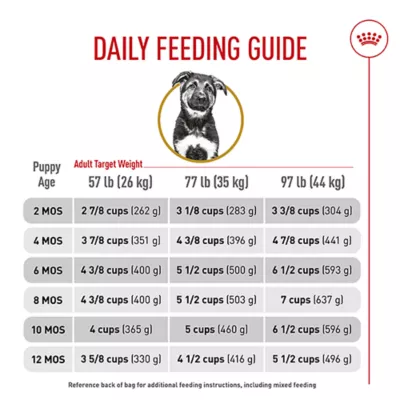
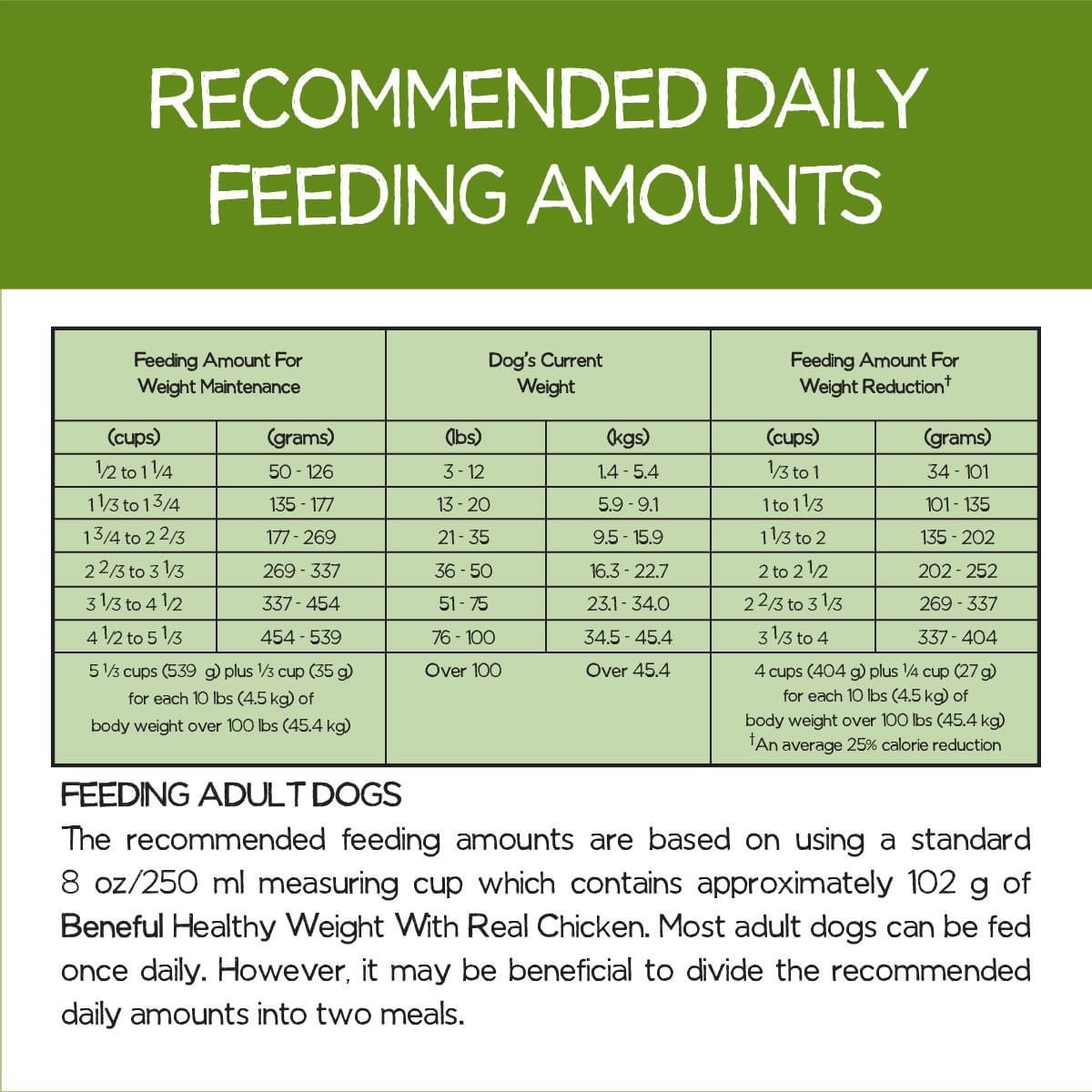
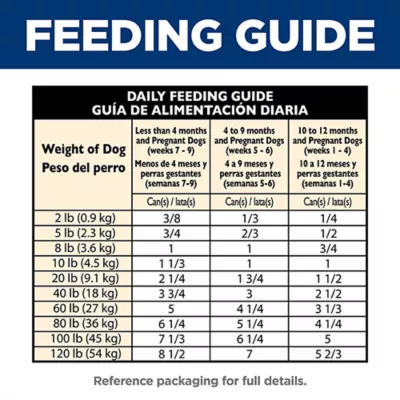
Dog food labels offer feeding guidelines by weight. These charts show daily amounts in grams or cups. Find your dog’s weight category on the label.
Check for calories per serving to understand energy intake. Some foods are more calorie-dense than others. Follow label instructions but watch your dog’s body condition.
Adjust the amount if your dog is gaining or losing weight unexpectedly. Labels give a good starting point for feeding portions.
Measuring Food Accurately
Use a kitchen scale for precise measurement. Scales ensure you feed exactly what your dog needs. Measuring cups work but can vary in size.
Weigh dry food before serving. This avoids guesswork and overfeeding. For wet food, drain excess liquid and weigh the solid part.
Consistent measuring helps track daily intake. It makes feeding easier and reduces errors.
Portioning Tips For Mixed Diets
Mixed diets combine dry kibble, wet food, and treats. Calculate total daily calories from all sources. Adjust kibble amount if adding wet food.
- Divide the daily portion into multiple small meals.
- Include treats as part of the calorie count.
- Keep fresh water available at all times.
Balance nutrients by mixing different food types carefully. Consult your vet for diet adjustments if needed.
Credit: www.walmart.ca
Special Feeding Considerations
Feeding your dog isn’t just about measuring food by weight. Different life stages and health conditions demand special attention to what and how much you feed. Understanding these nuances helps you keep your dog healthy and happy at every age.
Puppies Vs Adult Dogs
Puppies need more calories per kilogram of body weight than adult dogs because they are growing rapidly. Their meals should be rich in protein and fat to support development.
Adult dogs, however, require balanced nutrition to maintain their weight and energy levels. Overfeeding can lead to obesity, so monitor their body condition closely.
- Puppies: Feed 3-4 times a day with nutrient-dense food.
- Adults: Feed 1-2 times a day with maintenance-level calories.
Senior Dog Nutrition
As dogs age, their metabolism slows down, and they often become less active. This means their calorie needs decrease, but their need for certain nutrients, like fiber and antioxidants, may increase.
Adjusting your senior dog's diet can prevent weight gain and support joint health. Have you noticed your older dog slowing down? It might be time to tweak their meals.
- Reduce calories to avoid weight gain.
- Add joint-supporting supplements like glucosamine.
- Increase fiber to aid digestion.
Health Conditions And Diet
Health problems like diabetes, kidney disease, or allergies can affect what your dog should eat. Special diets tailored to these conditions can improve quality of life and manage symptoms.
For example, dogs with kidney issues often need low-protein diets, while diabetic dogs benefit from meals low in simple carbs.
Always consult your vet for personalized advice. Have you ever had to change your dog’s diet due to health concerns? How did it affect their wellbeing?
Common Feeding Mistakes
Feeding your dog the right amount is more than just measuring food. Many pet owners make common mistakes that can harm their dog’s health over time. Recognizing these errors helps you keep your dog happy and healthy.
Overfeeding Risks
Giving your dog too much food can lead to rapid weight gain and obesity. This increases the risk of joint problems, diabetes, and heart disease. Have you noticed your dog begging more often? Sometimes, it’s not hunger but habit or boredom.
Try measuring portions carefully and avoid free feeding. Instead, feed your dog at set times and stick to the recommended amounts based on their weight. Remember, a healthy dog is an active dog.
Underfeeding Signs
Not feeding enough can be just as dangerous as overfeeding. Watch for signs like constant hunger, weight loss, or low energy. If your dog looks thin or their ribs are easily visible, they might not be getting enough nutrients.
Adjust the food quantity gradually if you notice these signs. Dogs need enough calories to maintain muscle and support daily activities. Don’t hesitate to consult your vet if you’re unsure about your dog’s diet.
Ignoring Weight Changes
Changes in your dog’s weight can signal health issues or feeding mistakes. You might not notice a slow weight gain or loss until it becomes serious. Regularly weighing your dog helps catch these changes early.
If your dog’s weight shifts without a clear reason, review their feeding amounts and activity levels. Ignoring these signs might delay important health interventions. Are you tracking your dog’s weight as closely as you do your own?
Monitoring Your Dog’s Weight
Keeping an eye on your dog’s weight is key to ensuring they stay healthy and happy. Weight changes can happen quickly and sometimes without obvious signs. Monitoring helps you catch problems early and adjust feeding amounts effectively.
Regular Weigh-ins
Weigh your dog at least once a month to track changes. Use a consistent scale and weigh at the same time of day for accuracy. If your dog is small, you might need to use a baby scale or weigh yourself holding the dog and subtract your weight.
Seeing the numbers shift can help you decide if you need to increase or reduce food. What did you notice the last time you weighed your dog? That insight can guide feeding decisions better than guesswork.
Body Condition Scoring
Body Condition Scoring (BCS) is a simple way to check if your dog’s weight is healthy by feeling key areas. You should be able to feel ribs without pressing hard and see a waistline from above. Too much fat over ribs or no visible waist suggests adjustments are needed.
Try scoring your dog monthly and note changes. It’s a hands-on approach that complements weigh-ins and helps spot weight shifts before they show on the scale.
When To Consult A Vet
If your dog’s weight changes rapidly or you notice other signs like lethargy, vomiting, or changes in appetite, seek veterinary advice. Sudden weight loss or gain can signal health issues beyond just feeding amounts.
Don’t wait for the next scheduled checkup if something feels off. Your vet can help tailor a feeding plan or diagnose underlying problems to keep your dog at their best.
Tips For Feeding Routine
Creating a solid feeding routine helps your dog stay healthy and happy. It’s not just about the right amount of food but also when and how you feed them. Here are some practical tips to keep your dog’s feeding schedule on track and make mealtime stress-free for both of you.
Consistent Meal Times
Dogs thrive on routine, so feeding your dog at the same times every day helps regulate their digestion and energy levels. Try to pick two or three set times, like morning and evening, and stick to them as closely as possible.
If you feed at irregular times, your dog might get anxious or start begging. Consistency can also help you notice any changes in appetite quickly, which is a key sign of health issues.
Treats And Snacks Management
Treats are great for training and bonding, but too many can disrupt your dog’s diet. Keep treats to less than 10% of their daily calorie intake to avoid weight gain.
- Choose healthy treats like small pieces of carrot or apple.
- Use treats strategically for training rather than casual snacking.
- Adjust meal portions if you know your dog will get extra treats that day.
Have you ever noticed how easy it is to lose track of treats? Keeping a treat log can help you stay mindful.
Hydration And Feeding
Water is just as important as food in your dog’s diet. Always provide fresh water during and after meals to aid digestion and keep your dog hydrated.
Some dogs drink less if their water is far from their feeding area. Try placing the water bowl nearby but separate to avoid contamination and encourage drinking.
Think about how you can make water access convenient and appealing to your dog. Could adding an ice cube or changing the water frequently make a difference?
Credit: www.petsmart.ca

Credit: nakeddog.co.uk
Frequently Asked Questions
How Much Food Should I Feed My Dog By Weight?
Feed your dog 2-3% of its body weight in food daily. Adjust portions based on activity, age, and health.
What Is The Ideal Daily Food Amount For A 10kg Dog?
A 10kg dog typically needs 200-300 grams of food per day. Split meals into two portions for better digestion.
How Do I Calculate Dog Food Quantity By Weight?
Multiply your dog’s weight (kg) by 2-3% to find daily food grams. Adjust based on breed, metabolism, and lifestyle.
Can Feeding Too Much Harm My Dog's Health?
Yes, overfeeding can cause obesity, joint stress, and health issues. Always measure food and consult your vet for guidance.
Conclusion
Finding the right amount to feed your dog is crucial. It helps maintain their health and happiness. Always consider your dog's weight in kilograms. Adjust portions based on activity level and age. Consult your vet for personalized advice. A balanced diet can prevent health issues.
It keeps your dog active and content. Start with the guidelines, then observe your pet's response. Adjust as needed. A well-fed dog is a happy companion. Feeding correctly strengthens your bond. Your dog deserves the best care possible. Keep learning and adapting for their wellbeing.