Are you wondering how much soft food your cat should eat each day? Feeding your furry friend the right amount is key to keeping them healthy and happy.
Too little, and your cat might feel hungry and lose energy. Too much, and you risk weight gain or other health problems. You’ll discover simple guidelines to help you find the perfect daily portion of soft food for your cat.
Keep reading to learn how to make mealtime just right for your beloved pet.
Daily Calorie Needs
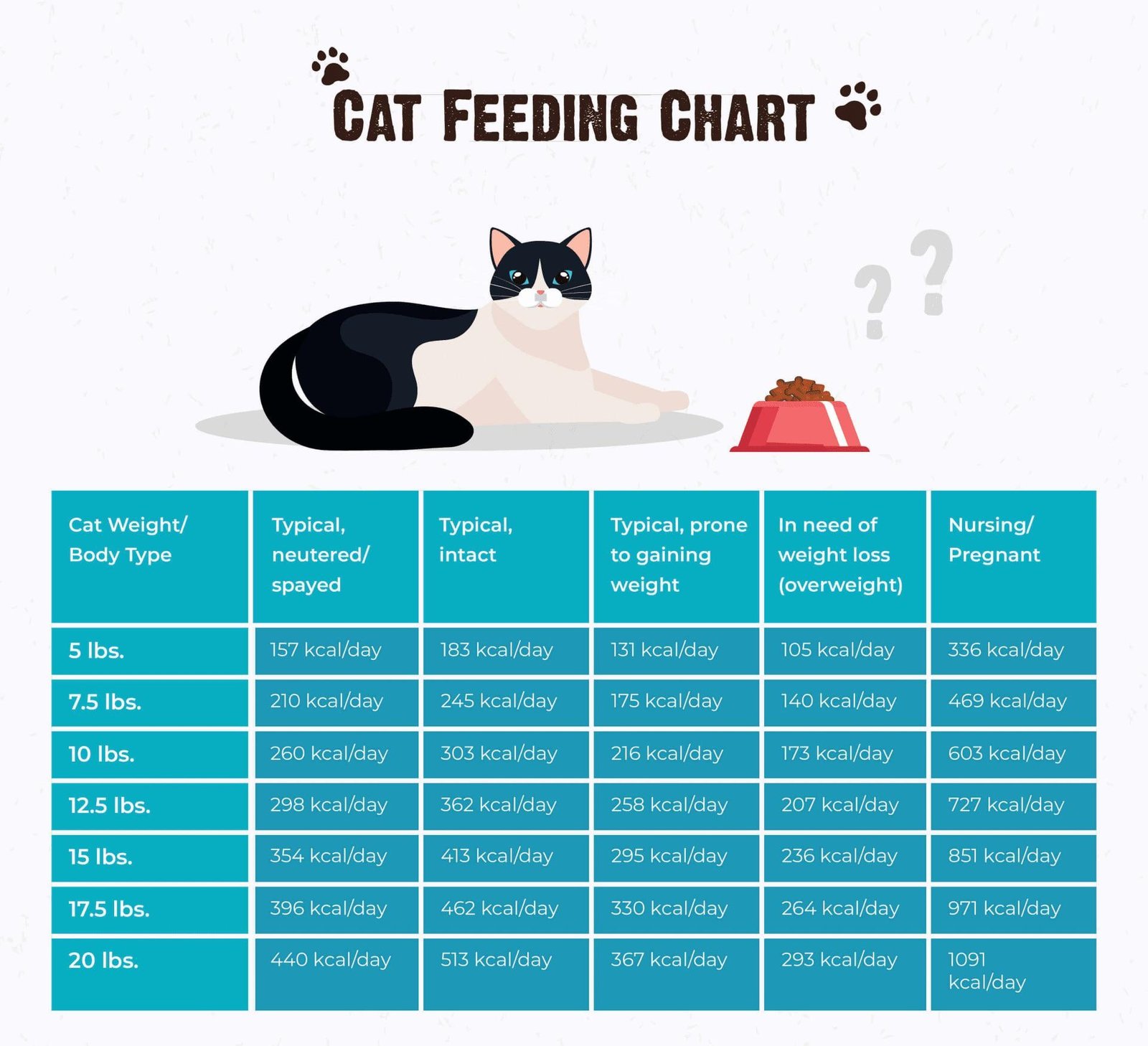
Understanding a cat’s daily calorie needs is key to feeding the right amount of soft food. Cats require energy to stay active, maintain body weight, and support bodily functions. The amount of calories needed varies for each cat. Knowing these needs helps prevent overfeeding or underfeeding.
Calories come from the food your cat eats. Soft cat food has different calorie amounts than dry food. Measuring calories helps decide how much soft food to give your cat daily. It keeps your cat healthy and happy.
Factors Affecting Calorie Intake
- Age: Kittens need more calories for growth than adult cats.
- Weight: Overweight cats require fewer calories; underweight cats need more.
- Activity Level: Active cats burn more calories than indoor or lazy cats.
- Health Status: Illness or medical conditions can change calorie needs.
- Spaying/Neutering: These can reduce your cat’s energy requirements.
Calories In Soft Cat Food
Soft cat food calories vary by brand and recipe. Most cans list calories per serving or per 100 grams. On average, soft food contains 70 to 100 calories per 3-ounce can.
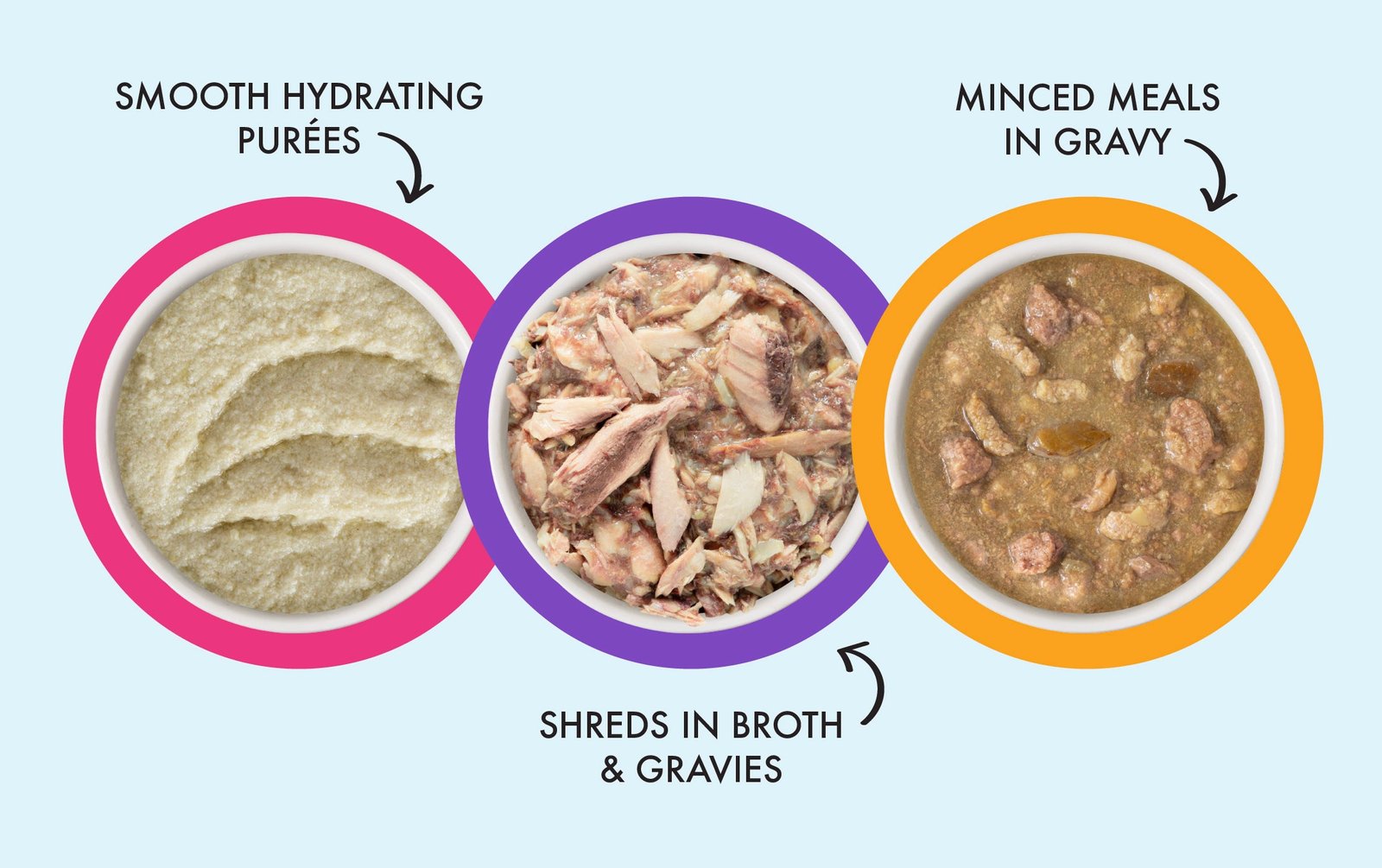
| Soft Food Type | Calories (per 100g) | Calories (per 3 oz can) |
|---|---|---|
| Pâté | 90-100 | 70-85 |
| Chunks in Gravy | 80-95 | 65-80 |
| Shredded | 75-90 | 60-75 |
Read labels carefully. Calculate how much soft food meets your cat’s calorie needs daily.
Portion Sizes For Different Cats
Understanding the right portion sizes for your cat’s soft food is key to keeping them healthy and happy. Cats have different nutritional needs depending on their age and activity level. Tailoring their food intake ensures they get enough energy without overeating.
Kittens And Growing Cats
Kittens need more calories and nutrients to support their rapid growth. They typically eat smaller, more frequent meals throughout the day.
A good rule is to offer about 3 to 4 small meals daily, totaling roughly 5-6 ouncesof soft food per day for a young kitten. Monitor their weight and energy levels closely to adjust portions as they grow.
Have you noticed how your kitten’s appetite can spike suddenly? This is normal; just be ready to increase portions slightly during growth spurts.
Adult Cats
Adult cats require a balanced amount of food to maintain their ideal weight and energy. They usually do well with two meals a day, totaling about 4 to 6 ouncesof soft food daily.
Keep an eye on your cat’s activity level—more active cats may need the higher end of this range. Less active or indoor cats might need less to avoid weight gain.
Are you measuring your cat’s portions or free-feeding? Portion control helps prevent obesity and related health issues.
Senior Cats
Senior cats often have slower metabolisms and different nutritional needs. Their food intake might need adjustment depending on their health condition and activity.
Offer small, frequent mealstotaling about 3 to 5 ouncesof soft food daily. Soft food is easier for older cats to chew and digest, making it ideal for this stage.
Watch for changes in appetite or weight loss—it’s a sign you may need to tweak their portions or consult your vet.
Balancing Soft And Dry Food
Balancing soft and dry food is key to keeping your cat happy and healthy. Each type of food offers unique benefits, and combining them can provide a well-rounded diet. But how do you find the right balance that suits your cat’s needs?
Benefits Of Mixed Feeding
Feeding your cat both soft and dry food can improve hydration. Soft food has a higher moisture content, which helps keep your cat hydrated, especially if they don’t drink much water.
Dry food, on the other hand, helps maintain dental health by reducing plaque buildup. Plus, it’s convenient to leave out during the day without worrying about spoilage.
Mixing foods can also satisfy your cat’s texture preferences. You might notice your cat eating more eagerly when given variety, making mealtime more enjoyable for them.
Adjusting Portions Accordingly
It's important to adjust portions based on the mix of soft and dry food. Since soft food contains more water, your cat may eat a larger volume compared to dry food.
Keep an eye on your cat’s weight and energy levels to guide how much of each type to offer. For example, if your cat is gaining weight, reduce dry food portions and slightly increase soft food to keep calorie intake balanced.
Ask yourself: Is my cat staying active and maintaining a healthy weight? Use this as a sign to tweak the food ratio.

Credit: pet-supermarket.co.uk
Monitoring Your Cat’s Weight
Keeping an eye on your cat’s weight is essential when feeding soft food. It helps you understand if your cat is getting the right amount of nutrition. You want your cat to stay healthy and active, and monitoring weight is a key part of that.
Tracking Weight Changes
Weigh your cat regularly, ideally once a week, using the same scale for consistency. Record the weight each time to spot trends over weeks or months.
Small fluctuations are normal, but steady weight gain or loss can signal a problem. If your cat’s weight changes by more than 5% in a month, it’s time to adjust their food or visit the vet.
Have you noticed your cat gaining a little weight after switching to soft food? Tracking helps you decide if you need to reduce portion sizes or change feeding frequency.
Signs Of Overfeeding Or Underfeeding
Overfeeding often leads to weight gain, lethargy, and a rounder belly. Your cat may also beg for food more often, showing increased appetite.
Underfeeding causes weight loss, visible ribs, and low energy. Your cat might seem hungry all the time or appear weak.
Watch your cat’s behavior and body condition alongside their weight. Are they active and playful, or sluggish and uninterested in food?
- Overfeeding signs:weight gain, less energy, begging for food
- Underfeeding signs:weight loss, visible bones, constant hunger
Do you feel confident about the amount of soft food you’re giving your cat? Monitoring weight and behavior together gives you the best insight into their health.
Feeding Frequency And Schedule
Setting the right feeding frequency and schedule is key to keeping your cat healthy and happy. Soft food portions need to be timed well to match your cat's metabolism and lifestyle. Understanding when and how often to feed can prevent overeating and maintain steady energy levels throughout the day.
Meal Timing Tips
Cats thrive on routine, so try to feed your cat at the same times every day. Splitting their daily soft food allowance into multiple smaller meals helps keep their digestion smooth and appetite satisfied.
For example, feeding your cat three to four times a day can mimic their natural hunting behavior, which involves several small meals. Avoid leaving food out for too long as soft food can spoil quickly, and this might discourage your cat from eating properly or cause digestive issues.
Watch your cat’s behavior closely after meals—if they seem hungry soon after eating, you might need to adjust meal sizes or frequency. How often do you notice your cat asking for food? That’s your clue to tweak the schedule.
Free-feeding Vs Scheduled Feeding
Free-feeding means leaving soft food available all day, allowing your cat to eat whenever they want. This works well for some cats but can lead to overeating and weight gain if your cat lacks self-control.
Scheduled feeding involves setting specific meal times and removing food once the meal is over. This method helps you monitor how much your cat eats and can prevent obesity.
Consider your cat’s personality: a self-disciplined cat might do fine with free-feeding, while a greedy eater benefits from a strict feeding schedule. What’s your cat’s eating style? Observing this can guide your choice between free-feeding and scheduled meals.

Credit: companion-vets.com
Special Considerations
Special considerations affect how much soft food a cat should eat daily. Some cats need tailored feeding plans to stay healthy and strong. These factors depend on health status and life stages. Understanding these needs helps provide the right amount of food.
Cats With Health Issues
Cats with health problems may need different food amounts or types. Kidney disease, diabetes, or dental problems can affect appetite and digestion. Soft food can ease eating for cats with dental pain.
Monitor your cat’s weight and energy levels closely. Consult a vet to adjust food amounts and types. Avoid overfeeding to prevent obesity and related issues.
Pregnant Or Nursing Cats
Pregnant or nursing cats need more calories and nutrients. Their food intake should increase to support their kittens’ growth. Soft food is easier to eat and digest during this time.
Feed small, frequent meals throughout the day. Ensure the food is rich in proteins and fats. Always provide fresh water to keep your cat hydrated.
Tips For Transitioning To Soft Food
Transitioning your cat to soft food can be smooth with the right approach. Cats may resist new textures or flavors at first. Patience and gentle steps help them adjust comfortably. Here are helpful tips to make the switch easier and stress-free for your cat.
Gradual Introduction
Start by mixing a small amount of soft food with your cat’s regular dry food. Slowly increase the soft food portion over several days. Watch your cat’s reaction and adjust the mix accordingly. This process helps your cat get used to the new texture and taste without feeling forced.
Offer the mixed food at usual meal times. Keep the environment calm and quiet to encourage eating. Avoid sudden changes to prevent stress or refusal to eat.
Encouraging Picky Eaters
Some cats are very selective about their food. Try warming the soft food slightly to bring out the aroma. Use a spoon or your fingers to feed small bites by hand. This can make the food more appealing and build trust.
Offer different soft food flavors and textures to find what your cat prefers. Patience is key. Never rush or pressure your cat to eat. Positive reinforcement like gentle petting can help create a pleasant mealtime experience.

Credit: www.purina.com
Frequently Asked Questions
How Much Soft Food Should A Cat Eat Daily?
A cat typically needs about 20-30 grams of soft food per pound of body weight daily. Divide this into two or more meals to maintain balanced nutrition and avoid overeating.
Can Feeding Too Much Soft Food Harm My Cat?
Yes, overfeeding soft food can cause obesity and digestive issues. Monitor portions and adjust based on your cat’s activity level and weight.
Should Soft Food Replace Dry Food Completely?
Soft food can replace dry food but consult your vet first. A balanced diet ensures your cat gets all necessary nutrients.
How To Transition My Cat To More Soft Food?
Introduce soft food gradually over 7-10 days. Mix it with dry food, increasing the soft portion to help your cat adjust comfortably.
Conclusion
Finding the right amount of soft food is essential for your cat. Balance is key. Too much or too little can affect their health. Consider your cat’s age, weight, and activity level. Consult your vet for personalized advice. Monitor your cat’s response to their diet.
Notice any changes in behavior or health. Adjust as needed for their well-being. Consistency helps maintain their digestive health. Remember, every cat is unique. Their needs can vary. Regular check-ups ensure they stay healthy and happy. A proper diet means a happy, healthy feline friend.