
Are you ever unsure if you’re feeding your dog the right amount each day? Getting this just right is key to keeping your furry friend healthy and happy.
Feed too little, and your dog might feel hungry and lose energy. Feed too much, and you risk weight gain and health problems. You want to give your dog the perfect portion, but how do you know what that is?
Keep reading, because we’ll break down exactly how much you should feed your dog every day, based on their size, age, and activity level. This way, you can make confident choices that support your dog’s well-being every step of the way.

Credit: www.reddit.com
Daily Feeding Basics
Feeding your dog the right amount daily isn’t just about filling a bowl. It’s about understanding their unique needs based on size, age, activity, and breed. Getting this balance right keeps your dog healthy and happy, and it can even extend their life.
Calorie Needs By Size
Smaller dogs burn calories faster but need less food overall. Larger dogs require more calories to maintain their energy and body functions. For example, a tiny Chihuahua might need only 200 calories a day, while a large Labrador could need 1,200 or more.
Here’s a simple calorie guide by size:
| Dog Size | Daily Calorie Needs |
|---|---|
| Small (under 20 lbs) | 200 - 500 calories |
| Medium (20-50 lbs) | 500 - 1,000 calories |
| Large (50-90 lbs) | 1,000 - 1,500 calories |
| Giant (over 90 lbs) | 1,500+ calories |
Age And Activity Factors
A puppy’s growing body demands more calories than an adult dog. Senior dogs, on the other hand, often need fewer calories because they move less. Think about your dog’s daily routine—are they lounging around or running and playing for hours?
Active dogs burn more energy and need food that matches their lifestyle. If your dog is a couch potato, feeding them like a marathon runner can cause weight gain. Adjust portions as their activity changes to avoid health issues.
Breed-specific Considerations
Different breeds have different metabolism rates and body types. Working breeds like Border Collies need more fuel than a Bulldog, who tends to be less active. Some breeds are prone to weight gain, requiring you to be more careful with their food intake.
Have you noticed how your dog’s breed influences their appetite or energy? Tailoring the feeding amount to breed traits can prevent common problems like obesity or malnutrition. Always observe your dog closely and adjust portions if you see changes in weight or energy levels.

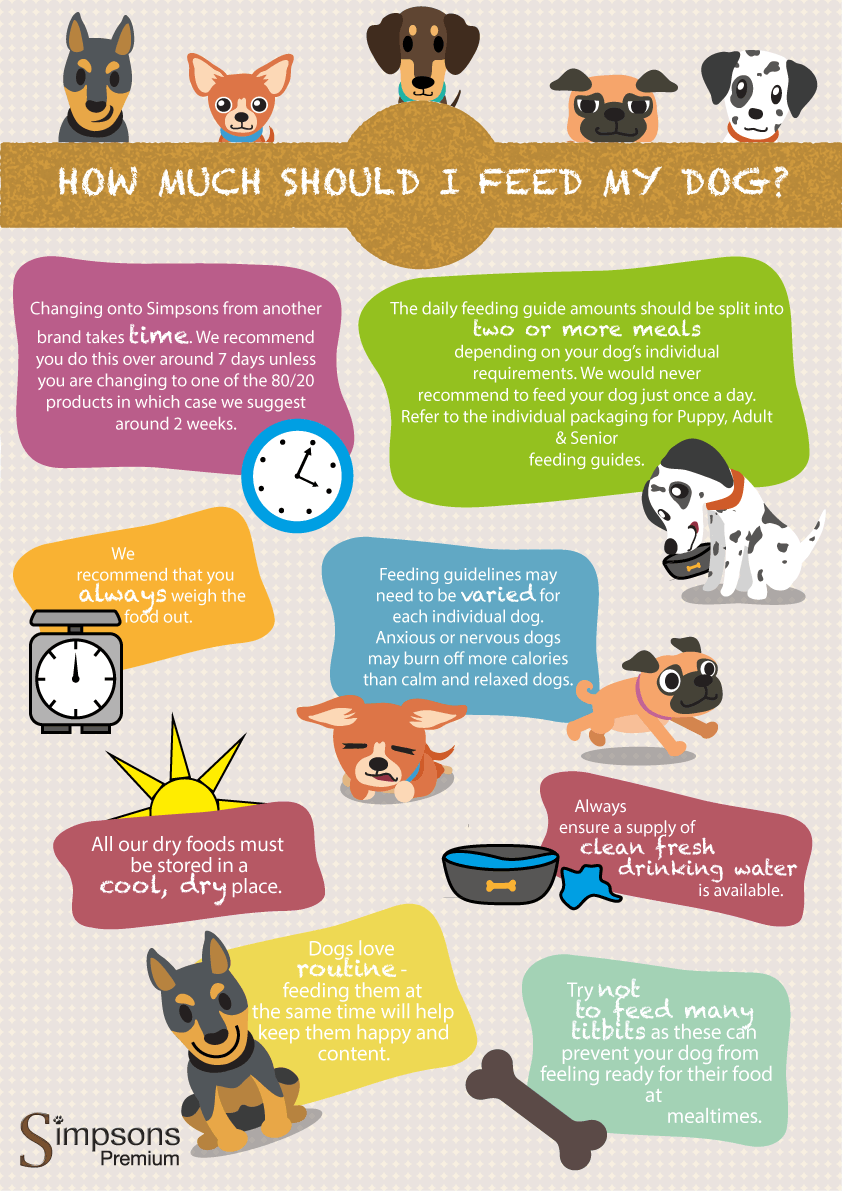
Credit: pet-supermarket.co.uk
Types Of Dog Food
Choosing the right type of food for your dog is essential when deciding how much to feed each day. Different types of dog food vary in calorie content, nutrient balance, and digestibility. Understanding these differences helps you provide the right portions and meet your dog’s unique dietary needs.
Dry Kibble Vs Wet Food
Dry kibble is popular because it’s convenient, easy to store, and usually more affordable. It has a lower moisture content, so your dog gets more calories per cup, which means portion sizes are smaller compared to wet food. Wet food contains more moisture, which can help keep your dog hydrated, but it often has fewer calories per serving, so your dog might need a larger portion to feel full.
If your dog is picky, wet food can be more appealing due to its aroma and texture. However, dry kibble is better for dental health since it helps reduce plaque buildup. Think about your dog’s preferences and health when deciding between the two.
Raw And Homemade Diets
Some dog owners prefer raw or homemade meals to control exactly what their dogs eat. These diets can be nutritious if balanced correctly but require careful planning to avoid missing essential nutrients. Unlike commercial foods, you must calculate the right portion sizes based on your dog’s age, weight, and activity level.
I once switched my dog to a homemade diet and noticed he needed smaller portions, but his stool was softer. This showed me the importance of monitoring how diet changes affect digestion. If you choose this route, consulting a vet or pet nutritionist is crucial to ensure your dog’s health and proper feeding amounts.
Specialty And Prescription Foods
Specialty foods target specific health issues like allergies, kidney problems, or weight management. These diets often have unique nutrient profiles and calorie counts, so feeding guidelines can differ significantly from regular dog foods. Prescription diets usually require a vet’s recommendation and come with strict portion instructions.
Feeding your dog the right amount of specialty food is vital to managing their condition. Overfeeding can worsen health problems, while underfeeding might leave nutritional gaps. Always follow your vet’s advice closely and observe your dog’s response to the diet.
Calculating Portion Sizes
Calculating the right portion size for your dog each day is key to maintaining their health and energy. It’s not just about measuring food; it’s about understanding the nutritional needs specific to your dog’s age, weight, and activity level. Getting this balance right helps avoid overfeeding or underfeeding, both of which can lead to health problems.
Reading Dog Food Labels
Dog food labels hold important clues about how much to feed your pet. Look for the feeding guidelines, usually found on the back or side of the package. These guidelines typically suggest a daily amount based on your dog’s weight.
Pay attention to the calorie content listed on the label. This number tells you how many calories your dog will get per cup or per serving. Knowing this helps you match the food quantity to your dog’s calorie needs.
Remember, labels provide a starting point. Your dog’s metabolism and activity might mean you need to adjust the amount a little. Keep an eye on your dog’s weight and energy levels to guide these tweaks.
Using Calorie Calculators
Calorie calculators online can give you a more tailored feeding amount. You just enter your dog’s weight, age, breed, and activity level. The calculator then estimates daily calories needed to maintain a healthy weight.
Using these tools can be eye-opening. You might find your dog needs more or less food than the package suggests. This helps you avoid guessing and provides a clear feeding target.
Have you tried tracking calories before? It can feel like a small change, but it often leads to big improvements in your dog’s health.
Adjusting For Treats And Snacks
Treats and snacks add extra calories that count toward your dog’s daily total. If you’re feeding a lot of treats, you’ll need to reduce the main meal portions to keep calorie intake balanced.
Think about the type of treats you give. High-calorie treats need bigger adjustments compared to low-calorie ones like carrot sticks. Keep treats to less than 10% of the total daily calories.
Tracking treats can be tricky, especially if you give them throughout the day. Try measuring treats or using small, low-calorie options to keep portions under control.
Feeding Frequency
Feeding frequency plays a key role in your dog's health and happiness. How often you feed depends on their age, lifestyle, and health needs. Proper meal timing helps maintain energy and supports digestion. Adjusting feeding times as dogs grow or age keeps them strong and active. Understanding feeding frequency helps you make the best choices for your dog’s diet.
Puppies Vs Adult Dogs
Puppies need more meals per day than adult dogs. Their small stomachs fill up quickly and need frequent refills. Feed puppies three to four small meals daily to support growth. Adult dogs do well with two meals a day. This routine keeps their metabolism steady and helps avoid hunger or overeating.
Senior Dog Feeding Tips
Older dogs may need smaller, more frequent meals. Aging slows metabolism and digestion. Split daily food into two or three portions for easier digestion. Watch for changes in appetite or weight. Adjust meal sizes and frequency to keep seniors comfortable and healthy.
Managing Meal Times
- Feed your dog at the same times daily for consistency.
- Use a calm and quiet place to reduce distractions during meals.
- Measure food portions carefully to avoid overfeeding.
- Remove leftover food after 20-30 minutes to prevent grazing.
- Provide fresh water alongside each meal.
Consistent meal times create a routine your dog can trust. This helps with digestion and behavior. Stick to set feeding schedules to keep your dog’s appetite steady and mood balanced.
Signs Of Overfeeding And Underfeeding
Knowing the signs of overfeeding and underfeeding helps keep your dog healthy. Feeding too much or too little can cause serious problems. Watch your dog's body, behavior, and health closely. Early detection of feeding issues can prevent future complications.
Weight Monitoring Techniques
Regularly weigh your dog to track changes. Use a simple scale at home or visit the vet. Compare current weight with the ideal weight for your dog's breed and size.
- Check your dog's ribs by feeling gently. You should feel ribs but not see them.
- Look for changes in waistline. A tucked waist means healthy weight.
- Keep a weight journal to notice trends over time.
Behavioral Clues
Changes in behavior can signal feeding problems. A hungry dog may beg more or act restless. An overfed dog may become sluggish or lazy.
- Watch for excessive begging or scavenging for food.
- Notice if your dog seems tired or less active than usual.
- Observe any sudden mood changes or irritability.
Health Risks To Watch
Both overfeeding and underfeeding cause health issues. Overfeeding can lead to obesity, diabetes, and joint problems. Underfeeding may cause weakness, poor coat, and organ damage.
- Look for difficulty breathing or walking as signs of obesity.
- Check for dull fur or dry skin in underfed dogs.
- Be alert for digestive issues like vomiting or diarrhea.
Tips For Picky Eaters
Dealing with a picky eater can be frustrating. Dogs may refuse food for many reasons. Small changes can improve their interest in meals. Understanding how to encourage eating helps maintain their health and energy.
Enhancing Food Appeal
Try warming your dog’s food slightly. Warm food smells stronger and tastes better to dogs. Adding a little broth can increase flavor without adding calories. Mixing in small amounts of cooked vegetables or lean meat can make meals more exciting. Avoid sudden changes to prevent stomach upset.
Routine And Environment
Feed your dog at the same time every day. Consistency helps build good eating habits. Offer food in a quiet, calm place with little distraction. Remove food after 20 minutes to teach your dog to eat when offered. Avoid giving treats or table scraps between meals to keep appetite strong.
When To Consult A Vet
Refusal to eat can signal health problems. Watch for signs like vomiting, diarrhea, or weight loss. Persistent picky eating needs professional advice. A vet can check for dental issues, infections, or other conditions. Early care prevents bigger health problems later.
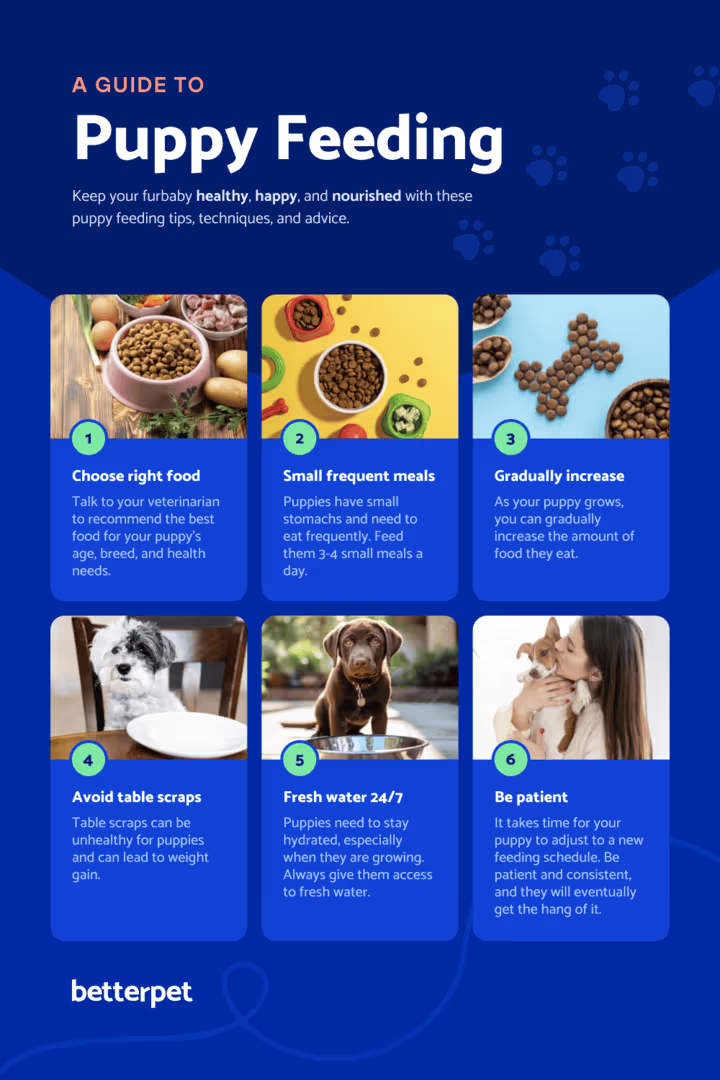
Credit: www.betterpet.com
Frequently Asked Questions
How Do I Determine My Dog's Daily Food Amount?
Calculate your dog's daily food based on weight, age, activity, and health. Use feeding guidelines on dog food packaging as a starting point. Adjust portions as needed to maintain a healthy weight and energy level.
What Factors Influence My Dog's Feeding Needs?
Breed, size, age, activity level, and metabolism affect feeding needs. Puppies and active dogs require more calories. Older or less active dogs need fewer calories to avoid weight gain.
How Often Should I Feed My Dog Each Day?
Most adult dogs eat twice daily, morning and evening. Puppies may need three to four meals daily. Consistent feeding times help regulate digestion and maintain routine.
Can Overfeeding Harm My Dog’s Health?
Yes, overfeeding can cause obesity, joint problems, and diabetes. It shortens lifespan and lowers quality of life. Measure portions carefully and avoid excessive treats.
Conclusion
Feeding your dog the right amount is crucial for their health. Observe their weight and adjust portions as needed. Consult your vet for personalized advice. Every dog is unique. Size, age, and activity level matter. Overfeeding leads to obesity, while underfeeding causes malnutrition.
Use a measuring cup for accuracy. Stick to regular feeding times. Consistency helps digestion. Keep treats minimal. Balanced diet is key. Don't ignore changes in appetite or behavior. These can signal health issues. Stay informed and attentive. Your dog’s well-being depends on it.
Healthy feeding equals a happy, energetic pet.