Are you unsure how much food your dog really needs each day? Feeding your furry friend the right amount is one of the most important things you can do to keep them healthy and happy.
But with so many factors like age, size, and activity level, it’s easy to get confused. What if there was a simple way to find the perfect portion for your dog, tailored just for them? Keep reading, because this guide will help you discover exactly how much to feed your dog at every stage of their life—no guesswork, just clear answers.
Your dog’s health depends on it, and you’re about to learn how to make feeding time stress-free and spot on.
Credit: appadvice.com
Factors Influencing Dog Feeding Amounts
Determining the right amount to feed your dog isn't just about following a chart or calculator. Several factors affect how much food your dog needs daily. Understanding these can help you avoid overfeeding or underfeeding, keeping your furry friend healthy and happy.
Age And Growth Stage
Puppies need more calories per pound than adult dogs because they're growing rapidly. Young dogs require nutrient-rich food to support bone and muscle development. Older dogs, on the other hand, often need fewer calories to prevent weight gain as their metabolism slows down.
Have you noticed your dog’s appetite change as they age? Adjusting food portions based on growth stage is key to maintaining their ideal weight.
Breed And Size
Small breeds like Chihuahuas burn calories faster and may need more frequent, smaller meals. Large breeds such as Great Danes require more food in volume but often fewer calories per pound than smaller dogs.
Feeding guidelines vary widely between breeds, so knowing your dog’s size helps you tailor their diet better. Are you feeding your dog according to their breed’s specific needs?
Activity Level
Active dogs, like those who run or play for hours, burn more energy and need extra food to fuel their lifestyle. Sedentary dogs require less food to avoid excess weight gain.
Think about your dog’s daily routine. Would you give the same amount of food to a couch potato as you would to a working dog? Probably not.
Health And Metabolism
Illnesses or health conditions can change how your dog processes food. Dogs with faster metabolism may need more calories, while those with health issues might require special diets.
Always consult your vet if your dog’s eating habits or weight change suddenly. Understanding your dog’s unique health needs ensures you feed them the right amount and type of food.
Feeding Guidelines By Age Group
Feeding your dog the right amount is crucial for their health. Different life stages require different nutrition and portion sizes. Age affects energy needs and metabolism. Understanding these changes helps keep your dog healthy and active.
Puppies: Nutritional Needs And Portions
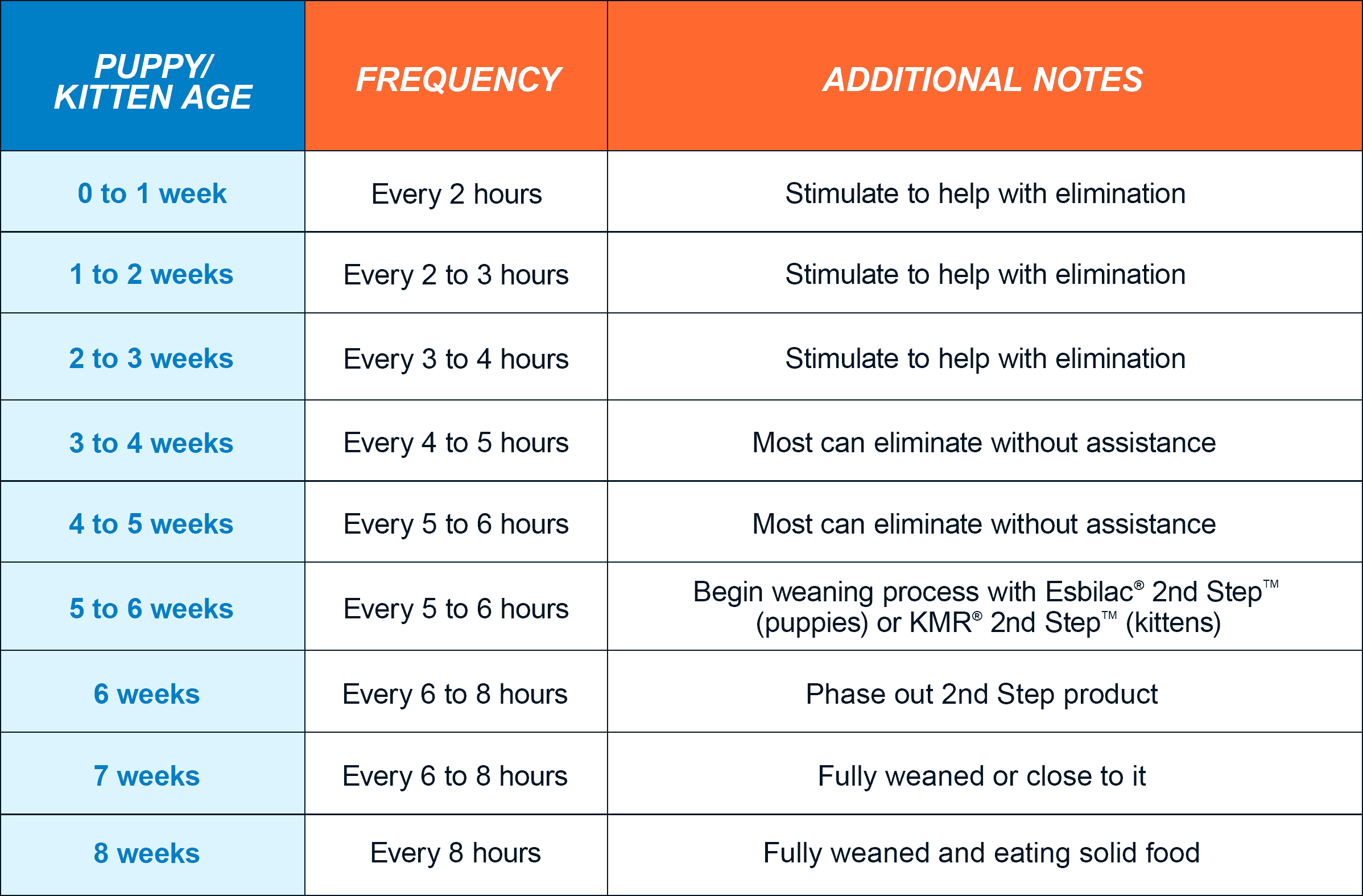
Puppies grow fast and need more calories than adults. Their food must be rich in protein and fat for development. Feed small, frequent meals throughout the day. Use a puppy-specific formula to support bones and muscles. Portion size depends on breed and weight. Monitor their growth and adjust food as needed.
Adult Dogs: Maintaining Ideal Weight
Adult dogs need balanced meals to keep steady weight. Their energy levels stabilize, so food portions may reduce. Quality protein supports muscles, and fiber aids digestion. Avoid overfeeding to prevent obesity. Feed once or twice daily, based on your dog’s routine. Check their body condition regularly for signs of weight gain or loss.
Senior Dogs: Adjusting For Aging
Senior dogs slow down and burn fewer calories. Their diet should have fewer fats and calories but enough protein to maintain muscle. Add supplements for joint health if needed. Smaller portions help prevent weight gain. Watch for changes in appetite or digestion. Adapt feeding habits to keep your older dog comfortable and healthy.
Using A Dog Feeding Calculator
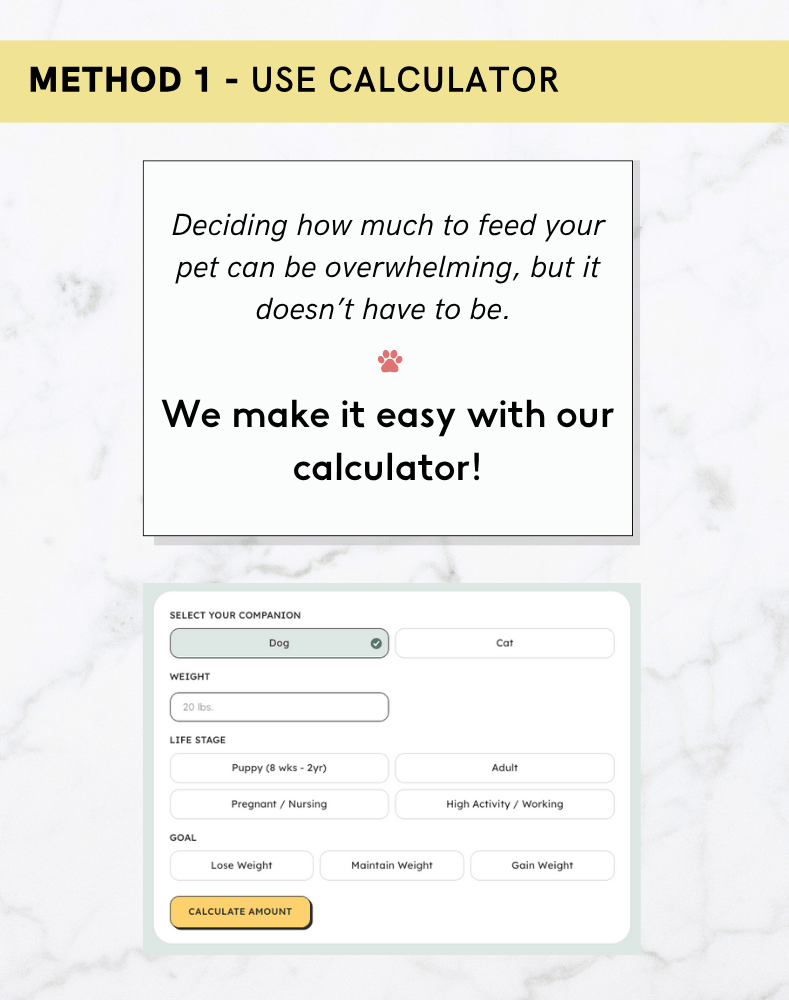
Using a dog feeding calculator takes the guesswork out of deciding how much food your dog needs. It adjusts feeding amounts based on your dog's specific details, making sure you don't overfeed or underfeed. This tool helps you give your dog just the right amount of nutrition to stay healthy and happy.
Input Requirements
To get accurate results, you need to enter some basic information about your dog. This usually includes:
- Age:Puppies and senior dogs have different dietary needs.
- Weight:Helps determine the total amount of food needed.
- Breed or size category:Some breeds require more calories than others.
- Activity level:Active dogs burn more energy and need more food.
Make sure you provide the most current and accurate details. Think about your dog's lifestyle—does yours run around the park daily or prefer lounging indoors?
How Calculations Work
The calculator uses your dog's information to estimate daily calorie needs. It applies formulas based on veterinary nutrition guidelines.
For example, the calculation adjusts calories for age because puppies need more energy for growth, while older dogs require fewer calories to avoid weight gain.
Once the calorie target is set, the calculator divides this by the calorie content of the dog food you use. This tells you exactly how much food to offer each day.
Benefits Of Personalized Feeding
Feeding your dog according to its unique needs prevents common problems like obesity or malnutrition. It also supports healthy development in puppies and maintains muscle tone in older dogs.
Personalized feeding can save you money by avoiding overfeeding and wasting food. Plus, your dog will feel better and have more energy.
Have you noticed any changes in your dog's weight or energy when you adjusted their food portions? Using a dog feeding calculator can help you fine-tune their diet for optimal health.
Credit: thejeera.com
Choosing The Right Dog Food
Choosing the right dog food is key to your pet’s health and happiness. Dogs need balanced nutrition to grow, stay active, and maintain a healthy weight. Feeding your dog the correct food supports their immune system and overall well-being. Age, size, and activity level influence what type of food suits your dog best.
Understanding different dog food types and how to read labels helps you make better choices. Knowing the right portion size compared to calories ensures your dog gets enough energy without overeating.
Types Of Dog Food
Dog food comes in several types, each with benefits. Dry kibble is popular because it is easy to store and affordable. Canned food has more moisture and can be tastier for picky eaters. Raw diets provide natural nutrients but require careful handling. Some owners choose homemade meals to control ingredients.
Each type serves different needs. Puppies often need formulas high in protein and fat. Older dogs benefit from food supporting joint health and digestion. Choose a type that fits your dog’s age and health needs.
Reading Nutritional Labels
Reading dog food labels helps you understand what is inside. Look for real meat as the first ingredient. Avoid foods with too many fillers like corn or wheat. Check for added vitamins and minerals that support growth and energy.
Guaranteed analysis on the label shows protein, fat, fiber, and moisture content. Higher protein suits active dogs and puppies. Fiber helps with digestion. Avoid foods with artificial colors and flavors.
Portion Size Vs. Caloric Content
Portion size depends on your dog’s calorie needs. Calories provide energy, but too many cause weight gain. Use feeding guidelines on the package as a starting point.
Adjust portions based on your dog’s age, weight, and activity. Puppies need more calories per pound than adults. Older dogs may need fewer calories to prevent obesity. Use a scale or measuring cup for accuracy.
Tracking calories helps maintain a healthy weight. Overfeeding can lead to health problems. Underfeeding slows growth and energy. Balance is key for a happy dog.
Tips For Feeding Your Dog
Feeding your dog the right amount is key to keeping them healthy and happy. Understanding their age and needs helps you provide the right portions. Here are some practical tips for feeding your dog effectively.
Establishing A Feeding Schedule
Set regular feeding times each day. Dogs thrive on routine and feel more secure with consistent meals. Divide their daily food into two or three portions depending on their age. Puppies usually eat more often. Adult dogs do well with two meals daily. Avoid free feeding to control portion size and prevent overeating.
Monitoring Weight And Health
Check your dog’s weight regularly. Look for changes in body shape and energy levels. A healthy dog has a visible waist and ribs you can feel but not see clearly. Keep an eye on their coat and activity. If you notice weight gain or loss, adjust their food accordingly. Consult a vet for health concerns or unusual changes.
Adjusting Portions Over Time
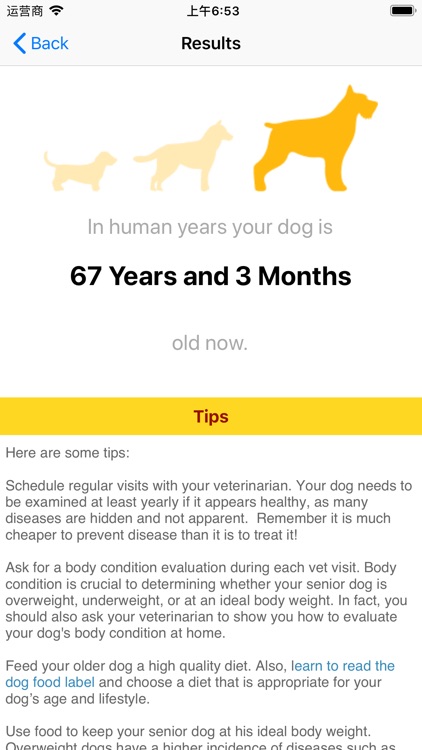
Adjust food amounts as your dog grows and ages. Puppies need more calories for growth. Adult dogs require fewer calories to maintain weight. Senior dogs may need less food but higher nutrients. Use a dog food calculator by age to guide portion changes. Always watch for signs your dog needs more or less food.
Common Feeding Mistakes To Avoid
Feeding your dog the right amount is crucial, but many pet owners unknowingly make mistakes that affect their dog’s health. These common feeding errors can lead to weight problems, poor nutrition, and behavioral issues. Identifying and avoiding these pitfalls helps ensure your dog thrives at every stage of life.
Overfeeding And Obesity
Overfeeding is a widespread issue that often results in obesity, which shortens your dog’s lifespan and increases health risks like diabetes and joint problems.
You might think your dog looks hungry and add extra treats or meals, but this can quickly add up. Remember, portion control is key—stick to recommended amounts and adjust based on your dog’s weight changes.
Ask yourself: Is your dog begging out of habit or genuine hunger? Monitoring body condition regularly helps you avoid accidental overfeeding.
Ignoring Activity Levels
Your dog’s activity level directly impacts how much food they need. A highly active dog burns more calories and may require more food than a sedentary one.
Feeding the same amount regardless of exercise can lead to weight gain or nutritional deficiencies. Adjust portions based on daily walks, playtime, or rest.
Think about your dog’s lifestyle: Are they lounging all day or running around the park? Tailoring feeding to activity prevents underfeeding or overfeeding.
Feeding Human Food
Giving your dog human food might seem like a nice treat, but it often disrupts their balanced diet. Many human foods are too rich, salty, or toxic to dogs.
Even healthy snacks like cheese or cooked meat can cause digestive upset or add unnecessary calories. Stick to dog-safe treats and use the “How Much Should I Feed My Dog” calculator to keep treats within limits.
Have you ever noticed your dog’s reaction after a table scrap? Avoid feeding human food to protect their health and maintain proper nutrition.

Credit: ketonaturalpetfoods.com
Frequently Asked Questions
How Do I Calculate My Dog's Daily Food Intake?
Calculate your dog's daily food intake using its weight, age, and activity level. Puppies need more calories per pound than adults. Use a dog food calculator for accurate portions based on age and size.
Why Does My Dog's Age Affect Feeding Amounts?
Dogs' metabolism and activity change with age. Puppies and young dogs require more calories for growth. Older dogs need fewer calories to avoid weight gain. Age-specific feeding helps maintain your dog's health and energy.
Can I Feed My Dog The Same Amount Daily?
No, feeding amounts should vary by age, activity, and health. Puppies need frequent, smaller meals. Adults require balanced portions. Senior dogs often need fewer calories. Adjust portions regularly for optimal nutrition and weight control.
What Signs Show My Dog Is Overfed Or Underfed?
Overfed dogs may gain weight, show lethargy, or have digestive issues. Underfed dogs can lose weight, appear weak, or have dull coats. Monitor your dog’s body condition and energy to adjust feeding amounts accordingly.
Conclusion
Feeding your dog the right amount is essential. This calculator helps simplify it. Enter your dog's age. Get tailored feeding advice quickly. This ensures your pet stays healthy and happy. Consistent, balanced meals support their growth. It also prevents overfeeding issues.
This tool guides you in making informed choices. Always consider your dog's unique needs. Consult a vet for more precise advice. Happy feeding leads to a happy pet. Remember, every dog is different. Adjust feeding as necessary. Your furry friend deserves the best care.
Keep them active, healthy, and loved.